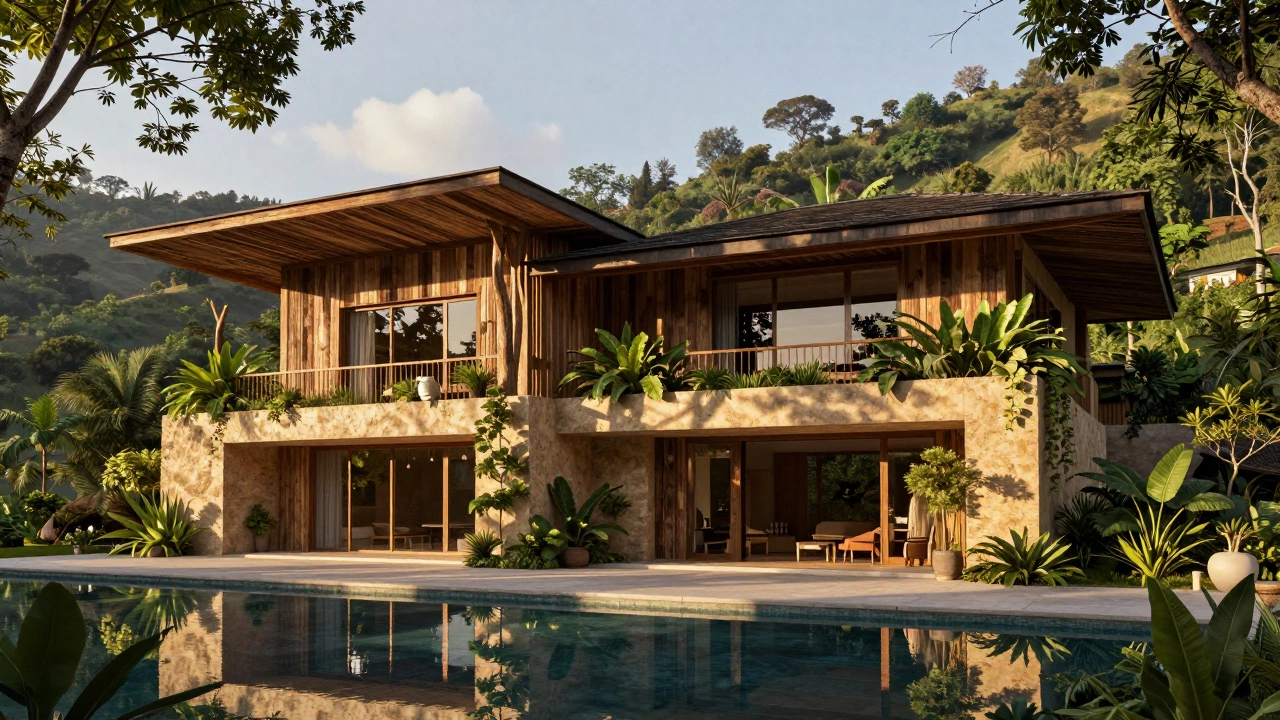
How to Build an Eco-Friendly Hotel or Resort: A Practical Guide for 2026
Eco-Hotel ROI & Savings Calculator
Property Parameters
Enter your current property data to estimate potential savings.
Projected Eco-Impact
By implementing standard green measures (LED lighting, low-flow fixtures, composting), here is your estimated performance:
$0
Estimated Annual Operational Savings
Enter your details and click Calculate to see results.
Guests don’t just want a comfortable bed anymore. They want to sleep knowing their stay didn’t cost the earth-literally. The hospitality industry is shifting fast. In 2026, "green" isn't a marketing buzzword; it’s a survival strategy. If you’re planning to build or renovate a property, making an eco-friendly hotel requires more than swapping plastic bottles for glass ones. It demands a complete rethink of how your building breathes, eats, and operates.
I’ve seen too many resorts slap a "We Care About Nature" sign on the wall while running diesel generators and wasting gallons of water daily. That’s greenwashing, and travelers are onto it. To create a truly sustainable resort, you need to integrate environmental responsibility into every brick, beam, and booking engine. This guide breaks down exactly how to do that, from site selection to guest experience.
Start with the Foundation: Sustainable Site Selection
The biggest mistake developers make is choosing a location based solely on views or proximity to airports, ignoring the ecological footprint. Building an eco-friendly hotel starts before the first shovel hits the ground. You need to assess the land’s natural resilience.
Avoid fragile ecosystems like mangroves, coral reefs, or steep slopes unless you have a specialized plan for minimal impact. Instead, look for degraded lands or existing structures that can be repurposed. Retrofitting an old warehouse or a colonial-era building often uses less carbon than constructing new concrete frames. When you preserve the existing topography, you reduce soil erosion and protect local biodiversity. For example, a resort in Bali might choose to build on flat, previously agricultural land rather than clearing a hillside forest, preserving the natural drainage systems that prevent flooding during monsoon seasons.
Design for Climate, Not Just Aesthetics
Your architecture should work with the local climate, not against it. This concept, known as passive design, drastically cuts energy bills and reduces reliance on air conditioning. Think about orientation. In the Northern Hemisphere, facing main living areas south captures winter sun and allows overhangs to block harsh summer heat. In tropical regions, cross-ventilation is king.
Use natural materials that regulate temperature. Bamboo, rammed earth, and reclaimed timber have high thermal mass, meaning they absorb heat during the day and release it slowly at night. This keeps rooms cool without cranking up the AC. Large windows placed strategically allow light to flood in, reducing the need for electric lighting during the day. Don’t forget shading devices like louvers or pergolas with climbing plants. These features aren’t just pretty; they’re functional tools for energy efficiency.
Energy Independence Through Renewable Sources
Relying entirely on the national grid is risky and often dirty. An eco-friendly resort should generate its own power. Solar panels are the most obvious choice, but they’re not the only one. Depending on your location, wind turbines, micro-hydro systems, or biomass boilers can supplement solar energy.
Pair these generation methods with battery storage systems. Lithium-ion batteries have become cheaper and more efficient, allowing you to store excess daytime solar energy for use at night. This ensures guests still have hot water and Wi-Fi even if the grid goes down. Additionally, invest in high-efficiency appliances. LED lighting, smart thermostats, and Energy Star-rated HVAC systems can cut energy consumption by up to 40%. Install motion sensors in corridors and restrooms so lights don’t burn when no one is there.

Water Conservation: Every Drop Counts
Hotels are notorious water wasters. Guests take long showers, laundry machines run constantly, and pools evaporate under the sun. To make a sustainable resort, you must close the loop on water usage. Start with rainwater harvesting. Collect runoff from roofs and store it in underground tanks. This water can be used for irrigation, toilet flushing, and even pool top-ups after filtration.
Install low-flow showerheads and dual-flush toilets. These small changes save thousands of liters per day. Greywater recycling systems are another game-changer. Greywater is wastewater from sinks and showers (not toilets). After simple treatment, this water can irrigate gardens or wash cars. Finally, consider xeriscaping-landscaping with native, drought-resistant plants. Native species require less water and fewer pesticides, supporting local pollinators instead of harming them.
Zero Waste Operations and Supply Chain
Trash doesn’t disappear; it just moves somewhere else. A true eco-friendly hotel aims for zero waste. This means eliminating single-use plastics entirely. No plastic straws, no tiny shampoo bottles, no plastic-wrapped towels. Replace them with bulk dispensers made from recycled materials, bamboo utensils, and cloth napkins.
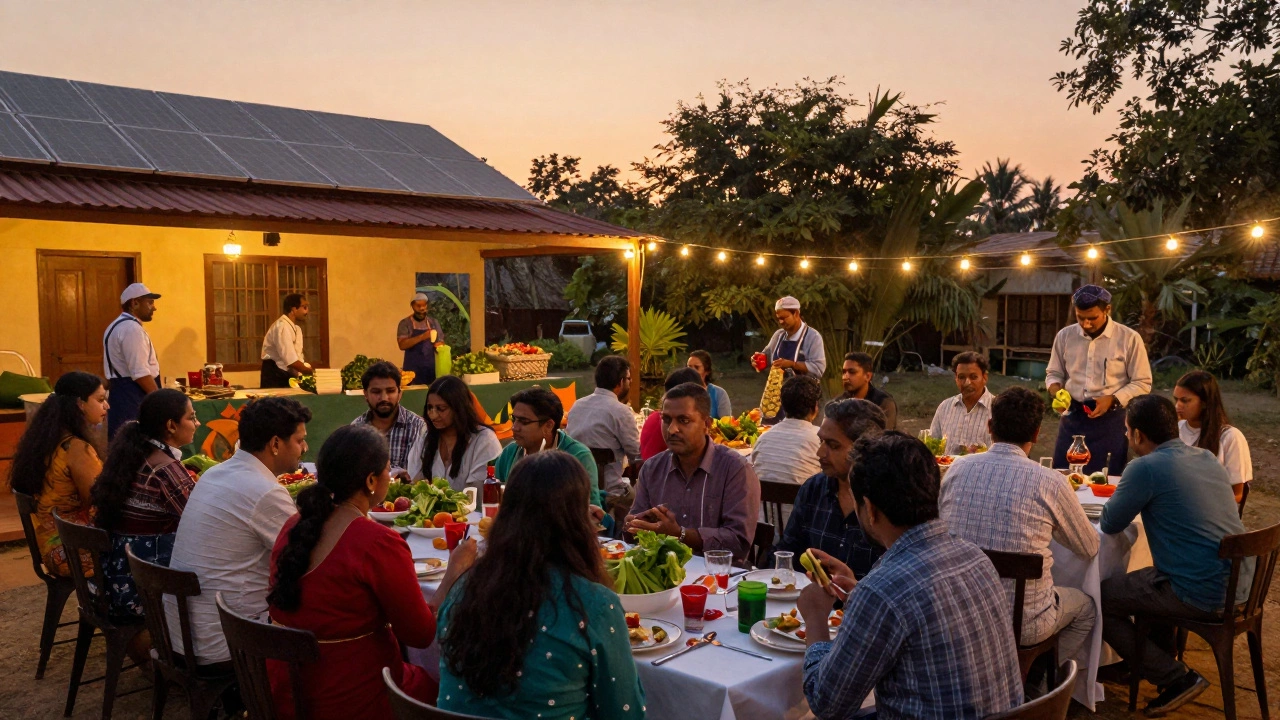
Source food locally. Transporting ingredients across continents generates massive carbon emissions. Partner with nearby farms to supply fresh produce, eggs, and dairy. This supports the local economy and ensures meals are served at peak freshness. Compost all organic waste. Kitchen scraps and garden trimmings can turn into nutrient-rich soil for your restaurant’s herb garden. If composting isn’t feasible, donate excess food to local shelters. Track your waste metrics weekly. What gets measured gets managed.
Creating an Authentic Guest Experience
Sustainability shouldn’t feel like a sacrifice. Guests should perceive eco-friendly practices as part of the luxury, not a limitation. Educate your staff thoroughly. They are the ambassadors of your values. Train them to explain why certain amenities are absent (like plastic toiletries) and highlight the benefits of others (like farm-to-table dining).
Offer experiences that connect guests with nature. Guided bird-watching tours, snorkeling trips that include reef conservation talks, or workshops on traditional crafts using local materials. These activities deepen the travel experience and foster respect for the environment. Be transparent. Share your sustainability goals and progress openly. If you aim for carbon neutrality by 2030, tell guests what steps you’re taking today. Authenticity builds trust, and trust builds loyalty.
| Feature | Traditional Hotel | Eco-Friendly Hotel |
|---|---|---|
| Energy Source | Grid-dependent, fossil fuels | Solar/wind hybrid, battery storage |
| Water Usage | High flow fixtures, imported water | Low flow, greywater recycling, rain harvesting |
| Construction Materials | Concrete, steel, synthetic insulation | Bamboo, rammed earth, reclaimed wood |
| Waste Management | Landfill disposal, single-use plastics | Composting, zero-waste policy, bulk dispensers |
| Food Sourcing | Global supply chain, processed foods | Local farms, seasonal menus, organic options |
Financial Viability and Long-Term Savings
A common myth is that going green costs too much upfront. While initial investments in solar panels or green building materials can be higher, the operational savings are significant. Reduced utility bills, lower maintenance costs for durable natural materials, and decreased waste disposal fees add up quickly. Over five years, an eco-friendly resort often outperforms a traditional one in net profit.
Moreover, eco-conscious travelers are willing to pay a premium. Studies show that millennials and Gen Z guests prioritize sustainability when booking accommodations. By positioning your resort as a leader in green hospitality, you attract a loyal customer base and differentiate yourself in a crowded market. Government incentives, tax credits, and grants for green buildings can also offset initial costs. Check local regulations for subsidies related to renewable energy installation or water conservation technologies.
Common Pitfalls to Avoid
Don’t fall into the trap of "token" sustainability. Planting a few trees isn’t enough if your building leaks heat and wastes water. Ensure your efforts are holistic. Another pitfall is poor communication. If guests don’t understand your practices, they might assume you’re cheap rather than conscientious. Clear signage and staff training are essential. Finally, avoid over-engineering. Simple, effective solutions like proper insulation and natural ventilation often outperform complex, high-tech systems that break down frequently.
Is it expensive to convert an existing hotel to an eco-friendly model?
Conversion costs vary, but many upgrades offer quick returns. Installing LED lighting and smart thermostats has a short payback period due to energy savings. Larger projects like solar panels may take 5-7 years to break even, but government incentives can reduce this timeframe. Retrofitting often costs less than new construction.
What are the best materials for building a sustainable resort?
Locally sourced materials are best because they reduce transport emissions. Bamboo, cork, rammed earth, and reclaimed timber are excellent choices. They are renewable, durable, and have low embodied energy compared to concrete and steel. Always check for certifications like FSC (Forest Stewardship Council) for wood products.
How do I convince guests to participate in sustainability efforts?
Make participation easy and rewarding. Use clear, friendly signage explaining why linens are reused or why plastic is banned. Offer incentives like discounts for guests who opt out of daily housekeeping. Frame these actions as exclusive, eco-luxury experiences rather than restrictions.
Can a small boutique hotel achieve zero waste?
Yes, small hotels often find it easier to implement zero-waste policies than large chains. With fewer rooms and a tighter supply chain, you can control sourcing more effectively. Focus on eliminating single-use plastics, composting kitchen waste, and partnering with local recyclers. Consistency is key.
What certifications should I pursue for my eco-friendly hotel?
Consider LEED (Leadership in Energy and Environmental Design) for building standards, Green Key for operational sustainability, or EarthCheck for comprehensive environmental management. These certifications provide credibility and help attract eco-conscious travelers. Choose one that aligns with your region and specific goals.



About Author

Popular Posts

When is Goa Cheapest? A Month-by-Month Budget Guide