The Oldest Temples in India: Exploring the 5,000-Year-Old Myth and Real Ancient Sites
Ancient Temples Timeline Explorer
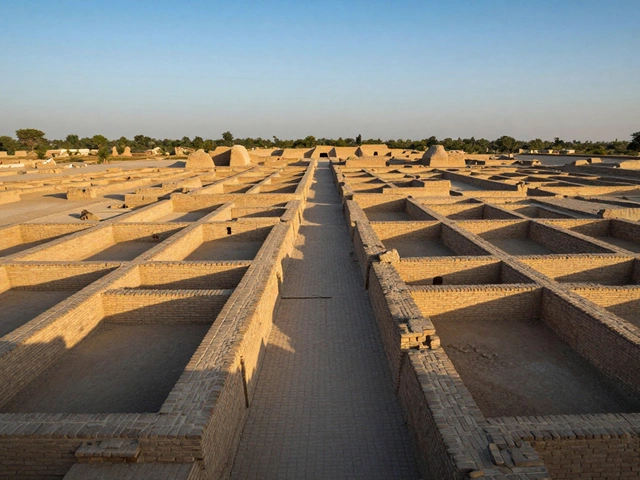
Mohenjo-daro (Great Bath)
Earliest evidence of ritual water use in urban planning from the Indus Valley Civilization.
~5,000 years oldKey Facts Comparison
| Site | Location | Type | Significance |
|---|---|---|---|
| Mohenjo-daro | Pakistan | Ritual Bath | Earliest urban ritual space |
| Dholavira | Gujarat | Civic Ritual | Best-preserved Indus site |
| Sarnath | Uttar Pradesh | Buddhist Stupa | Buddha's first sermon |
| Mahabodhi | Bihar | Buddhist Temple | Enlightenment site |
| Konark | Odisha | Hindu Temple | Medieval architecture peak |
| Adiyogi | Tamil Nadu | Statue | Modern spiritual landmark |
When you search for a 5,000-year-old temple in India, you are likely chasing a viral claim that mixes mythology with history. The short answer is: there is no single stone-built temple in India that is scientifically proven to be 5,000 years old. However, the story behind this question leads us to some of the most fascinating archaeological sites and modern spiritual landmarks in the country.
The confusion often stems from two sources: the recent construction of massive statues claiming ancient lineage, and the misinterpretation of archaeological dates from the Indus Valley Civilization. To truly understand what exists, we need to separate the myth from the verified history. This guide will walk you through the actual oldest religious structures, the sites that claim deep antiquity, and why your travel itinerary should include these specific locations.
The Viral Claim: Adiyogi Shiva Statue
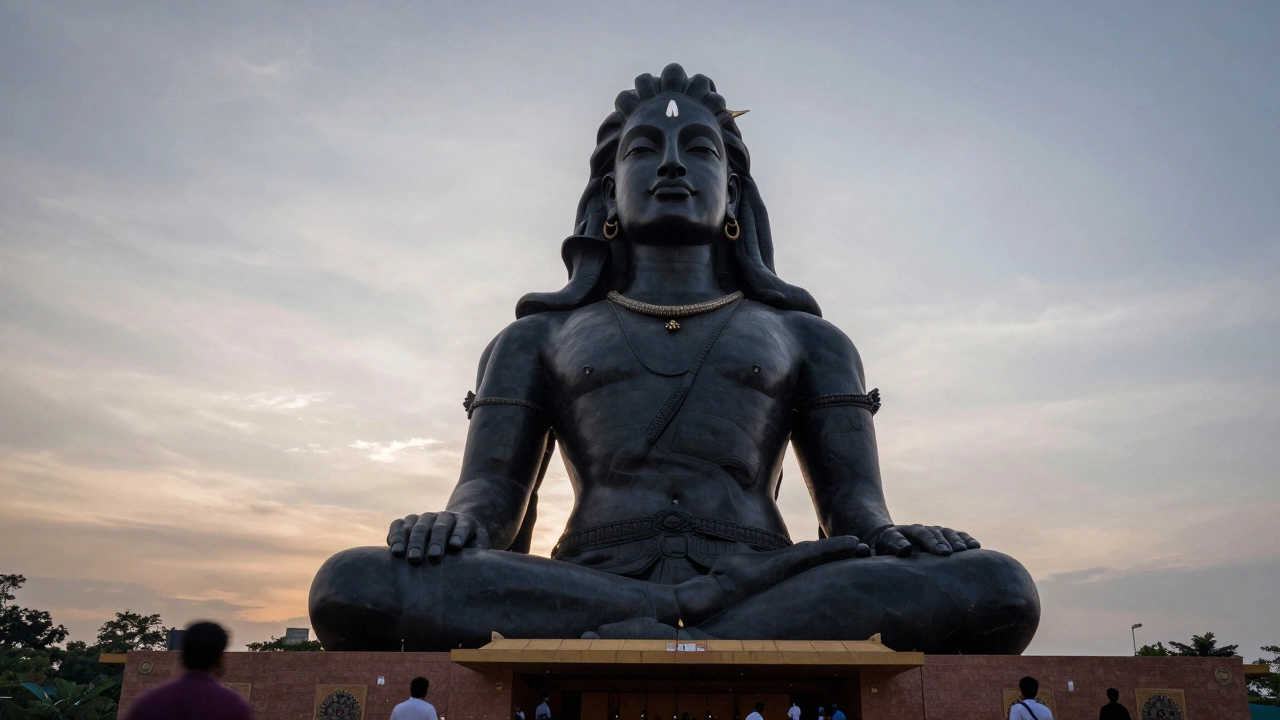
If you have seen social media posts about a "5,000-year-old" structure in India recently, they are almost certainly referring to the Adiyogi Shiva Statue located in Coimbatore, Tamil Nadu. This is not an ancient ruin. It is a brand-new monument completed in 2022 by the Isha Foundation.
The statue stands 34 meters tall and is made of black granite. It represents Shiva as the "first yogi." The controversy-and the source of the "5,000 years" figure-comes from the belief system that Shiva himself began teaching yoga 5,000 years ago. While the spiritual significance is profound for devotees, the physical structure is modern. If you visit Coimbatore, you are seeing contemporary engineering designed to evoke ancient wisdom, not a surviving building from the Bronze Age.
- Age: Completed in 2022 (less than 5 years old).
- Material: Black granite and steel framework.
- Purpose: Spiritual meditation center and tourist landmark.
- Claim: Represents teachings started 5,000 years ago, not a 5,000-year-old building.
The Real Contenders: Archaeologically Verified Ancient Sites
To find true age, we must look at archaeology, not mythology. The earliest evidence of organized religion in the Indian subcontinent comes from the Indus Valley Civilization, which flourished around 3300 BCE to 1300 BCE. That is roughly 5,000 to 4,000 years ago. However, the Indus people did not build "temples" in the way we think of them today. They built great baths and residential complexes where rituals likely took place.
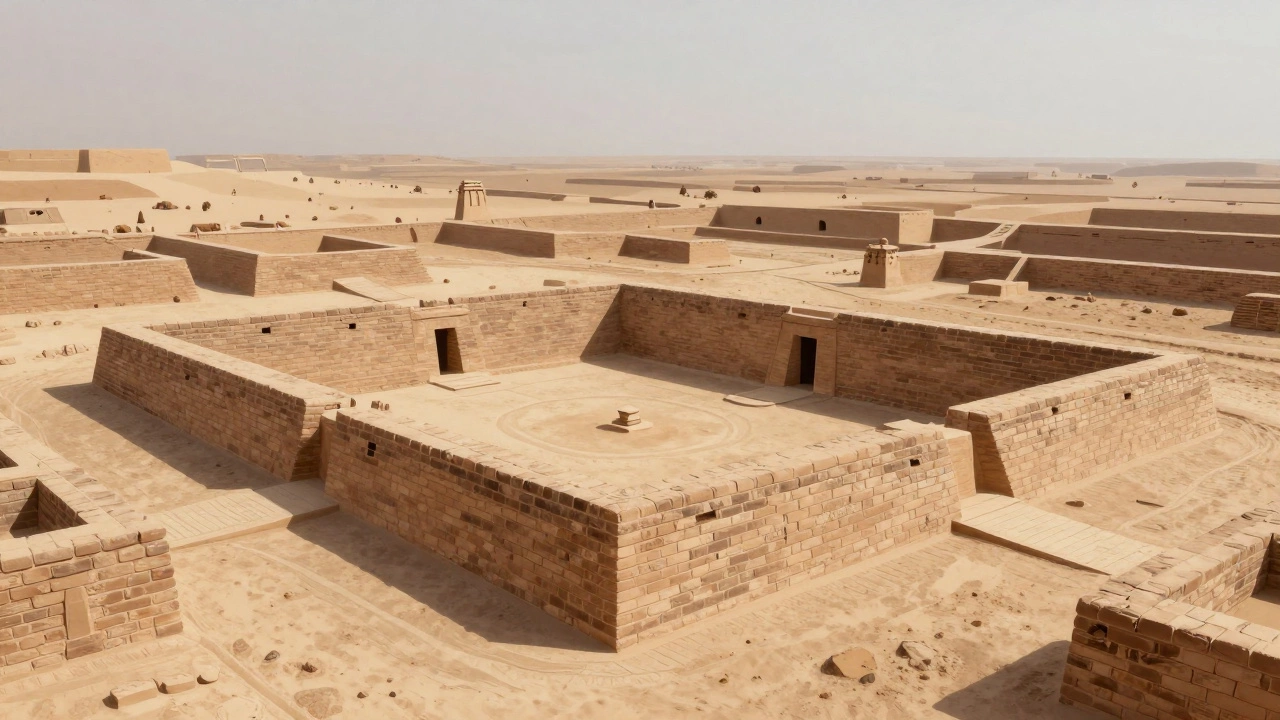
The Great Bath at Mohenjo-daro in Pakistan (part of the broader Indus region) is the closest physical equivalent to a ritual space from that era. In India, the site of Dholavira in Gujarat offers similar insights. These are not temples with idols, but they are the cradle of the spiritual practices that later evolved into Hinduism and Buddhism.
If you are looking for the oldest *structure* dedicated to worship that still has identifiable architectural features, historians point to several key sites that predate the common era or date back to the early centuries CE.
Sarnath: Where Buddhism Began
For many travelers seeking ancient sanctity, Sarnath near Varanasi, Uttar Pradesh is the top choice. This is where Buddha gave his first sermon after achieving enlightenment. The current structures are largely reconstructions from the 5th century CE (Gupta Empire period), but the site itself has been continuously sacred for over 2,500 years.
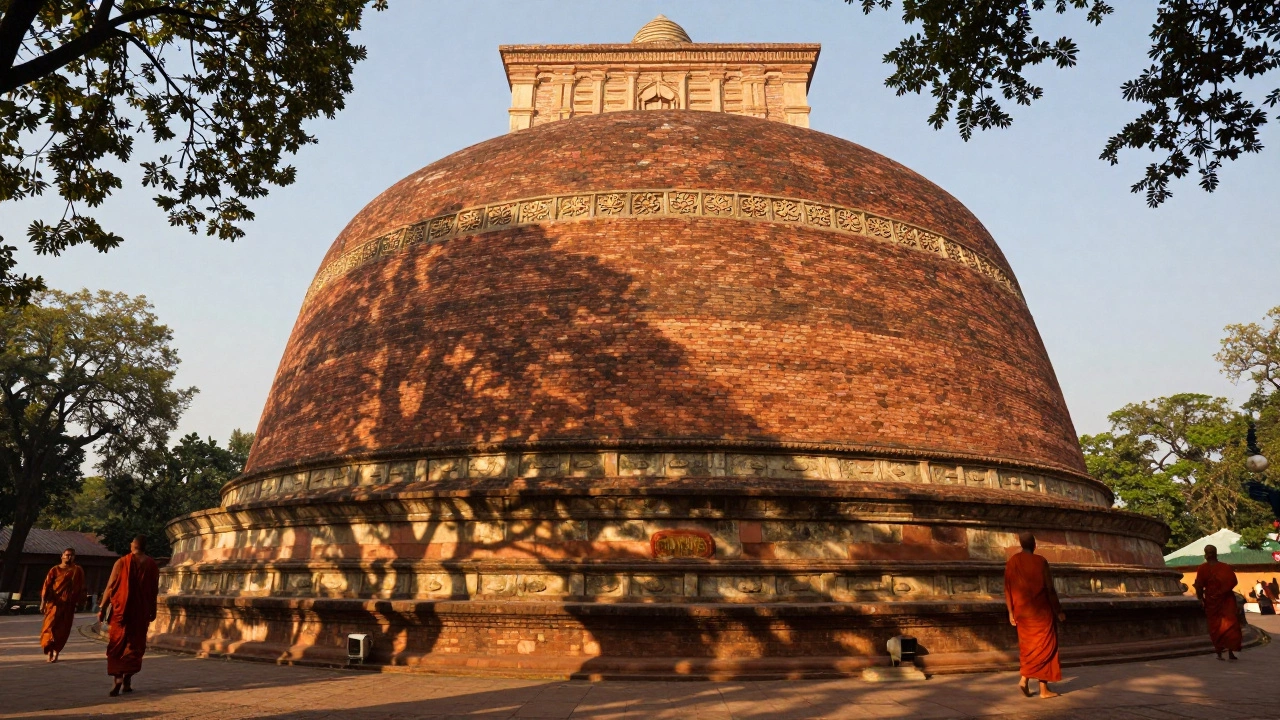
The Dhamek Stupa at Sarnath is a massive cylindrical structure built by Emperor Ashoka’s successor, Kanishka. While not 5,000 years old, it is one of the most significant ancient monuments in Asia. The atmosphere here feels timeless because the location has never stopped being used for prayer. When you walk around the stupa, you are walking on ground that has been trodden by monks for millennia.
Bodh Gaya: The Mahabodhi Temple
Another heavyweight in the "oldest temple" conversation is the Mahabodhi Temple in Bodh Gaya, Bihar. This is the spot under the Bodhi Tree where Siddhartha Gautama became the Buddha. The current brick structure dates back to the Gupta period (5th century CE), but it was built on top of earlier wooden structures. UNESCO recognizes it as a World Heritage Site because of its unbroken chain of Buddhist tradition spanning 2,500 years.
The temple complex includes the Vajrasana (Diamond Throne), which is believed to mark the exact spot of enlightenment. For a traveler interested in ancient continuity, Bodh Gaya offers a deeper sense of historical layering than any single "old" building could provide.
Konark Sun Temple: A Masterpiece of Stone
While not ancient in the 5,000-year sense, the Konark Sun Temple in Odisha deserves mention for its sheer scale and age. Built in the 13th century CE (around 1250 AD), it is over 700 years old. Designed to look like a colossal chariot of the sun god Surya, it showcases the peak of Kalinga architecture. It is much younger than the Indus sites, but it is far more intact and visually striking than the ruins of Mohenjo-daro.
Comparison of Major Ancient Religious Sites
| Site Name | Location | Approximate Age | Type of Structure | Key Historical Significance |
|---|---|---|---|---|
| Mohenjo-daro (Great Bath) | Pakistan (Indus Region) | ~5,000 years (2500 BCE) | Ritual Bath Complex | Earliest evidence of ritual water use in urban planning |
| Dholavira | Gujarat, India | ~4,500 years (2650 BCE) | Water Management/Ritual City | Best-preserved Indus site showing civic ritual spaces |
| Sarnath Dhamek Stupa | Uttar Pradesh, India | ~2,000 years (1st Century CE) | Buddhist Stupa | Site of Buddha's first sermon |
| Mahabodhi Temple | Bihar, India | ~1,500 years (5th Century CE) | Buddhist Temple | Site of Buddha's enlightenment |
| Konark Sun Temple | Odisha, India | ~750 years (13th Century CE) | Hindu Temple | Peak of medieval stone architecture |
| Adiyogi Shiva Statue | Tamil Nadu, India | Modern (2022) | Statue/Monument | Represents ancient yoga origins, not an ancient building |
Why the "5,000 Years" Number Persists
The number 5,000 appears frequently in Indian spiritual discourse because it marks the transition from the Dvapara Yuga to the Kali Yuga in Hindu cosmology. It is also the approximate age of the Indus Valley Civilization. When tourists hear "oldest civilization," they assume "oldest temple." This is a logical leap, but an incorrect one.
Early Indus cities like Harappa and Mohenjo-daro had no grand temples with towering spires (shikharas). Their spirituality was domestic and communal, centered around water purification and household shrines. The concept of the large public temple developed much later, during the Gupta Empire and subsequent dynasties. So, while the *spiritual practice* may be 5,000 years old, the *architecture* is significantly younger.
Planning Your Ancient Temple Tour
If you want to see the real depth of Indian history, do not chase the myth of a 5,000-year-old stone temple. Instead, plan a route that covers the evolution of sacred spaces.
- Start in the North: Visit Varanasi and Sarnath. Walk the ghats of the Ganges, which have been used for bathing and cremation for thousands of years. The continuity here is more powerful than any single building.
- Move East: Travel to Bodh Gaya. Sit under the Bodhi Tree. The temple is old, but the tree and the spot are the true anchors of history.
- Explore the West: Go to Gujarat to see Dholavira. It requires more effort to reach, but it gives you the genuine Bronze Age experience of how ancient Indians lived and worshipped.
- End in the South: Visit Coimbatore to see the Adiyogi. Appreciate the modern artistry and the philosophical message, even if the stone is new.
This approach gives you a comprehensive view of Indian heritage. You see the urban planning of the Indus people, the ascetic simplicity of early Buddhism, and the grandeur of medieval Hindu architecture. Each stop adds a layer to your understanding of what "ancient" really means in the Indian context.
Preservation Challenges
One reason you don't find many structures older than 2,000 years in good condition is climate and material. Much of early Indian architecture was built with wood, which rots away in the humid tropical climate. Stone temples survived better, but they appeared later. Brick structures, like those at Sarnath, lasted longer but required constant repair. This is why the "oldest" buildings are often reconstructions. The spirit remains, even if the bricks are newer.
When visiting these sites, respect the preservation efforts. Do not touch the ancient stones unless permitted. The humidity and pollution in cities like Delhi and Varanasi accelerate decay. Your visit supports the local economy, which helps fund conservation projects.
Is there any temple in India that is actually 5,000 years old?
No. There is no stone-built temple in India that is scientifically dated to 5,000 years ago. The Indus Valley Civilization existed then, but they built ritual baths and houses, not temples. The claim usually refers to the spiritual age of traditions, not the physical age of buildings.
What is the Adiyogi Shiva Statue?
It is a modern statue of Shiva completed in 2022 in Coimbatore, Tamil Nadu. It is made of black granite and stands 34 meters tall. It symbolizes the origin of yoga, which is believed to have started 5,000 years ago, but the statue itself is new.
Where can I see the oldest religious structures in India?
For the oldest physical evidence, visit Dholavira in Gujarat or Mohenjo-daro in Pakistan (Indus Valley sites). For the oldest continuous worship sites, visit Sarnath in Uttar Pradesh and Bodh Gaya in Bihar, which date back over 2,000 years.
Why are there no 5,000-year-old stone temples?
Early Indian civilizations used wood and brick, which do not survive as well as stone in tropical climates. Large stone temple architecture developed later, around the 1st millennium BCE to CE. Additionally, many ancient sites were buried or destroyed over time.
Is the Mahabodhi Temple original?
The current brick structure of the Mahabodhi Temple dates to the 5th century CE. However, it was built on top of earlier wooden structures that marked the spot of Buddha's enlightenment. The site has been sacred for over 2,500 years.
Which is older: Konark Sun Temple or Sarnath?
Sarnath is older. The Dhamek Stupa at Sarnath dates back to the 1st century CE or earlier. The Konark Sun Temple was built in the 13th century CE, making it about 1,200 years younger than the structures at Sarnath.
Can I visit Dholavira?
Yes, Dholavira is a UNESCO World Heritage Site open to tourists. It is located in the Rann of Kutch in Gujarat. Access can be challenging due to its remote location, but it offers a unique glimpse into the Indus Valley Civilization.


About Author