Which Culture Is Rich in India? Discover the Heartbeat of Its Heritage Sites
Indian Cultural Heritage Comparison Tool
This tool helps you compare authentic Indian cultural heritage sites based on key criteria. Select up to 3 sites to see their unique cultural characteristics side by side.
Varanasi
Sacred city where spirituality meets daily life
Khajuraho
Temple complex with ancient stone carvings
Jaipur
Living craft traditions of Rajasthan
Chettinad
Ancestral palaces with active family traditions
Orchha
Historic site with continuous living traditions
Cultural Comparison
| Cultural Authenticity | |||||
|---|---|---|---|---|---|
| Living Traditions | |||||
| Visitor Experience | |||||
| Best Time to Visit | Winter months | October-March | October-February | November-February | October-February |
India doesn’t have one culture-it has dozens, layered over thousands of years, shaped by empires, invasions, trade routes, and local villages that never stopped doing things their own way. When people ask, "Which culture is rich in India?" they’re really asking: Where do you feel the deepest pulse of history, art, and daily life still alive today? The answer isn’t a single place. It’s in the stone carvings of Khajuraho, the echoing chants of Varanasi, the vibrant silk weavers of Kanchipuram, and the desert folk songs of Rajasthan. These aren’t museum pieces. They’re living traditions.
Varanasi: Where Death and Devotion Intertwine
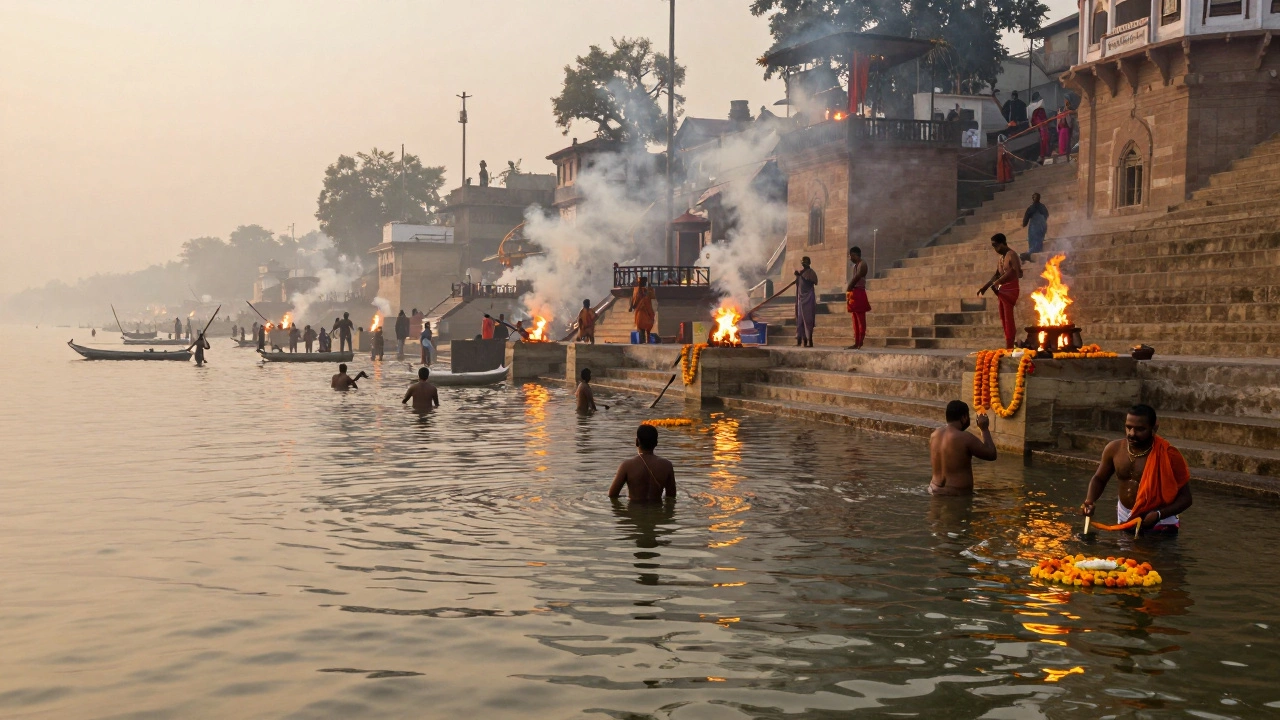
Walk along the ghats of Varanasi at sunrise, and you’ll see something no other city on Earth does: hundreds of people bathing in the Ganges while funeral pyres burn nearby. This isn’t morbid-it’s sacred. In Hindu belief, dying in Varanasi means breaking the cycle of rebirth. The city has been a center of spiritual practice for over 3,000 years. Priests chant Vedic hymns in Sanskrit that haven’t changed in centuries. Temples like Kashi Vishwanath draw millions each year, not because they’re grand, but because they feel ancient in a way you can’t fake. The narrow lanes smell of incense, marigolds, and diesel. A 90-year-old pandit still recites the same prayers his grandfather did. That’s not tourism. That’s continuity.
Khajuraho: Art That Defied Time
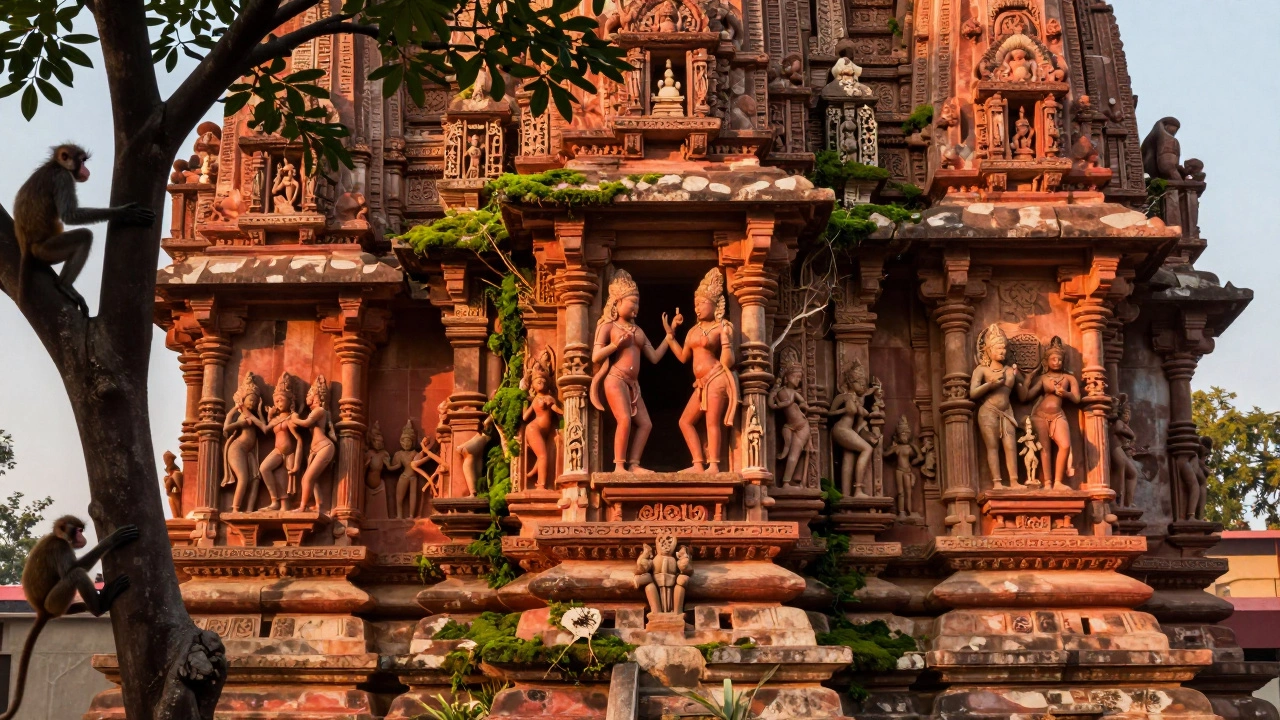
Two hundred kilometers from Varanasi, hidden in the forests of Madhya Pradesh, are the temples of Khajuraho. Built between 950 and 1050 AD by the Chandela dynasty, these aren’t just religious sites-they’re open-air museums of human emotion. The carvings show dancers, warriors, gods, and yes, intimate scenes. But they’re not erotic for shock value. They reflect a worldview where pleasure, spirituality, and daily life were never separate. A woman adjusting her sari, a couple sharing fruit, a monkey climbing a tree-all carved with the same care as a deity. UNESCO calls them a masterpiece. Locals call them home. The sandstone still glows red in the afternoon sun. No restoration team has ever replaced a single carving. They preserve what’s there, not fix what’s broken.
Jaipur and the Living Craft of Rajasthan
Jaipur, the Pink City, wasn’t built to impress tourists. It was built in 1727 by Maharaja Jai Singh II as a planned capital, with wide streets, observatories, and markets designed for trade. Today, the same bazaars still buzz. In Johari Bazaar, goldsmiths hammer filigree using tools unchanged since the Mughal era. In Sireh Deori, block printers dye cotton with natural indigo and pomegranate rind. A 12-year-old girl learning the craft from her grandmother doesn’t know she’s keeping alive a 500-year-old technique. The colors fade slowly, but the patterns? They’re still exact. Walk into any haveli turned boutique hotel, and you’ll see hand-painted ceilings, jharokhas with carved latticework, and mirrors embedded with tiny glass pieces-all made by hands that never learned to use a machine.
Chettinad: The Forgotten Palaces of Tamil Nadu
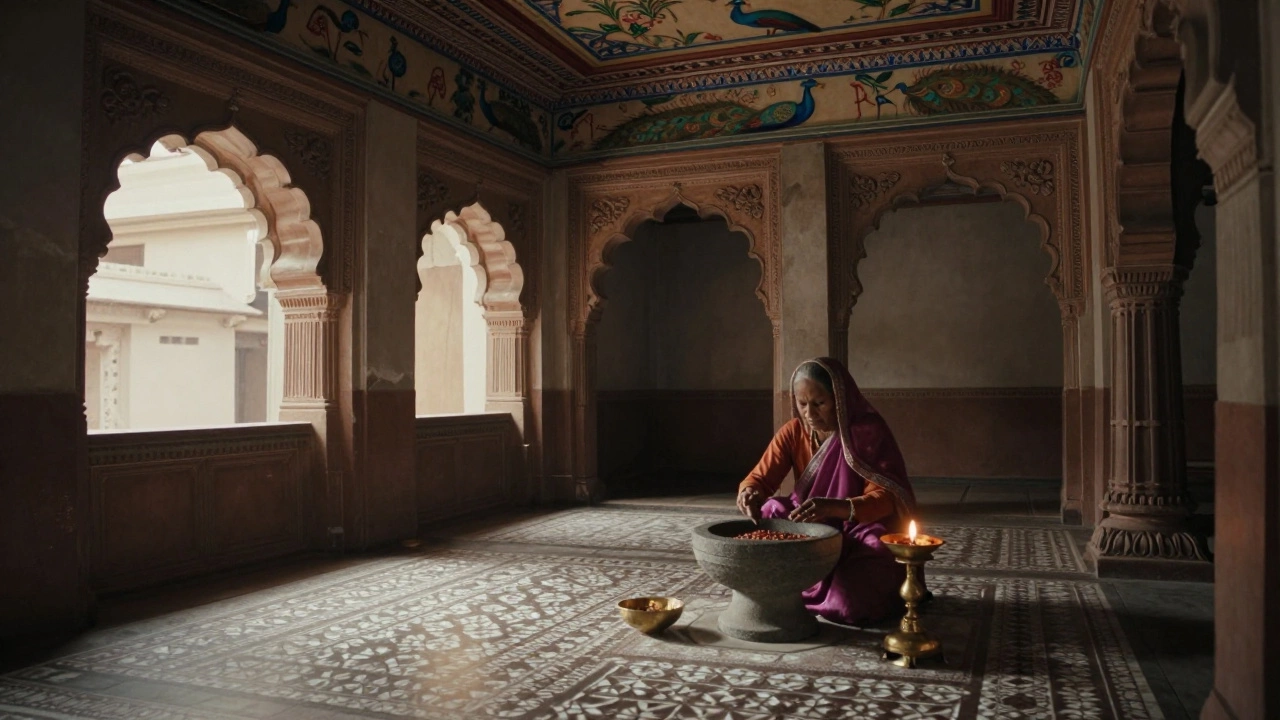
Most travelers skip Chettinad, but those who do miss one of India’s most unique cultural pockets. This region in southern Tamil Nadu was home to the Chettiar community-bankers and traders who built grand mansions in the 1800s using materials shipped from across Asia: Burmese teak, Belgian glass, Italian marble. Inside, you’ll find ceilings painted with peacocks, floors inlaid with mother-of-pearl, and kitchens that still cook with wood fires. The families who live there now don’t open their homes for tours. They live in them. You might hear a widow singing a 200-year-old lullaby while grinding spices. Or a man repairing a brass lamp with the same solder his great-grandfather used. The culture here isn’t performative. It’s quiet, stubborn, and deeply personal.
Orchha: Time Stopped in the 16th Century
On the banks of the Betwa River, Orchha feels like a dream. The palace, temples, and cenotaphs were built between 1501 and 1635 by the Bundela rulers. No one ever fully finished them. The ceilings still have unfinished murals. The steps to the Ram Raja Temple are cracked but still used. Locals leave offerings of milk and flowers at the same spots their ancestors did. The temple is unusual-it’s a palace turned into a temple because the king believed his god, Lord Rama, was a guest, not a statue. So the deity sleeps in a bed, eats meals served on silver plates, and is tucked in at night. No tourist can enter the inner chamber. Only the temple priest can. That’s not a show. That’s belief.
Why These Places Matter More Than Just Photos
It’s easy to think heritage is about monuments. But in India, heritage is about people. The woman in Varanasi who sells marigold garlands every morning at 5 a.m. doesn’t know she’s part of a 4,000-year-old ritual. The weaver in Kanchipuram who spends 18 hours on one sari doesn’t call it art-he calls it his duty. The carpenter in Chettinad who repairs a 200-year-old door with the same chisel his father used? He doesn’t see himself as a keeper of culture. He just sees himself as doing his job.
That’s why visiting these places isn’t like going to the Louvre. You don’t just look. You listen. You smell. You sit on the steps and watch. You don’t need to understand every prayer, every symbol, every stitch. You just need to be present. The real richness isn’t in the gold leaf or the carved pillars. It’s in the fact that none of this was ever meant to be preserved. It was meant to be lived.
What You Won’t Find in Guidebooks
Most guidebooks list the top 10 heritage sites. They don’t tell you about the temple in Madurai where the priest still uses a wooden spoon to stir the ritual porridge. Or the village in Odisha where children learn classical dance by mimicking the movements of peacocks. Or the family in Srinagar who still hand-carves walnut wood for doors, using the same patterns from 1720.
These aren’t tourist attractions. They’re acts of resistance. In a world rushing toward digital screens and fast fashion, these people choose to keep their hands busy, their voices loud, their traditions alive. They don’t do it for Instagram. They do it because it’s who they are.
How to Visit Without Breaking It
If you want to see this richness without harming it, follow three rules:
- Don’t touch the carvings. Even a fingerprint can damage centuries-old stone over time.
- Buy directly from artisans. Avoid plastic souvenirs from roadside stalls. Look for cooperatives with names like "Chettinad Handloom Trust" or "Varanasi Weavers Collective."
- Ask before taking photos. In some temples, photography is forbidden. In others, locals will smile and pose-but only if you ask with respect, not demand.
Stay in heritage homestays. Not luxury hotels with fake "Indian decor." Real homes where you eat with the family, sleep under handwoven quilts, and hear stories from the kitchen. You’ll pay more, but you’re not paying for a room. You’re paying to keep the tradition alive.
What Happens If We Lose This?
Some heritage sites are crumbling. The sandstone at Khajuraho is eroding from acid rain. The silk weavers in Kanchipuram have only 300 masters left under age 50. In Chettinad, many havelis sit empty because younger generations move to cities for jobs.
But here’s the truth: Culture doesn’t die because buildings fall. It dies when people stop believing it matters. When a grandmother stops teaching her granddaughter how to tie a traditional knot. When a boy decides printing on a screen is easier than carving wood. When tourists come, take selfies, and leave without learning a single name.
India’s culture isn’t rich because of its history. It’s rich because it still breathes.
Is there one single culture in India?
No. India has over 2,000 distinct cultural groups, speaking more than 19,500 languages and dialects. What’s called "Indian culture" is actually a mosaic of regional traditions-each with its own food, dress, festivals, and beliefs. The richness comes from this diversity, not from a single unified identity.
Which heritage site in India is the most authentic?
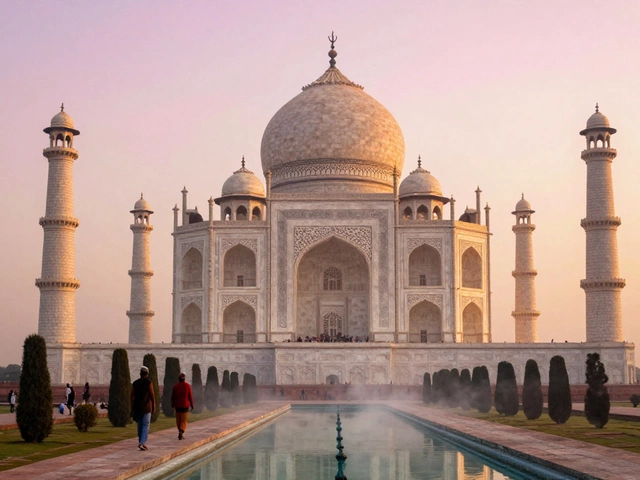
Authenticity isn’t about popularity. Sites like Orchha or Chettinad may not be as famous as the Taj Mahal, but they’re more authentic because daily life still revolves around them. The Taj is a monument. Orchha is a home. In Chettinad, people still cook in ancestral kitchens. In Varanasi, priests still chant the same hymns from 3,000 years ago. These places aren’t frozen in time-they’re alive with people who live the culture every day.
Are Indian heritage sites safe to visit?
Yes, most are very safe. Cities like Jaipur, Varanasi, and Orchha have low crime rates and welcoming locals. The bigger risk is cultural insensitivity-not physical danger. Avoid touching carvings, dress modestly near temples, and never take photos where signs say "No Photography." Respect is the best safety measure.
Can I learn a traditional craft during my visit?
Yes, if you seek out the right places. In Kanchipuram, some silk weavers offer half-day workshops. In Jaipur, block printing studios let visitors try their hand at stamping fabric. In Chettinad, homestays sometimes include cooking classes using traditional spice blends. These aren’t staged performances-they’re real lessons from people who’ve done this their whole lives. Book ahead and pay fairly. You’re not buying a souvenir. You’re supporting a skill.
Why do some heritage sites look worn out?
Because India chooses preservation over restoration. Unlike in Europe, where ruins are often rebuilt to look "new," India often leaves them as they are. Cracked steps, faded paint, moss on stone-these aren’t signs of neglect. They’re signs of respect. The goal isn’t to make it look perfect. It’s to let history stay visible. That’s why you’ll see a 500-year-old door with a modern lock on it. The old stays. The new is added gently.
Next Steps: Where to Go After This
If this sparked your curiosity, plan your next trip around a single tradition, not a single site. Spend a week in Kanchipuram learning about silk. Or go to Srinagar and follow the walnut woodcarvers. Visit a village during a local festival-like the Pongal harvest celebration in Tamil Nadu or the Hornbill Festival in Nagaland. Don’t rush. Stay longer. Eat the food. Sit quietly. Let the culture find you. That’s how you’ll understand why India’s heritage isn’t just rich. It’s unbreakable.
About Author