How Much Does a Coke Cost in India? A Budget Guide to Drinks
India Beverage Budget Estimator
You might think asking the price of a soda is trivial, but when you're planning a trip to a place as vast as India, these small costs add up. If you're used to paying $3 or $4 for a drink in a cafe in Sydney or New York, you're in for a surprise. In India, a cold drink isn't just a treat; it's a survival tool against the humid heat of Mumbai or the dry blast of Rajasthan. But the price varies wildly depending on whether you're at a roadside stall or a fancy hotel in Delhi.
Quick Price Snapshot
- Roadside Kirana Store: ₹40 - ₹50 (Approx. $0.60 - $0.75 USD)
- Quick Service Restaurant (QSR): ₹60 - ₹90 (Approx. $0.90 - $1.35 USD)
- Tourist Cafes/Hotels: ₹120 - ₹250 (Approx. $1.80 - $3.75 USD)
- Airport/High-end Lounges: ₹200+ (Approx. $3.00+ USD)
The Reality of Beverage Pricing in India
To understand the Coke price in India, you first have to understand the Indian Rupee the official currency of India, denoted by the symbol ₹. The pricing system for soft drinks is highly standardized across the country, but the venue determines the markup. Most local shops follow the Maximum Retail Price, or MRP, which is printed directly on the bottle.
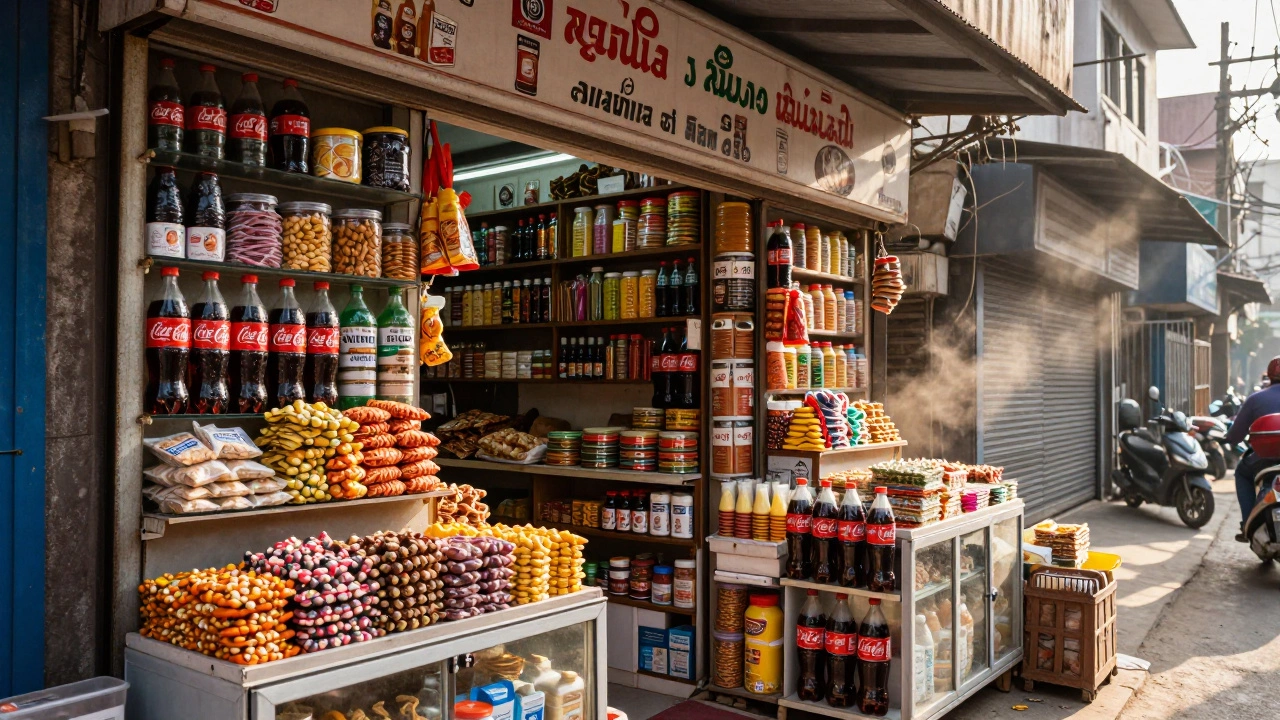
If you walk into a Kirana Store small, family-run neighborhood convenience stores common across Indian cities, you'll pay exactly what is on the label. For a standard 250ml or 300ml plastic bottle, this is usually around ₹40. It's a fair, transparent system that prevents tourists from being overcharged in residential areas.
Where the Price Changes: Context is Everything
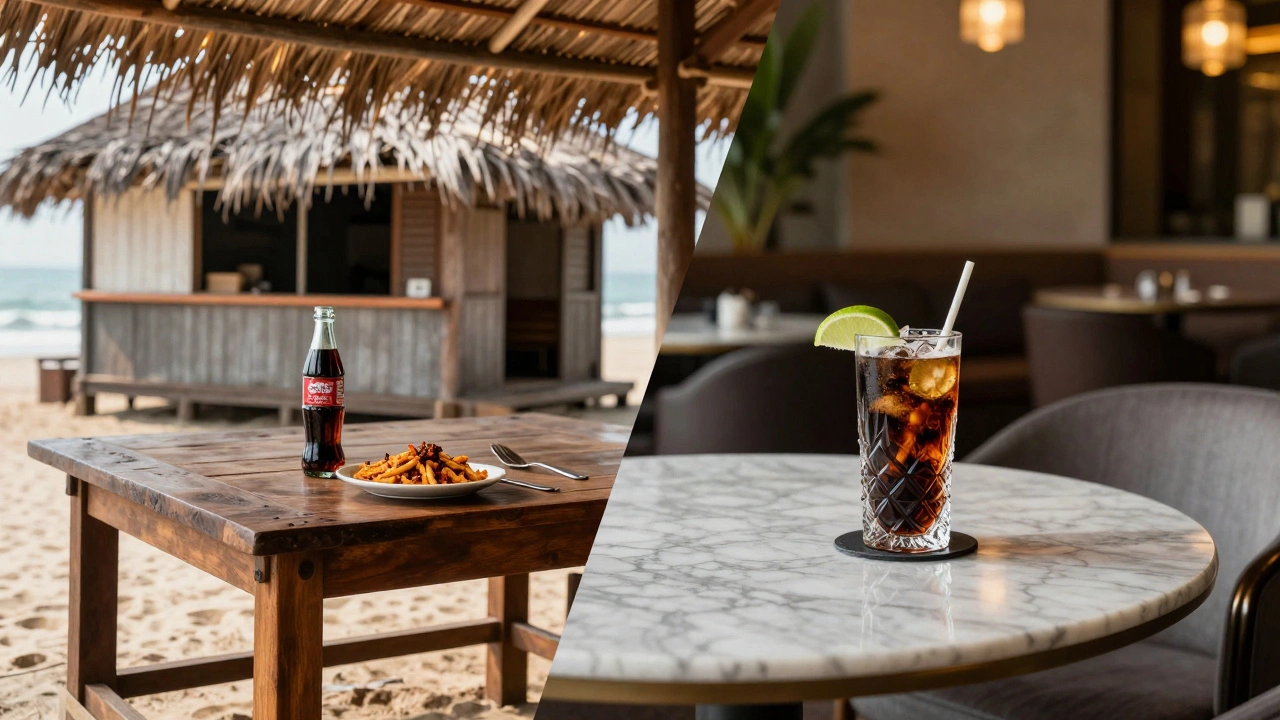
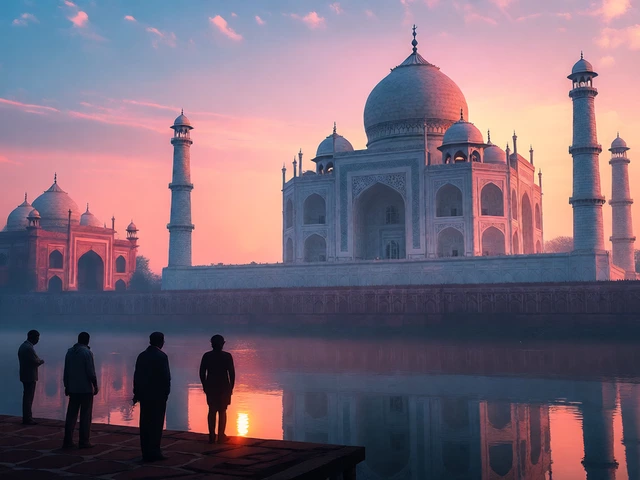
Now, things get tricky when you move away from the neighborhood shops. If you're sitting in a tourist-heavy area like the Taj Mahal the iconic white marble mausoleum in Agra, India complex or a beach shack in Goa, the MRP often disappears. Restaurants add a "service charge" or simply list the drink on their menu at double or triple the store price.
In a mid-range cafe, you might see a Coke listed for ₹100. They aren't just selling you the liquid; they're selling you the air conditioning and the chair. If you're on a strict budget, the move is always to buy your drinks from a store and carry them with you in a backpack.
| Venue Type | Average Price (INR) | Estimated USD | Price Logic |
|---|---|---|---|
| Local Kirana Store | ₹40 - ₹50 | $0.60 - $0.75 | Strictly MRP |
| Street Food Stall | ₹50 - ₹70 | $0.75 - $1.05 | Small Markup |
| Fast Food Chain | ₹80 - ₹120 | $1.20 - $1.80 | Menu Pricing |
| Luxury Hotel/Resort | ₹200 - ₹400 | $3.00 - $6.00 | Premium Pricing |
Comparing Coca-Cola to Local Alternatives
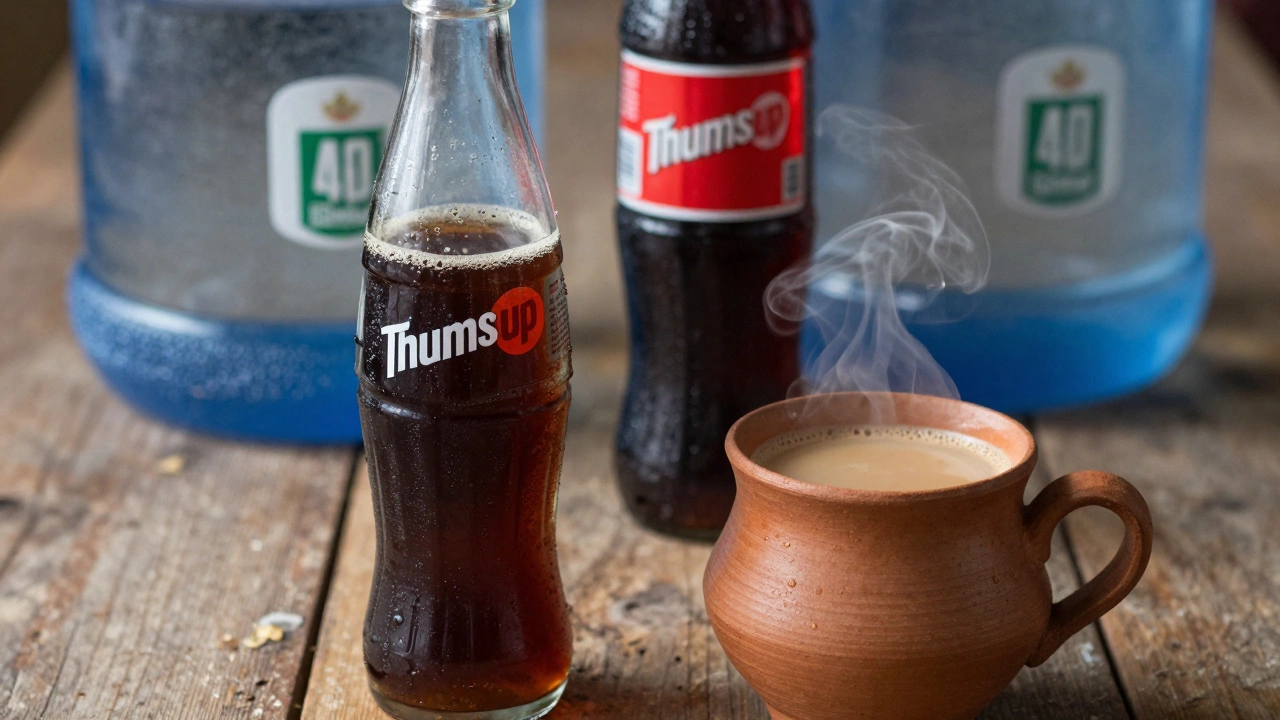
While Coca-Cola a global beverage corporation and its flagship cola drink is available everywhere, it's worth looking at the competition. PepsiCo a major food and beverage company competing with Coke in the Indian market is equally prevalent, and the prices are usually identical. If you want something truly local, try Thums Up a strong, carbonated cola brand specifically tailored for the Indian palate. It's owned by Coke but has a spicier, more carbonated kick that locals love.
For those trying to save every penny, the real "budget" drink isn't a soda at all. It's Masala Chai Indian tea brewed with milk and spices like ginger and cardamom. A cup of chai from a roadside vendor costs about ₹10 to ₹20 ($0.15 to $0.30). It's the most common drink in the country and significantly cheaper than any bottled soda.
Budget Travel Tips for Staying Hydrated
Drinking a Coke is easy, but drinking water is where budget travelers often make mistakes. Never drink tap water in India. You'll see Bisleri one of India's most trusted brands of bottled mineral water bottles everywhere. Like Coke, these follow the MRP. A 1-liter bottle is usually around ₹20.
If you're staying for a while, don't keep buying single bottles. Buy a 5-liter or 10-liter jar from a supermarket. It reduces the price per liter by nearly 40% and cuts down on the plastic waste that clogs up cities like Delhi and Bangalore.
Hidden Costs and Scams to Watch Out For
Is it possible to get scammed over a Coke? In most cities, not really, because of the MRP. However, in high-traffic tourist zones, some vendors might tell you the "MRP has increased" or "this is a special chilled version." Don't fall for it. Check the printed price on the bottle. If they try to charge more than the MRP in a retail store, it's actually illegal under Indian consumer laws, though most tourists don't bother arguing over an extra ₹20.
Another thing to consider is the "Combo Deal." In places like McDonald's India the Indian franchise of the global fast-food chain, getting a meal with a drink is often more cost-effective than buying a Coke separately. But remember, these calories add up quickly when you're walking 10km a day through ruins and markets.
Is it safe to drink bottled Coke in India?
Yes, bottled Coca-Cola is safe. Since it is carbonated and sealed, it doesn't carry the same risks as open water or ice. Just ensure the seal is intact before you open it.
What is MRP and why does it matter?
MRP stands for Maximum Retail Price. It is the highest price a retailer can legally charge for a product. If you see ₹45 printed on your Coke bottle, that is the maximum you should pay at a store.
Are there cheaper alternatives to Coke?
Yes, local juices, Nimbu Pani (lemonade), and Masala Chai are significantly cheaper. A glass of Nimbu Pani at a street stall might cost ₹20-30, which is cheaper and more refreshing than a soda.
Does the price of Coke vary between North and South India?
Generally, no. Because of the national distribution network of Coca-Cola, the MRP remains very consistent across different states, from Kerala in the south to Punjab in the north.
Can I pay for drinks with a card or UPI?
In bigger stores and cafes, yes. However, at small Kirana stores, you'll need cash or a UPI app (like Google Pay or PhonePe), which is the dominant payment method in India. International travelers may find UPI tricky without a local bank account, so keep small cash notes (₹10, ₹20, ₹50) handy.
Next Steps for Budget Travelers
If you've got your beverage costs figured out, the next step is tackling your food budget. Look into "Thalis"-complete platters that provide a balanced meal for a fraction of the cost of a la carte dining. Also, consider downloading a currency converter app to quickly translate MRP figures into your home currency so you can track your spending in real-time.
For those heading to rural areas, remember that pricing is even more relaxed. You might find that local vendors are more open to negotiation, though this rarely applies to branded products like Coke. Your best bet remains sticking to the MRP and carrying a reusable bottle and a filter to save even more on water.
About Author

Popular Posts
What is Goa Famous For? Beyond the Beaches