India Trip Budget Guide: How Much to Save for Your Journey
India Trip Budget Estimator
Estimated Total
Daily Breakdown:
Planning a trip to India often feels like trying to solve a puzzle where the pieces keep changing. One person tells you that you can survive on 20 dollars a day, while another says they spent 500 dollars a night at a palace hotel in Udaipur. The truth is, India is one of the few places on earth where you can truly choose your own price point. Whether you're backpacking through the Himalayas or hopping between boutique cafes in South Mumbai, your total cost depends entirely on your 'comfort threshold'.
Quick Budget Breakdown
- Shoestring Budget: $30 - $50 per day (Hostels, street food, public transport).
- Mid-Range Budget: $60 - $120 per day (Boutique guesthouses, mix of rickshaws and flights, sit-down meals).
- Luxury Budget: $250+ per day (5-star resorts, private drivers, fine dining).
The Core Cost Pillars
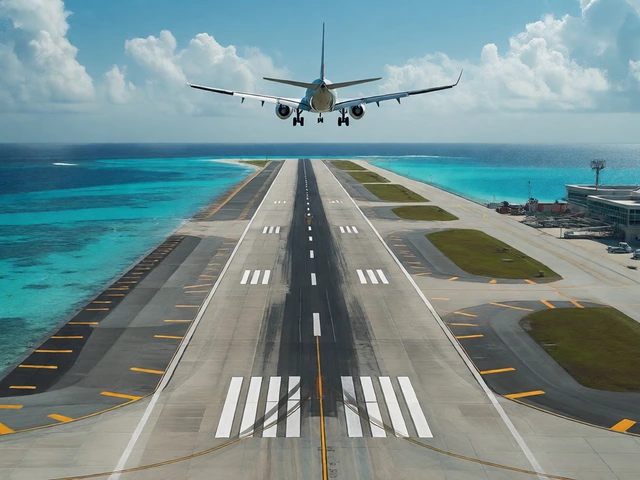
To figure out your savings goal, you need to look at the four big buckets of spending. First, there's the flight. Depending on where you're flying from, this is usually your biggest upfront hit. For example, flights from Australia or Europe can swing wildly based on the season, often costing between $800 and $1,500. Once you land, the cost of living drops significantly, but the way you move and eat will dictate your daily burn rate.
Next is accommodation. In India, Hostels is a budget-friendly lodging option providing dormitory beds and common areas, widely popular in cities like Delhi and Jaipur. You can find a clean dorm bed for as little as $7 to $12. If you prefer a private room in a guesthouse, expect to pay $20 to $40. If you're aiming for the high end, Taj Hotels is a luxury hotel chain known for its opulent palaces and world-class service, where rooms can easily exceed $400 per night.
Then we have food. This is where most travelers save the most money. Street food is a way of life here. A plate of Poha or a Vada Pav will cost you less than a dollar. However, if you have a sensitive stomach and stick to "tourist-friendly" cafes, your food budget will triple. A decent meal at a mid-range restaurant usually lands between $5 and $15.
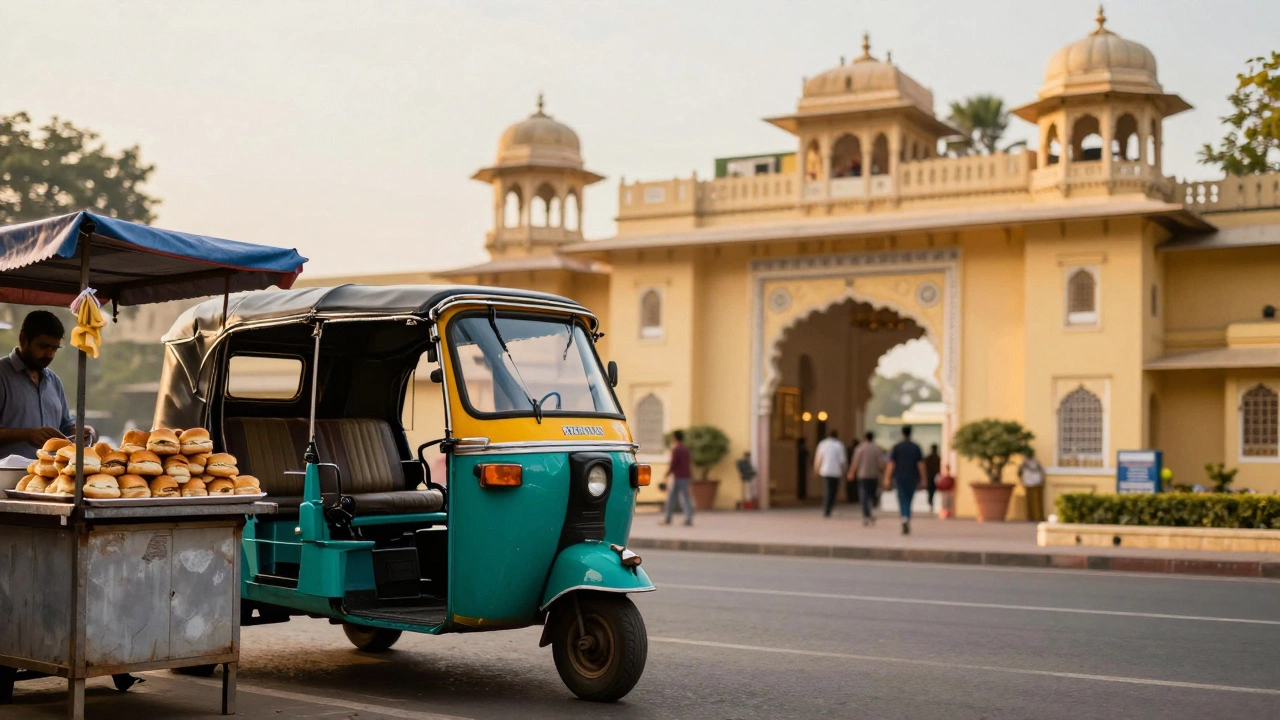
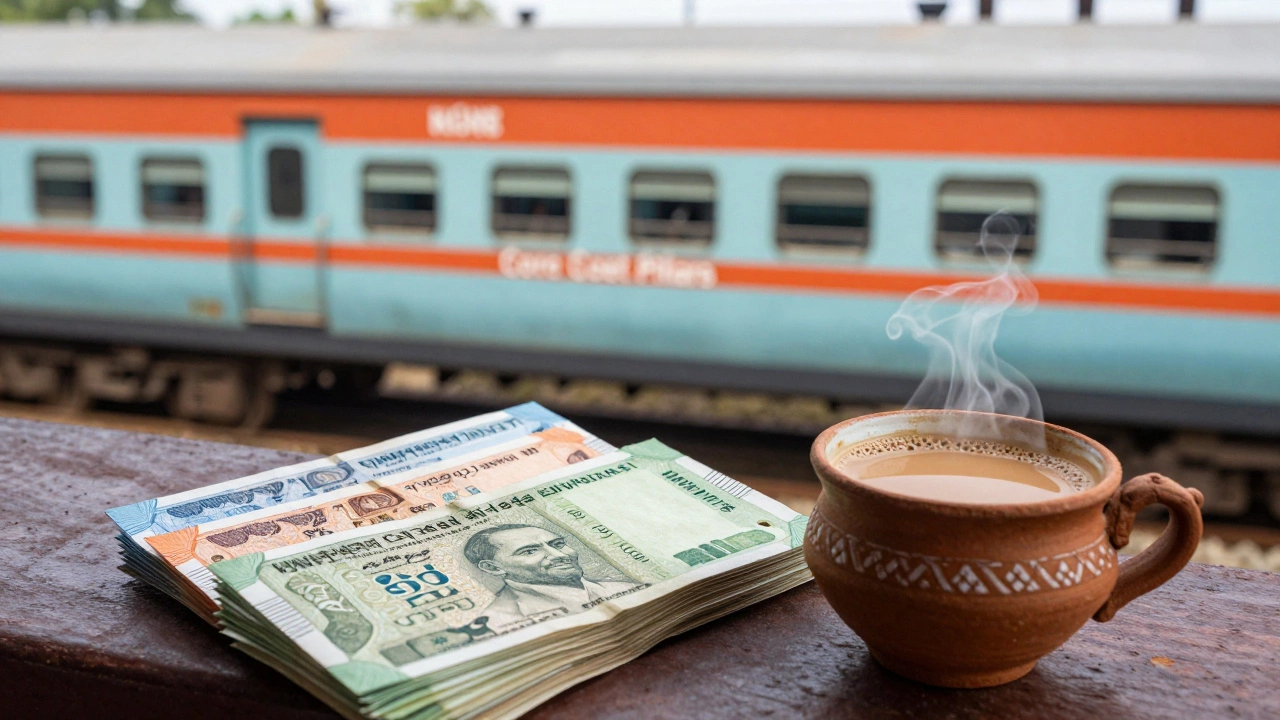
Finally, there's transport. Indian Railways is the national rail system of India, one of the largest networks in the world, offering various classes of travel from Sleeper to First AC. Taking a train is the most authentic way to see the country. A long-distance Sleeper class ticket might cost $10, while a 2AC (Second AC) ticket for more comfort might be $25. For shorter city hops, the Auto Rickshaw is a three-wheeled motorized vehicle used for short-distance urban transport, usually costing between $1 and $5 per trip depending on your bargaining skills.
Regional Price Variations
You can't apply the same budget to the whole country. The "Golden Triangle" (Delhi, Agra, Jaipur) tends to be slightly more expensive because of the heavy tourist concentration. In these areas, you'll find more aggressive pricing for tours and entrance fees. For instance, visiting the Taj Mahal requires a specific entry ticket for foreigners that is significantly higher than the domestic rate.
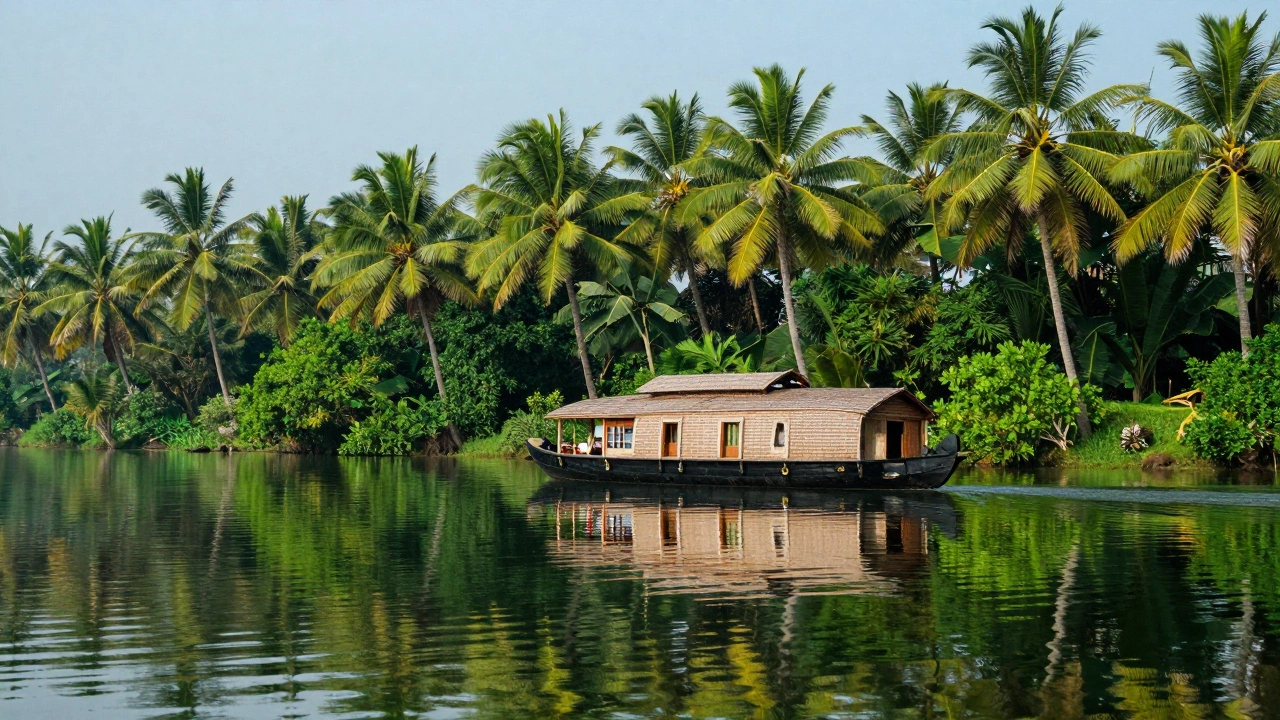
In contrast, traveling through Kerala is a state on the southwestern coast of India known for its backwaters, rainforests, and Ayurvedic treatments, where costs can vary. While hostels are available, many people spend more here on houseboat rentals or Ayurvedic massages, which can add $50 to $100 to your daily spend.
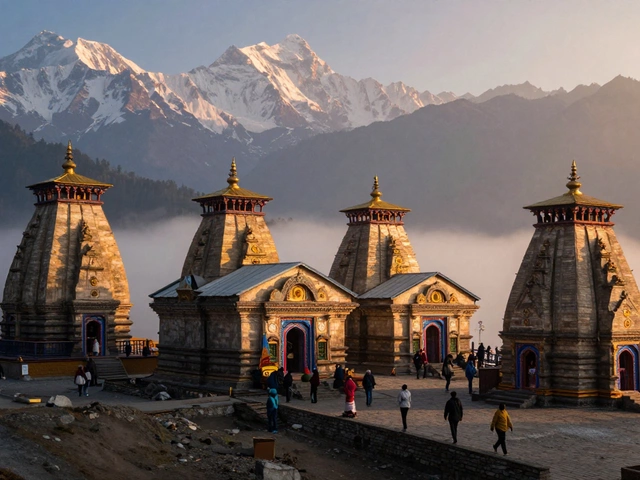
If you head to the mountains, like Leh or Manali, your costs might increase due to the need for permits or specialized transport. In Ladakh, for example, hiring a private 4x4 is often the only way to reach remote monasteries, and these drivers charge a premium due to the difficult terrain.
| Expense | Budget (Backpacker) | Mid-Range | Luxury |
|---|---|---|---|
| Accommodation | $10 | $35 | $300+ |
| Food & Drink | $10 | $25 | $80 |
| Local Transport | $5 | $15 | $60 (Private Car) |
| Activities/Sights | $5 | $20 | $50 |
| Total Daily | $30 | $95 | $490+ |
The Hidden Costs You'll Forget
It's the little things that eat your budget. For example, SIM cards. Getting a Airtel or Jio SIM card is cheap, but the data packages can add up if you're uploading high-res videos daily. Then there's the "Tourist Tax"-not an official tax, but the inflated price locals often quote to foreigners. If you don't negotiate, you'll pay 3x the actual price for a shawl or a rickshaw ride.
Water is another constant expense. You cannot drink tap water in India. Buying bottled water is the norm, but if you're staying a month, these $1 bottles add up. Many budget travelers now carry a filtered water bottle to save money and reduce plastic waste.
Visas are also an upfront cost. Depending on your nationality, an e-Visa can cost anywhere from $25 to $160. Don't forget to factor this into your "pre-trip" savings, along with travel insurance. Given the likelihood of stomach bugs (the famous "Delhi Belly"), a comprehensive health policy is non-negotiable.
Practical Tips to Stretch Your Rupee
If you want to keep your budget travel India costs low, lean into the local experience. Eat where the locals eat-if a street stall has a long queue of Indian office workers, the food is likely fresh and safe. Avoid the "tourist cafes" right next to the major monuments; walk two blocks away, and the price of a coffee drops by half.
Use apps for transport. Uber and Ola are widely available in major cities. Using these prevents the stressful negotiation process and gives you a transparent price before you even step into the car. For long distances, book your trains well in advance via the IRCTC website, as the best classes sell out weeks before the journey date.
Another pro tip: travel in the shoulder season. Visiting in October or March avoids the extreme heat of May and the chaos of the monsoon rains in July. Prices for hotels often drop during these windows, and you'll find it easier to negotiate rates with local guesthouses.
Suggested Savings Goals by Trip Length
Assuming you've already paid for your flights, here is what you should aim to save based on your style:
- 2 Weeks (Budget): Save $500 - $700. This covers basic hostels, street food, and trains.
- 2 Weeks (Mid-Range): Save $1,200 - $1,800. This allows for nice hotels, some domestic flights, and a few guided tours.
- 1 Month (Budget): Save $1,200 - $1,500. The longer you stay, the more you can average down your costs.
- 1 Month (Mid-Range): Save $2,500 - $3,500. This ensures you can experience the variety of India without stressing over every rupee.
Is India expensive for tourists?
Generally, no. For most international travelers, India is very affordable. The cost of food and local transport is significantly lower than in Western countries. However, high-end luxury experiences can be as expensive as anywhere else in the world.
How much should I tip in India?
Tipping is common but not mandatory. In restaurants, a 10% tip is appreciated. For rickshaw drivers or guides, small amounts like 50 to 100 rupees are standard for a job well done. Always carry small change, as drivers rarely have coins to give back.
Can I use credit cards everywhere?
In big cities and hotels, yes. But for street food, markets, and rickshaws, cash is king. You will need Indian Rupees (INR) for about 70% of your daily interactions. Using an ATM is the easiest way to get cash, though be aware of some bank fees.
Are domestic flights expensive?
Low-cost carriers like IndiGo make domestic travel quite cheap. A flight from Delhi to Mumbai can often cost between $40 and $80 if booked a few weeks in advance. It's a great way to save time compared to 20-hour train journeys.
What is the cheapest time of year to visit?
The monsoon season (June to September) is typically the cheapest time to visit, as demand drops. However, travel can be difficult due to floods and rain. The best "budget-friendly but comfortable" window is usually late February to early April.
Next Steps for Your Planning
Once you've set your savings goal, start by tracking your daily spending for a week at home to see where you can cut back. Use a dedicated savings account specifically for the trip. If you're traveling on a tight budget, consider joining travel forums to find current "real-time" prices for hostels and trains, as these can shift based on festivals and holidays like Diwali.
If you find yourself over budget, prioritize your "must-see" cities and cut out the rest. It's better to experience three cities deeply than to rush through ten and spend all your money on transport. Finally, check your passport validity; if you need to renew it, add that cost to your pre-trip expenses.


About Author