Why Pune Is Called the Europe of India: A Traveler’s Guide
Pune Travel Itinerary Builder
Select your interests below to generate a tailored day-by-day plan for visiting the "Europe of India".
Your Personalized Pune Plan
You’ve probably heard the nickname tossed around in travel blogs or overheard it in casual conversation. "The Europe of India." It sounds like a poetic exaggeration until you actually stand on the streets of Pune is a vibrant city in Maharashtra known for its educational institutions, IT industry, and colonial heritage.. The air feels different here-cooler, crisper, carrying the scent of wet earth and old stone rather than the dry heat typical of much of the subcontinent. This isn’t just about weather; it’s about an atmosphere that blends history, culture, and a laid-back lifestyle reminiscent of European cities.
If you are looking to understand why this specific title sticks, you need to look beyond the surface. It’s not because there are castles or cobblestone streets everywhere (though there are some charming pockets). It’s about the vibe. It’s about how people live, work, and play. For travelers, especially those interested in adventure sports India has to offer, Pune serves as the perfect gateway. It balances intellectual curiosity with physical activity, making it a unique destination in South Asia.
The Colonial Architecture That Sets the Tone
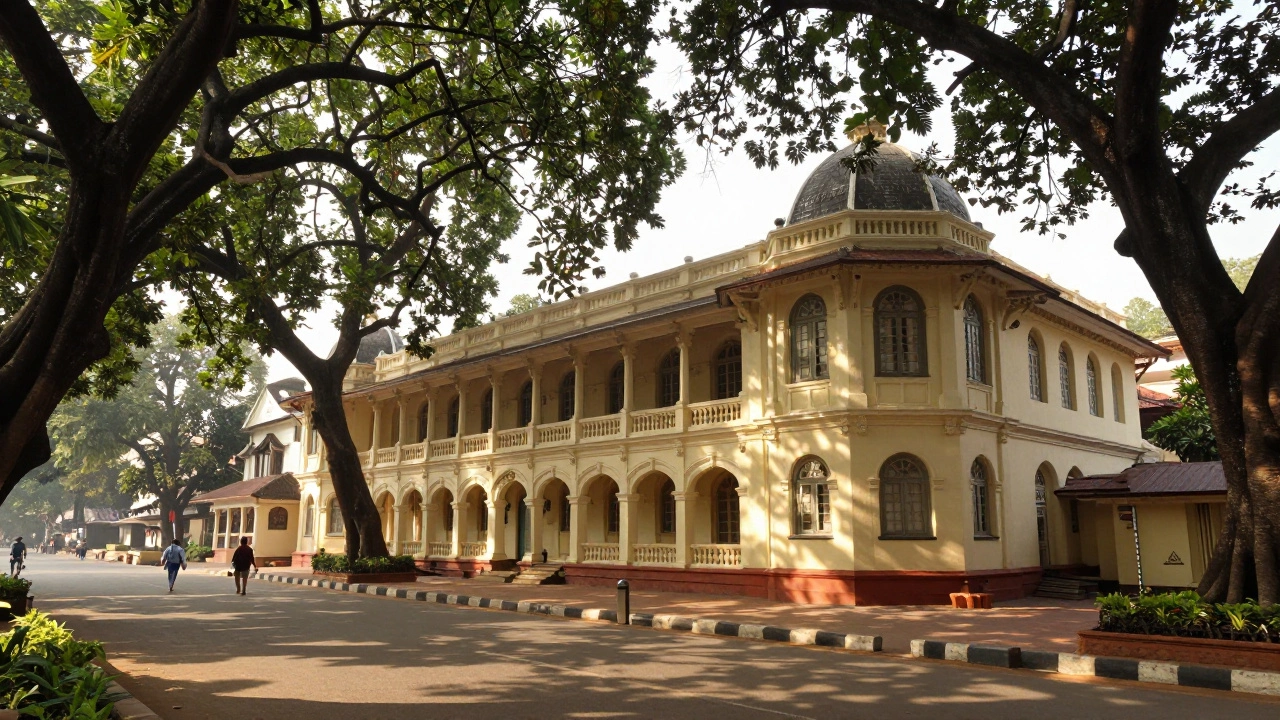
The most visible reason for the nickname lies in the architecture. During the British Raj, Pune was a significant administrative and military hub. Unlike Delhi, which was built as a planned capital later on, Pune evolved organically under British influence while retaining its Maratha roots. Walk through the areas near Shaniwar Wada is a historic palace complex in Pune that served as the seat of the Peshwas of the Maratha Empire., and you’ll see grand structures with high ceilings, large windows, and verandas designed to combat the heat-a style directly imported from Victorian England but adapted for the Indian climate.
Buildings like the Deccan Gymkhana is a historic social club in Pune established in 1878 by British officers. and various churches such as St. Mary’s Cathedral showcase Gothic and Indo-Saracenic styles. These aren’t replicas; they are authentic pieces of history that have been preserved and integrated into daily life. You can grab coffee in a café housed in a century-old building, surrounded by banyan trees that provide natural shade. This blend of old-world charm and modern convenience creates a sense of timelessness often associated with European capitals.
Climate: The Cool Retreat
Let’s talk about temperature, because it plays a huge role in perception. Most of India experiences extreme heat, especially during the summer months. Pune, situated at an elevation of approximately 560 meters (1,837 feet) above sea level, enjoys a moderate climate year-round. Summers are pleasant, rarely exceeding 35°C (95°F), and winters are cool, sometimes dipping to 10°C (50°F).
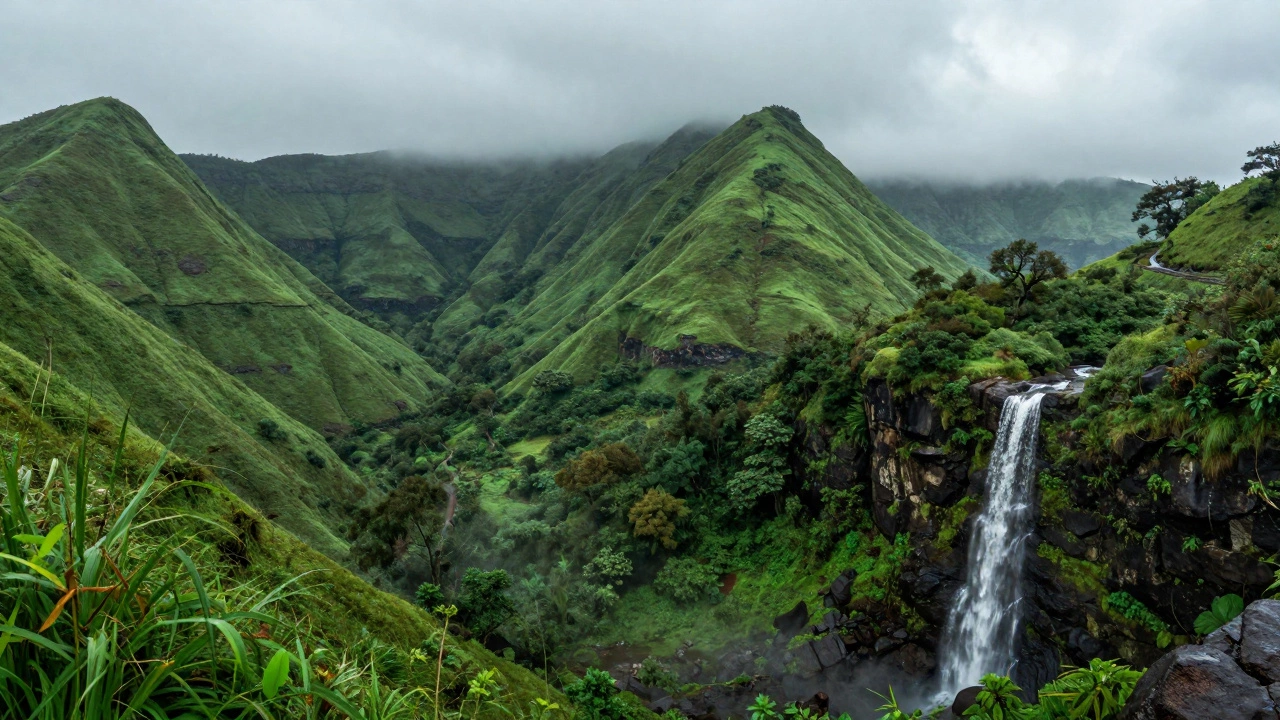
This mild weather allows for outdoor activities throughout the day. In many other Indian cities, you might find yourself indoors during peak afternoon hours due to the sun. Here, you can stroll through parks, visit historical sites, or even go hiking without feeling overwhelmed by the heat. The monsoon season brings lush greenery to the surrounding hills, transforming the landscape into something that looks straight out of a postcard from the Swiss Alps or the English countryside. This climatic comfort contributes significantly to the relaxed pace of life that residents and visitors alike appreciate.
Culture and Education: The Intellectual Hub
Pune is often referred to as the "Oxford of the East" due to its numerous educational institutions. But this academic focus extends beyond just universities. It fosters a culture of debate, arts, and innovation. The city is home to theaters, art galleries, and music festivals that rival those found in larger metropolitan areas. The presence of students and professionals creates a dynamic environment where ideas are exchanged freely.
Unlike Mumbai, which is fast-paced and corporate-driven, Pune has a more community-oriented feel. People take pride in their local traditions while embracing global influences. You’ll find classical music concerts happening alongside rock bands playing in underground venues. This cultural diversity mirrors the eclectic mix seen in cities like Berlin or Paris, where tradition and modernity coexist seamlessly. The food scene also reflects this blend, offering everything from traditional Maharashtrian cuisine to international dishes prepared with local ingredients.
Nature and Adventure: Beyond the City Limits
One of the biggest draws for tourists today is the proximity to nature. Pune is surrounded by hills and forests, making it an ideal base for exploring the Western Ghats. If you’re interested in adventure sports India, this region offers some of the best opportunities in the country. Just a short drive away, you can find waterfalls, trekking trails, and camping spots.
Consider places like Sinhagad Fort is a hill fort located 35 km southwest of Pune, famous for its historical significance and panoramic views.. Trekking up to Sinhagad is not just a physical challenge but a journey through history. The fort played a crucial role in the Maratha Empire and offers breathtaking views of the surrounding landscape. Similarly, Malshejar Ghat is a mountain pass in the Western Ghats known for bird watching and waterfall visits during the monsoon. is a paradise for birdwatchers and nature lovers. During the rains, the area transforms into a green haven, attracting migratory birds from across the globe.
For thrill-seekers, the nearby river valleys offer rafting and kayaking experiences. The Mula-Mutha River is a river system flowing through Pune, popular for boating and fishing activities. provides calm waters suitable for beginners, while faster currents further upstream cater to experienced adventurers. This accessibility to diverse outdoor activities makes Pune a standout destination compared to other major Indian cities.
Lifestyle and Community Vibe
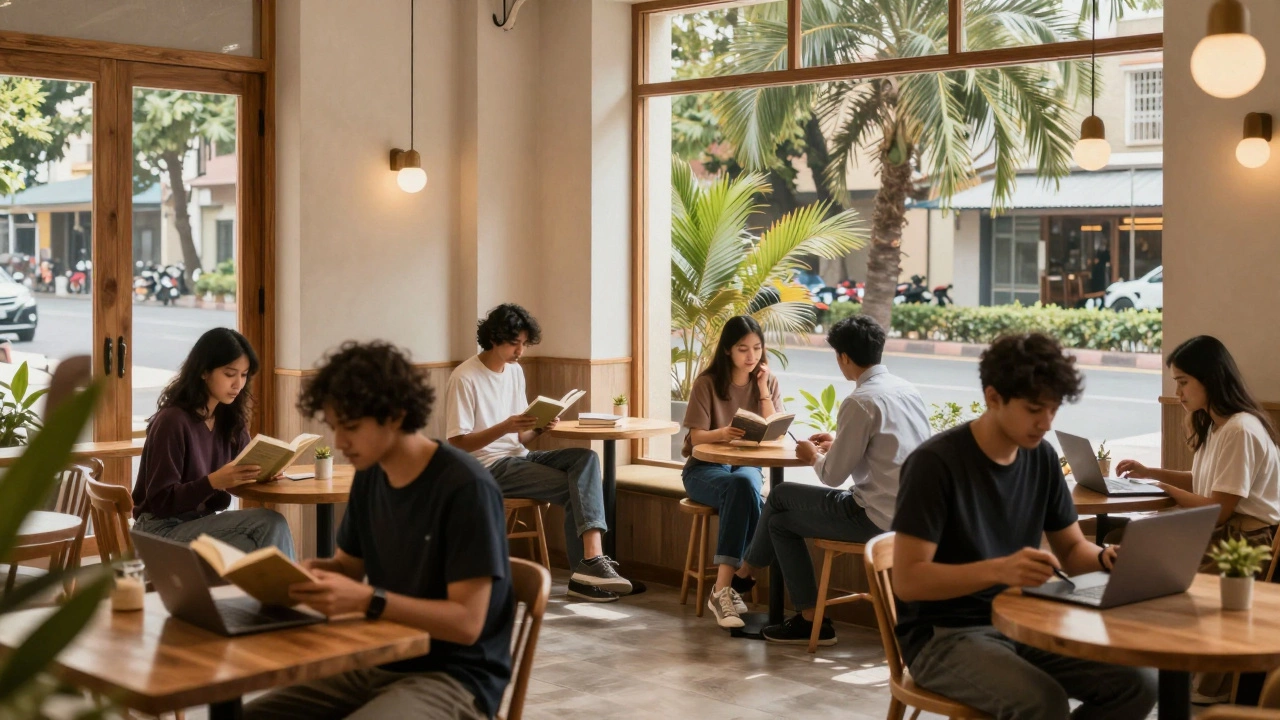
The way people live in Pune adds another layer to the "Europe of India" comparison. There’s a strong emphasis on work-life balance. Cafés are filled with people reading books, working on laptops, or simply chatting with friends. Parks are well-maintained and used by families for picnics and exercise. The city encourages walking and cycling, with several initiatives aimed at improving pedestrian infrastructure.
This lifestyle is reflected in the local markets and neighborhoods. Areas like Koregaon Park and Kothrud have become hubs for expatriates and young professionals who appreciate the cosmopolitan yet intimate feel of the city. Restaurants serve wine and cheese pairings, bakeries offer fresh croissants, and bookstores host literary events. It’s a microcosm of global living, rooted in Indian hospitality.
| Feature | Pune | Mumbai | Delhi |
|---|---|---|---|
| Average Summer Temp | 30-35°C | 32-38°C | 35-45°C |
| Primary Industry | IT & Education | Finance & Entertainment | Government & Commerce |
| Proximity to Nature | High (Hills/Waterfalls) | Low (Coastal) | Medium (National Parks) |
| Cultural Pace | Relaxed | Fast | Chaotic |
Getting Around and Practical Tips
Navigating Pune is relatively easy compared to larger metros. The city has a growing metro network, along with buses and auto-rickshaws. For tourists, renting a car or using ride-sharing apps is convenient. Traffic can be heavy during peak hours, so planning your outings accordingly helps avoid frustration.
When visiting, try to spend at least three days to fully experience the city. Dedicate one day to historical sites, another to exploring neighborhoods and cafes, and a third for day trips to nearby forts or waterfalls. Don’t forget to sample local delicacies like Misal Pav and Puran Poli. Engaging with locals will give you deeper insights into the city’s character and help you discover hidden gems.
Is Pune safe for solo female travelers?
Yes, Pune is generally considered safe for solo female travelers. The city has a educated population and a culture that respects personal space. However, as with any place, it’s wise to stay aware of your surroundings, especially at night, and use reputable transportation services.
What is the best time to visit Pune?
The best time to visit Pune is between October and March when the weather is cool and pleasant. Monsoon season (June to September) is also beautiful if you enjoy rain and green landscapes, but some outdoor activities may be limited.
Can I do adventure sports in Pune itself?
While Pune city doesn’t have extreme adventure options within its limits, it serves as a base for nearby activities. You can find indoor skydiving centers, rock climbing gyms, and organize day trips for trekking, rafting, and paragliding in surrounding areas.
How does Pune compare to Goa for tourism?
Goa is known for beaches and nightlife, while Pune offers a mix of culture, history, and nature. If you prefer relaxation by the sea, choose Goa. If you want a blend of urban exploration, learning, and outdoor adventures, Pune is the better choice.
Are there good shopping options in Pune?
Yes, Pune has a variety of shopping destinations ranging from traditional markets like Mundia Market for textiles and spices to modern malls like Phoenix Marketcity. Artisans’ markets also offer unique handmade crafts and jewelry.
About Author

Popular Posts