Which Beach in India Has the Clearest Water? Top Picks for Crystal Blue Seas
Crystal Clear Beach Finder
Why this fits you:
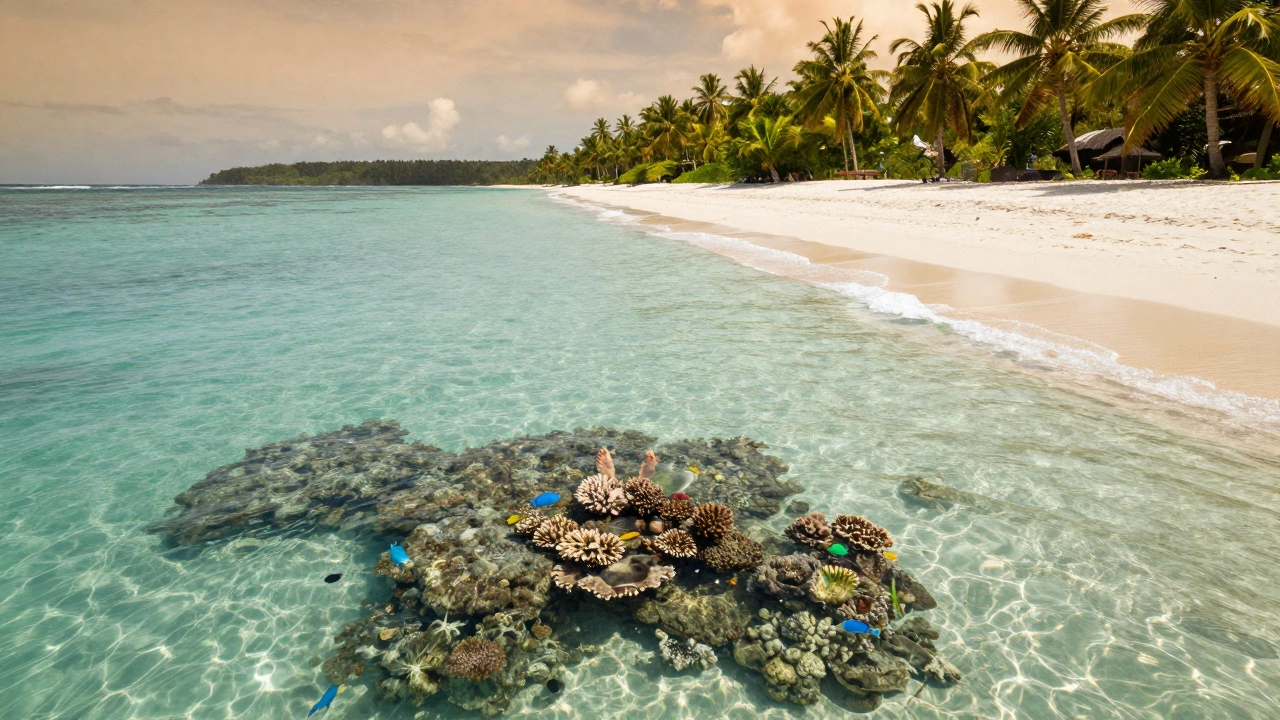
Imagine standing on a shore where the sand is so white it glows under the sun, and the water isn't just blue-it’s transparent. You can see your own feet from waist-deep, spotting coral reefs and tropical fish without even dipping your head underwater. If you’re chasing that specific kind of magic, you’ve probably asked yourself: which beach in India has the clearest water?
The honest answer might surprise you. The mainland beaches of Goa or Kerala are stunning, vibrant, and full of life, but they rarely offer glass-like transparency. To find truly crystal-clear waters in India, you need to look beyond the coast and head to the island groups scattered across the Bay of Bengal and the Arabian Sea. Specifically, Andaman and Nicobar Islands and Lakshadweep hold the crown for water clarity.
Why Mainland India Doesn’t Make the Cut
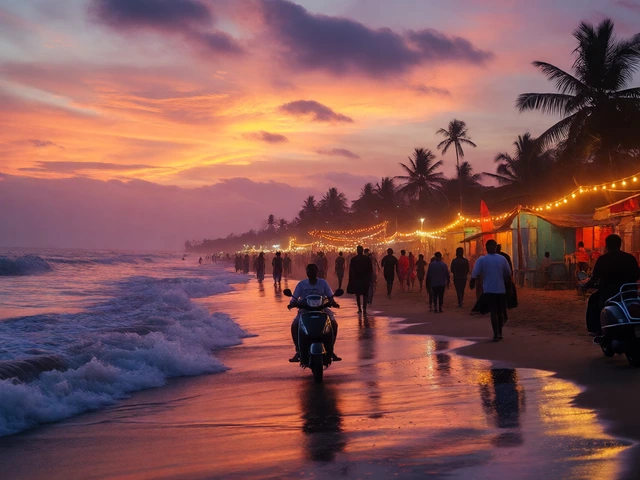
Before we jump into the islands, let’s address why places like Baga Beach in Goa or Kovalam in Kerala don’t make this list. It’s not about pollution; it’s about geography. Mainland beaches sit at the mouth of major rivers like the Krishna, Godavari, and Kaveri. These rivers carry sediment-sand, silt, and clay-from the hinterlands straight into the sea. This creates a natural turbidity that keeps the water greenish-brown rather than azure.
Additionally, high tides and strong monsoon currents churn up the seabed near the coast. While these beaches are fantastic for surfing, sunset parties, and long walks, they lack the stillness required for light to penetrate deep into the water column. For clarity, you need isolation, shallow lagoons, and minimal runoff. That’s exactly what the Indian archipelagos provide.
The Undisputed Champion: Andaman and Nicobar Islands
If you have to pick one destination for the clearest water in India, it’s the Andaman and Nicobar Islands. Located in the Bay of Bengal, this union territory consists of over 500 islands, most of which are uninhabited. The result? A pristine marine ecosystem with zero industrial runoff and very little agricultural discharge.
Havelock Island, now officially known as Swaraj Dweep, is home to Radhanagar Beach. Often voted one of Asia’s best beaches, Radhanagar offers water so clear that visibility often exceeds 30 meters. The coral reefs here act as natural filters, breaking down organic matter while providing a habitat for colorful marine life. When you snorkel here, it feels less like swimming and more like floating in an aquarium.
Another contender within the same group is Neil Island, specifically Laxmanpur Beach. Because Neil Island is smaller and less developed than Havelock, the impact of human activity is negligible. The water here is calm, warm, and incredibly transparent, making it perfect for beginners who want to explore the reef without fighting waves.
| Beach / Location | Island Group | Water Clarity Rating | Best For |
|---|---|---|---|
| Radhanagar Beach | Havelock Island (Swaraj Dweep) | Exceptional (30m+ visibility) | Snorkeling, Photography, Sunset Views |
| Agatti Beach | Lakshadweep | Exceptional (Calm Lagoons) | Diving, Relaxation, Accessibility |
| Laxmanpur Beach | Neil Island | Very High | Families, Beginners, Quiet Swims |
| Elephant Beach | Havelock Island | High | Scuba Diving, Coral Exploration |
The Hidden Gem: Lakshadweep Archipelago
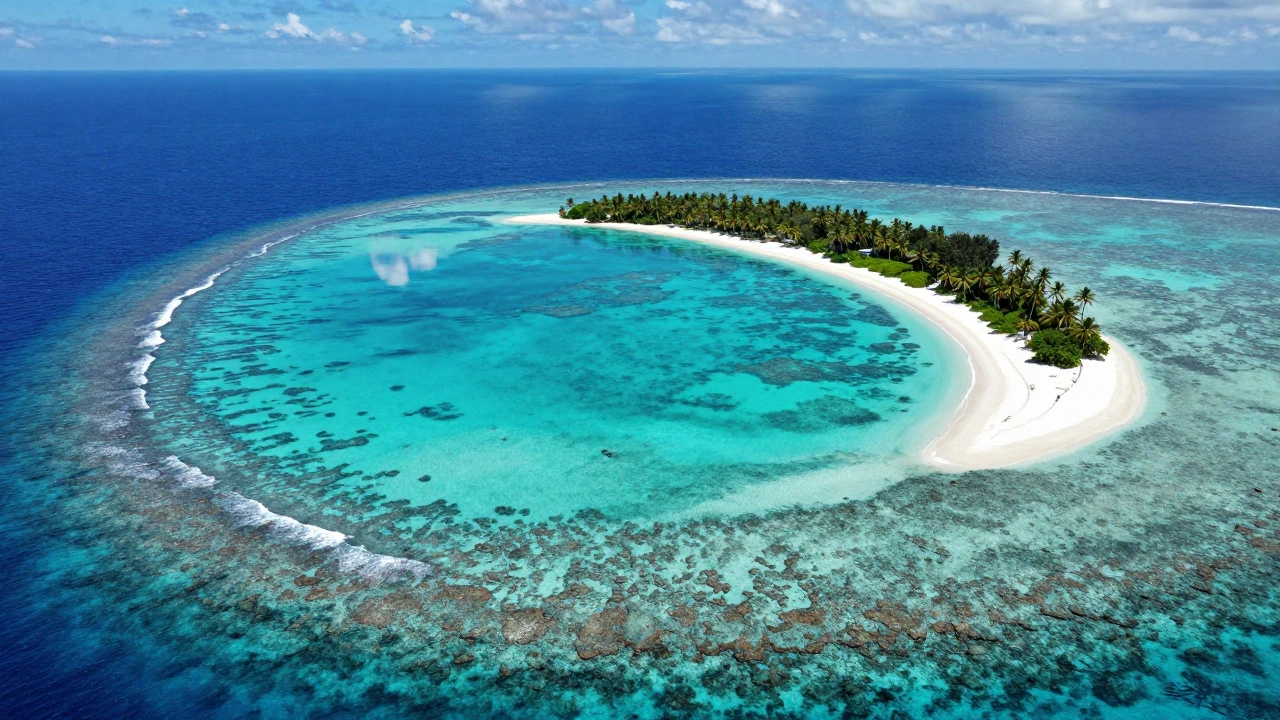
While the Andamans get most of the attention, Lakshadweep in the Arabian Sea deserves serious consideration. Located off the coast of Kerala, this group of 36 islands is geologically distinct. Most of them are coral atolls-ring-shaped reefs enclosing a central lagoon. This structure naturally protects the inner waters from rough ocean swells, creating a calm, mirror-like surface.
Agatti Island is the gateway to Lakshadweep and hosts one of the longest runways in India, making it surprisingly accessible. The beach here is lined with coconut palms, and the water transitions from pale turquoise to deep indigo. Because access to Lakshadweep is restricted (you need a permit), visitor numbers are low. This means the coral reefs haven’t suffered from over-tourism, keeping the water exceptionally clean and clear.
Bangaram Island is another highlight. Its crescent-shaped beach drops off into a steep reef edge, meaning the water stays deep quickly. This prevents sand from being stirred up by boats or swimmers, maintaining that glassy appearance throughout the day.
Factors That Determine Water Clarity
You might wonder why some spots are clearer than others. It comes down to three main factors:
- Coral Health: Healthy corals filter plankton and particles from the water. Dead or bleached reefs release sediment, clouding the view. Both Andaman and Lakshadweep have active conservation efforts to protect their reefs.
- Distance from Land Runoff: Islands far from large river deltas avoid the influx of silt. The Andamans are hundreds of kilometers from any major Indian river mouth.
- Visitor Density: Fewer people mean less disturbance to the seabed. Restricted access areas like parts of Lakshadweep maintain higher clarity due to limited foot traffic.
When to Visit for Maximum Clarity
Timing matters. Even the clearest beach can turn murky if you visit during the wrong season. In the Andamans, the best window is between November and May. During the monsoon (June to September), heavy rains wash soil into the sea, and strong winds churn up the bottom. Visibility drops significantly.
In Lakshadweep, the ideal time is slightly different. From October to March, the seas are calm, and the weather is pleasant. April to June brings heat and occasional squalls, while July to September sees rougher seas due to the southwest monsoon.
If you’re planning a trip specifically for photography or snorkeling, aim for mid-morning. Early morning light can be too hazy, and late afternoon sunlight reflects off the surface, making it hard to see beneath. Around 10 AM to 2 PM, when the sun is high, the water appears its bluest and clearest.
How to Reach These Pristine Shores
Getting to these islands requires a bit more planning than a drive to Goa. For the Andamans, you’ll fly into Port Blair from Chennai, Bangalore, or Kolkata. From there, speedboats connect you to Havelock and Neil Islands. Ferries are cheaper but slower, taking around 90 minutes.
Lakshadweep is trickier. There are no direct flights from all cities; most travelers fly via Kochi. Once in Agatti, you take government-operated ferries to other islands like Bangaram or Kadmat. Remember, you must apply for a tourist permit online before booking tickets. This restriction helps preserve the environment, ensuring the water stays clear for years to come.
Preserving the Clarity: Your Role
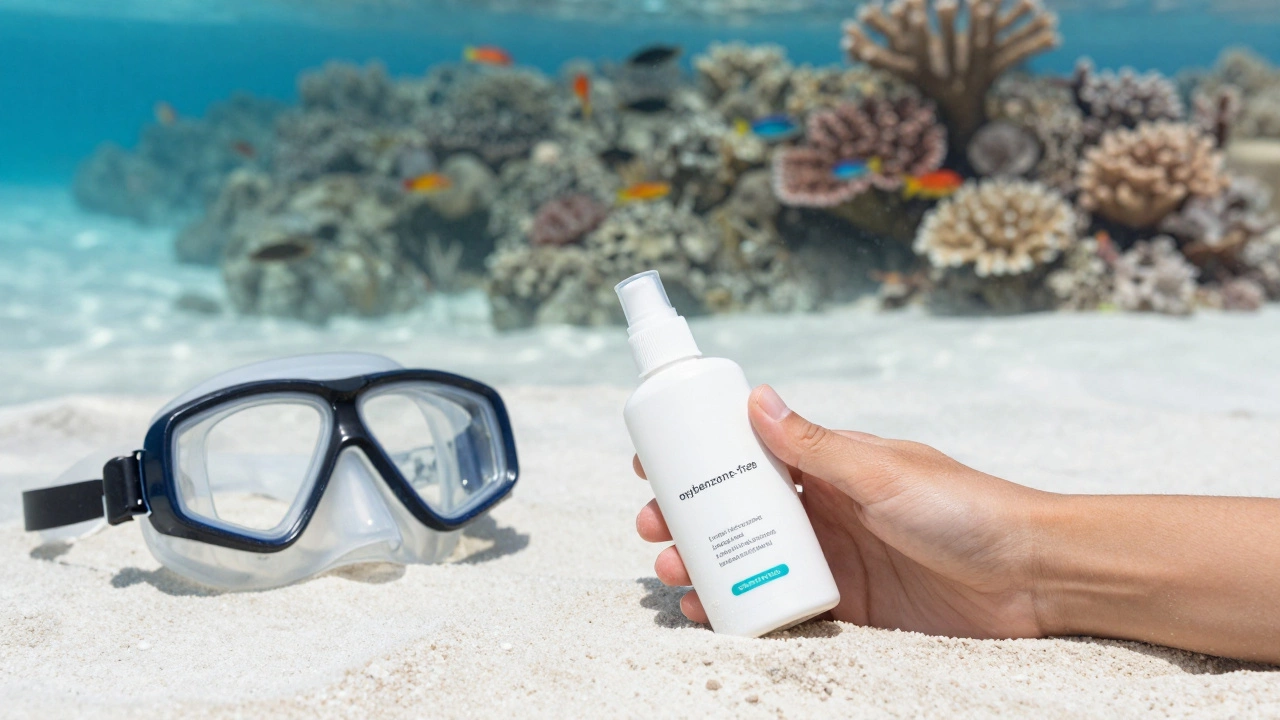
Clear water is fragile. Sunscreen chemicals, plastic waste, and touching coral can damage the ecosystem that keeps the water transparent. When visiting these beaches, use reef-safe sunscreen-look for labels saying "oxybenzone-free" or "non-nano zinc oxide." Avoid anchoring boats directly on reefs, and never feed the fish. By respecting local guidelines, you help ensure that the next traveler also gets to experience that breathtaking underwater visibility.
Is the water in Goa clear?
Goa’s water is generally not considered "clear" in the sense of transparency. Due to proximity to river mouths and high tourist activity, the water tends to be greenish or brownish, especially after rains. However, some secluded coves in North Goa may appear clearer during dry seasons.
Can I swim in the Andaman Islands?
Yes, swimming is allowed in designated areas. Many beaches like Radhanagar and Elephant Beach have lifeguards and marked zones. Always check current conditions and avoid swimming during monsoon months when currents are strong.
Do I need a permit for Lakshadweep?
Yes, Indian citizens need a tourist permit issued by the Lakshadweep Administration. Foreign nationals require additional clearance. Apply online well in advance as slots fill up quickly.
Yes, Indian citizens need a tourist permit issued by the Lakshadweep Administration. Foreign nationals require additional clearance. Apply online well in advance as slots fill up quickly.
Which month has the clearest water in Andaman?
December through February typically offers the clearest water. The post-monsoon period allows sediments to settle, and low wind speeds keep the surface calm, enhancing visibility for snorkeling and diving.
Are there clear water beaches in Kerala?
Kerala’s mainland beaches are influenced by backwaters and rivers, so they aren’t notably clear. However, nearby islands like Varkala Cliff area may have clearer patches during dry spells, but nothing comparable to Andaman or Lakshadweep.
About Author

Popular Posts