North India vs South India: Which Region Is Better for Your Trip?
North vs South India Trip Planner
Select your preferences below to find out which region matches your travel style.
North India
Best for: Iconic landmarks, mountains, winter escapes.
South India
Best for: Tropical vibes, temples, relaxation.
Your Match:
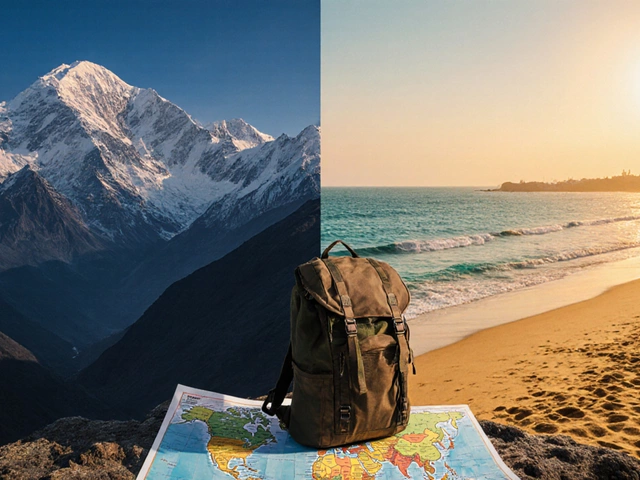
Stop asking which side of India is "better." It’s the wrong question. North and South India aren’t just different regions; they are practically two different countries stitched together by a shared history and a love for spicy food. If you’re trying to decide where to spend your next vacation, you aren’t choosing between good and bad. You are choosing between high-octane drama and slow-burning soul.
The divide isn’t just geographic. It runs through language, architecture, climate, and even the way people smile at you on the street. To pick the right side, you have to know what kind of traveler you are. Do you want to stand in awe before massive marble mausoleums, or do you want to get lost in a labyrinth of ancient temple corridors? Here is the real breakdown of North India versus South India, stripped of the tourist brochure fluff.
The Visual Shock: Mughal Grandeur vs Dravidian Intricacy
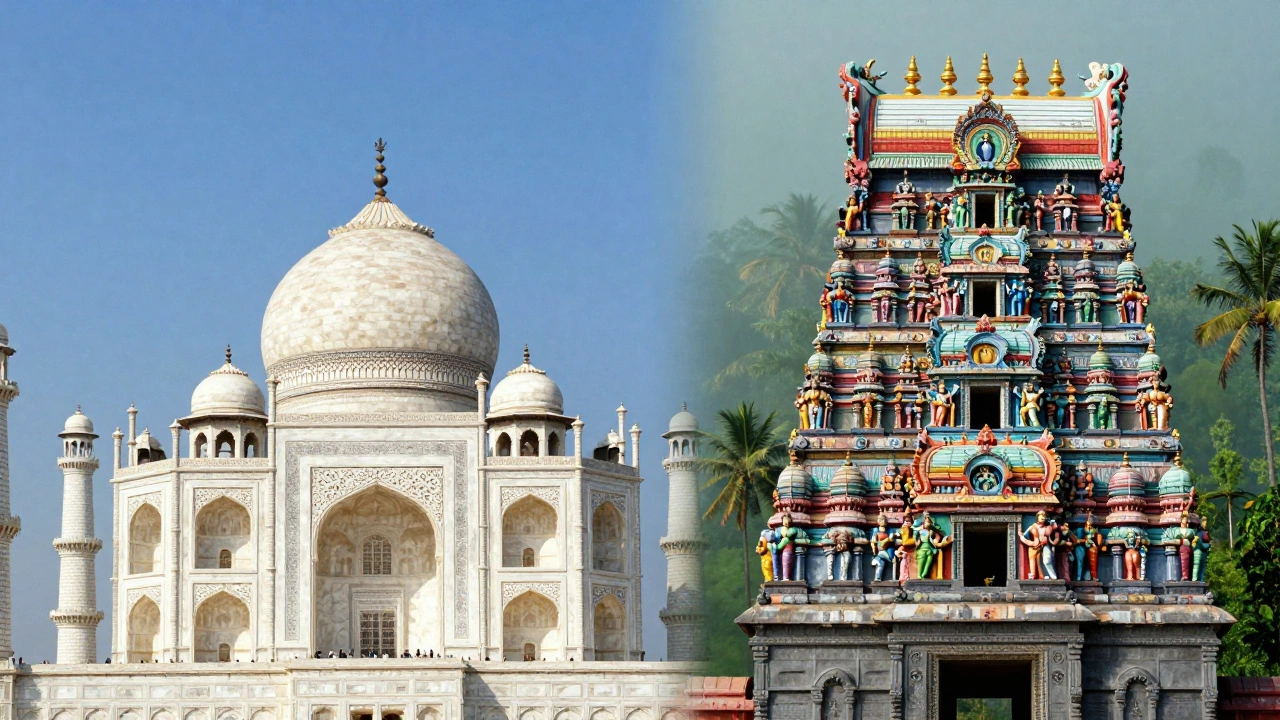
Your first clue about where to go lies in the stone. North India is defined by the legacy of the Mughal Empire. Think red sandstone and white marble. The aesthetic here is imperial, grand, and symmetrical. When you look at the Taj Mahal in Agra or the forts of Rajasthan, you are looking at power displayed on a monumental scale. The cities feel spread out, with wide boulevards and open courtyards designed for elephants and armies.
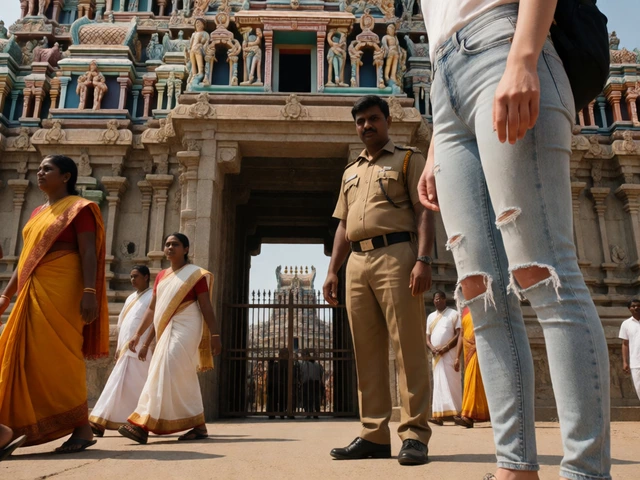
South India, conversely, offers the Dravidian style. This is vertical architecture. Temples like the Meenakshi Amman Temple in Madurai or the Brihadeeswarar Temple in Thanjavur shoot skyward with towering gopurams (gateway towers) covered in thousands of colorful sculptures. The vibe is less about imperial conquest and more about spiritual complexity. The structures feel dense, intricate, and deeply rooted in the earth rather than reaching for the heavens.
If you prefer clean lines, vast open spaces, and photogenic symmetry, the North wins. If you crave texture, color, and architectural puzzles that take hours to fully appreciate, the South calls to you.
The Climate Factor: Extreme Heat vs Tropical Humidity
You cannot plan an Indian trip without respecting the weather. The difference in climate dictates not just what you pack, but how much energy you have to explore.
In the North, the seasons are distinct. Winter (November to February) is crisp and pleasant, often dropping to near freezing in places like Shimla or Manali. Summer (April to June) is brutal. Delhi can hit 45°C (113°F), turning sightseeing into a survival exercise. The monsoon brings relief but also heavy rains that can disrupt travel.
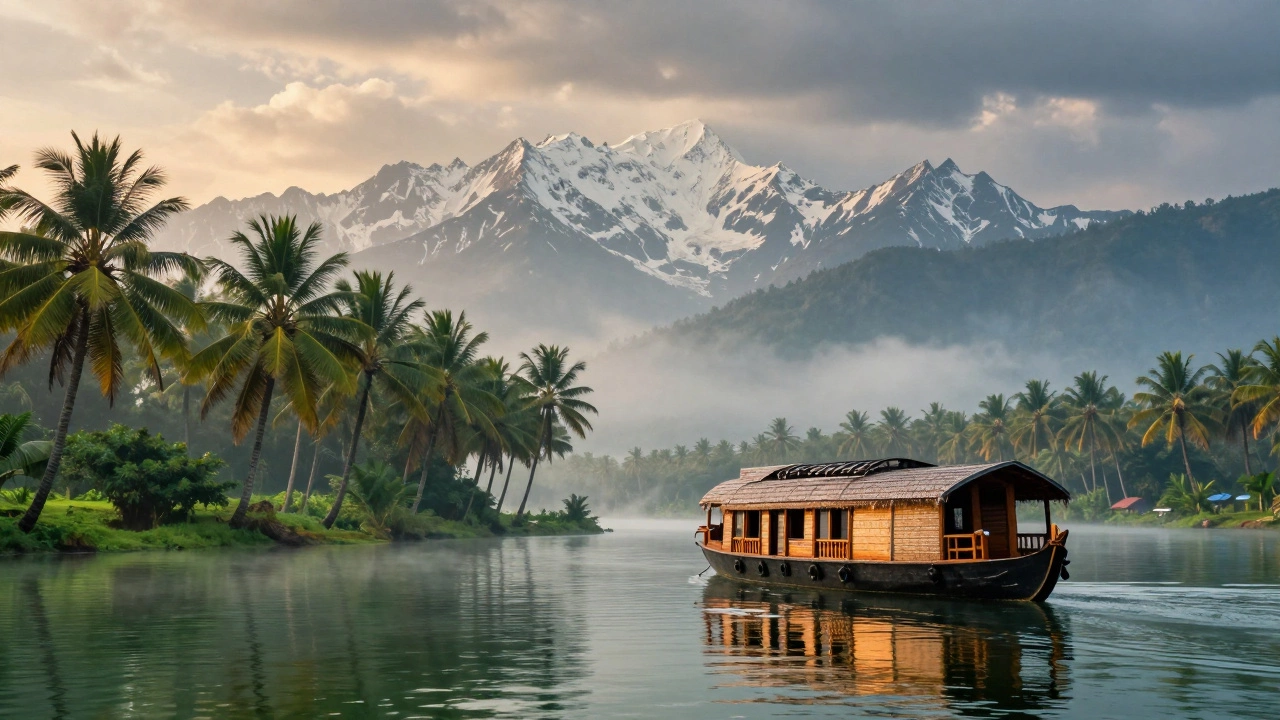
The South is subtropical. It stays warm year-round. There is no true winter; the coolest months still hover around 20-25°C (68-77°F). However, the humidity is the killer. In Kerala or Tamil Nadu, the air feels thick. You will sweat standing still. The monsoon season (June to September) is intense here, bringing torrential downpours that flood streets quickly. Many travelers actually prefer visiting the South during the monsoon because the landscape turns an emerald green that doesn’t exist anywhere else.
| Feature | North India | South India |
|---|---|---|
| Best Time to Visit | October - March | September - March |
| Summer Peak Temp | Up to 45°C (113°F) | Up to 38°C (100°F) |
| Winter Low Temp | Can drop below 5°C (41°F) | Rarely below 15°C (59°F) |
| Humidity Level | Dry in winter, moderate in summer | High year-round |
| Monsoon Impact | Heavy rain, some disruptions | Torrential rain, lush scenery |
Culture and Pace: Fast-Paced Chaos vs Laid-Back Rhythm
This is where most tourists find their preference. North India, particularly the Golden Triangle (Delhi, Agra, Jaipur), moves fast. The traffic is aggressive, the bargaining is loud, and the energy is electric. It can be overwhelming. You feel the pulse of a billion people rushing toward something. But there is also a warmth here-a hospitality that feels immediate and boisterous.
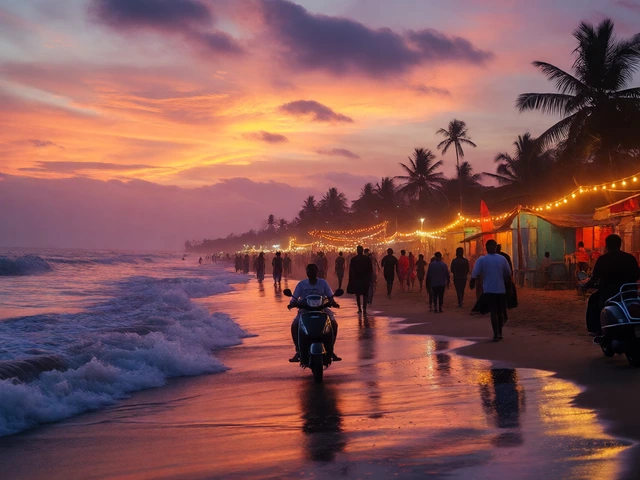
South India feels slower. The pace in Kerala or Karnataka is relaxed. People speak softly, traffic flows with a strange, chaotic calm, and life seems to revolve around community gatherings and temple festivals. The cultural experience here is more introspective. You are invited to sit, listen, and observe rather than rush from one monument to the next.
Language plays a huge role too. In the North, Hindi is dominant, and English is widely spoken in tourist hubs. In the South, languages like Tamil, Telugu, Malayalam, and Kannada are fiercely protected. English is common among younger generations and in cities like Bangalore, but venturing into rural areas requires patience and gestures. This linguistic barrier can make the South feel more exotic and authentic, while the North feels more accessible.
The Food Fight: Butter Chicken vs Filter Coffee
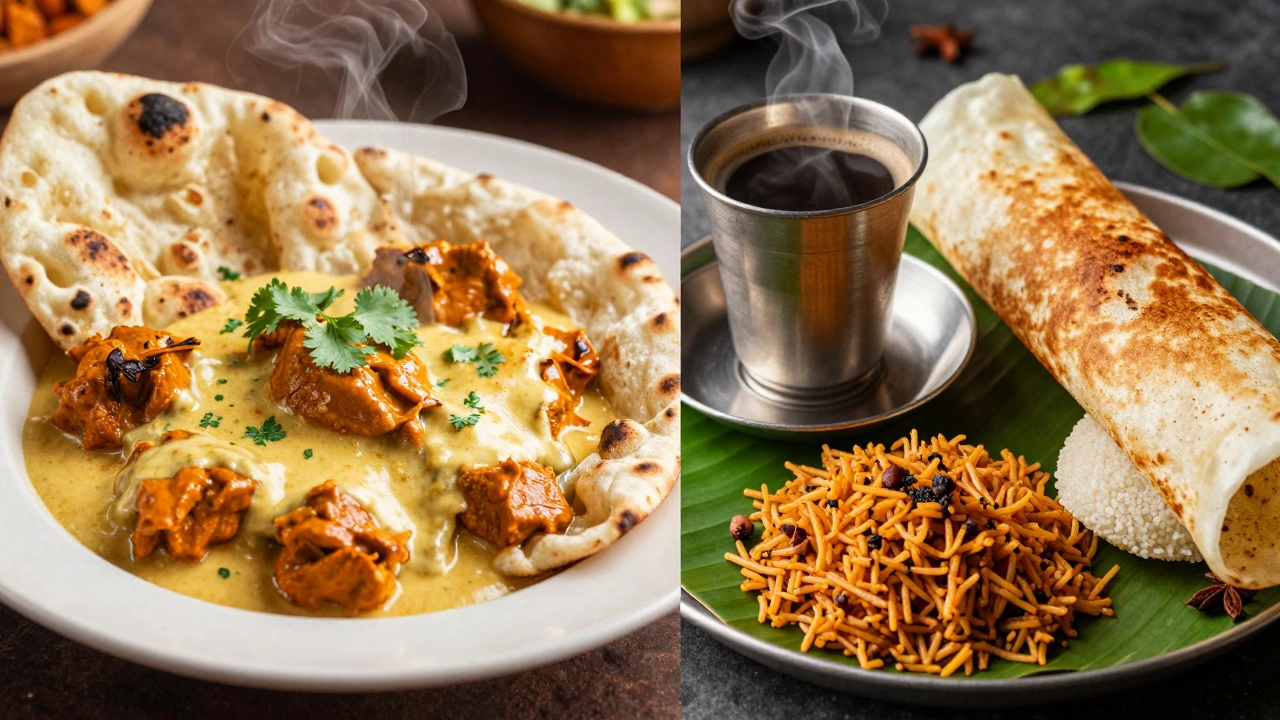
Let’s talk about the most important part of any trip: eating. North Indian cuisine is rich, creamy, and wheat-based. Roti, naan, and parathas are the staples. Curries often rely on dairy-ghee, cream, and yogurt-to create thick, comforting sauces. Dishes like Butter Chicken, Rogan Josh, and Dal Makhani are indulgent. Street food in the North includes chaat (savory snacks) that are tangy, spicy, and fried.
South Indian food is rice-based, lighter, and heavily spiced with mustard seeds, curry leaves, and coconut. Dosas (crepes), idlis (steamed cakes), and vadas (fried doughnuts) are breakfast essentials. The curries are thinner, often tomato or coconut-based, and packed with heat. And then there is the coffee. South Indian filter coffee is strong, sweet, and served in steel tumbler-and-saucer sets. It is a ritual, not just a beverage.
If you love hearty, creamy meals and bread, head North. If you prefer complex spice profiles, vegetarian delicacies, and robust coffee, the South is your paradise.
Nature and Adventure: Himalayas vs Backwaters
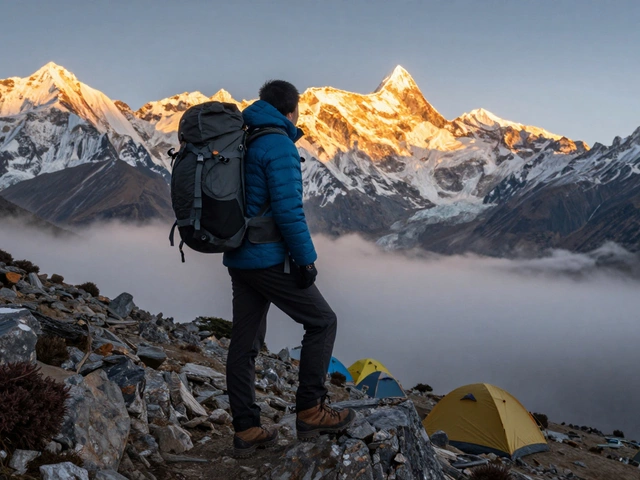
Both regions offer stunning natural beauty, but of completely different varieties. North India is home to the Himalayas. This means trekking, skiing, and mountain views that pierce the clouds. Places like Leh-Ladakh offer desert landscapes amidst snow-capped peaks. The wildlife safaris in the North, such as those in Ranthambore or Corbett National Park, focus on tigers in dry, deciduous forests.
South India is tropical. Kerala’s backwaters are a network of lagoons and rivers where you stay on houseboats and glide past coconut palms. The Western Ghats, a biodiversity hotspot, offer lush rainforests, waterfalls, and tea plantations. Wildlife here, like in Periyar or Mudumalai, is set against dense, green jungles. If you want adventure sports like paragliding or rafting, the North has more options due to its terrain. If you want relaxation, yoga retreats, and Ayurvedic treatments, the South is the global capital for this.
Which One Should You Choose?
Here is the bottom line. Choose North India if:
- You want iconic landmarks (Taj Mahal, Red Fort).
- You enjoy cold winters and crisp air.
- You prefer Hindi-speaking environments and easier English communication.
- You love rich, dairy-heavy food.
- You seek mountain adventures and tiger safaris in dry forests.
Choose South India if:
- You prefer tropical climates and lush greenery.
- You want a slower, more relaxed pace of life.
- You are interested in ancient temple architecture and classical arts (Bharatanatyam dance, Carnatic music).
- You love rice-based, spicy, vegetarian-friendly cuisine.
- You dream of staying on a houseboat or exploring rainforests.
Most seasoned travelers don’t pick one. They do both. Start in Delhi to get your bearings, then fly south to Kochi or Bangalore. The contrast makes the experience complete. India is too big to be summarized by a single region. Embrace the diversity, and let your stomach and your heart guide you to the next destination.
Is North India safer than South India for tourists?
Both regions are generally safe for tourists who take standard precautions. Harassment can occur in crowded areas in both the North and South, but it is often more persistent in major northern cities like Delhi. Southern cities tend to be slightly more conservative and family-oriented, which can feel safer for solo female travelers, but vigilance is required everywhere. Always dress modestly and avoid isolated areas at night.
Which part of India is cheaper to travel?
South India is typically slightly cheaper than North India. Accommodation, food, and local transport costs in states like Kerala and Tamil Nadu are often lower than in Rajasthan or Delhi. However, budget travel is possible in both regions. The Golden Triangle in the North can become expensive due to high demand for luxury hotels and guided tours.
Can I visit both North and South India in one trip?
Yes, but it requires at least 2-3 weeks. Domestic flights connect major cities like Delhi, Mumbai, Chennai, and Bangalore efficiently. Trying to cover both regions in less than two weeks will result in too much time spent traveling and too little time experiencing the culture. Pick one region for a short trip, or plan a long itinerary for both.
What is the best month to visit India?
The best time to visit most of India is between October and March. During these months, the weather is cool and dry across both the North and South. Avoid May and June due to extreme heat, and July and August if you dislike heavy monsoon rains, although the monsoon transforms the South into a lush paradise.
Do I need to speak Hindi to travel in South India?
No. While Hindi is not widely spoken in South India, English is commonly used in tourist areas, hotels, and by younger residents. Learning a few phrases in the local language (like Tamil or Malayalam) will earn you respect and better service, but it is not essential for basic navigation.

About Author

Popular Posts