What is the Number One Tourist Attraction in India? The Taj Mahal Explained
Taj Mahal Visit Planner & Estimator
Plan Your Visit
Estimated Entry Cost
*Prices are approximate estimates for 2026. Foreign tourists pay higher fees (~₹1,100 INR) compared to Indian citizens (~₹50 INR). Camera charges may apply separately.
Seasonal Outlook:
Hot & Dry
40°C - 45°C
Plan Your Taj Mahal Visit
Select your details on the left to see estimated costs and seasonal advice.
India doesn't have just one landmark that defines it. You’ve got ancient forts in Rajasthan, backwaters in Kerala, and Himalayan peaks in the north. But if you ask any traveler, historian, or local which single spot captures the imagination of the world, the answer is almost always the same: the Taj Mahal is a white marble mausoleum in Agra, Uttar Pradesh, built by Mughal Emperor Shah Jahan in memory of his wife Mumtaz Mahal. It sits at the top of every "bucket list" for a reason. It’s not just pretty; it’s a symbol of eternal love, architectural perfection, and the peak of Mughal artistry.
But calling it just a "pretty building" misses the point. To truly get why it’s number one, you need to look beyond the Instagram photos. You need to understand the history, navigate the crowds, and know exactly how to see it without losing your mind (or your wallet). Here is everything you need to know about visiting India’s crown jewel.
Why the Taj Mahal Takes the Top Spot
There are over 40 UNESCO World Heritage Sites in India. So why does the Taj Mahal win? It comes down to three things: symmetry, scale, and story.
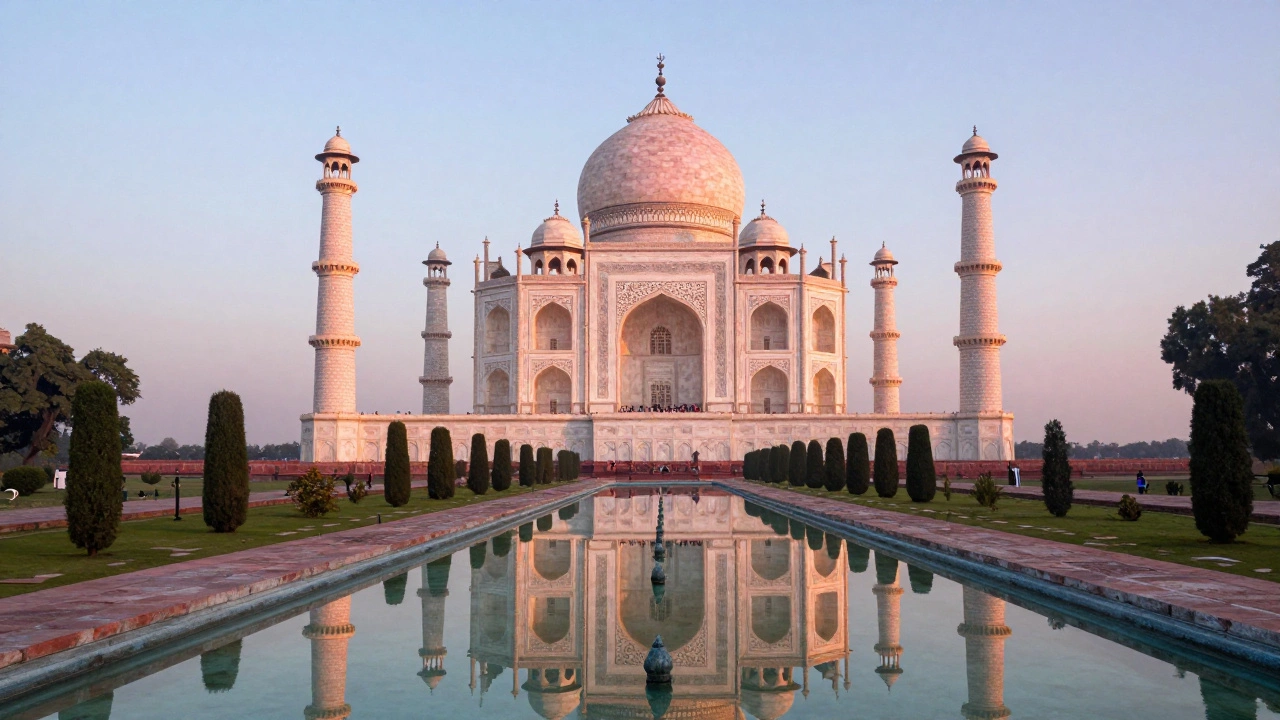
First, the architecture is mathematically perfect. The main dome, the four minarets, and the two flanking buildings (the mosque and the guest house) are all aligned with precise geometric balance. Unlike many other monuments that feel chaotic or layered over centuries, the Taj was built as a single, cohesive vision between 1632 and 1653. Every detail, from the pietra dura inlay work using semi-precious stones to the calligraphy on the arches, serves the central theme of paradise gardens.
Second, the scale is humbling. The complex covers 17 acres. When you stand at the main gate, looking up at the massive white marble structure against the sky, you feel small. That emotional impact is rare. Most historical sites make you think, "That's old." The Taj makes you feel something else entirely.
Third, the story sells itself. Shah Jahan imprisoned himself in the nearby Agra Fort after being deposed by his son, Aurangzeb. He spent his last days staring across the river Yamuna at the tomb he built for his favorite wife. That tragic romance adds a layer of depth that pure architecture can’t match. It’s human, it’s sad, and it’s beautiful.
| Attribute | Detail |
|---|---|
| Location | Agra, Uttar Pradesh, India |
| Built By | Mughal Emperor Shah Jahan |
| Construction Period | 1632 - 1653 (approx. 22 years) |
| Architectural Style | Mughal (Persian, Islamic, Indian influences) |
| UNESCO Status | World Heritage Site since 1983 |
| Annual Visitors | Approximately 7-8 million |
When to Visit: Timing Is Everything
You can visit the Taj Mahal year-round, but some times are significantly better than others. If you go during the peak summer months of May and June, temperatures in Agra regularly hit 45°C (113°F). Walking around the marble plaza under that sun is exhausting and dangerous. The heat haze also distorts the view, making the marble shimmer unnaturally.
The sweet spot is October to March. The weather is cool, dry, and pleasant. You’ll be comfortable walking through the gardens and exploring the interiors. Specifically, aim for late afternoon if you want dramatic shadows, or early morning for soft light and fewer crowds.
Here is a quick breakdown of what to expect:
- October - February: Ideal. Cool mornings, clear skies. This is when most international tourists visit, so book ahead.
- March - April: Getting warmer, but still manageable. Good for avoiding the deepest winter chill if you’re sensitive to cold.
- May - June: Avoid if possible. Extreme heat. The marble gets hot to the touch.
- July - September: Monsoon season. Humidity is high, and rain can obscure views. However, the greenery in the gardens is lush, and crowds are thinner.
How to See the Taj Mahal Without the Hassle
Visiting the Taj Mahal isn’t like visiting a museum in Sydney or London. There are no turnstiles that keep everyone out. Instead, you face a different set of challenges: touts, scams, and sheer volume of people. Here is how to handle them.
1. Book Tickets Online
Do not buy tickets at the gate unless you absolutely have to. Lines can stretch for hours. Use the official Archaeological Survey of India (ASI) website to book e-tickets. Foreign tourists pay a higher fee (around ₹1,100 INR), while Indian citizens pay much less (₹50 INR). Keep your passport handy; you will need it for entry.
2. Enter Through the East Gate
Most tour buses drop people off at the South Gate, which faces the main road. This creates a bottleneck. Try to enter through the East Gate, which is closer to the Agra Fort. It’s often less crowded and offers a slightly different perspective as you approach the monument.
3. Hire a Licensed Guide
This is non-negotiable if you want to understand what you’re looking at. Without a guide, the Taj is just a big white building. With a guide, you learn about the intricate carvings, the optical illusions used in the architecture (like the minarets tilting outward to protect the main tomb in case of collapse), and the hidden stories in the poetry inscribed on the walls. Make sure they are government-certified. Look for their official ID badges.
4. Avoid the "Free Photo" Scam
Outside the gates, you will be approached by men offering to take "free" photos of you with the Taj in the background. They will use their own phones or cameras. Once they take the photo, they will demand money-often exorbitant amounts. Politely decline. Take your own photos. The angles are great everywhere.
Best Views and Photo Spots
You don’t just see the Taj Mahal from the front. Different times of day and different locations offer completely different experiences.
- The Main Plaza: The classic shot. Symmetrical, centered, with the reflecting pool leading up to the tomb. Best at sunrise when the light hits the marble directly.
- Agra Fort: Located across the Yamuna River, the fort offers a panoramic view of the Taj Mahal in the distance. It’s less crowded and provides context for the Mughal empire’s power base.
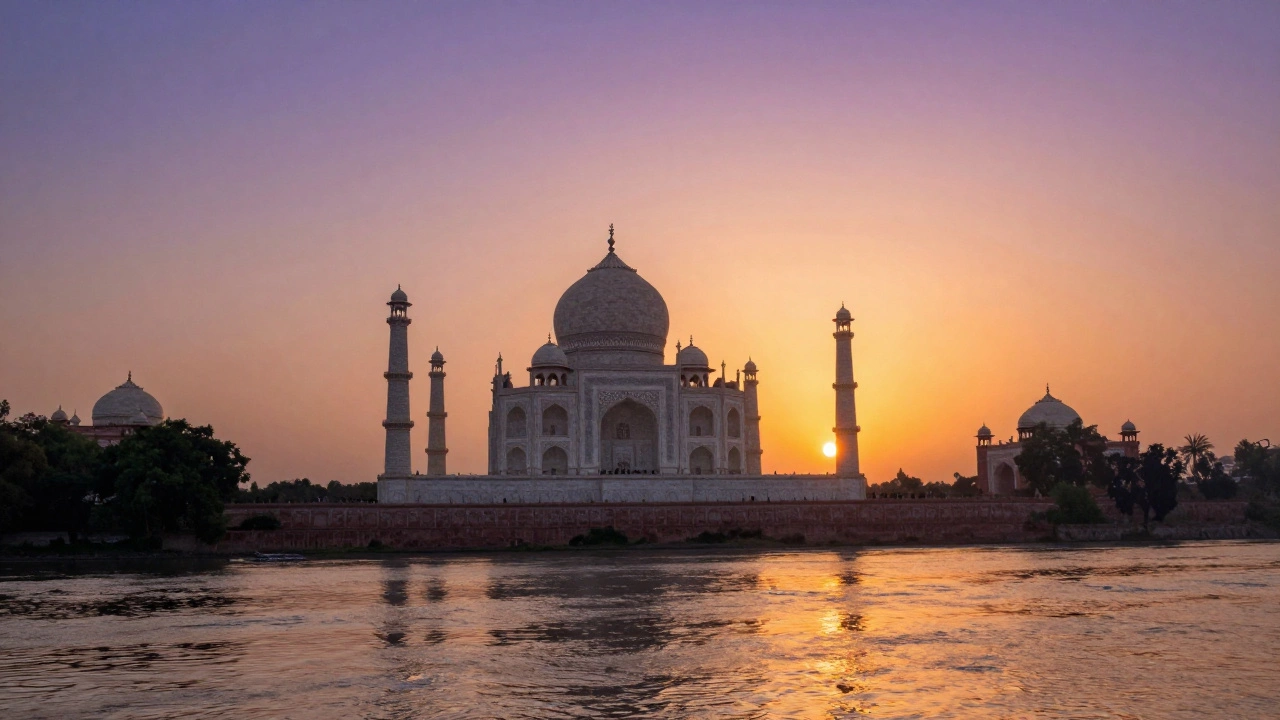
- Mehrauli Archaeological Park (No, wait, Mehtab Bagh): On the opposite bank of the river, this garden offers a sunset view of the Taj. It’s quieter and great for evening photography.
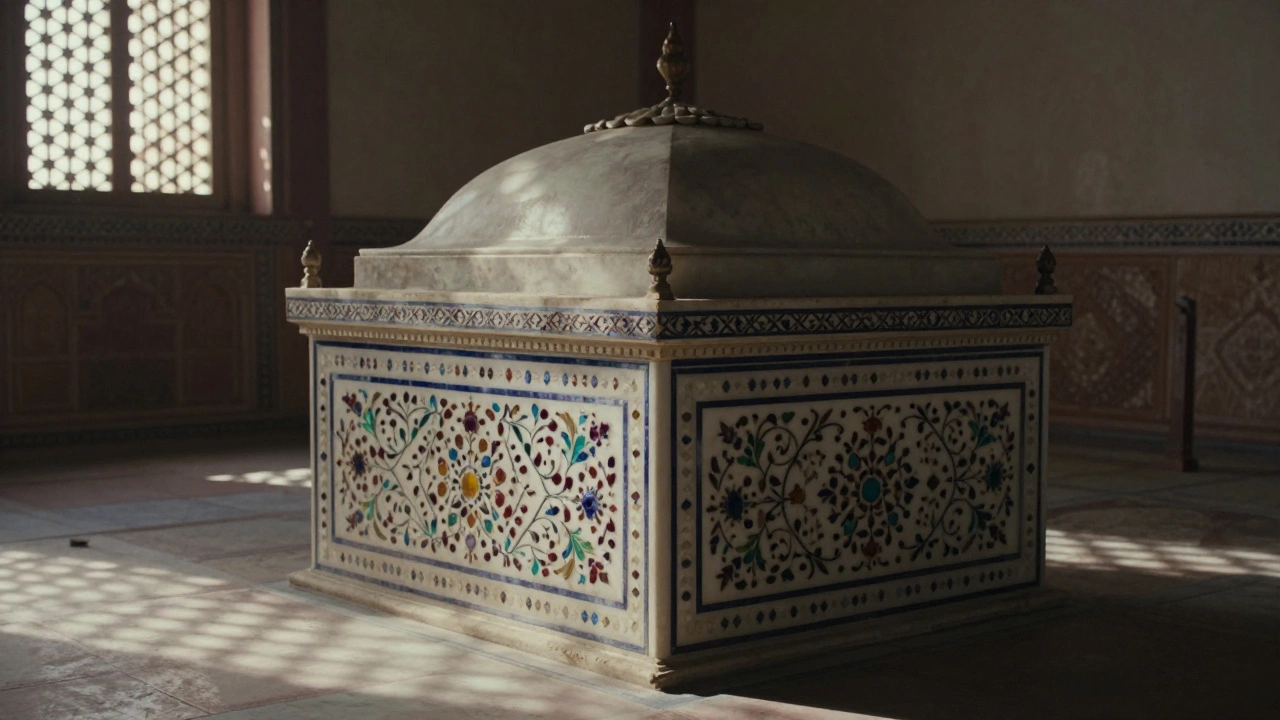
- Inside the Tomb: You can go inside the main chamber. Note that only non-Muslims are allowed inside the inner sanctum due to religious restrictions. The interior is dimly lit, and photography is prohibited, but the sight of the cenotaphs of Shah Jahan and Mumtaz Mahal is breathtaking.
Nearby Attractions Worth Combining
If you’re traveling to Agra for the Taj, don’t spend the whole day there. Agra has other gems that complement the experience.
Agra Fort is a large red sandstone fortress that served as the main residence of the Mughal emperors until 1638. It’s a UNESCO site itself and shows the more martial side of Mughal architecture. The Diwan-i-Khas (Hall of Private Audiences) features intricate marble screens that rival the Taj in beauty.
Fatehpur Sikri is an abandoned city built by Akbar the Great, located about 40 km from Agra. It’s a ghost town of red sandstone, perfectly preserved because it was deserted after just 14 years. It feels like stepping into a movie set. Combine this with the Taj for a full day trip.
For food lovers, try daal baati churma, a traditional Rajasthani dish popular in Agra, or head to the old city lanes for authentic bedai (fried bread) and jalebi for breakfast.
Practical Tips for Your Visit
- Dress Code: The Taj Mahal is a mosque complex. While tourists aren’t strictly required to cover heads, it’s respectful to dress modestly. Avoid shorts or sleeveless tops. Carry a scarf just in case.
- Security: Security checks are strict. No bags, tripods, drones, or large electronics allowed inside. You’ll have to leave them in lockers outside the gate.
- Closed on Fridays: The Taj Mahal is closed to tourists on Fridays for prayers. Plan accordingly.
- Full Moon Nights: Once a month, the Taj is open at night during the full moon (except Ramadan). Tickets are limited and expensive, but the experience is magical. Book weeks in advance.
Is It Still Worth It in 2026?
Some travelers argue that the Taj Mahal is too commercialized. They say the crowds ruin the serenity. And yes, it is crowded. Yes, there are vendors selling trinkets everywhere. But if you arrive early, stay calm, and ignore the noise, the monument itself remains untouched by time.
In 2026, conservation efforts are stricter than ever. The ASI is working on cleaning the marble to remove pollution stains and preserving the surrounding gardens. The experience is being managed better to handle sustainable tourism. So, despite the chaos at the gates, the core experience-the awe, the beauty, the history-is still intact.
The Taj Mahal isn’t just a tourist attraction. It’s a testament to human creativity and emotion. Whether you’re a first-time visitor or a repeat traveler, standing before it reminds you why we travel in the first place: to witness things that are bigger than ourselves.
What is the best time of day to visit the Taj Mahal?
The best time is right at opening (sunrise), usually around 6:00 AM. The light is soft, the marble glows pinkish-orange, and the crowds are smaller. Alternatively, late afternoon offers great shadows and a cooler temperature.
How much does it cost to enter the Taj Mahal?
As of 2026, foreign tourists pay approximately ₹1,100 INR (including the basic entry fee and camera charges if applicable). Indian citizens pay ₹50 INR. Children under 15 enter free. Prices may fluctuate slightly, so check the official ASI website before booking.
Can I take photos inside the Taj Mahal?
You can take photos in the outer gardens and courtyards. However, photography is strictly prohibited inside the main mausoleum chamber to preserve the delicate marble and prevent flash damage. Tripods and selfie sticks are not allowed anywhere.
Is the Taj Mahal safe for solo female travelers?
Yes, the Taj Mahal complex is heavily secured with police presence and CCTV. However, the areas outside the gates can be aggressive with touts and vendors. Stay alert, ignore unsolicited offers, and stick to well-lit, crowded paths. Hiring a licensed guide also adds a layer of safety and comfort.
How do I get from Delhi to Agra?
The fastest option is the Gatimaan Express or Shatabdi Express train, which takes about 1.5 to 2 hours from New Delhi to Agra Cantt station. From the station, auto-rickshaws or pre-booked taxis can take you to the Taj Mahal in 20-30 minutes. Driving is possible but traffic can be heavy.
Why is the Taj Mahal turning yellow?
Pollution from nearby industries and vehicle emissions has caused discoloration on the marble surface. Insects attracted to the gardens also contribute to staining. The Archaeological Survey of India regularly uses Fuller's earth (multani mitti) mud packs to clean and restore the white shine of the marble.
Are there hotels near the Taj Mahal?
Yes, there are several luxury and mid-range hotels within walking distance or a short drive. The Taj Hotel (unrelated to the monument) is famous for its rooftop view of the Taj Mahal. Budget options are available in the older parts of Agra city.

About Author