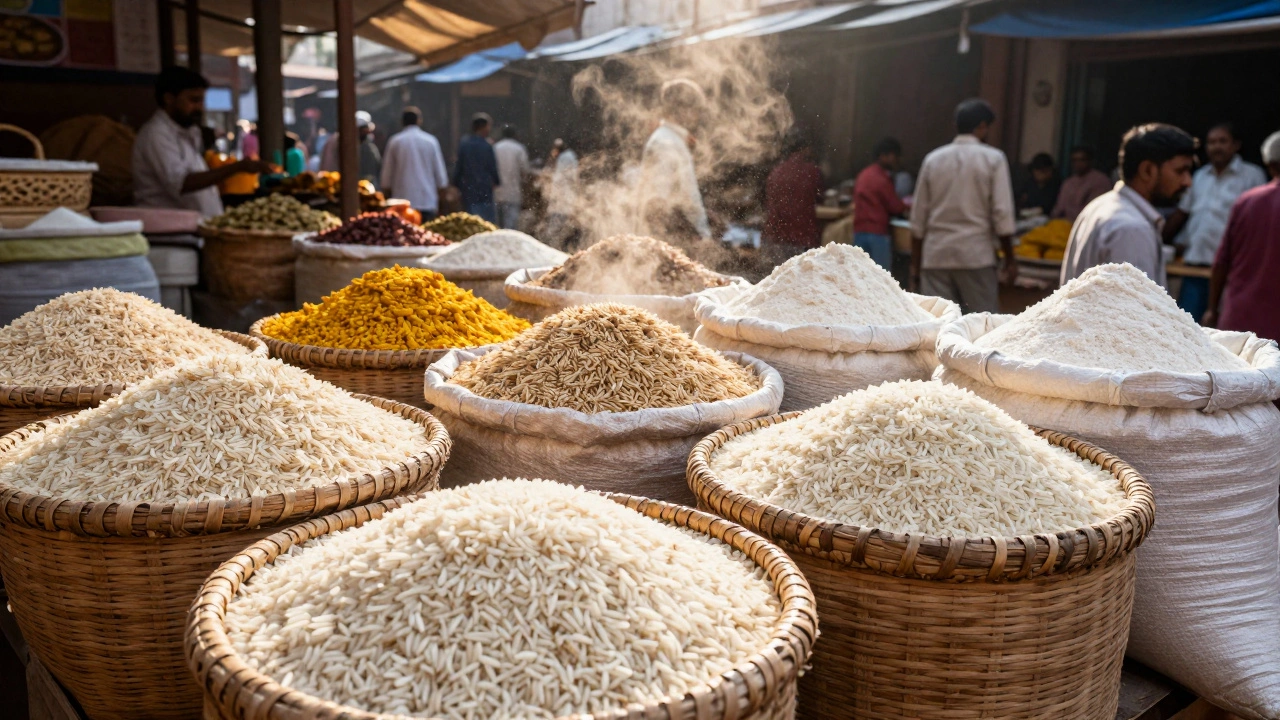
What Is the Most Eaten Thing in India? The Truth About Rice and Roti
Indian Regional Diet & Thali Calculator
🗺️ Find Your Regional Staple
Select an Indian region to see the primary grain and typical accompaniments.
Wheat
Primary Carbohydrate SourceNorthern states rely heavily on wheat-based breads due to colder winters and lower rainfall.
🍛 Traditional Thali Calculator
Calculate the portion sizes for a balanced Thali meal based on total weight.
Breakdown by Component
- Enter weight and click calculate
Ask any traveler heading to India is a South Asian country known for its diverse culture, history, and vibrant culinary traditions what people eat there, and you’ll get a thousand different answers. You might hear about spicy curries, crispy samosas, or sweet gulab jamuns. But if you strip away the tourist menus and look at what millions of Indians actually put on their plates every single day, the answer is surprisingly simple. It’s not a dish. It’s a grain.
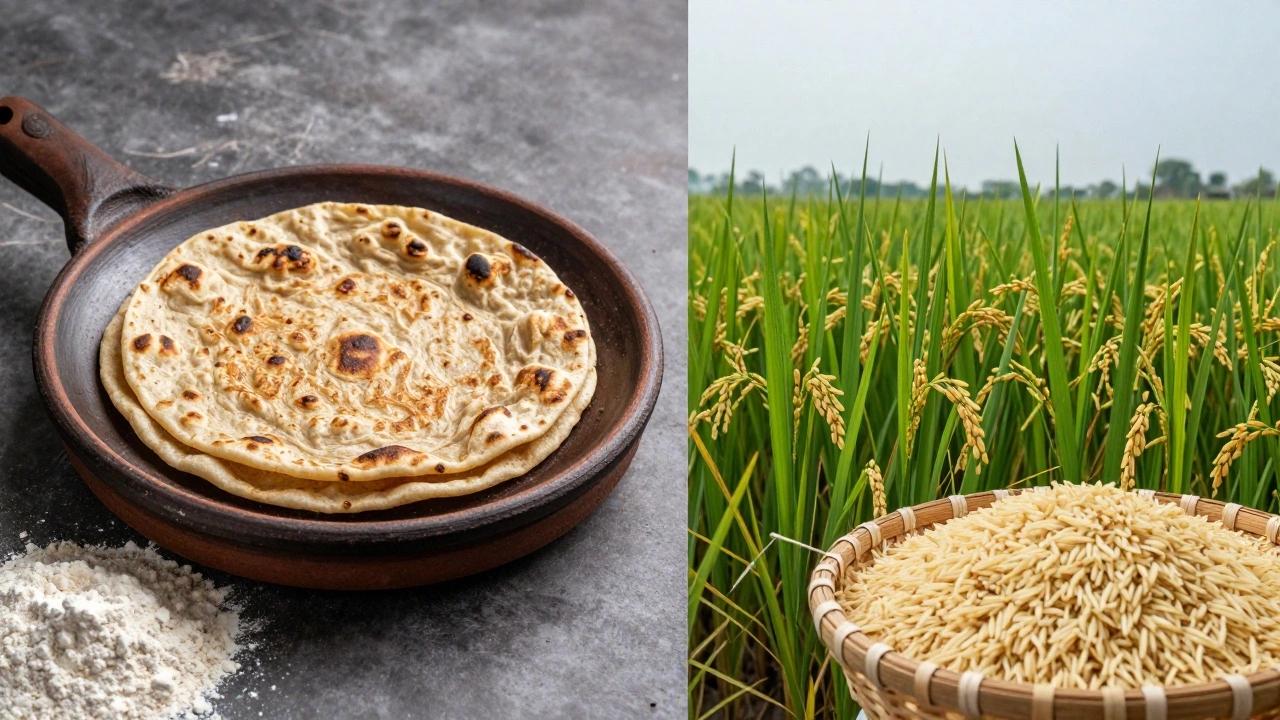
The most eaten thing in India is Rice is a cereal grain that serves as a primary staple food for more than half of the world's population. Specifically, it is the dietary backbone for over 65% of the Indian population. While the northern states rely heavily on wheat-based breads like Roti is an unleavened flatbread made from whole wheat flour, common in Northern India, rice dominates the national calorie count. From the wetlands of Kerala to the plains of West Bengal, rice isn’t just food; it’s the foundation of daily life.
The Great Divide: Rice vs. Wheat
To understand Indian eating habits, you have to look at the map. India is geographically split into two major dietary zones. In the North, where winters are colder and rainfall is lower, wheat grows best. Here, your plate will likely feature Chapati is a thin, unleavened flatbread similar to roti, often used interchangeably in Northern cuisine or parathas (stuffed flatbreads). Cities like Delhi, Jaipur, and Lucknow run on wheat.
But cross the Vindhyachal Range heading south, east, or west, and the landscape changes. The climate becomes humid, and the soil turns to clay-rich paddies. This is the realm of rice. States like Tamil Nadu, Andhra Pradesh, Odisha, and West Bengal consume rice in massive quantities. If you visit a home in Chennai or Kolkata, you won’t find bread baskets. You’ll find mounds of steamed white rice, often served with lentils (Dal is a dish made from dried, dehulled legumes, serving as a protein source in Indian vegetarian diets) and vegetables.
| Region | Primary Staple | Common Preparation | Typical Accompaniments |
|---|---|---|---|
| North India | Wheat | Roti, Chapati, Naan | Curry, Raita, Pickles |
| South India | Rice | Steamed Rice, Idli, Dosa | Sambar, Chutney, Coconut Milk |
| East India | Rice | Steamed Rice, Pitha | Fish Curry, Lentils |
| West India | Mixed (Rice/Wheat) | Biryani, Thali | Variety of Vegetables, Meat |
Why Rice Takes the Crown
So why does rice beat out wheat, maize, or millet? It comes down to three factors: agriculture, affordability, and versatility.
Agricultural Dominance: India is the second-largest producer of rice in the world, after China. The Green Revolution of the 1960s and 70s focused heavily on high-yield rice varieties, particularly in Punjab and Haryana, but also expanded cultivation across the fertile deltas of the Godavari, Krishna, and Kaveri rivers. Because it grows so well here, it remains cheap and accessible for billions of people.
Caloric Efficiency: For a labor-intensive society, rice provides dense energy. A standard bowl of cooked rice offers quick carbohydrates that fuel manual work in fields, factories, and homes. When paired with dal (lentils), it creates a complete protein profile, making it a nutritionally balanced meal without needing expensive meat or dairy.
Cultural Versatility: Rice isn’t just boiled and served plain. It transforms. In the morning, it might be fermented into Idli is a steamed cake made from a fermented batter of black gram and rice, popular in South India (steamed cakes) or Dosa is a thin crepe made from fermented rice and black gram batter, originating from South India (crepes). At lunch, it could be a fragrant Biryani is a mixed rice dish with spices, meat, or vegetables, originating from the Indian subcontinent. At dinner, it might simply be steamed with a side of curry. This adaptability keeps it relevant across all meals.
The Rise of Millet: A Modern Shift
While rice is still king, the story is changing. In recent years, there has been a significant push toward Millets is a group of small-seeded grasses grown for grain, including sorghum, pearl millet, and finger millet. Often called "nutri-cereals," millets like ragi (finger millet), jowar (sorghum), and bajra (pearl millet) are native to India and were staples before the Green Revolution prioritized rice and wheat.
Why the comeback? Health concerns. The heavy reliance on polished white rice has contributed to rising rates of diabetes and obesity in urban India. Millets are gluten-free, high in fiber, and have a low glycemic index. The Indian government declared 2023 as the International Year of Millets, boosting awareness. Today, you’ll see millet rotis and millet rice mixes in supermarkets from Mumbai to Bangalore. However, for the average rural household, traditional rice remains the default due to habit and taste preference.
How Indians Eat: The Thali Culture
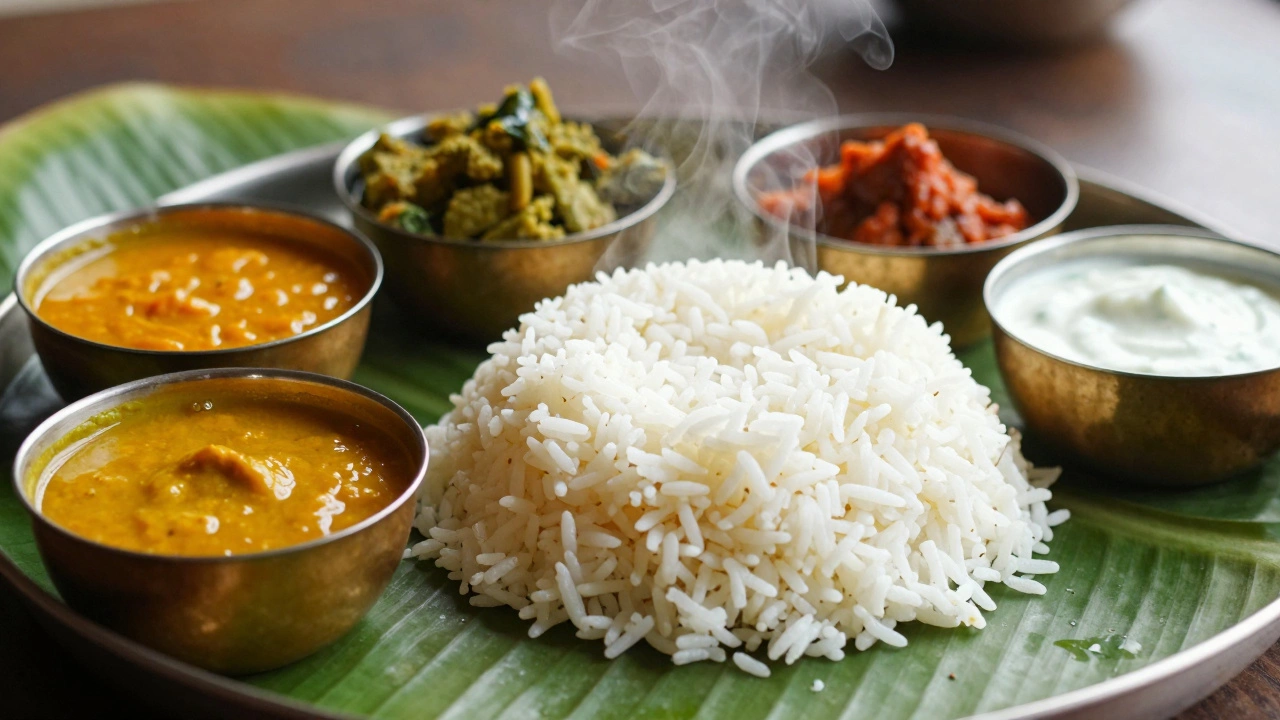
If you’re visiting India, you won’t always see a plate of just rice. You’ll likely encounter a Thali is a traditional Indian meal consisting of a large platter with small bowls containing various dishes. This is a circular plate filled with small bowls of different foods. A typical thali includes:
- A portion of rice or roti
- Dal (lentil soup)
- One or two vegetable dishes (sabzi)
- Raita (yogurt with cucumber/onions)
- Pickle (achar)
- Sweet dessert
This method ensures a balance of flavors-sweet, salty, sour, bitter, and spicy-and nutrients. Even in this diverse spread, the rice or roti acts as the vehicle to scoop up the other flavors. It’s rarely eaten alone; it’s the canvas for the meal.
Regional Variations You Should Know
Understanding what Indians eat requires looking beyond the national average. Here’s how the "most eaten" item shifts slightly based on location:
Kerala: Rice is sacred here. They use specific varieties like Matta rice (red rice) which is sticky and aromatic. Meals are often served on banana leaves, a practice that adds a subtle flavor and is believed to aid digestion.
West Bengal: Bengalis consider themselves "addicted" to rice. Their variety, Karuppu Doon, is prized for its aroma. Fish curry is the standard partner for rice here, creating a distinct coastal flavor profile.
Punjab: While wheat is dominant, rice plays a crucial role in festivals and special occasions. Pulao and Biryani are celebratory foods. Daily meals, however, revolve around makki di roti (cornbread) in winter and roti in summer.
Impact on Travelers and Food Tourists
For visitors, understanding the centrality of rice helps navigate local eateries. If you see a restaurant serving only dosas and idlis, know that you’re eating fermented rice. If you’re in the north and order a "plate," expect roti. Don’t be surprised if rice is offered even in places known for bread-it’s often included as a free side because it’s so fundamental.
Also, note the water usage. Cooking rice requires washing grains multiple times, which can lead to significant water waste in some households. As an eco-conscious traveler, you might observe modern kitchens using pressure cookers to save time and resources, a testament to how deeply integrated this grain is into daily efficiency.
Is rice really more popular than wheat in India?
Yes. While wheat is the staple in Northern India, rice is consumed by a larger percentage of the total population due to the dominance of Southern, Eastern, and Western states where rice is the primary grain. Approximately 65-70% of Indians rely on rice as their main carbohydrate source.
What is the difference between Basmati and regular Indian rice?
Basmati is a long-grain, aromatic rice primarily grown in the Himalayan foothills of India and Pakistan. It is expensive and used for special dishes like biryani. Regular Indian rice (like Sona Masoori or Ponni) is shorter, less aromatic, and cheaper, making it the everyday staple for millions.
Do Indians eat rice every day?
In most parts of South, East, and West India, yes, rice is eaten at least once or twice daily. In North India, it may be replaced by roti for breakfast and lunch, with rice reserved for dinner or special occasions. Rural populations tend to consume more rice than urban ones due to cost and tradition.
Are millets replacing rice in India?
Not entirely, yet. Millets are gaining popularity among health-conscious urbanites and those managing diabetes. However, rice remains the cultural and economic staple for the majority. The shift is gradual, driven by government initiatives and health awareness rather than immediate replacement.
What is the most common accompaniment to rice in India?
Dal (lentils) is the most universal partner for rice. It provides essential protein and complements the carbohydrates. Other common sides include vegetable curries (sabzi), raita (yogurt dip), and pickles (achar) for flavor enhancement.



About Author