Jaipur vs Delhi: Which North India City Should You Visit First?
Delhi vs Jaipur: Trip Planner & Estimator
Delhi
Chaos, Food, History
Fast Pace Metro HubJaipur
Architecture, Shopping, Royal Vibes
Pink City Artisan HubTrip Configuration
Estimated Total Cost (Per Person)
You have two weeks in India and only time for one major city stop. Do you head to the chaotic, neon-lit sprawl of Delhi, or do you escape to the pastel-colored forts and royal history of Jaipur? This is the most common dilemma for first-time travelers to North India. Both cities are incredible, but they offer completely different experiences. One is a modern political powerhouse with ancient roots; the other is a preserved fairy-tale kingdom.
The short answer? If you love food, street energy, and diverse history, pick Delhi. If you prefer architecture, shopping for textiles, and a slower pace, pick Jaipur. But why choose just one? Most smart itineraries include both. They are only about three hours apart by train. Let’s break down exactly what each city offers so you can decide which should be your priority-or how to split your time between them.
The Vibe: Chaos vs. Charm
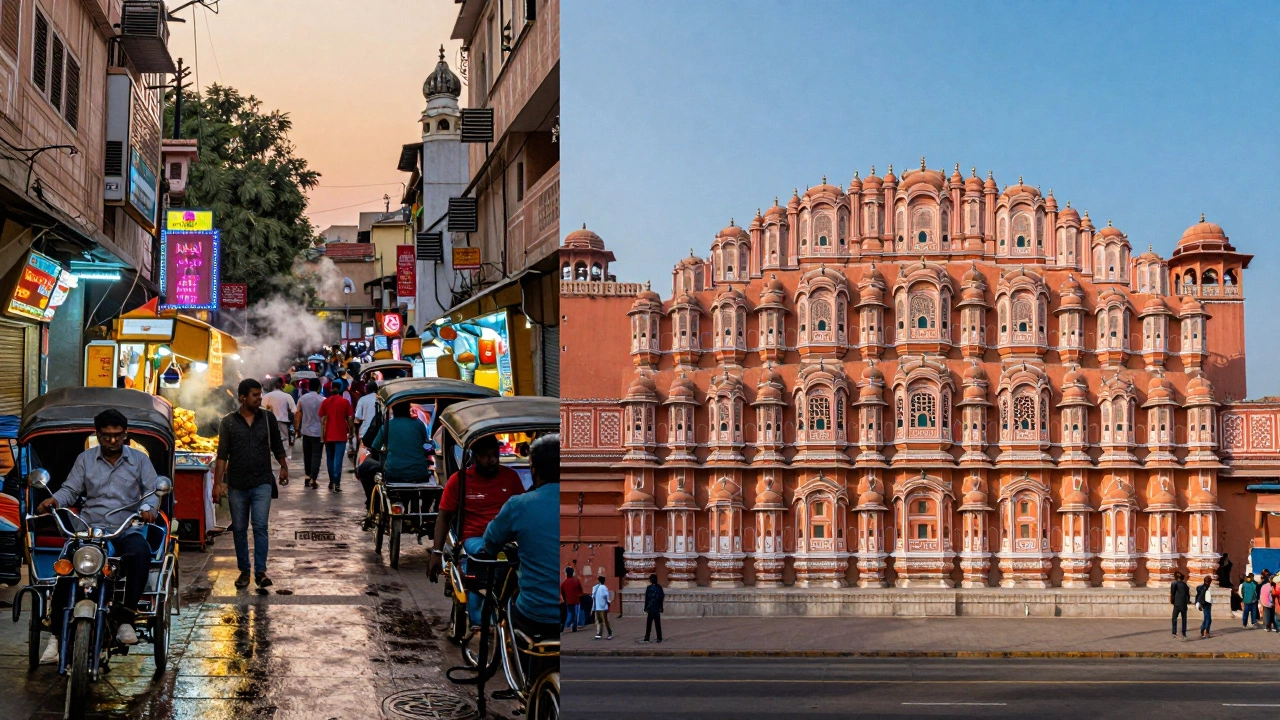
New Delhi is the capital of India, a sprawling metropolis that blends British colonial planning with rapid modern development. It feels like New York or London if they were built on top of an ancient village. The traffic is intense, the crowds are massive, and the energy is electric. You will feel the pulse of a billion people here.
In contrast, Jaipur is the capital of Rajasthan, known as the Pink City due to its distinctive terracotta-colored buildings. Founded in 1727 by Maharaja Sawai Jai Singh II, it was designed as a planned city based on Hindu architectural treatises. It feels more curated. The streets are cleaner, the traffic is manageable (by Indian standards), and the aesthetic is consistently beautiful. It’s less about the rush and more about the view.
| Feature | Delhi | Jaipur |
|---|---|---|
| Pace | Fast, chaotic, energetic | Moderate, relaxed, tourist-friendly |
| Best For | Foodies, history buffs, nightlife | Architecture, shopping, photography |
| Crowds | Very high (locals + tourists) | High (mostly tourists in old city) |
| Budget | Moderate (wide range of options) | Affordable (mid-range hotels are great value) |
| Connectivity | International airport, major rail hub | Domestic flights, connected via Rajdhani Express |
Sightseeing: What Will You See?
Delhi’s attractions are spread out because the city has grown over centuries. You have Old Delhi, which is a labyrinth of narrow alleys filled with Mughal-era monuments like the Red Fort and Jama Masjid. Then there is New Delhi, laid out by the British, featuring wide avenues, government buildings, and memorials like the India Gate and Qutub Minar.
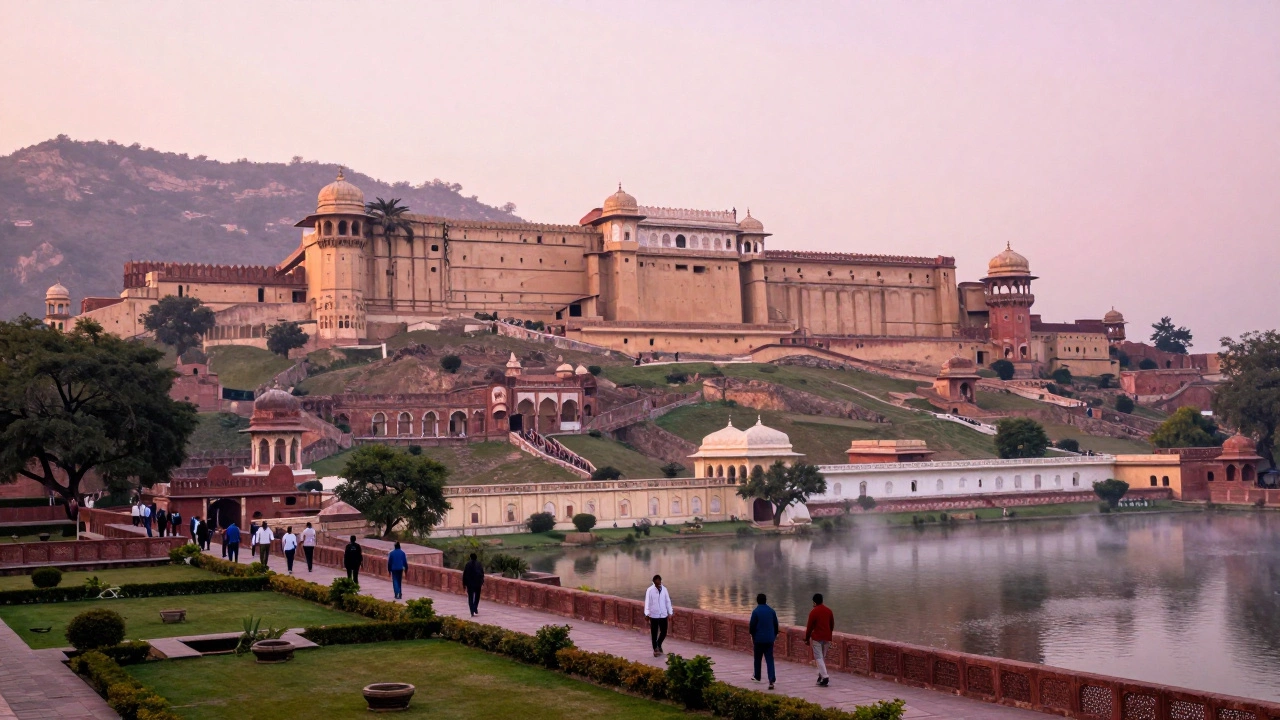
In Jaipur, the sights are more concentrated around the historic core. The crown jewel is Amber Fort, a massive fortress perched on a hill overlooking the Maota Lake. You can take a jeep ride up or walk through the gardens. Inside the city walls, you’ll find the City Palace, a complex of courtyards and gardens that still houses the royal family, and the Hawa Mahal (Palace of Winds), famous for its honeycomb-like facade with 953 small windows.
If you are into astronomy, Jaipur has the Jantar Mantar, a UNESCO World Heritage site with giant stone astronomical instruments built in the 18th century. Delhi also has a Jantar Mantar near the Red Fort, but Jaipur’s is larger and better preserved. For sheer scale and variety, Delhi wins. For iconic postcard views, Jaipur takes the prize.
Food: A Battle of Flavors
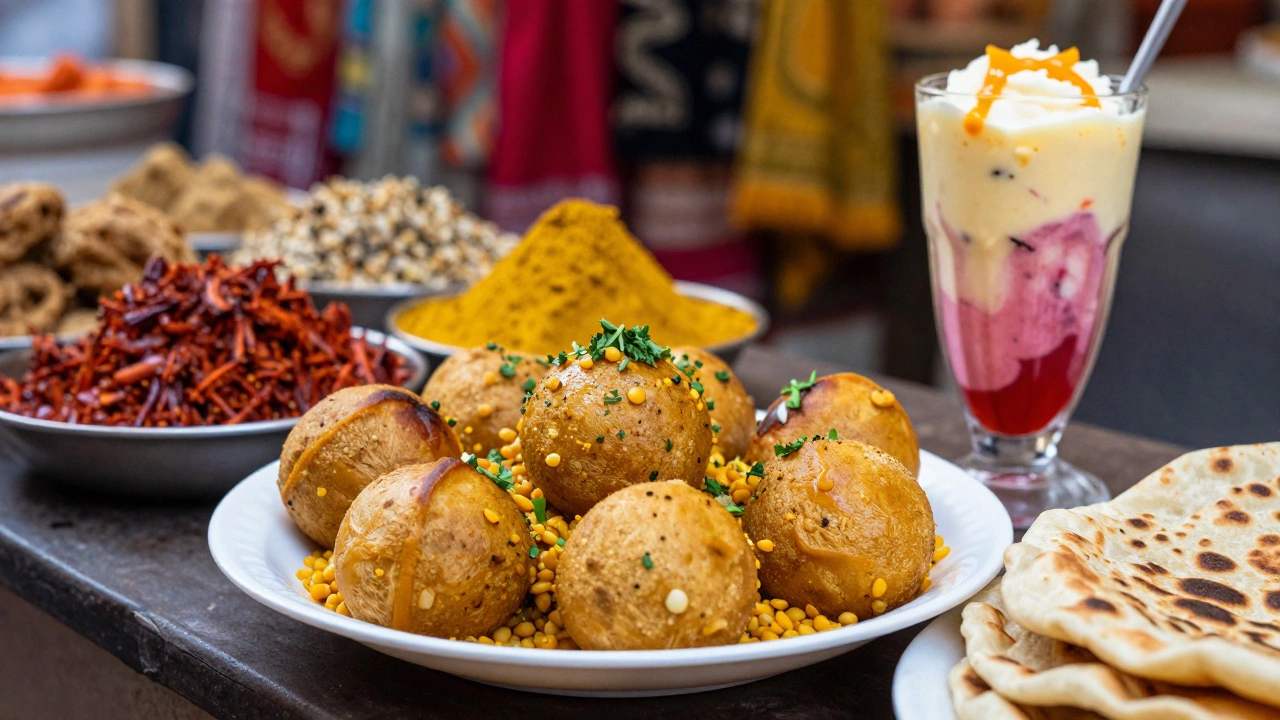
This is where Delhi truly shines. Delhi cuisine is a melting pot of Mughlai, Punjabi, and street food traditions. In Old Delhi’s Chandni Chowk, you can eat Paranthe Wali Gali’s stuffed flatbreads, try the legendary Kulfi Falooda at Guru Ka Lahori, or grab a buttery paratha from any corner stall. The street food scene is unmatched in India. You can also find high-end fine dining anywhere from Italian to Japanese.
Rajasthani cuisine in Jaipur is distinctively vegetarian-heavy due to historical influences. You must try Dal Baati Churma, a dish of lentils, baked wheat balls, and sweet crumbled wheat. It’s hearty, flavorful, and unique to the region. Jaipur is also famous for its sweets, especially Ghevar, a disc-shaped dessert soaked in sugar syrup, often enjoyed during festivals. While Delhi has better variety, Jaipur offers a more authentic regional culinary experience.
Shopping: Souvenirs and Silk
If you want to buy clothes, jewelry, or home decor, Jaipur is the winner. The city is a hub for artisans. Bapu Nagar is the go-to market for block-printed fabrics, while Johari Bazaar specializes in gemstone jewelry and miniature paintings. You can haggle here, and the prices are generally lower than in Delhi for handmade goods. The quality of handicrafts in Rajasthan is renowned globally.
Delhi’s markets are vast but more commercial. Sarojini Nagar is famous for surplus fashion brands at cheap prices, attracting shoppers from all over India. Chandni Chowk sells everything from spices to electronics, but it can be overwhelming. If you’re looking for luxury brands or international labels, Delhi’s malls like Select Citywalk or DLF Emporio offer a seamless experience. For unique, handcrafted souvenirs, stick to Jaipur.
Getting There and Around
Indira Gandhi International Airport in Delhi is one of Asia’s busiest hubs, with direct flights from almost every major city worldwide. Getting into the city is easy via metro or taxi. Jaipur’s Jaipur International Airport handles mostly domestic flights and some international connections from the Middle East and Southeast Asia. If you’re flying internationally, Delhi is usually your entry point.
Once you’re in, Delhi has an extensive metro system that is clean, affordable, and covers most tourist areas. Traffic jams are severe, so avoid driving yourself. In Jaipur, the metro is newer and smaller, covering fewer routes. Auto-rickshaws and app-based cabs like Ola and Uber are reliable. Both cities require patience when navigating transport, but Delhi’s infrastructure is more developed.
When to Visit: Weather Matters
Both cities suffer from extreme heat in summer. From April to June, temperatures regularly exceed 40°C (104°F). It’s not enjoyable to sightsee then. The best time to visit either city is between October and March. During these months, days are warm and pleasant, and nights are cool. Winter mornings might be foggy, especially in Delhi, which can delay flights. Monsoon season (July-September) brings relief from heat but heavy rains and humidity, making outdoor exploration less comfortable.
Which One Should You Choose?
If this is your first trip to India and you have limited time, start with Delhi. It gives you a broader sense of the country’s diversity-ancient, colonial, and modern. You can easily spend three to four days here without feeling rushed. If you have five or more days, add Jaipur. The journey between them is part of the adventure. Take the overnight Rajdhani Express train, which connects New Delhi to Jaipur in about six hours. It’s comfortable, scenic, and a classic Indian travel experience.
Don’t think of it as an either/or choice. Think of it as a sequence. Delhi introduces you to the chaos and complexity of India. Jaipur rewards you with beauty and craftsmanship. Together, they form the perfect introduction to North India.
Is Jaipur safe for solo female travelers?
Yes, Jaipur is generally considered safer and more tourist-friendly than Delhi. The city is used to visitors, and harassment is less common in main tourist areas like the Pink City and Amber Fort. However, standard precautions apply: dress modestly, avoid walking alone at night in isolated areas, and use reputable transport services.
How long should I stay in Jaipur?
Two full days are sufficient to see the main attractions: Amber Fort, City Palace, Hawa Mahal, and Jantar Mantar. If you enjoy shopping or want to visit nearby villages for block printing workshops, add a third day. Three days allows for a relaxed pace without rushing.
Can I visit both Delhi and Jaipur in one week?
Absolutely. Spend three days in Delhi exploring Old and New Delhi, then take a day trip or overnight train to Jaipur for two to three days. This itinerary covers the highlights of both cities without feeling too packed. Many tour operators offer combined packages for this route.
Is Delhi worth visiting if I only have three days?
Yes, but focus on specific areas. Stick to Old Delhi for street food and historical sites like Jama Masjid and Red Fort, and New Delhi for India Gate and Qutub Minar. Don’t try to see everything. Prioritize what interests you most-food, history, or modern landmarks-to make the most of your short stay.
What is the best way to get from Delhi to Jaipur?
The fastest option is the Shatabdi Express train, which takes about 4-5 hours and departs early morning. For a more luxurious experience, book a sleeper berth on the Rajdhani Express. Driving takes around 6-7 hours depending on traffic. Flying is quick (1 hour) but adds airport security time, making trains often more convenient overall.

About Author