Which Is the Most Famous Wildlife Sanctuary? A Global and Indian Perspective
Wildlife Sanctuary Travel Planner
Ask ten people which is the most famous wildlife sanctuary in the world, and you’ll likely get ten different answers. For some, it’s the vast grasslands of Africa where lions roam freely. For others, it’s the misty jungles of India home to the Bengal tiger. Then there are those who point to the geysers and bears of North America. The truth is, "fame" in conservation isn’t a single metric. It depends on what you’re looking for: rare species, cinematic landscapes, or historical significance.
If we measure fame by global recognition, visitor numbers, and cultural impact, a few names consistently rise to the top. In India, Jim Corbett National Park often holds the crown as the most famous wildlife destination. Globally, however, titles like Serengeti National Park and Yellowstone National Park compete fiercely for attention. This article breaks down why these specific sanctuaries are so renowned, helping you decide which one deserves your next trip.
The Case for Jim Corbett National Park
When discussing the most famous wildlife sanctuary in India, Jim Corbett National Park is rarely skipped. Established in 1936 as Hailey National Park, it was India’s first national park. Located in the Nainital district of Uttarakhand, this park spans over 520 square kilometers of riverine belts, hilly terrain, and dense sal forests.
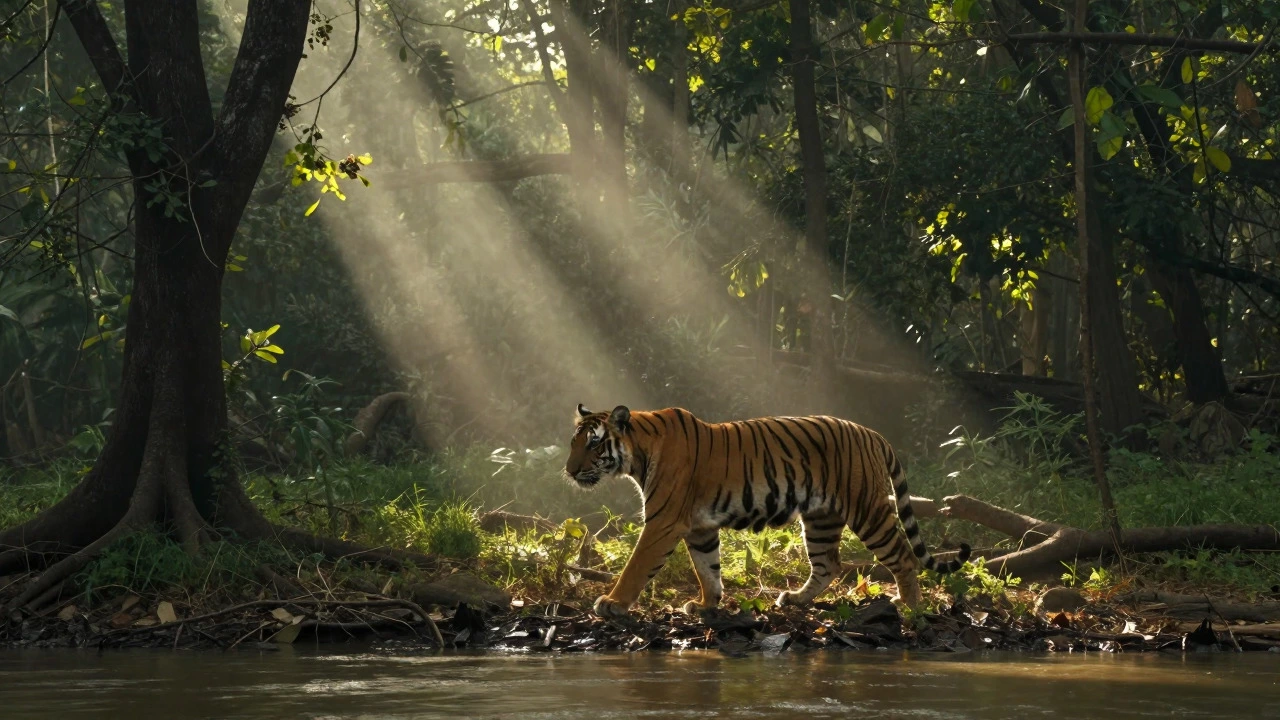
Why is it so famous? It all comes down to the Bengal tiger. Corbett offers one of the highest probabilities of spotting this elusive predator in its natural habitat. But it’s not just about tigers. The park is home to leopards, elephants, sloth bears, and over 600 species of birds. The name itself carries weight; it was named after Jim Corbett, the legendary hunter-turned-conservationist whose books brought global attention to Indian wildlife. If you want the quintessential Indian jungle experience, Corbett sets the standard.
The Global Heavyweight: Serengeti National Park
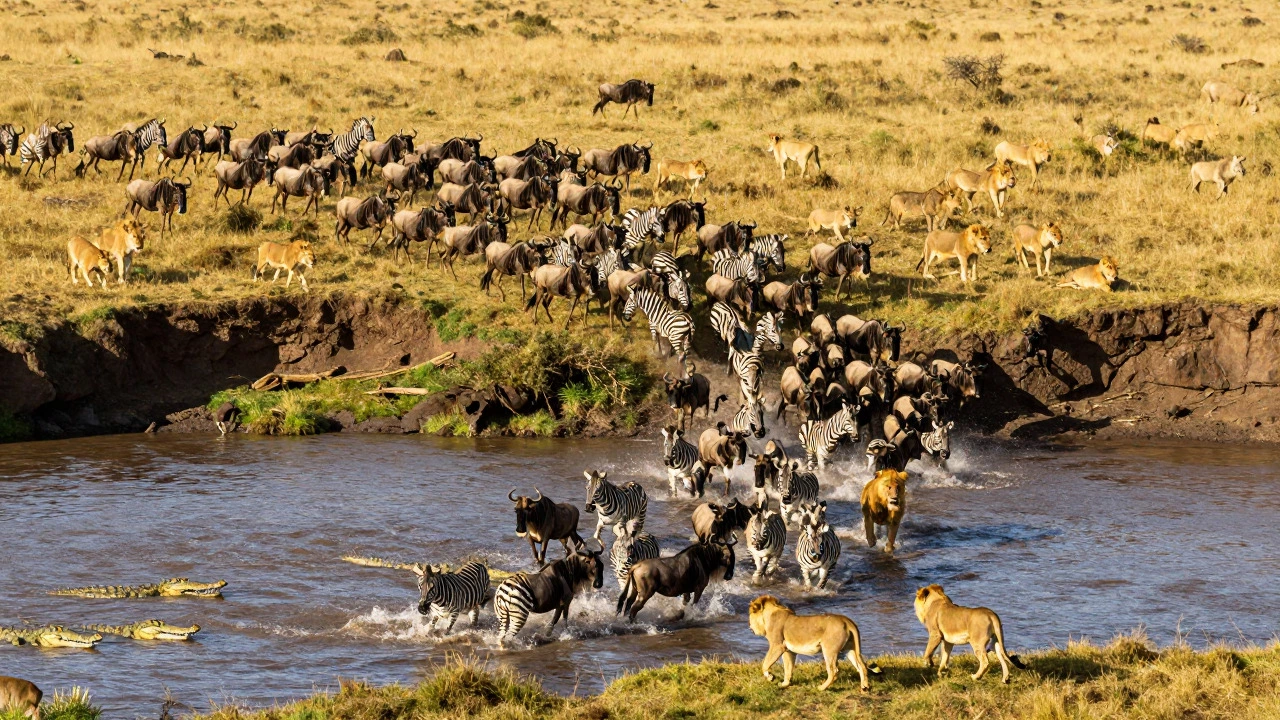
Step outside India, and the conversation shifts dramatically. Serengeti National Park in Tanzania is arguably the most famous wildlife reserve on the planet. Its fame stems from one spectacular event: the Great Migration. Every year, approximately 1.5 million wildebeest and hundreds of thousands of zebras and gazelles traverse the plains in search of fresh grazing land.
This movement creates a predator-prey dynamic unlike anywhere else on Earth. Lions, cheetahs, and hyenas gather at river crossings to hunt, creating scenes that have defined wildlife documentaries for decades. The sheer scale of life here-where death and birth happen in visible abundance-makes the Serengeti a bucket-list destination for travelers worldwide. It isn’t just a sanctuary; it’s a living theater of evolution.
America’s Icon: Yellowstone National Park
In North America, Yellowstone National Park takes the title. Established in 1872, it was the world’s first national park. While many think of it primarily for its geothermal features like Old Faithful, Yellowstone is also a critical wildlife sanctuary. It serves as a refuge for gray wolves, bison, grizzly bears, and elk.
The reintroduction of gray wolves in the 1990s turned Yellowstone into a global case study for ecosystem management. Watching a wolf pack hunt an elk is a raw, powerful experience that draws thousands of visitors annually. Its fame is rooted in history and its role in shaping the modern conservation movement. If you’re interested in how human intervention can restore ecological balance, Yellowstone is the place to see it.
The Rhino Capital: Kaziranga National Park
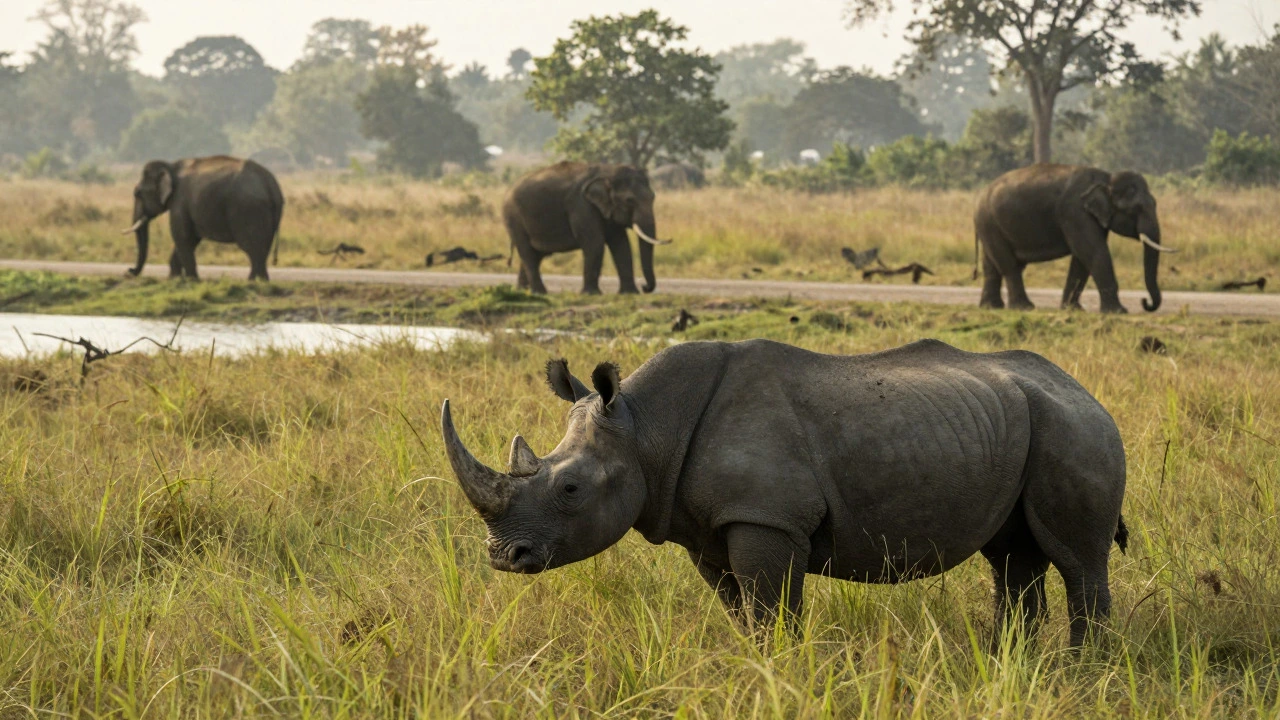
Back in India, another contender for the title of most famous wildlife sanctuary is Kaziranga National Park in Assam. Unlike Corbett, which focuses on tigers, Kaziranga is world-renowned for hosting two-thirds of the world’s population of the greater one-horned rhinoceros. This unique concentration of a single endangered species makes it a critical site for conservationists.
Kaziranga is also a UNESCO World Heritage Site. The landscape here is distinct-vast floodplains and tall elephant grass rather than dense forest. This open terrain makes wildlife viewing easier and more dramatic. Elephants often walk along the park’s roads, and the sight of a massive rhino charging through the grass is unforgettable. For those prioritizing rhinos and birdwatching, Kaziranga is unmatched.
Comparing the Giants: Which Should You Choose?
To help you decide, let’s look at the key attributes of these famous sanctuaries side by side.
| Sanctuary Name | Location | Primary Attraction | Best Time to Visit | Unique Selling Point |
|---|---|---|---|---|
| Jim Corbett National Park | Uttarakhand, India | Bengal Tiger | October to June | India's first national park; high tiger density |
| Serengeti National Park | Tanzania, Africa | Great Migration | June to October (Migration) | Largest mammal migration on Earth |
| Yellowstone National Park | Wyoming, USA | Gray Wolves & Bison | May to September | World's first national park; geothermal wonders |
| Kaziranga National Park | Assam, India | One-Horned Rhinoceros | November to April | Hosts 2/3rds of global rhino population |
| Ranthambore National Park | Rajasthan, India | Bengal Tiger | October to June | Tiger sightings against backdrop of ancient fort |
Other Notable Mentions in India
While Corbett leads in general fame, other Indian sanctuaries have carved out strong reputations for specific reasons. Ranthambore National Park in Rajasthan is famous for its tiger photography opportunities. The dry deciduous forest provides excellent visibility, and the ruins of Ranthambore Fort offer a stunning backdrop for wildlife shots. Many photographers prefer Ranthambore over Corbett because the terrain allows for clearer views of tigers resting near waterholes.
Another gem is Periyar Tiger Reserve in Kerala. Unlike the jeep safaris of the north, Periyar is known for boat safaris on a large lake surrounded by teak forests. This makes it ideal for spotting elephants, sambar deer, and exotic birds without the dust and noise of vehicles. It’s a quieter, more serene alternative to the intense safari culture of the northern parks.
What Makes a Sanctuary "Famous"?
Fame in wildlife tourism usually boils down to three factors: accessibility, iconic species, and media exposure. Parks that appear frequently in documentaries like those by David Attenborough gain instant global recognition. The Serengeti benefits immensely from this. Similarly, parks with easy access from major cities or airports tend to attract more visitors, boosting their profile. Jim Corbett’s proximity to Delhi and Dehradun helps it maintain high visitor numbers compared to more remote reserves.
Conservation success stories also drive fame. When a park successfully brings back a species from the brink of extinction, it becomes a symbol of hope. The recovery of the one-horned rhino in Kaziranga and the wolf population in Yellowstone are prime examples. These narratives resonate with travelers who want to feel that their visit supports meaningful change.
Planning Your Visit: Practical Tips
If you’re planning to visit any of these famous sanctuaries, preparation is key. Book permits well in advance, especially for popular zones in Corbett or Ranthambore. Safari slots fill up months ahead during peak season. Dress in neutral colors-khaki, beige, or olive green-to blend in with the environment and avoid disturbing animals.
Hire experienced naturalists. A good guide doesn’t just drive the jeep; they interpret animal behavior, spot tracks, and explain the ecosystem. This transforms a simple ride into an educational experience. Also, respect the rules. Stay inside the vehicle, keep noise levels low, and never feed the animals. These practices ensure that the sanctuaries remain pristine for future generations.
Conclusion: Choosing Your Adventure
So, which is the most famous wildlife sanctuary? If you’re in India, Jim Corbett National Park is the default answer due to its history and tiger population. Globally, the Serengeti stands alone for its migratory spectacle. Yellowstone remains the pioneer of protected areas. Each offers a unique window into the natural world. Your choice should depend on what kind of wildlife encounter you crave. Whether it’s the roar of a tiger, the thunder of hooves, or the silence of a bear watching a geyser, these places deliver unforgettable memories.
Is Jim Corbett National Park safe for tourists?
Yes, Jim Corbett is generally safe for tourists when guidelines are followed. Visitors must stay inside authorized safari vehicles at all times. The park has strict regulations enforced by forest department officials. Incidents are rare, but respecting boundaries and listening to guides ensures a safe experience.
What is the best time to visit Serengeti National Park?
The best time depends on what you want to see. For the Great Migration river crossings, visit between July and October. For calving season, when predators are active, January to March is ideal. The dry season generally offers better wildlife viewing as animals congregate around water sources.
Can I see tigers in Kaziranga National Park?
While Kaziranga is famous for rhinos, it does have a small population of Bengal tigers. However, tiger sightings are less common than in Corbett or Ranthambore due to the dense grassland habitat. Kaziranga is primarily recommended for rhino enthusiasts and birdwatchers.
How do I book a safari in Jim Corbett?
Safaris in Jim Corbett can be booked online through the official Uttarakhand Forest Department website or via authorized tour operators. Booking several months in advance is highly recommended, especially for the popular Dhikala and Bijrani zones. Ensure you carry valid ID proof during check-in.
Which wildlife sanctuary is best for beginners?
For beginners, Jim Corbett or Ranthambore in India are excellent choices due to their established infrastructure and high probability of wildlife sightings. Internationally, Yellowstone is very accessible with well-marked roads and visitor centers. These parks offer guided tours and educational resources that make the experience enjoyable for first-time visitors.
About Author

Popular Posts