Which World Heritage Site Is in Danger? India's Endangered Treasures
India's Endangered Heritage Explorer
Explore the specific dangers threatening India's iconic landmarks. Click on a site to view its threat profile, then take the quiz to test your understanding.
Agra Fort
High ThreatUttar Pradesh
Sundarbans
Critical ThreatWest Bengal
Fatehpur Sikri
Moderate ThreatUttar Pradesh
Heritage Conservation Quiz
Question 1: Which primary environmental factor is causing the existential threat to the Sundarbans?
You might think that once a place gets the UNESCO World Heritage stamp of approval, it’s safe forever. It’s not. The designation is a promise of protection, but for many sites, that promise is breaking under the weight of neglect, pollution, and unchecked development. When we ask "which world heritage site is in danger," we aren't just talking about distant ruins in war zones. We are looking at our own backyard. In India, several iconic landmarks are currently fighting for survival against modern pressures that threaten to erase centuries of history.
The Reality Behind the Danger List
The UNESCO World Heritage Committee maintains a specific list called the "List of World Heritage in Danger." This isn't a permanent blacklist; it’s an alarm bell. It signals that a site faces serious threats like armed conflict, natural disasters, or human-induced issues such as urbanization and pollution. Being on this list triggers urgent international attention and often unlocks funding for conservation. However, the absence of Indian sites from the current official global danger list can be misleading. Just because a site isn't officially flagged doesn't mean it's healthy. Many experts argue that several Indian heritage sites are effectively "in danger" due to severe degradation, even if bureaucratic processes haven't formally listed them yet.
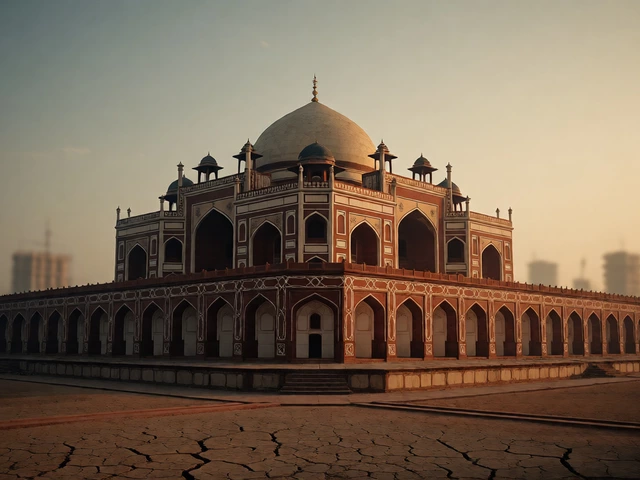
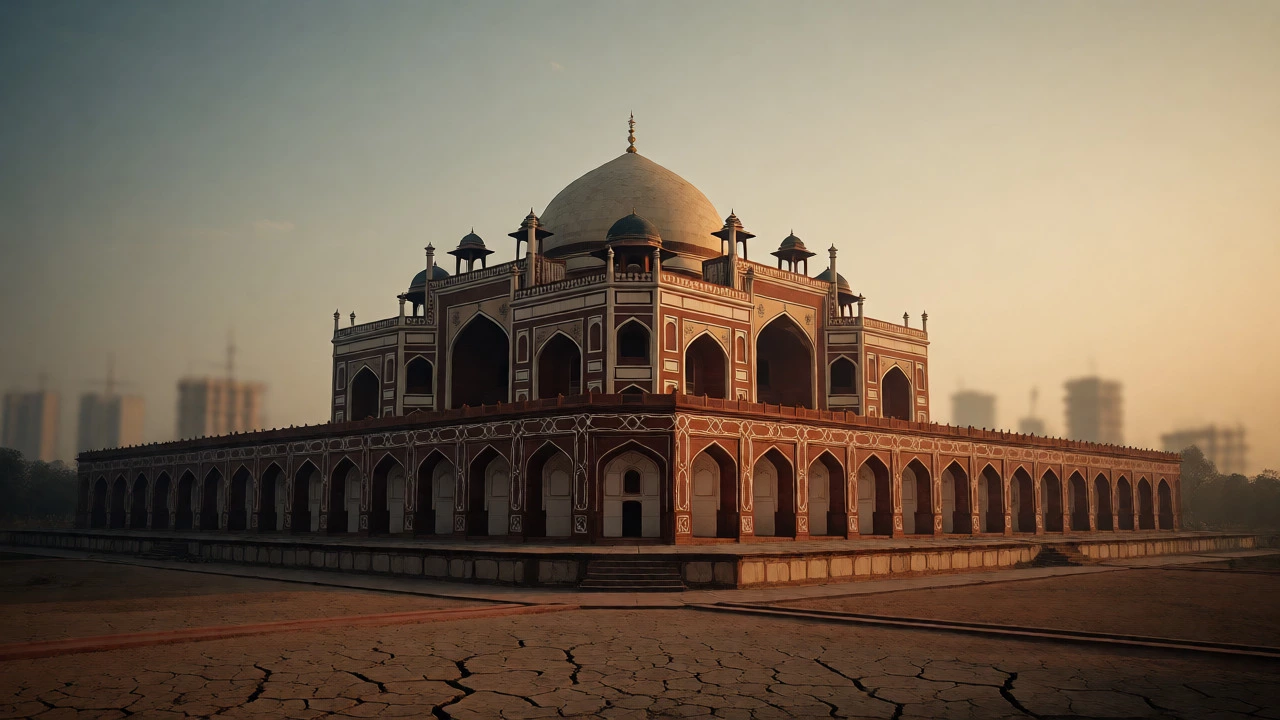
Humayun’s Tomb is a garden tomb located in Delhi, India, which was built between 1565 and 1572. It serves as a prime example of this hidden crisis. While it remains a stunning architectural marvel and the first garden-tomb on the Indian subcontinent, its surrounding buffer zone has been compromised by illegal construction and groundwater depletion. The structural integrity relies heavily on the stability of the water table, which has dropped significantly in recent decades.
Agra Fort: Suffocating Under Urban Pressure
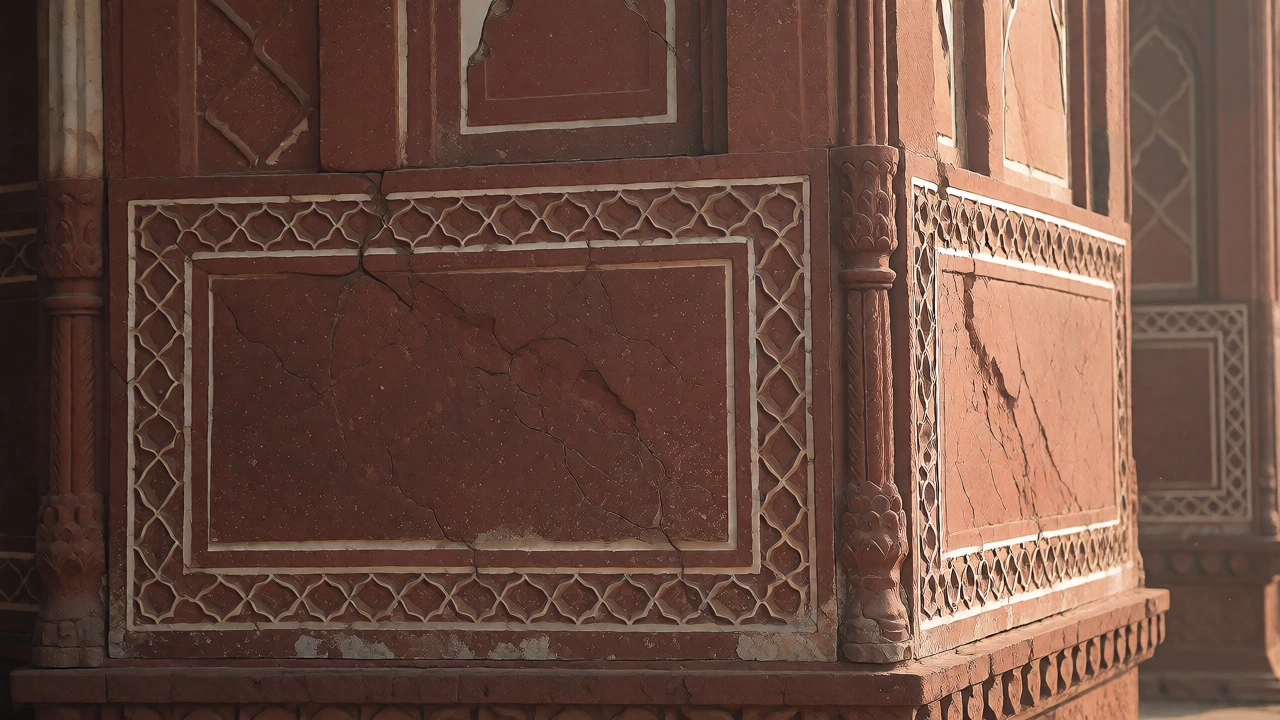
Let’s talk about Agra. Everyone knows the Taj Mahal, but the Agra Fort is a historical fort in the city of Agra in Uttar Pradesh, India. It was the main residence of the emperors of the Mughal Dynasty until 1638. This red sandstone masterpiece is arguably more historically significant than the Taj, yet it suffers from severe environmental stress. Acid rain, caused by industrial emissions from nearby factories and vehicle exhaust, is slowly eating away at the intricate carvings and marble inlays.
The issue here isn't just weather; it's management. The Archaeological Survey of India (ASI) struggles with maintenance budgets that don't match the visitor numbers. Millions of tourists walk through these corridors every year, causing vibration damage and wear on ancient floors. If you visit today, you’ll notice the discoloration on the lower walls-a direct result of rising dampness and salt crystallization. This is a classic case where tourism revenue outpaces conservation capacity, leaving the structure vulnerable to irreversible damage.
The Sundarbans: Climate Change’s First Victim
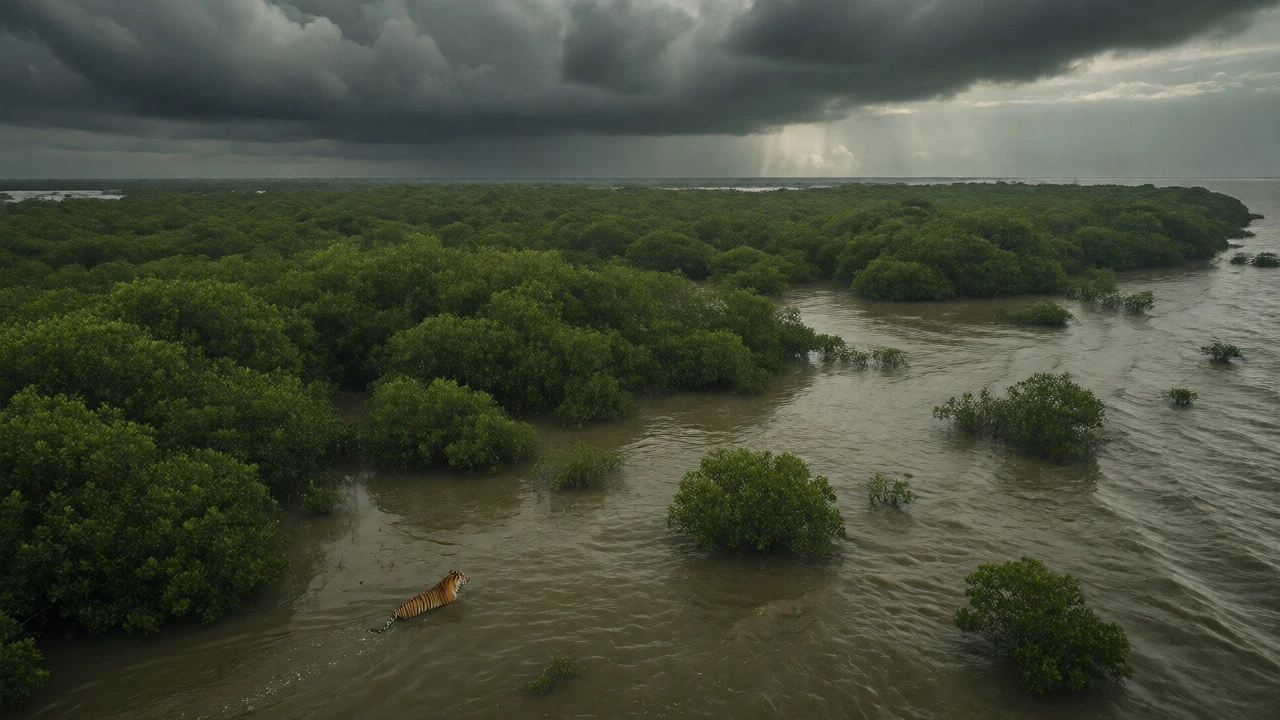
Move away from stone and mortar, and you find nature itself under threat. The Sundarbans National Park is a national park, tiger reserve, and biosphere reserve in West Bengal, India. It contains the largest mangrove forest in the world. This site is unique because it is both a natural and cultural heritage site. The danger here is existential: sea-level rise.
Climate models predict that parts of the Sundarbans could be submerged within the next few decades. Mangroves act as a carbon sink and a barrier against cyclones, but they need stable soil conditions to survive. As salinity increases, trees die off, leading to erosion. This isn't a future problem; it’s happening now. Fishermen report changing tidal patterns, and tigers are being forced into smaller territories, increasing human-wildlife conflict. For travelers, this means the landscape you see today might look drastically different in twenty years.
Fatehpur Sikri: Drying Up
Fatehpur Sikri was abandoned partly because its water source dried up. Today, it faces the same irony. Located near Agra, this red sandstone complex is one of the most well-preserved Mughal cities. But preservation is relative. The lack of moisture control leads to thermal expansion and contraction of the stone, causing cracks. Furthermore, the surrounding area lacks proper drainage systems. During monsoons, stagnant water pools around the foundations, accelerating decay.
Unlike the Taj Mahal, Fatehpur Sikri receives less media spotlight, which translates to fewer resources for specialized restoration. Local communities often use the outer walls for informal markets, adding physical stress to structures never designed for daily commercial foot traffic. The challenge here is balancing local livelihoods with strict conservation protocols.
Comparing the Threats
To understand why some sites are more critical than others, we need to look at the specific attributes causing their decline. Not all dangers are created equal. Some are reversible with policy changes; others require massive engineering interventions.
| Site Name | Primary Threat | Severity Level | Conservation Status |
|---|---|---|---|
| Agra Fort | Pollution & Acid Rain | High | Active Maintenance |
| Sundarbans | Sea-Level Rise | Critical | International Watch |
| Fatehpur Sikri | Water Stagnation | Moderate | Structural Monitoring |
| Elephanta Caves | Erosion & Vibration | Moderate | Restricted Access |
The Elephanta Caves, another UNESCO site near Mumbai, face a different set of problems. Located on an island, they suffer from salt spray corrosion and vibration from ferry traffic. The rock-cut architecture is delicate. Excessive humidity inside the caves promotes algae growth, which stains the sculptures. Conservationists have had to limit visitor numbers, but economic pressure from tour operators often pushes back against these restrictions.
What Can You Do?
So, when you plan your next trip, how do you help? First, choose responsible operators. Look for guides who emphasize conservation over photo ops. Second, respect the barriers. Those ropes aren't there to spoil your selfie; they're keeping millions of hands off fragile stone. Third, support local economies directly. When locals benefit from tourism, they become protectors rather than exploiters of heritage sites.
It’s also worth noting that technology is playing a bigger role. Digital documentation and laser scanning are helping create precise maps of deterioration. This allows restorers to target specific areas rather than applying blanket treatments that might harm original materials. If you’re interested in the technical side of heritage preservation, exploring how digital twins are used in archaeology can give you a deeper appreciation for what goes on behind the scenes.
Is the Taj Mahal currently on the UNESCO danger list?
No, the Taj Mahal is not currently on the official List of World Heritage in Danger. However, it faces significant threats from air pollution, yellowing of the white marble, and foundation instability due to falling groundwater levels. International bodies frequently urge India to implement stricter environmental controls in the Agra region.
Why is the Sundarbans considered a high-risk heritage site?
The Sundarbans is threatened primarily by climate change, specifically rising sea levels and increased salinity. These factors lead to mangrove death and coastal erosion, which destabilizes the ecosystem and the traditional ways of life dependent on it. Unlike stone monuments, this threat is environmental and harder to reverse quickly.
How does tourism affect heritage sites in India?
Tourism brings necessary funds for maintenance but also causes physical wear and tear. High foot traffic damages flooring, vibrations affect structural integrity, and human breath/humidity can accelerate chemical reactions in stone and paint. Poorly managed tourism can lead to overcrowding, which stresses the site beyond its carrying capacity.
What is the difference between a World Heritage Site and one in danger?
A World Heritage Site is recognized for its outstanding universal value. A site on the "Danger List" is a World Heritage Site that faces major threats requiring immediate conservation measures. Being on the danger list is not a punishment but a call for international assistance and focused management efforts to save the property.
Are there any new heritage sites in India recently added to the list?
Yes, India continues to gain recognition. Recent additions include sites like the Sacred Ensembles of the Hoysalas and Santiniketan. These newer sites often start with better management plans but still require vigilant monitoring to avoid the pitfalls faced by older, more famous sites like Agra or Delhi.



About Author