How Many Days to Travel All of India: The Realistic Timeline
🇮🇳 India Travel Duration & Budget Estimator
Configure Your Trip
Trip Overview
Regional Time Allocation
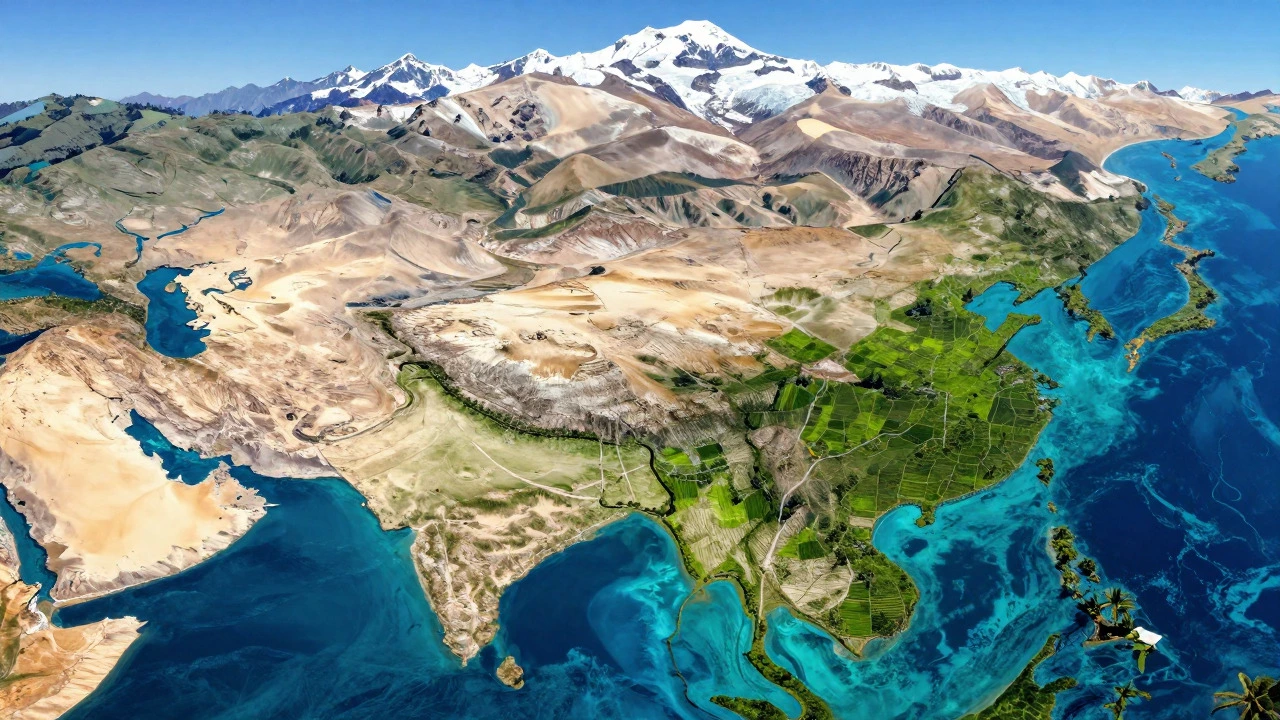
Imagine standing at the edge of a continent that feels like three different countries stitched together. That is India is a vast South Asian nation spanning diverse climates, cultures, and landscapes from the Himalayas to the tropical coasts. It covers 3.28 million square kilometers, roughly the size of Western Europe. So, how many days do you actually need to see it all? The honest answer is: you can’t see "all" of it in one trip unless you plan for over two years.
However, you can experience the essence of the country-the major states, iconic landmarks, and distinct cultural zones-in a manageable timeframe. For most travelers, a comprehensive circuit takes between 60 and 90 days. If you are on a tight schedule, 30 days gets you through the highlights. This guide breaks down the realistic timelines based on your pace, budget, and geographic focus.
Why Geography Dictates Your Timeline
Before we count days, we have to look at the map. India isn't just big; it's geographically fragmented. Moving from one region to another often involves crossing time zones (though officially all India uses IST, the sun rises hours apart in the east and west), changing weather patterns drastically, and navigating complex rail or road networks.
The country divides into four main travel zones:
- North India: Includes Delhi, Uttar Pradesh, Rajasthan, Punjab, and Himachal Pradesh. Known for history, forts, and mountains.
- West India: Includes Maharashtra (Mumbai), Goa, and Gujarat. Famous for beaches, colonial architecture, and business hubs.
- East India: Includes West Bengal (Kolkata), Odisha, and Assam. Rich in literature, tea gardens, and river deltas.
- South India: Includes Kerala, Tamil Nadu, Karnataka, Andhra Pradesh, and Telangana. Characterized by temples, backwaters, and ancient dynasties.
To cover "all" India, you must visit at least one major hub in each zone. Ignoring any zone means missing a significant part of the cultural identity. For example, skipping East India means missing the Sundarbans and the vibrant street life of Kolkata. Skipping South India means missing the intricate temple carvings of Madurai or the houseboats of Alleppey.
Three Paces, Three Timelines
Your daily rhythm determines the total duration. Here are three common travel styles and how they impact the number of days needed.
The Budget Backpacker Pace (75-90 Days)
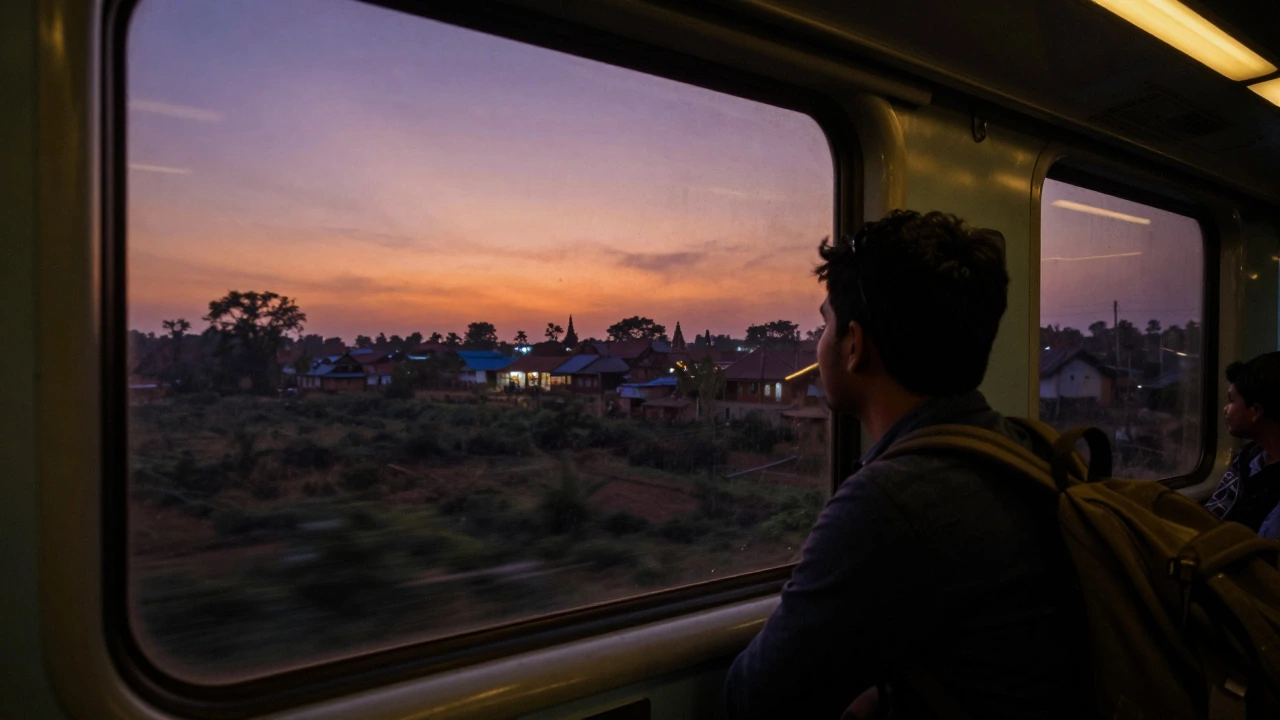
This is the most common route for those wanting depth without luxury. You rely on overnight trains, hostels, and local buses. The key here is that travel time is part of the experience. An overnight train from Delhi to Mumbai takes about 14-16 hours. You lose a day of sightseeing but save on accommodation.
At this pace, you spend 2-3 nights in each city. You don't rush. You sit in a park in Jaipur, watch the sunrise in Rishikesh, and explore the markets in Varanasi slowly. This allows for spontaneous detours, which are often where the best memories come from.
The Balanced Explorer Pace (45-60 Days)
This traveler mixes long-distance flights with short regional trips. You fly from Delhi to Bangalore, then take a train to Chennai. You stay 2 nights per major destination. This pace requires better planning because flight tickets need booking in advance, especially during peak seasons (October to March).
You will miss some rural experiences but will cover more ground. Expect to hit the top 15-20 cities across all four regions. It’s efficient but leaves little room for error if a flight is cancelled or a visa issue arises.
The Highlight Tourist Pace (25-30 Days)
This is the "Golden Triangle plus" approach. You focus on the most famous spots: Delhi, Agra, Jaipur, Mumbai, Goa, and maybe one South Indian city like Kochi. You move fast. You use domestic flights for every leg. You sleep in hotels near tourist centers. While you won't see the "real" India, you will see the iconic India. This is suitable for first-timers who want a taste of everything without committing to months off work.
Regional Breakdown: How Long Does Each Zone Take?
To build your itinerary, you need to allocate specific days to each region. Here is a realistic allocation for a balanced 60-day trip.
| Region | Key Destinations | Minimum Days | Ideal Days | Primary Transport |
|---|---|---|---|---|
| North India | Delhi, Agra, Jaipur, Varanasi, Amritsar | 10 | 15 | Rail/Road |
| West India | Mumbai, Goa, Udaipur, Ahmedabad | 8 | 12 | Flight/Rail |
| East India | Kolkata, Darjeeling, Bhubaneswar | 7 | 10 | Flight/Rail |
| South India | Bengaluru, Chennai, Madurai, Kochi, Munnar | 10 | 15 | Flight/Rail |
| Travel Buffer | Transit days, rest, unexpected delays | 5 | 10 | N/A |
Note that the "Travel Buffer" is crucial. In India, things rarely go exactly according to plan. Trains get delayed. Roads get blocked. You might fall ill. Adding 5-10 extra days prevents stress and allows you to adjust your plans on the fly.
Transportation: The Hidden Time Cost
Many travelers underestimate transit time. India has one of the largest railway networks in the world, operated by Indian Railways is the fourth-largest railway network in the world by length, connecting major cities and remote towns. While convenient, it is slow compared to flying.
Here are some common routes and their approximate durations:
- Delhi to Mumbai: 14-16 hours by overnight train vs. 2 hours by flight.
- Mumbai to Chennai: 24+ hours by train vs. 2.5 hours by flight.
- Chennai to Kochi: 12 hours by train vs. 1.5 hours by flight.
- Kolkata to Delhi: 18 hours by train vs. 2.5 hours by flight.
If you choose trains, you are trading speed for cost and scenery. A sleeper berth costs a fraction of a flight ticket. However, if you are aiming for a 30-day trip, trains will eat up too much time. Use trains for regional moves within a state (e.g., Jaipur to Agra) and flights for inter-state jumps (e.g., Delhi to Bangalore).
Budget Considerations for Long Trips
Since this topic relates to budget travel India, let’s talk money. The longer you stay, the lower your daily cost usually becomes, provided you stick to consistent habits.
A solo backpacker can manage on $30-$50 USD per day. This includes:
- Accommodation: Hostels or guesthouses ($5-$15/night).
- Food: Street food and local thalis ($5-$10/day).
- Local Transport: Auto-rickshaws, buses, metro ($3-$5/day).
- Entry Fees: Temples and forts ($2-$5 per site).
For a 60-day trip, your base cost would be around $1,800-$3,000 USD, excluding international flights and inter-city transport. Inter-city transport can add another $300-$600 depending on how many flights you take. Booking domestic flights early can save 20-30%.
Seasonal Impact on Itinerary Length
When you travel matters as much as how long you travel. India has distinct seasons that affect accessibility.
Winter (November-February): Best for North India (Himalayas, Rajasthan). Weather is pleasant. Crowds are high. Prices are higher. Summer (March-June): Hot in the north. Good for South India (cooler temperatures). Beaches in Goa are rough due to monsoon waves. Monsoon (July-September): Lush greenery in the north and east. Heavy rains in the south. Some trekking trails close. Flights may be delayed.
If you travel during the monsoon, you might need extra buffer days for rain disruptions. If you travel in winter, you might need fewer buffer days because infrastructure operates smoothly, but you’ll face higher demand for bookings.
Common Mistakes That Extend Your Trip Unnecessarily
Even with a good plan, these errors can add weeks to your journey:
- Overpacking: Carrying heavy luggage makes moving between trains and buses exhausting. Pack light. One small bag and one daypack is enough.
- Ignoring Visa Rules: Most nationalities need an e-Visa for India. Apply online before you arrive. Processing takes 3-5 business days. Delays here waste precious vacation days.
- Staying Too Long in One City: After 3-4 days, most major cities start feeling repetitive. Move on to keep energy high.
- Underestimating Heat:** In summer, midday activities are tough. Plan sightseeing for early morning and late evening. Rest in the afternoon. This doesn't extend the trip, but it changes the daily structure.
Building Your First Itinerary: A Sample 60-Day Plan
Here is a concrete example of how a 60-day trip could look, covering all four regions.
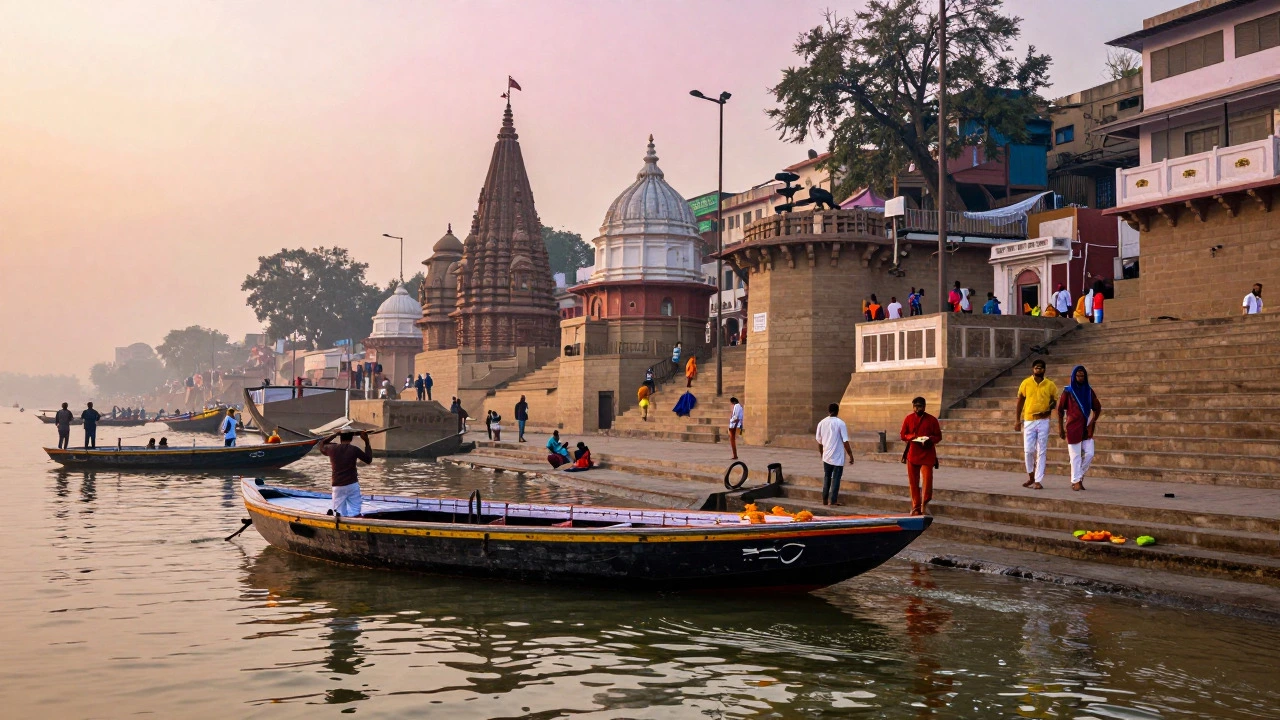
Days 1-15: North India Start in Delhi (3 days). Train to Agra (2 days, Taj Mahal). Train to Jaipur (3 days, forts and palaces). Fly to Amritsar (2 days, Golden Temple). Train to Varanasi (3 days, Ganges ghats). Fly out to Mumbai.
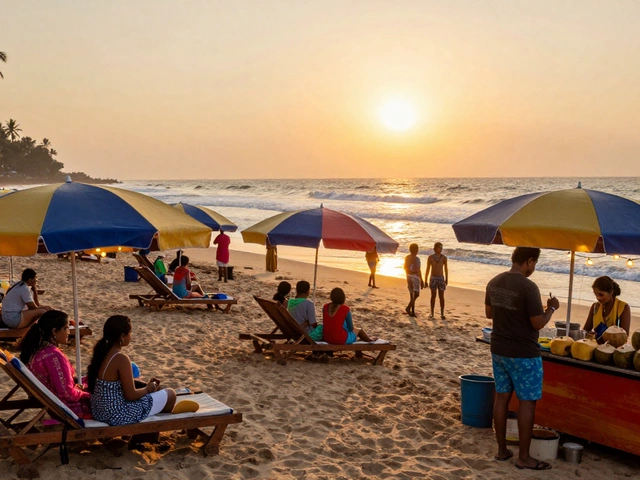
Days 16-25: West India Mumbai (3 days, Gateway of India, Marine Drive). Train to Goa (2 days, beaches). Fly to Udaipur (2 days, lakeside palace). Fly to Ahmedabad (2 days, Sufi heritage). Fly to Bangalore.
Days 26-40: South India Bangalore (2 days, tech hub and gardens). Train to Mysore (1 day, palace). Fly to Chennai (3 days, Marina Beach, temples). Train to Madurai (2 days, Meenakshi Temple). Fly to Kochi (3 days, colonial history). Houseboat in Alleppey (2 days).
Days 41-55: East India Fly to Kolkata (3 days, Victoria Memorial, street food). Train to Darjeeling (4 days, tea gardens and views). Train to Bhubaneswar (2 days, Jagannath Temple). Fly to Delhi.
Days 56-60: Buffer and Departure Use these days for missed connections, rest, or revisiting a favorite spot. Fly home from Delhi.
Frequently Asked Questions
Is 30 days enough to see India?
Yes, 30 days is enough to see the highlights of all four regions if you use flights for long distances. You will miss the slower, deeper experiences, but you will cover the major tourist destinations. It requires strict planning and minimal downtime.
What is the best time to travel all of India?
There is no single perfect month. October to November is ideal for North India and the start of the monsoon in the South. January to February is great for the Himalayas. July to August is best for lush greenery in the North but risky for beach holidays in the South. Choose your primary interest and align the season accordingly.
Can I travel all of India on a budget?
Absolutely. India is one of the most affordable countries for travel. By using trains, staying in hostels, and eating local food, you can keep daily costs under $50. The main expense will be domestic flights if you choose the faster pace.
Do I need a visa for every state in India?
No, you only need one e-Visa or regular visa for the entire country. However, some remote areas in Northeast India (like Arunachal Pradesh and Sikkim) require special permits called Inner Line Permits. These can be obtained locally or pre-arranged through agents.
Which region should I prioritize if I only have 15 days?
If you have only 15 days, focus on North India (Delhi, Agra, Jaipur) and one other region based on your interests. For culture and temples, add South India (Chennai/Madurai). For beaches and relaxation, add West India (Goa). Mixing too many regions in 15 days leads to exhaustion.

About Author