Why Are Flights to Maldives So Expensive? A Traveler's Guide
Maldives Trip Cost Estimator
Flights to the Maldives are often just the beginning. This tool helps you calculate the true cost by factoring in airport transfers (seaplanes/speedboats) and seasonal price fluctuations.
Trip Breakdown
You just found the perfect honeymoon spot. The water is turquoise, the overwater bungalows look like something out of a dream, and you’re ready to book. Then you check the flight prices from your nearest major hub-say, Mumbai or Delhi-and your heart sinks. Why are flights to Maldives so expensive? It’s not just one thing; it’s a mix of geography, monopoly power, and pure demand.
If you’ve ever tried to plan a trip to this archipelago, you know the feeling. You see cheap resort packages online, but when you add the airfare, the total cost balloons. Is it the fuel? The taxes? Or is someone just taking advantage of your desperation for paradise? Let’s break down exactly what drives those numbers up, so you can decide if the splurge is worth it or if there’s a smarter way to fly.
The Geography Problem: Small Runways, Big Costs
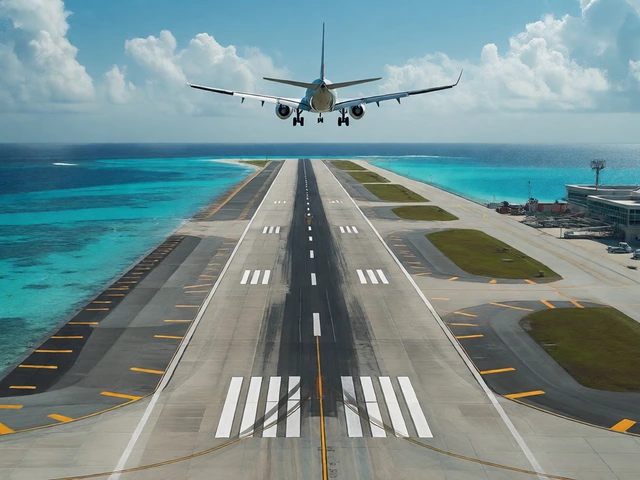
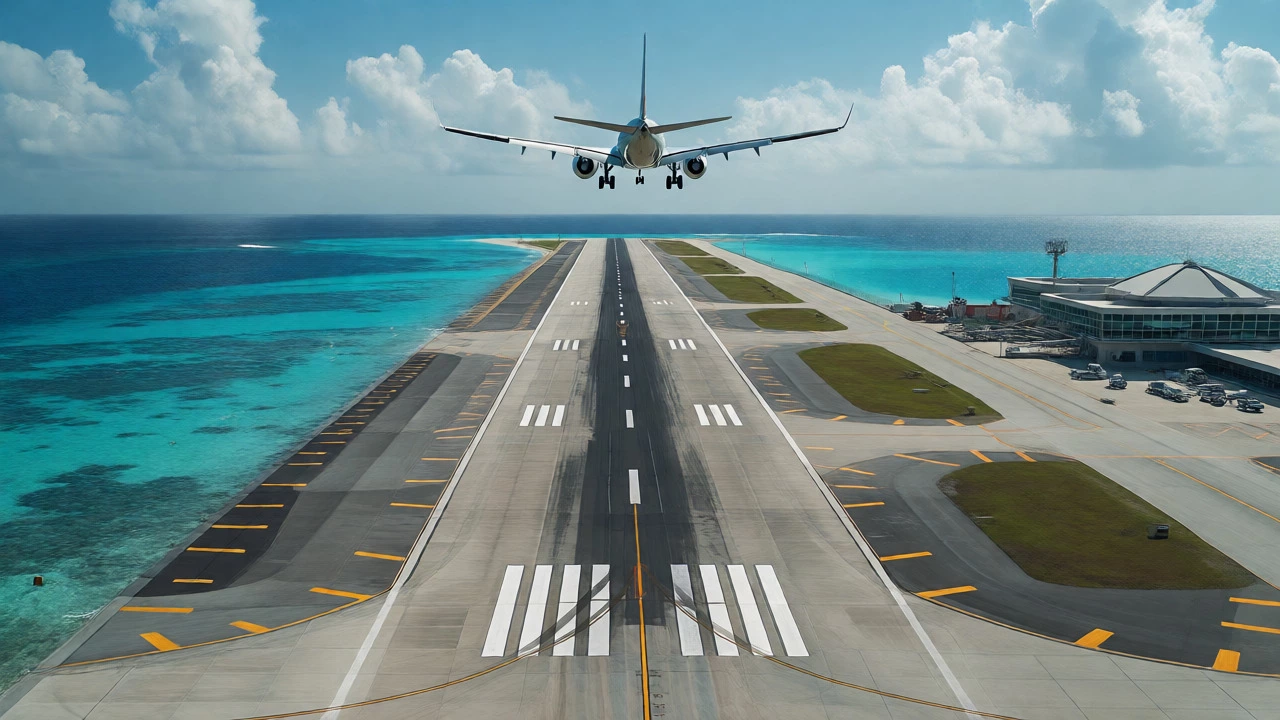
First, let’s talk about where you’re actually landing. The main gateway is Velana International Airport (MLE), located on Hulhulé Island near the capital, Malé. Unlike big international hubs like Singapore Changi or Dubai International, MLE has a single runway. This physical constraint limits how many planes can land and take off per hour, especially during peak tourist seasons.
Because the airport sits in the middle of a busy shipping lane and close to residential areas, noise regulations and operational windows are strict. Airlines can’t always schedule night flights as freely as they do in larger cities. This scarcity of slots means airlines have less flexibility to optimize their routes, often leading to higher operational costs that get passed on to you. Plus, the sheer distance from many Asian markets adds fuel burn, though that’s only part of the story.
The Monopoly Factor: Limited Airline Competition
Here’s the uncomfortable truth: competition keeps prices low. When only a few players control a route, prices stay high. For years, Maldivian, the national carrier, held a dominant position. While they’ve opened up skies more recently, the market isn’t fully liberalized like Europe or North America.
Major international carriers like Singapore Airlines, Emirates, and Qatar Airways fly into Malé, but they aren’t flying empty seats. They target premium travelers willing to pay for comfort. Budget airlines exist, but their frequency and reliability can be inconsistent compared to legacy carriers. If you’re flying from India, you might think IndiGo or Air India would offer rock-bottom fares. Sometimes they do, but often these flights connect through Colombo or Bangkok, adding time and sometimes hidden costs.
| Airline Type | Examples | Price Range | Pros | Cons |
|---|---|---|---|---|
| Full-Service Legacy | Singapore Airlines, Emirates | High | Comfort, reliability, lounge access | Expensive, rigid schedules |
| National Carrier | Maldivian, SriLankan Airlines | Medium-High | Direct routes, local knowledge | Limited fleet, occasional delays |
| Budget/Low-Cost | FlySriLanka, some seasonal charters | Low-Medium | Cheaper base fare | Baggage fees, no meals, tight connections |

Demand vs. Supply: The Honeymoon Premium
The Maldives isn’t just a beach destination; it’s a brand synonymous with luxury and romance. A huge chunk of visitors are honeymooners or couples celebrating anniversaries. These travelers are price-insensitive-they care more about experience than saving $100 on airfare. Airlines know this.
This creates a classic economic scenario: high willingness to pay meets limited supply. During peak seasons (December to April), demand spikes. Resorts sell out, and flight seats disappear fast. Airlines don’t need to discount heavily because people will buy anyway. It’s similar to why ski lift tickets are expensive in Aspen during Christmas. The product is exclusive, and the customer base expects to pay for exclusivity.
If you’re traveling solo or with friends, you might feel penalized by this dynamic. But remember, the airline isn’t targeting you specifically; they’re optimizing revenue across all passengers. Business travelers also use these routes, further driving up average ticket prices since business class yields subsidize economy fares.
Hidden Costs: Seaplanes and Speedboats
Wait, you haven’t even left the airport yet. Here’s a sneaky expense that makes the whole trip feel pricier: transfers. Most resorts are on private islands, not connected by bridge. To reach them, you need a seaplane or a speedboat.
Seaplane transfers operated by companies like Trans Maldivian Airways (TMA) can cost $400-$600 round-trip per person. That’s more than some round-trip flights from nearby countries! These costs are rarely included in standard airfare quotes. When you compare "total trip cost," the flight looks expensive partly because the logistics of getting from the airport to your villa are complex and costly.
Speedboats are cheaper ($50-$150) but only work for closer atolls. If your dream resort is far away, you’re stuck paying the seaplane tax. This infrastructure gap inflates the perceived cost of flying to the Maldives because the journey doesn’t end at the terminal gate.

How to Beat the High Prices
So, is it hopeless? Not at all. You just need to play the game differently. Here are practical ways to lower your airfare bill without sacrificing the experience.
- Travel Off-Peak: May to October is the rainy season, but it’s also the low season. Rain showers are usually short bursts, followed by sunshine. Flight prices can drop by 30-50%. Resorts offer massive discounts too.
- Book Early, But Not Too Early: Aim for booking 3-6 months in advance. Last-minute deals are rare because capacity is tight.
- Consider Indirect Flights: Flying via Colombo (Sri Lanka) or Kuala Lumpur (Malaysia) can sometimes save money, especially if you combine it with a stopover deal. Just ensure your layover is long enough to handle potential delays.
- Check Nearby Airports: If you live in southern India, flying from Trivandrum or Kochi might be cheaper than Delhi, even with a connection. Use flight aggregators to compare regional departures.
- Bundle Smartly: Some tour operators negotiate bulk airfare rates. If you’re staying at a specific resort chain, ask if they have partnerships with airlines for discounted packages.
Is It Worth It?
Let’s be real: the Maldives is expensive. There’s no hiding that. But asking "why" helps you understand what you’re paying for. You’re paying for isolation, pristine reefs, personalized service, and logistical complexity. If you view the flight as part of the luxury experience rather than just transportation, the sticker shock softens.
However, if budget is your primary concern, consider alternatives. Andaman Islands in India offer similar coral reefs and white sands at a fraction of the cost. Thailand’s Phi Phi Islands or Indonesia’s Bali provide comparable beauty with much cheaper flights and accommodation. The Maldives remains unmatched for ultra-luxury privacy, but it’s not the only option for tropical bliss.
Are flights to Maldives cheaper in summer?
Yes, generally speaking. The period from May to October is considered the low or monsoon season. While you might encounter rain, flight prices and resort rates drop significantly compared to the December-April peak season. Many travelers find that short daily showers don't ruin their vacation, making this a great time for budget-conscious tourists.
Do I need to pay extra for seaplane transfers?
In most cases, yes. Unless you are staying on a local island like Dhigurah or Thoddoo which is accessible by ferry or speedboat, remote resorts require seaplane transfers. These are rarely included in standard flight tickets and must be booked separately with the resort or transfer operator. Costs typically range from $400 to $600 per person round-trip.
Which airlines offer the cheapest flights to Maldives?
From India, carriers like IndiGo and Air India Express often have competitive rates, though they may involve stops. From Southeast Asia, Scoot or AirAsia might offer deals to Colombo or Kuala Lumpur, from where you can catch a connecting flight. However, true budget options directly to Malé are limited. Always compare total costs including baggage fees.
Is it better to book flights and hotels together?
It depends. Package deals from travel agencies can sometimes bundle airfare and accommodation at a discount, especially for longer stays. However, independent booking gives you more flexibility. Compare the package price against booking flights separately using aggregators and reserving the hotel directly. Often, direct hotel bookings include perks like free breakfast or spa credits that offset the slightly higher room rate.
Why are Maldives flights expensive compared to Thailand?
Thailand has multiple large international airports (Bangkok, Phuket, Krabi) and intense competition among dozens of airlines, including low-cost carriers. The Maldives relies primarily on one airport with limited slots and fewer competing airlines. Additionally, the Maldives targets a higher-end demographic, allowing airlines to maintain premium pricing strategies.



About Author