Is 10,000 Rupees a Lot in India? A Realistic Budget Guide
India Budget Estimator
Enter your estimated daily spending to see how many days ₹10,000 (or a custom amount) will last you.
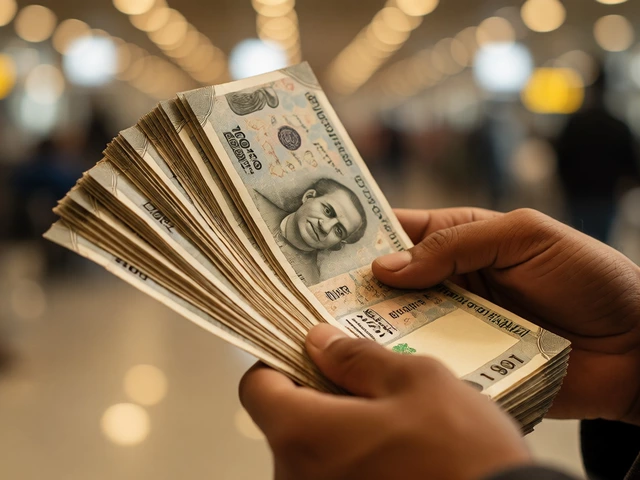
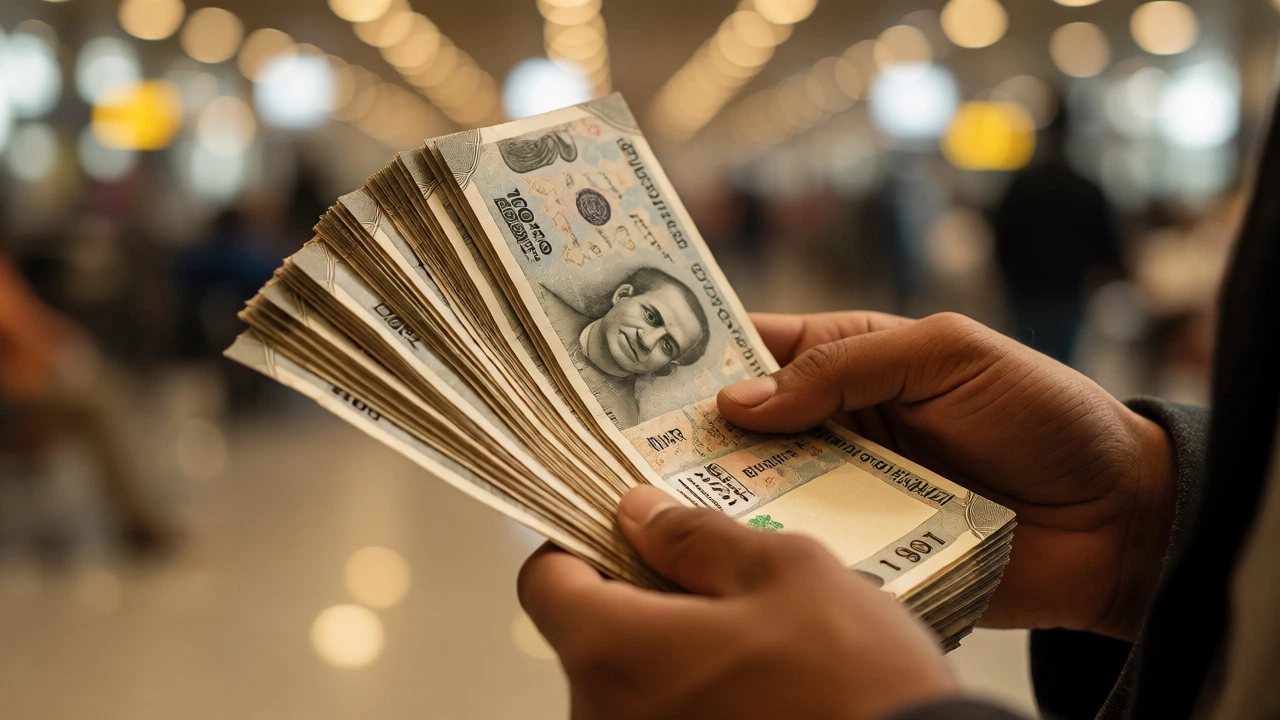
You land at Delhi airport, exchange your currency, and stare at a stack of notes. Is 10,000 rupees enough for a day? Or does it last a week? The answer depends entirely on who you ask and where you stand. For a backpacker eating dal-bati in Rajasthan, ₹10,000 is a fortune that covers five days of comfortable living. For a tourist staying in a five-star hotel in Mumbai with private transfers, it might vanish before lunch.
Let’s break down the reality of Indian pricing without the glossy filter of travel brochures. We need to look at what this amount actually buys you across different categories: lodging, food, transport, and experiences. This isn’t just about converting dollars or euros; it’s about understanding purchasing power parity in a country as diverse as India.
What Does ₹10,000 Actually Buy You?
To understand value, you have to strip away the "tourist tax" often applied in major hubs like Goa or Jaipur. In Tier-2 cities like Indore, Mysuru, or Varanasi, your money stretches significantly further. Here is a realistic breakdown of costs for a mid-range traveler versus a budget backpacker.
| Category | Budget Backpacker Cost | Mid-Range Traveler Cost | Luxury/Expat Cost |
|---|---|---|---|
| Accommodation (Nightly) | ₹500 - ₹800 (Hostel/Dorm) | ₹1,500 - ₹3,000 (3-Star Hotel) | ₹8,000+ (4/5-Star Resort) |
| Food (Daily) | ₹300 - ₹500 (Street Food) | ₹800 - ₹1,200 (Local Restaurants) | ₹2,500+ (Fine Dining/Cafes) |
| Transport (Daily) | ₹100 - ₹200 (Bus/Rickshaw) | ₹500 - ₹800 (Uber/Ola Auto) | ₹2,000+ (Private Driver) |
| Activities (Entry Fees) | ₹0 - ₹200 (Free sites) | ₹500 - ₹1,000 (Monuments) | ₹2,000+ (Guided Tours) |
| Total Daily Spend | ₹900 - ₹1,700 | ₹3,300 - ₹6,000 | ₹12,500+ |
See the pattern? If you stick to the budget backpacker lifestyle, ₹10,000 lasts you nearly six full days. If you want air conditioning, Wi-Fi reliability, and sit-down meals with service charges, that same ten thousand rupees gives you two to three days of comfort. And if you are expecting Western-style luxury standards, you haven’t even started spending yet.
The Accommodation Reality Check
Where you sleep dictates how long your money lasts. In India, the gap between a clean, safe hostel dorm and a boutique heritage hotel is massive. Let’s look at specific examples.
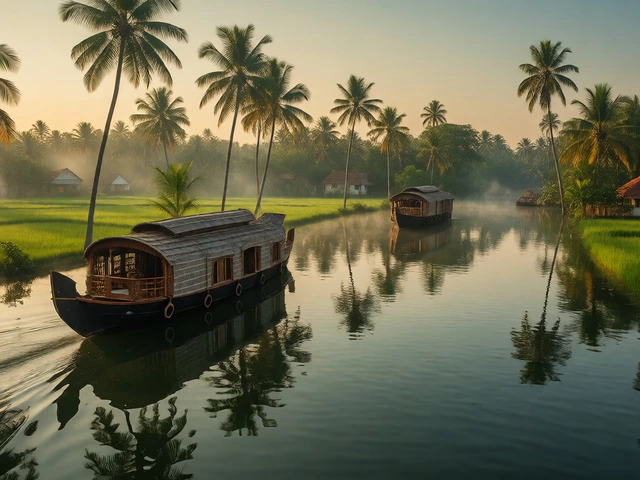
In places like Varanasi, a basic guest room with an attached bathroom near the ghats can cost around ₹800 per night. It won’t be Instagram-perfect, but it’s clean and functional. Move to Mumbai, and that same standard jumps to ₹2,500 because real estate is scarce. In rural areas of Kerala or Himachal Pradesh, homestays run by local families often include home-cooked meals for under ₹1,000 total. This is the sweet spot for many travelers.
Be careful with online booking platforms. They often list properties at inflated rates compared to walk-in prices, especially during off-season. However, bargaining has limits. Don’t expect a 50% discount on a listed price unless you’re staying for a week. A polite negotiation of 10-15% is usually acceptable at smaller establishments.
Eating Well Without Breaking the Bank
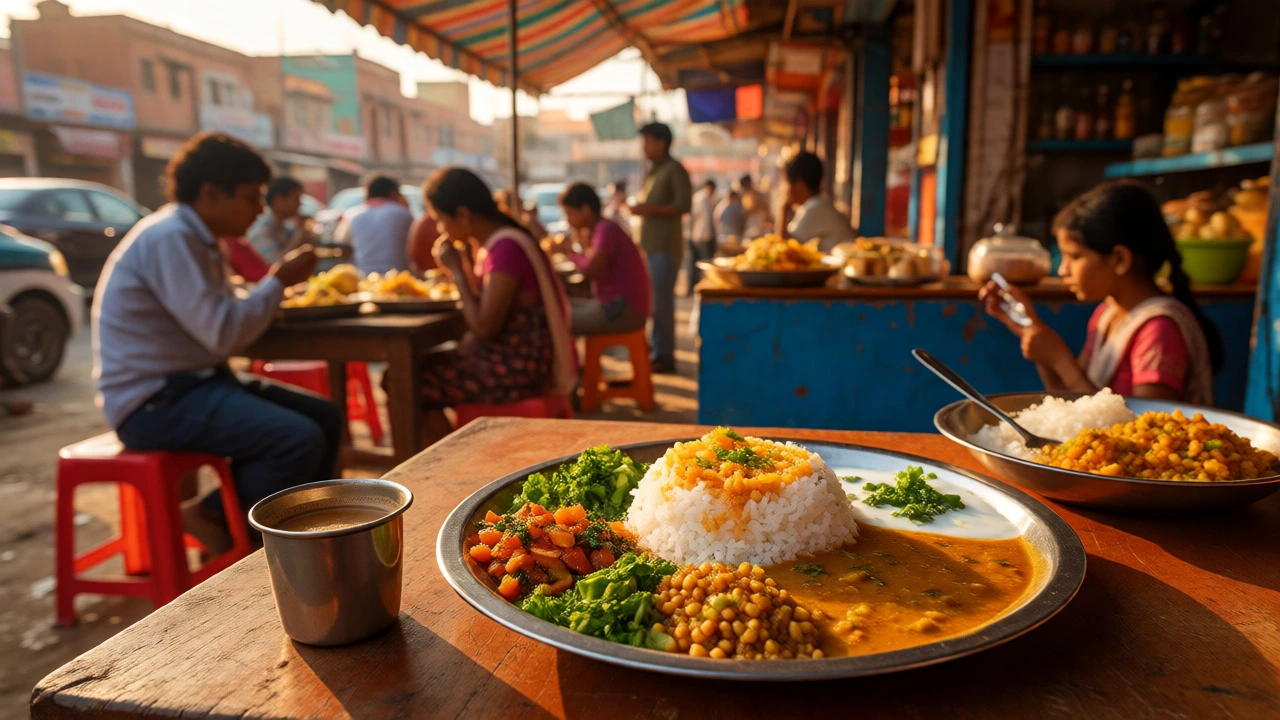
Food is where India shines for budget travelers. You do not need expensive restaurants to eat well. In fact, some of the best flavors come from plastic stools on the sidewalk.
- Thali Meals: A vegetarian thali in South India (like in Chennai or Madurai) costs ₹80-₹150. It includes rice, sambar, rasam, vegetables, and curd. You will leave full.
- North Indian Staples: In Delhi or Punjab, a plate of dal-makhani with naan bread ranges from ₹150 to ₹250. Street-side chole-bhature can be found for ₹60-₹80.
- Coffee Culture: Filter coffee in Karnataka costs ₹20-₹30. However, specialty cafes in Bangalore or Goa charge ₹150-₹250 for a latte, mirroring Sydney or London prices.
If you stick to local eateries, your daily food budget stays under ₹500. But beware of hygiene. Ask locals where they eat. If a place is crowded with office workers or families, the turnover is high, meaning the food is fresh. Avoid pre-cut fruits sold on beaches unless you trust the source. Bottled water is non-negotiable; a 1-liter bottle costs ₹20, so budget ₹40-₹60 daily for hydration.
Getting Around: Transport Costs Decoded
India’s transport network is vast and varied. Your choice here impacts your budget more than anything else.
Railways remain the most economical way to travel long distances. A sleeper class ticket from Delhi to Jaipur costs roughly ₹250. Air-conditioned classes (AC Chair Car) range from ₹500 to ₹800. Book via the IRCTC app or station counters early, as tickets sell out fast.
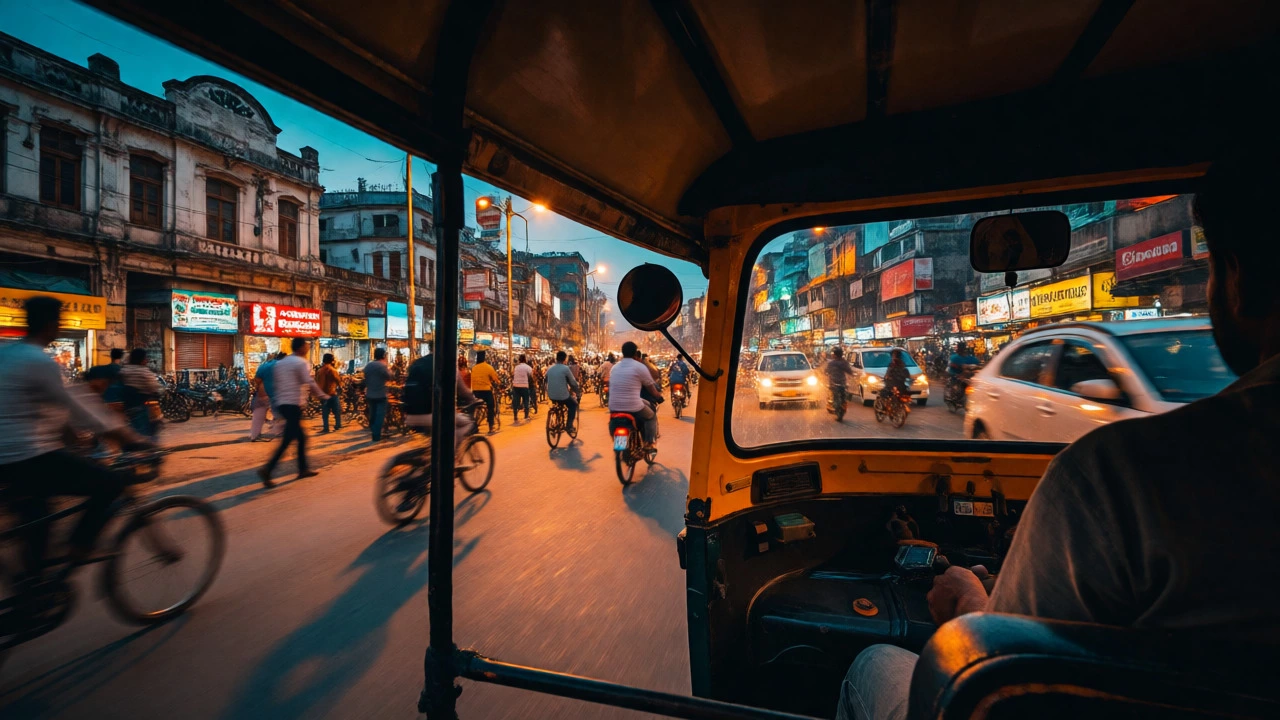
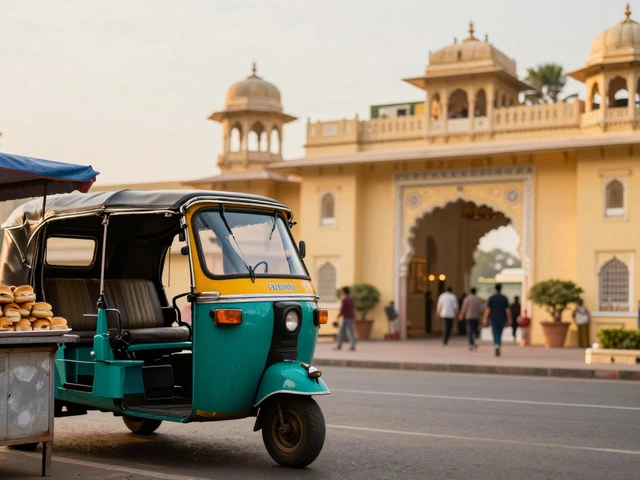
For city travel, auto-rickshaws are ubiquitous. Always insist on using the meter. If the driver refuses, negotiate a fixed price beforehand. A 5-km ride should cost between ₹80 and ₹150 depending on traffic and time of day. Apps like Ola and Uber offer transparency and card payments, which helps track spending. These rides are slightly more expensive-perhaps ₹150-₹200 for that same 5 km-but save you the hassle of haggling.
Inter-city buses vary wildly. State-run government buses (like KSRTC in Karnataka or MSRTC in Maharashtra) are dirt cheap, costing ₹100-₹300 for medium distances. Private Volvo coaches are faster and more comfortable, costing ₹400-₹800. For short hops, shared taxis are an option, but they lack privacy and comfort.
Hidden Costs That Drain Your Wallet
It’s rarely the big-ticket items that blow your budget. It’s the small, recurring expenses. Tipping is expected in restaurants (5-10%), though not mandatory in street stalls. Porter fees at railway stations are official (around ₹50-₹100), but unofficial demands are common. Carry small change.
Internet access is another factor. Prepaid SIM cards from Jio or Airtel are affordable. A data plan with unlimited calls and 1.5GB/day data costs around ₹250-₹300 for 28 days. This is essential for navigation and booking apps.
Finally, consider the "foreigner premium." Some monuments charge higher entry fees for international tourists. For example, the Taj Mahal entry fee for Indians is ₹50, while foreigners pay ₹1,100. This discrepancy adds up if you visit multiple historical sites. Factor these into your activity budget.
Regional Differences: North vs. South vs. Hill Stations
Not all regions cost the same. Here is a quick heuristic:
- South India (Kerala, Tamil Nadu): Generally cheaper for food and accommodation. Vegetarian options are abundant and inexpensive. Alcohol taxes are higher in some states, making beer pricey.
- North India (Delhi, Rajasthan): Mid-range costs. Food is hearty and filling, keeping grocery bills low. Tourist traps in Jaipur or Udaipur inflate prices, so venture into local markets.
- Hill Stations (Manali, Shimla, Darjeeling): More expensive due to logistics. Everything must be transported uphill. Expect to pay 20-30% more for food and rooms compared to plains cities.
- Metro Cities (Mumbai, Bangalore): Highest costs. Mumbai is notoriously expensive for accommodation. Bangalore offers better value for tech-savvy travelers with its cafe culture and reasonable hostels.
If you are strictly budgeting, avoid peak tourist seasons in popular spots. Visiting Rajasthan in July instead of November means cooler weather risks but half-price hotels. Flexibility saves money.
Verdict: How Long Will ₹10,000 Last?
So, back to the original question. Is ₹10,000 a lot? Yes, if you know how to spend it. No, if you live like a king.
For the average independent traveler aiming for comfort without luxury, ₹10,000 covers approximately 2.5 to 3 days. This includes a decent 3-star hotel, mixed street and restaurant dining, Uber/Auto rides, and one paid attraction per day.
For a savvy backpacker willing to stay in hostels, eat street food, and use public transport, ₹10,000 lasts 5 to 7 days. This allows for a leisurely pace, maybe even splurging on a special dinner or a guided tour once.
Remember, these figures exclude flights and major inter-state train journeys, which are separate line items. Always keep a buffer of 10-15% for emergencies or spontaneous decisions. Cash is still king in smaller towns, though digital payments via UPI are exploding in urban areas. Ensure your bank doesn’t charge excessive forex fees when withdrawing cash.
Can I survive on ₹500 a day in India?
Yes, but it requires strict discipline. You would need to stay in dormitory beds (₹300-₹400), eat only street food or simple meals (₹100-₹150), and walk or take local buses. This leaves little room for activities or unexpected costs. It is feasible in smaller towns but very difficult in metros like Mumbai or Delhi.
Do I need to carry cash everywhere in India?
While digital payments (UPI) are widespread in cities, cash remains essential in rural areas, small shops, auto-rickshaws, and for tipping. Always carry small denominations (₹10, ₹20, ₹50 notes). Large notes like ₹500 or ₹2000 can be hard to break in remote villages.
Are alcohol prices included in the ₹10,000 budget?
No, my estimates assume minimal or no alcohol consumption. Beer in India is heavily taxed. A domestic beer costs ₹100-₹150 in a bar, while imported brands can be ₹300+. International spirits are significantly more expensive than in Europe or Australia. If you drink daily, add ₹500-₹1,000 to your daily budget.
How much should I tip in India?
Tipping is customary but not legally enforced. In restaurants, 5-10% of the bill is standard if service charge isn't included. For taxi drivers, rounding up to the nearest ₹10 or ₹20 is appreciated. Porters at airports or trains expect ₹50-₹100 per bag. Housekeeping in hotels appreciates ₹100-₹200 daily.
Is bargaining always necessary?
Bargaining is expected in markets, souvenir shops, and for un-metered auto-rickshaws. It is not appropriate in malls, branded stores, hotels, or restaurants with printed menus. Approach bargaining with a smile; it is part of the cultural interaction. Start at 50-60% of the quoted price and meet in the middle.

About Author