How to Plan a South Indian Trip: A Practical Guide for First-Timers
South India Trip Planner
Select your interests and trip duration to get a personalized recommendation.
Your Recommended Plan
Most people think South India is just one big tropical postcard. It’s not. It’s five distinct states with different languages, climates, and rhythms. Trying to see it all in ten days is like trying to eat a thali in one bite-you’ll miss the flavors. You need a strategy. Whether you want temple runs, tea plantations, or beach lounging, this guide breaks down exactly how to structure your trip without burning out.
Choosing Your States: The Big Five
South India is a region comprising five major states: Kerala, Tamil Nadu, Karnataka, Andhra Pradesh, and Telangana, each offering unique cultural and geographical experiences. Each state has its own personality. Don’t try to conquer them all on your first visit. Pick two or three that match your vibe.
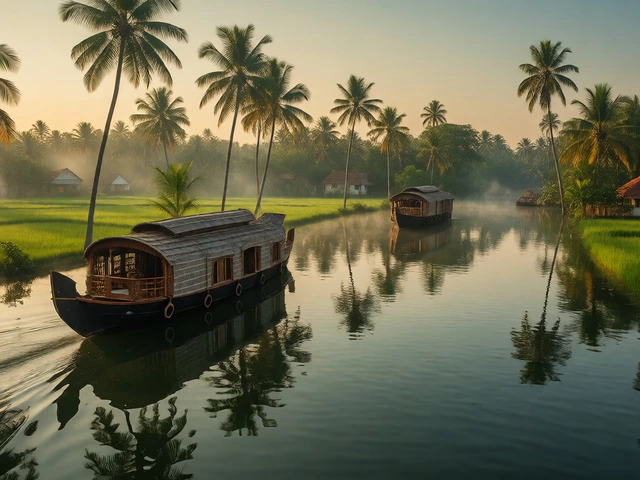
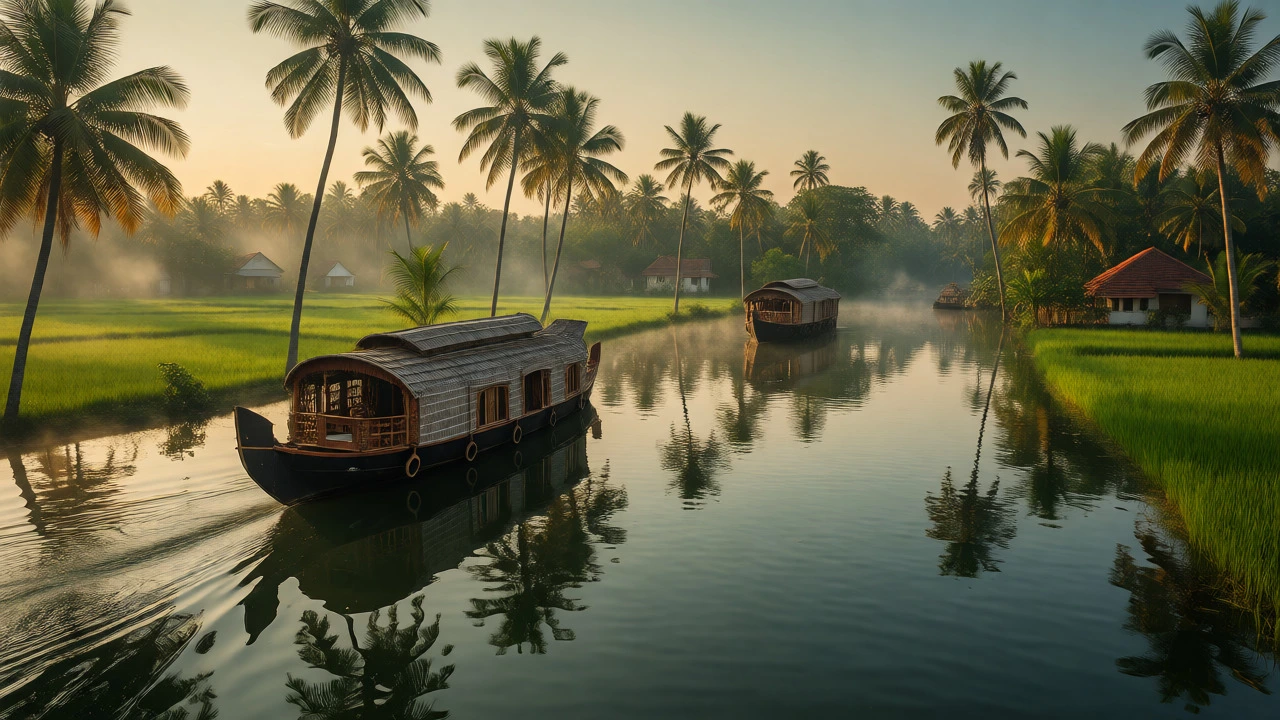
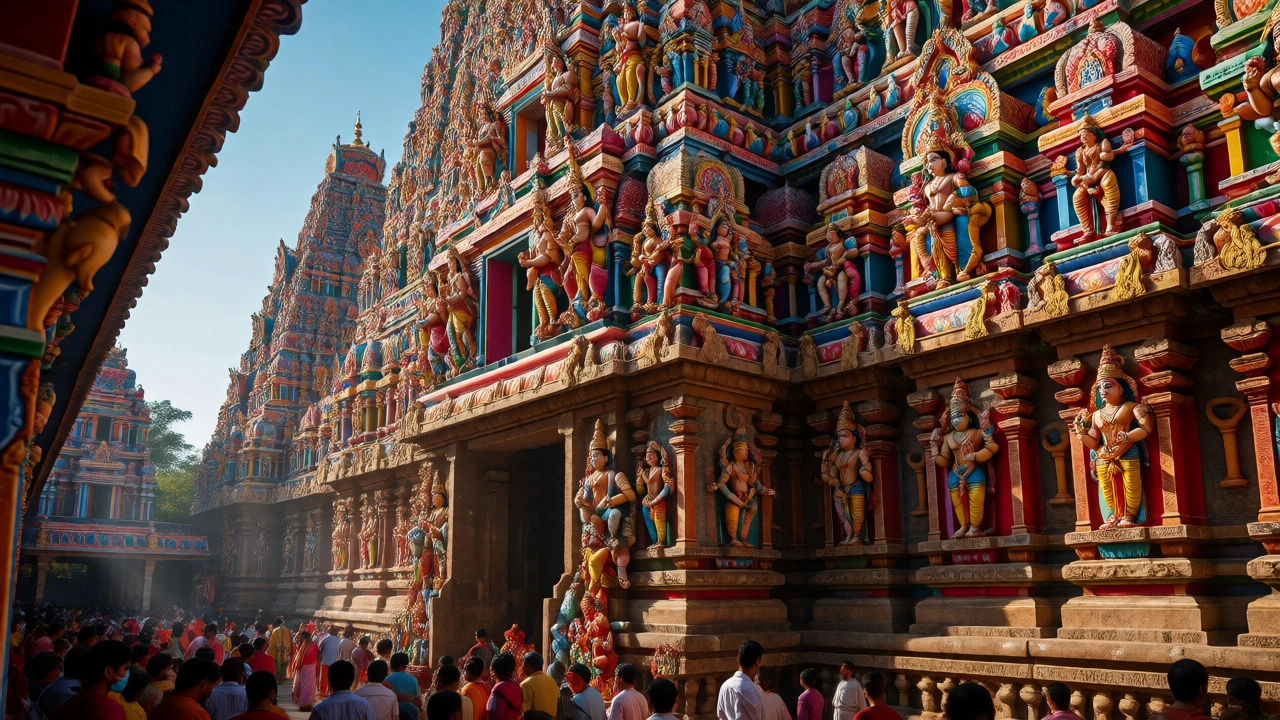
Kerala is the most popular entry point. Why? Because it’s lush, green, and tourist-friendly. The backwaters in Alleppey are iconic, but they’re crowded. If you hate crowds, skip the houseboats during peak season (December-January) or head north to Kasaragod. Tamil Nadu is for culture vultures. The Dravidian architecture of Madurai and Thanjavur is mind-blowing. Karnataka offers a mix-goa-like beaches in Gokarna, tech hubs in Bangalore, and heritage sites in Hampi. Andhra Pradesh and Telangana are often overlooked, which means fewer tourists and lower prices, but less infrastructure.
| State | Best For | Peak Season | Currency Cost |
|---|---|---|---|
| Kerala | Nature, Ayurveda, Backwaters | Oct-Mar | Medium-High |
| Tamil Nadu | Temples, History, Hill Stations | Nov-Feb | Low-Medium |
| Karnataka | Ruins, Beaches, Coffee | Oct-Mar | Medium |
| Andhra Pradesh | Buddhist Sites, Food | Oct-Feb | Low |
Timing Your Visit: Weather Matters More Than You Think
You can’t ignore the monsoon here. The southwest monsoon hits Kerala and coastal Karnataka from June to September. It’s beautiful if you like rain and empty hotels, but boat rides and trekking get risky. The northeast monsoon affects Tamil Nadu from October to December. This is when Chennai gets flooded, but hill stations like Ooty and Kodaikanal are perfect.
The sweet spot? October to March. The weather is dry, cool, and comfortable. But remember, Christmas and New Year are insane. Prices triple, and traffic in places like Munnar becomes a nightmare. If you can travel in late January or February, you’ll save money and sanity.
Itinerary Templates That Actually Work
Here are three proven routes based on time constraints. Adjust based on your energy levels.
- The Classic Kerala Loop (7 Days): Start in Kochi (Fort Kochi), drive to Munnar (tea estates), then Thekkady (wildlife), and finish in Alleppey (backwaters). Skip Varkala if you’re short on time; it’s far south.
- The Temple Trail (5 Days): Fly into Chennai. Take an overnight train to Madurai. Spend two days there visiting the Meenakshi Amman Temple. Then head to Rameswaram for the sea views and temple complex. Return via Pondicherry for French colonial vibes.
- The Heritage Mix (6 Days): Begin in Hampi, Karnataka. Explore the ruins for two days. Take a bus to Goa (yes, technically West Coast, but close enough for many itineraries) or stay in Karnataka and visit Badami and Pattadakal. This route is dusty and hot, so pack accordingly.
Transportation: Trains vs. Buses vs. Flights
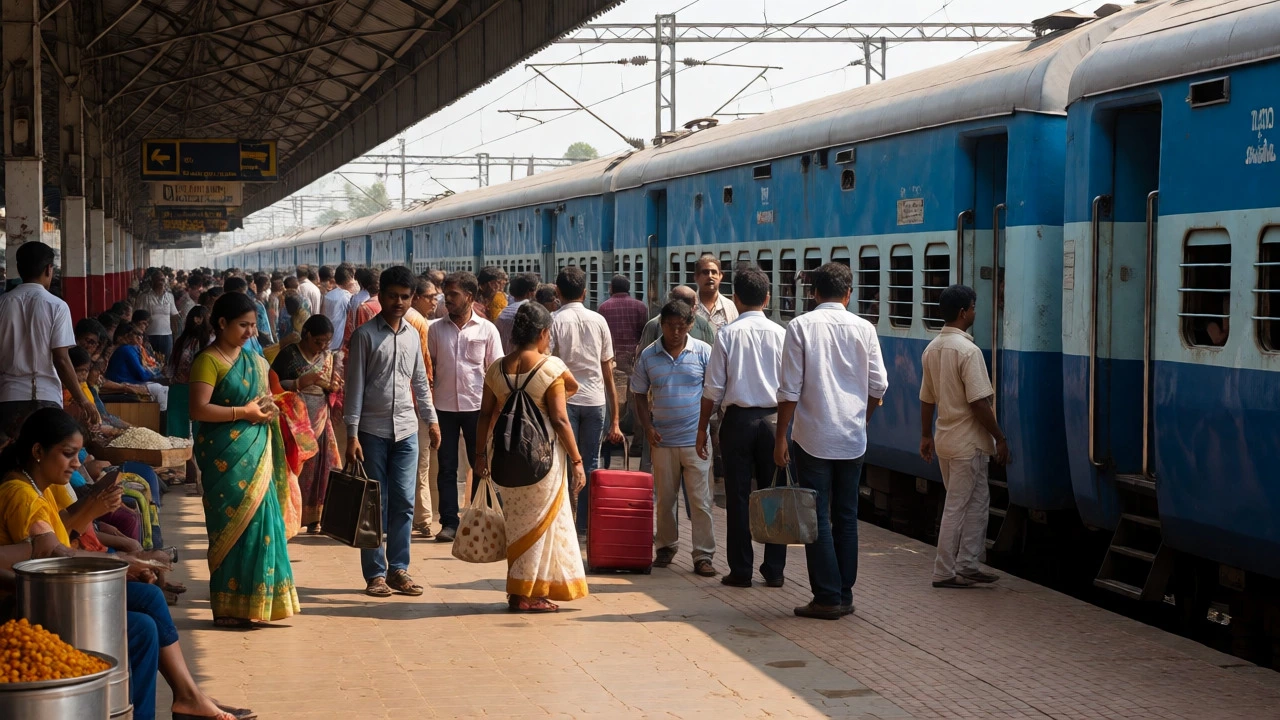
Trains are the backbone of South Indian travel. They’re cheap, scenic, and reliable. Book through IRCTC at least 45 days in advance for AC classes. Sleeper class is fine for overnight journeys if you’re young and flexible. Avoid third-party booking agents unless necessary-they add fees.
Buses are better for short distances between cities like Coimbatore and Ooty. State-run buses (KSRTC, TNSTC) are safe and clean. Private Volvo buses are more comfortable but cost double. Never take local non-AC buses if you have luggage; you’ll regret it.
Flights connect major hubs like Bengaluru, Chennai, Hyderabad, and Kochi. Budget airlines like IndiGo and SpiceJet offer deals under ₹3,000 ($36) if booked early. Use flights only for long gaps, like jumping from Kerala to Tamil Nadu. Otherwise, you’ll spend more time at airports than enjoying the landscape.
Food: Beyond Dosa and Idli
Yes, you’ll eat dosa. But don’t stop there. In Kerala, try Appam with stew. In Tamil Nadu, Chettinad cuisine is spicy and rich-look for chicken curry with black pepper. In Karnataka, Bisi Bele Bath is a rice-lentil dish that’s comfort food defined. In Andhra, Gongura Pachadi (sorrel leaf chutney) is a must-try if you can find it.
Eat where locals eat. Tourist cafes serve watered-down versions. Look for restaurants with plastic chairs and no English menu. If they have a "Thali" option, order it. It’s usually unlimited refills and covers multiple dishes for under ₹200 ($2.40). Vegetarian food is widely available, but non-veg options vary by region. Kerala has plenty of seafood; Tamil Nadu leans towards chicken and mutton.
Cultural Etiquette: What Not to Do
Temple rules are strict. Men must remove shirts in some traditional temples in Kerala. Women should wear sarees or long skirts; pants are often frowned upon. Always check the dress code before entering. Photography inside main sanctums is usually banned. Ask guards if unsure.
Tipping isn’t mandatory but appreciated. Round up taxi fares. Tip drivers who help with luggage. Bargaining is expected in markets but not in fixed-price stores. Be polite but firm. Saying "No thank you" clearly works better than aggressive haggling.
Budgeting Realistically
South India is cheaper than North India, but costs vary. Here’s a daily breakdown per person:
- Budget: $25-$40/day. Hostels, street food, public transport.
- Mid-Range: $60-$100/day. 3-star hotels, private taxis, restaurant meals.
- Luxury: $150+/day. Heritage resorts, private guides, premium experiences.
Hidden costs include alcohol (expensive in Kerala due to high taxes), entrance fees to monuments (₹200-₹500 for foreigners), and tips. Keep cash handy; while UPI (digital payments) is everywhere, remote areas still prefer cash.
Is South India safe for solo female travelers?
Yes, generally very safe. Kerala and Tamil Nadu have low crime rates against tourists. Standard precautions apply: avoid isolated areas at night, use trusted ride-sharing apps like Uber or Ola, and dress modestly in rural areas. Harassment is rare compared to some North Indian cities, but always trust your instincts.
Do I need a visa specifically for South India?
No, you need a standard Indian e-Visa. There is no separate visa for South India. Apply online at least four days before arrival. Ensure your passport has six months validity left.
What is the best way to hire a car with driver?
Use platforms like Savaari or local agencies recommended by your hotel. Negotiate the total price including fuel and driver allowance upfront. Drivers know the roads and can act as informal guides. Expect to pay ₹2,500-₹3,500 per day for an AC sedan.
Can I drink tap water in South India?
Never drink tap water directly. Stick to bottled mineral water or filtered water provided in hotels. Boiling water is an option if you’re staying long-term in apartments. Ice in reputable restaurants is usually made from purified water, but ask if unsure.
Which language should I learn basic phrases for?
English is widely spoken in tourist areas and cities. However, learning basic phrases in the local language helps. Malayalam in Kerala, Tamil in Tamil Nadu, Kannada in Karnataka. Simple words like "Nandi" (Thank you) go a long way in building rapport.

About Author