Is India Cheap for Vacation? A 2026 Cost Breakdown for South India Travel
South India Trip Cost Estimator (2026)
Estimated Total Cost
Breakdown
There is a persistent myth that traveling in India means you will live like a king on the budget of a student. While it is true that your money stretches further here than almost anywhere else in the world, "cheap" is a relative term. In 2026, inflation has shifted prices across the board, from accommodation to dining. The real question isn't just whether India is affordable-it is how much value you get for every dollar spent. If you are planning a trip to South India, which includes states like Kerala, Tamil Nadu, and Karnataka, you are looking at one of the most cost-effective yet culturally rich regions on the planet.
You do not need to sleep on train floors or eat only street food to have a comfortable experience. However, understanding where the costs lie helps you avoid sticker shock when booking hotels or hiring guides. This guide breaks down the actual expenses you will face in 2026, separating the marketing hype from the reality of daily spending.
The Reality of Daily Costs in South India
When people ask if India is cheap, they usually mean: "Can I survive comfortably without breaking the bank?" The answer is yes, but with caveats. Let’s look at the numbers. For a mid-range traveler-someone who wants private rooms, air conditioning, and occasional restaurant meals-the daily budget in South India typically ranges between $40 and $70 per person. This is significantly lower than Southeast Asia, let alone Europe or North America.
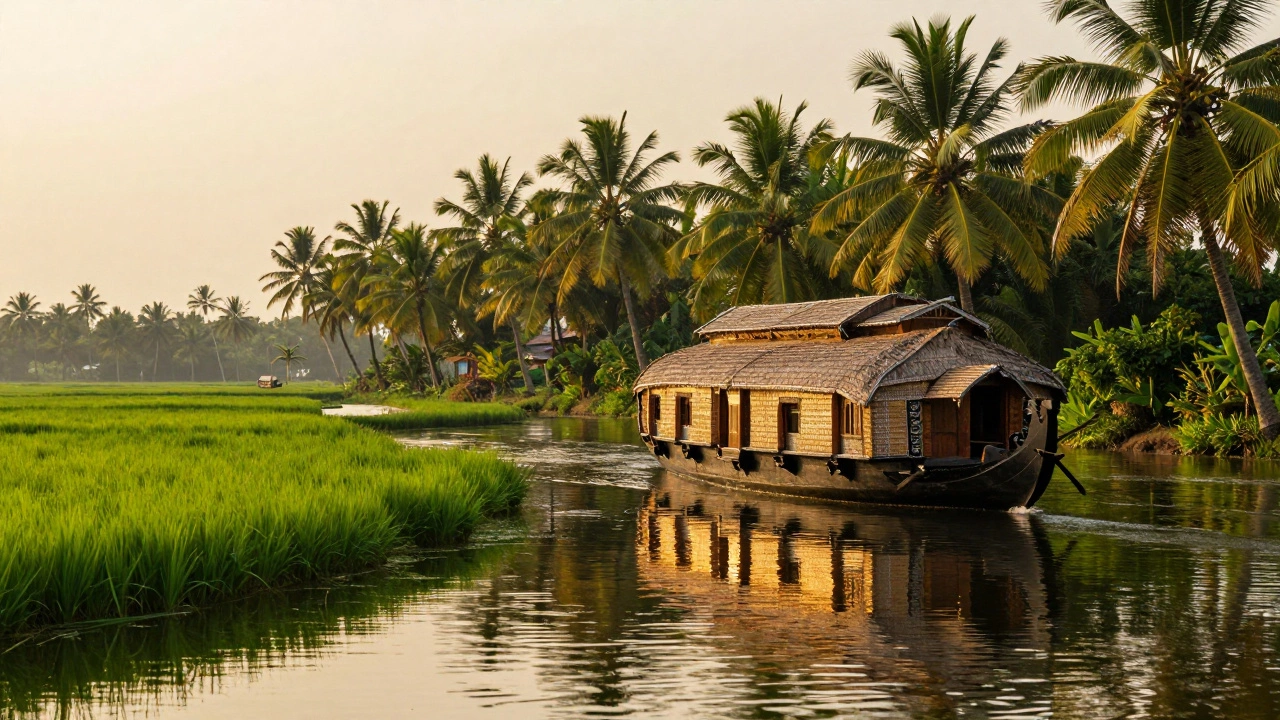
Kerala, often called "God's Own Country," is slightly more expensive due to its popularity as a backwater destination. Expect to pay around $50-$80 per day for a comfortable stay including houseboat tours. In contrast, Tamil Nadu offers some of the lowest costs in the region, with high-quality heritage hotels available for under $30 a night. Karnataka sits somewhere in the middle, offering great value in cities like Bangalore and Mysore.
- Budget Traveler: $25-$35/day (Hostels, local transport, street food)
- Mid-Range Traveler: $45-$70/day (3-star hotels, private taxis, mixed dining)
- Luxury Traveler: $100-$200+/day (Resorts, AC cars, fine dining)
Note that these figures assume two people sharing a room. Solo travelers will find per-person costs higher because hotel rooms are priced by room, not by head. If you are traveling alone, factor in an additional 20-30% to your daily budget.
Accommodation: Where Your Money Goes
Accommodation is often the largest single expense in any travel budget. In South India, you have incredible variety. You can stay in traditional homestays in Kerala’s villages for $15 a night, complete with home-cooked meals. Or, you can book a boutique heritage property in Madurai for $60. The key is booking in advance, especially during peak seasons like December to February.
| City/Destination | Budget (Hostel/Guesthouse) | Mid-Range (3-Star) | Luxury (5-Star/Resort) |
|---|---|---|---|
| Kochi, Kerala | $15 - $25 | $40 - $60 | $120+ |
| Mysore, Karnataka | $12 - $20 | $35 - $50 | $90+ |
| Chennai, Tamil Nadu | $10 - $18 | $30 - $45 | $100+ |
| Pondicherry | $20 - $30 | $50 - $70 | $150+ |
A pro tip: Look for "boutique" hotels rather than international chains. International brands like Marriott or Hilton charge premium rates that reflect their global standards, not local realities. Local boutique hotels often provide better service, unique architecture, and deeper cultural immersion at half the price.
Food and Drink: Eating Well Without Spending Much
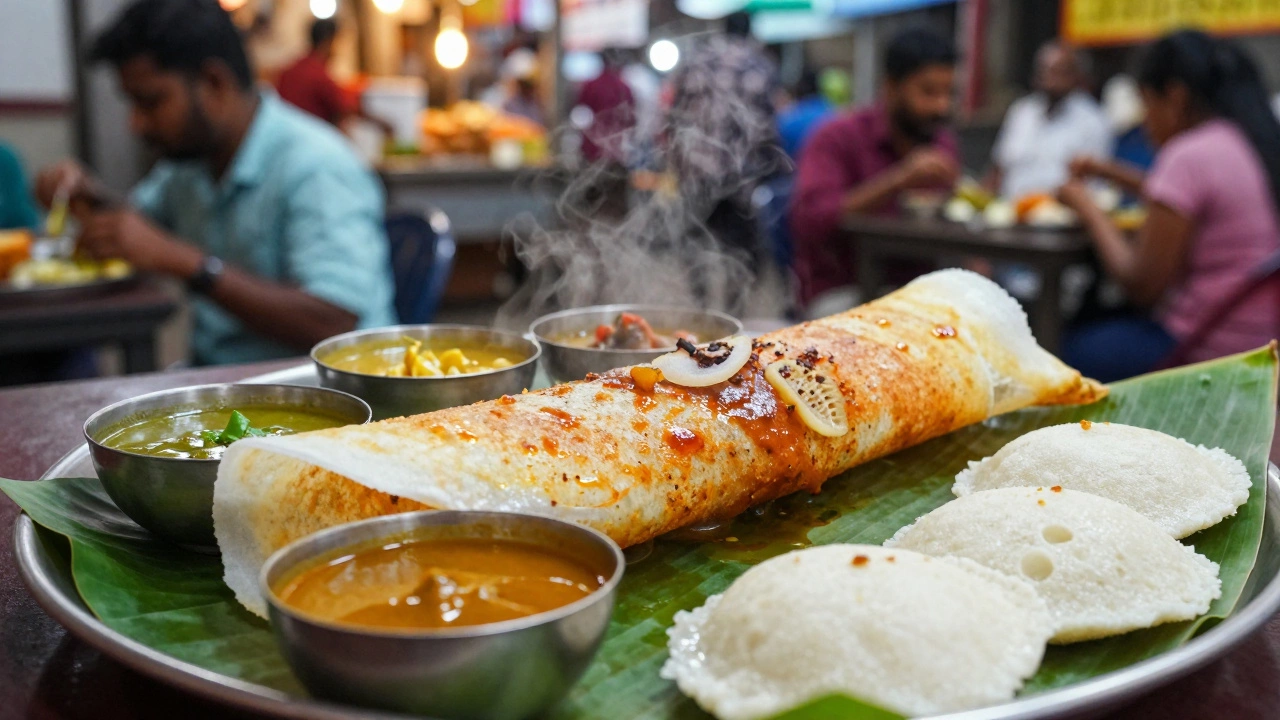
Food in India is incredibly affordable. You can eat three hearty meals a day for less than $10 if you stick to local eateries. South Indian cuisine, known for dishes like dosa, idli, and sambar, is not only delicious but also inexpensive. A plate of masala dosa at a reputable local restaurant costs about $1.50 to $2.50.
However, be careful with alcohol. Alcohol is heavily taxed in India, particularly in states like Kerala and Karnataka. A bottle of wine in a mid-range hotel bar can cost $15-$20, comparable to European prices. If you want to drink beer or spirits, buy them from licensed liquor stores (often called "off-licenses") rather than ordering them at restaurants. This can cut your alcohol bill by 60%.
Water safety is another consideration. Do not drink tap water. Bottled water costs about $0.30-$0.50 per liter. Many hotels now provide refillable stations with filtered water, so carrying a reusable bottle is both eco-friendly and economical.
Transportation: Getting Around Smartly
Getting around South India is cheap if you use public transport. Trains are the backbone of Indian travel. The Indian Railways network is vast and efficient. A sleeper class ticket from Chennai to Madurai might cost you $5-$8. Air-conditioned chairs cars are slightly more expensive but offer comfort for shorter journeys.
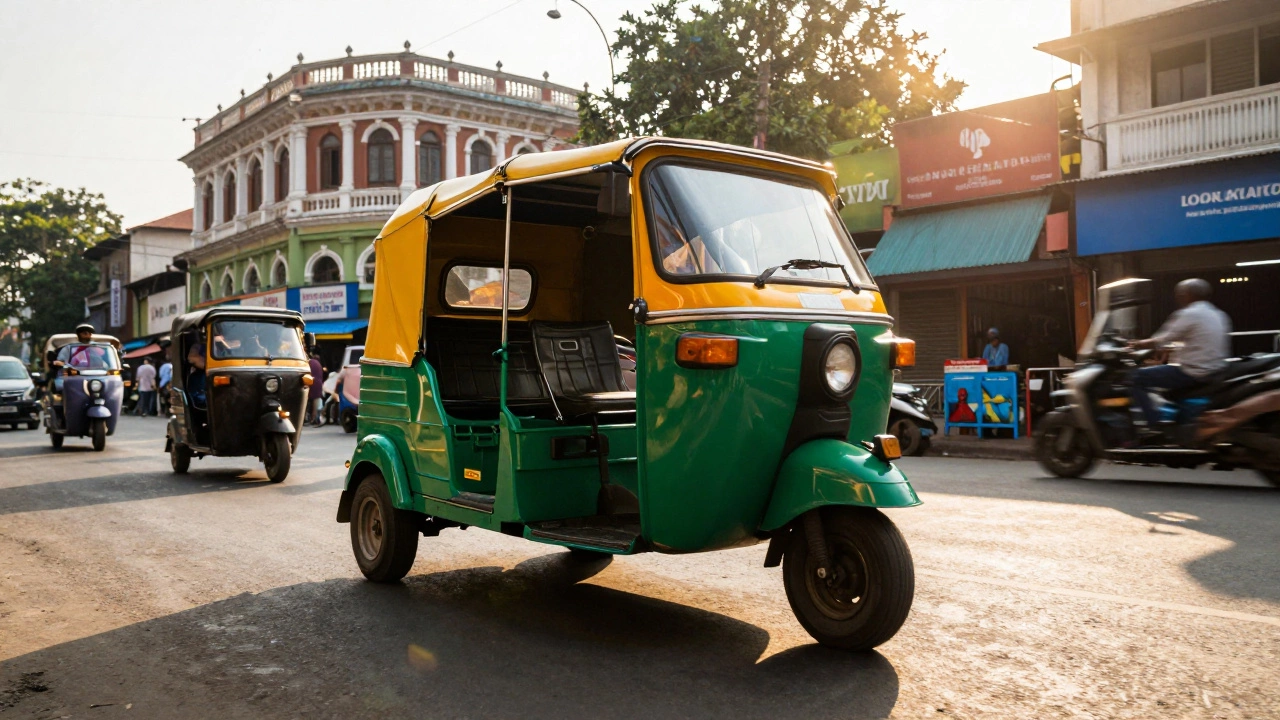
For short distances, auto-rickshaws are ubiquitous. However, fares are rarely metered unless you insist. Use apps like Uber or Ola, which are widely available in cities like Bangalore, Kochi, and Chennai. These apps provide fixed pricing, eliminating the hassle of negotiation. An auto ride within a city center typically costs $1-$3.
If you prefer privacy and flexibility, hiring a private car with a driver is surprisingly affordable. A full-day hire for a compact sedan costs around $50-$70, including fuel and driver allowances. This is often the best option for families or groups, as it allows you to visit multiple sites without worrying about schedules.
Activities and Entry Fees: Hidden Costs
Many tourists underestimate the cost of activities. Temple entry fees are generally low ($1-$2), but special darshan (viewing) tickets for famous temples like Tirupati or Meenakshi Amman can cost more during peak hours. National parks, such as Periyar in Kerala or Bandipur in Karnataka, charge entry fees plus vehicle charges. A safari jeep rental inside the park can add $20-$40 per person.
Cultural experiences like Kathakali dance shows in Kerala or Bharatanatyam performances in Tamil Nadu vary in price. A standard show might cost $10-$15 per person, while private or premium seating can go up to $30. Always check reviews before booking; some tourist-trap venues overcharge for poor quality performances.
Visa and Insurance: Mandatory Expenses
Do not forget the pre-trip costs. Most foreign nationals require an e-Visa to enter India. As of 2026, the e-Tourist Visa fee varies by nationality but generally falls between $25 and $80. Processing times are quick, often within 72 hours, but apply early to avoid delays.
Travel insurance is non-negotiable. Medical costs for foreigners in India can be high if you end up in a private hospital. A comprehensive policy covering medical evacuation and trip cancellation costs around $50-$100 for a two-week trip. This is a small price to pay for peace of mind.
Is South India Cheaper Than Other Regions?
Yes, generally speaking. North India, particularly Delhi and Rajasthan, has seen a surge in tourism-driven inflation. Luxury safaris in Ranthambore or palaces in Jaipur command premium prices. South India, while popular, retains more of its local pricing structure. Kerala is the exception, as its backwater tourism industry is highly commercialized. However, even there, staying in smaller towns away from Alleppey or Kumarakom can save you significant money.
Tamil Nadu remains the budget champion. With fewer international tourists compared to Kerala, prices for food, lodging, and services remain grounded. Karnataka offers a balance, with modern amenities in Bangalore and affordable heritage stays in Mysore and Hampi.
Tips to Stretch Your Budget Further
- Travel Off-Season: July to September is monsoon season. While rains disrupt outdoor plans, hotel prices drop by 30-50%. If you don’t mind rain, this is the cheapest time to visit.
- Eat Like a Local: Avoid restaurants with English menus displayed outside. Walk into places where locals queue up. The food is fresher, safer, and cheaper.
- Negotiate Wisely: Haggling is expected in markets but not in fixed-price shops or hotels. Learn basic phrases in the local language (Malayalam, Tamil, or Kannada) to build rapport and sometimes secure better deals.
- Use Public Transport: Skip the airport transfers arranged by hotels. Take a prepaid taxi or metro if available. It saves money and reduces stress.
Conclusion: Value Over Price
Is it cheap to vacation in India? Yes, but only if you define "cheap" as getting high value for your money. You won’t find five-star luxury for pennies anymore. But you will find authentic experiences, warm hospitality, and world-class cuisine at prices that allow you to travel longer and deeper. South India, in particular, offers a blend of affordability and richness that is hard to beat in 2026. Plan wisely, spend locally, and you’ll discover that India is not just cheap-it’s generous.
How much does a 7-day trip to South India cost?
A 7-day mid-range trip for two people costs approximately $600-$900 total, covering flights, accommodation, food, and local transport. Budget travelers can reduce this to $400-$500, while luxury travelers may spend $1,500+.
Is Kerala more expensive than Tamil Nadu?
Yes, Kerala is generally 20-30% more expensive due to its popularity as a tourist destination. Tamil Nadu offers lower prices for accommodation and food, making it a better choice for strict budgets.
What is the best way to save money on transport in India?
Use Indian Railways for long distances and Uber/Ola for short city trips. Avoid hiring private drivers unless you are in a group of three or more, as the cost per person becomes competitive with public transport.
Are street foods safe and cheap?
Street food is very cheap ($0.50-$2 per item) and generally safe if cooked fresh in front of you. Avoid raw salads or ice cubes from unknown sources. Stick to busy stalls with high turnover.
Do I need to tip in South India?
Tipping is appreciated but not mandatory. Leave 10% at restaurants if service isn't included. Tip hotel porters $1-$2 and drivers $5-$10 per day if you hire privately.

About Author

Popular Posts
What is a mini vacation? A guide to short breaks