How to Decide Where to Visit in India: A Practical Guide to North India
North India Travel Matchmaker
What's your ideal travel experience?
Planning a trip to India? It’s not about checking off monuments or snapping photos at the Taj Mahal. It’s about finding the right mix of culture, rhythm, and space that matches what you’re looking for. With so many places to choose from, especially in North India, it’s easy to feel overwhelmed. But here’s the truth: you don’t need to see everything. You just need to know where to start.
What kind of experience are you after?
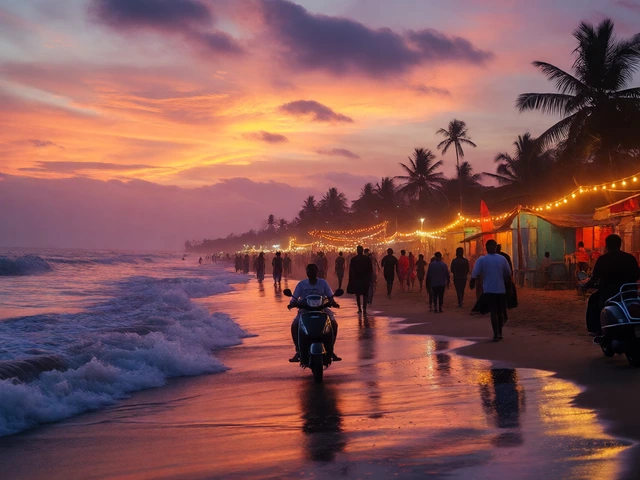
Before you open a map, ask yourself: What do you want to feel when you’re there? Do you want to be surrounded by ancient energy? Or do you prefer quiet hills, open skies, and the smell of pine? North India doesn’t offer one single vibe-it offers five distinct ones.
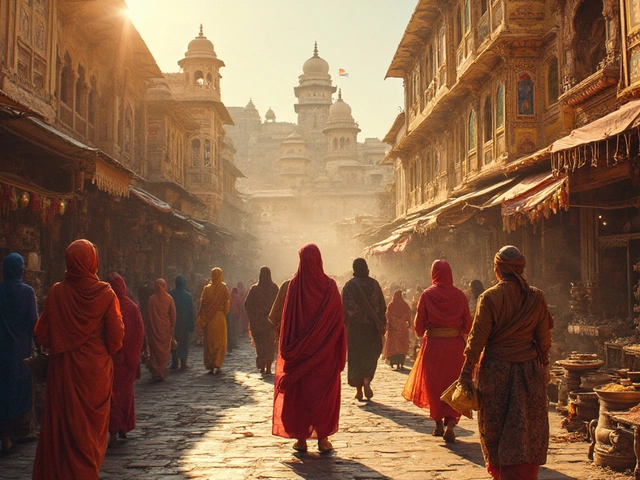
If you crave history that still breathes, head to Delhi. It’s not just the capital. It’s a layered city where Mughal forts sit beside colonial buildings and street food stalls hum with life. Walk through Red Fort at sunset and then grab butter chicken from a cart in Chandni Chowk. That’s the rhythm of Delhi-grand and gritty, all at once.
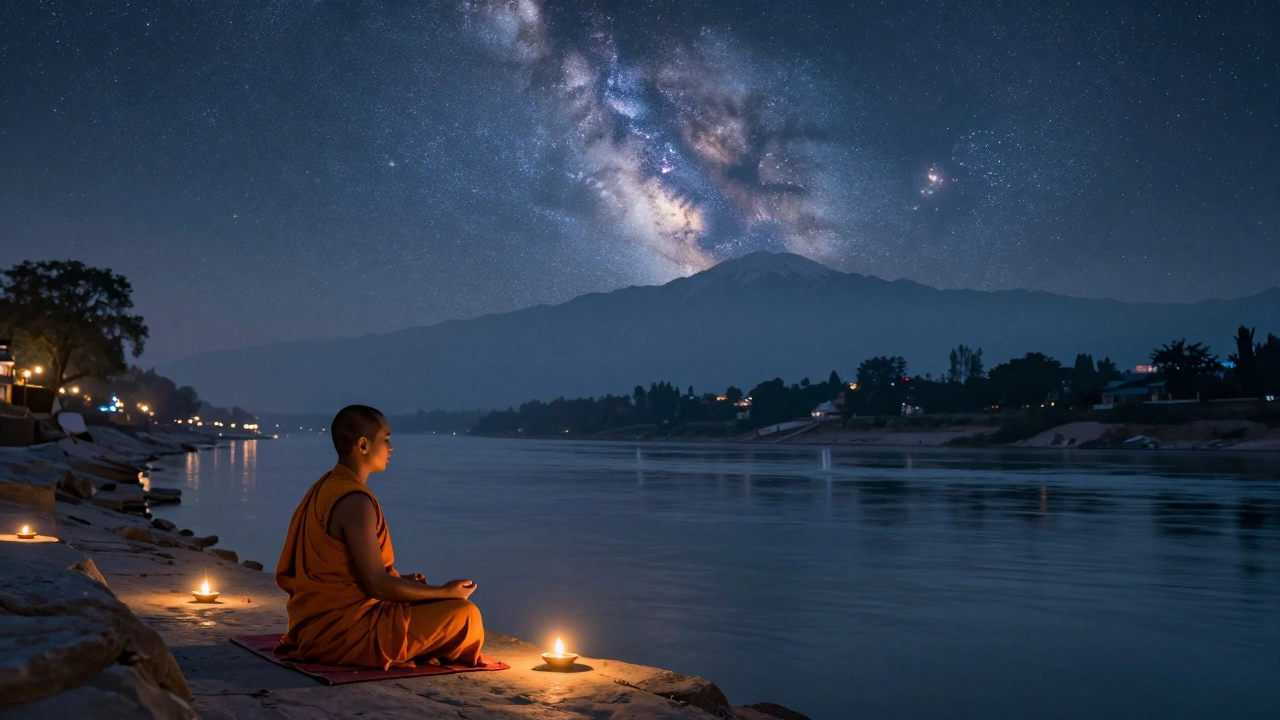
If you’re looking for peace, go to Rishikesh. It’s not just yoga retreats and ashrams. It’s the Ganges flowing through the foothills of the Himalayas, with monks chanting in the morning and travelers meditating on riverbanks. You can raft down the rapids by day and sit under a starry sky by night. It’s healing without being spiritual-only.
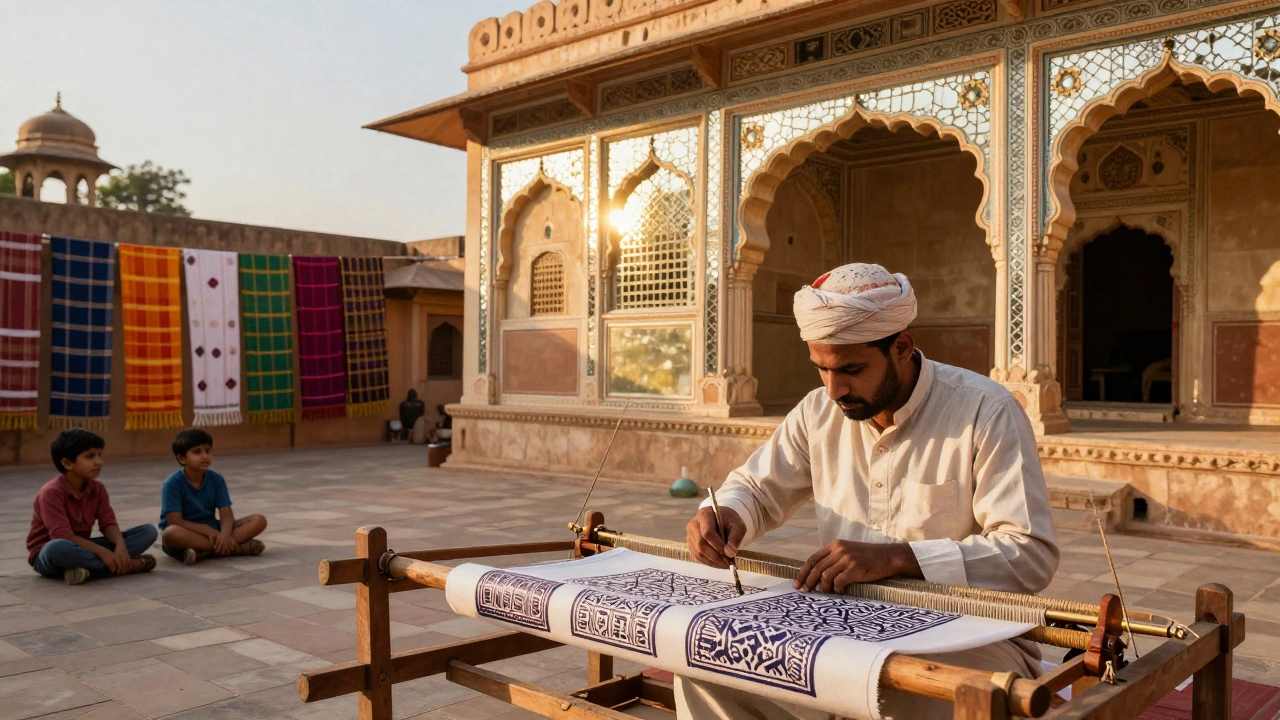
For culture that feels alive, Jaipur is unmatched. Pink city, yes-but also a place where artisans still hand-paint textiles, block-printed fabrics hang on every corner, and you can watch glass bangles being made in a tiny workshop behind a temple. The Amber Fort isn’t just a photo spot. It’s a hilltop palace with mirrors that catch the light in ways you’ve never seen.
If you want mountains, Manali and Leh are your options. Manali is for those who want trekking trails, cozy cafes, and snow-capped peaks within a few hours’ drive. Leh is for the bold. High altitude, barren valleys, ancient monasteries clinging to cliffs, and roads that twist like ribbons over 17,000-foot passes. You won’t find Wi-Fi here. You’ll find silence so deep it changes how you think.
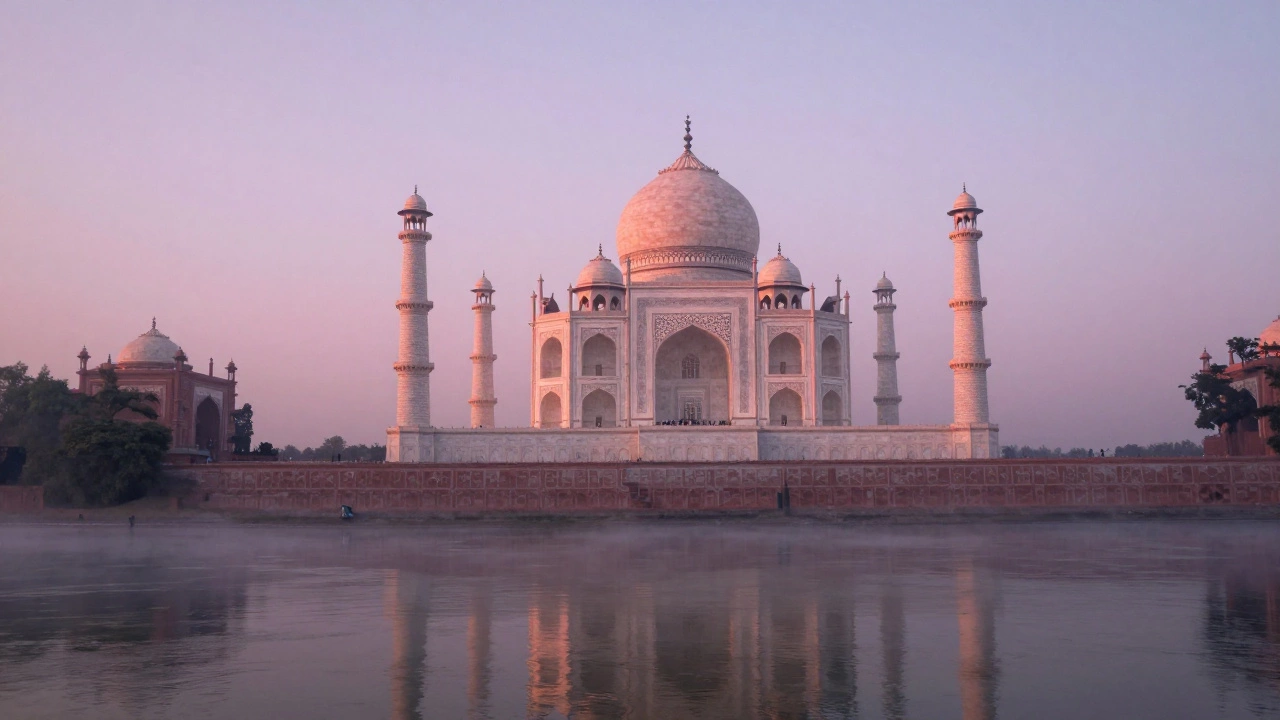
And then there’s Agra. Yes, the Taj Mahal draws crowds. But if you go early-before sunrise-you’ll see it glow in pink light, with no one around. Walk the quiet paths of Agra Fort afterward. It’s where emperors lived, loved, and lost. The Taj isn’t just a monument. It’s a love letter carved in marble.
How long do you have?
North India isn’t something you rush. You can’t do it in three days. But you can do it well in seven.
Here’s a realistic 7-day loop: Start in Delhi (2 days). Take an overnight train to Agra (1 day). Spend the morning at the Taj, then head to Jaipur (2 days). From Jaipur, fly or drive to Rishikesh (1 day). End with a night in Haridwar to watch the Ganga Aarti before heading back.
That’s 5 cities, 3 UNESCO sites, one sacred river, and a taste of mountain air. It’s not the whole of North India. But it’s enough to feel the heartbeat of the region.
Want more time? Add Manali. Or extend your stay in Rishikesh. Or go to Varanasi-just one night there, watching the ghats light up at dawn, and you’ll understand why millions come.
When should you go?
October to March is the sweet spot. The weather is cool, dry, and perfect for walking. Summers are brutal-especially in Delhi and Agra, where temperatures hit 45°C. Monsoon season (July-August) turns roads into mud and makes travel unpredictable.
December is magical. The air is crisp, the skies are clear, and the festivals like Diwali and Lohri add color. But it’s also peak season. Book trains and hotels early. January is quieter. You’ll have more space to breathe.
What should you skip?
Don’t try to do everything. Skip the crowded tourist traps that don’t add meaning. Skip the fake “royal palace” hotels in Jaipur that are just resorts with a name. Skip the touts offering “private Taj Mahal tours” at 3 a.m.-they’re scams.
Instead, look for local guides who’ve lived there for generations. Ask for someone who takes you to a family-run haveli for lunch. Or a temple priest who explains the rituals, not just points at statues. Those moments stay with you.
How to move around?
Trains are the soul of North India. The Rajdhani and Shatabdi express trains are clean, fast, and reliable. Book through the IRCTC website. Don’t rely on third-party apps-they charge more and often fail.
For shorter distances, hire a car with a driver. It’s cheaper than you think. A full day with a driver and fuel costs around ₹1,500-2,000 ($18-24). You’ll get a local who knows shortcuts, warns you about bad roads, and stops at roadside dhabas where the food is better than any restaurant.
Never rent a car yourself. The traffic is chaotic, the rules are loose, and the roads are unpredictable. Let someone else navigate it.
What to pack?
North India isn’t a beach destination. You don’t need flip-flops and swimsuits. You need:
- Light layers-temperatures drop fast at night, even in winter
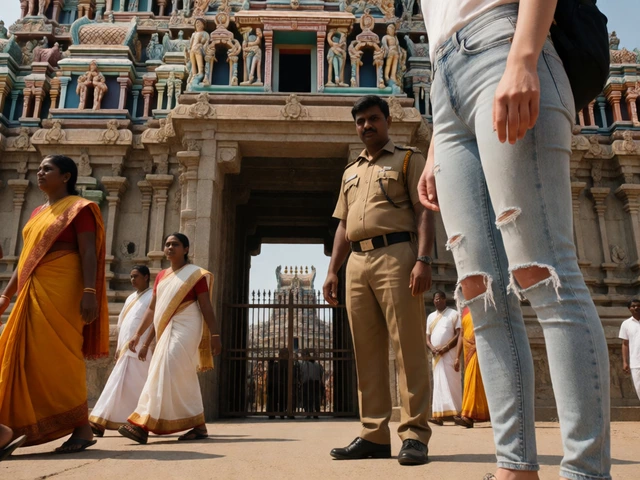
- A scarf or shawl for temples and mosques (women may need to cover heads)
- Comfortable walking shoes-you’ll be on uneven stone, dirt paths, and stairs
- Small bottles of hand sanitizer and wet wipes-public restrooms are rare
- A reusable water bottle with a filter-tap water isn’t safe, but filtered water is everywhere
And leave the designer bags at home. Pickpockets are real. Keep your phone, wallet, and passport in a money belt under your clothes.
What’s the real reason to go?
People say India is overwhelming. That’s true. But it’s also deeply human. In Rishikesh, you’ll see a grandmother chanting mantras while selling tea. In Jaipur, you’ll meet a 12-year-old boy who’s already mastered the art of block printing. In Agra, a guide will tell you how his grandfather worked on the Taj Mahal’s restoration.
North India doesn’t just show you history. It lets you touch it. You don’t need to be a history buff. You just need to be open. Sit on a rooftop in Delhi. Watch the sun set over the Yamuna River. Let the call to prayer rise into the sky. That’s when you’ll understand why this place still pulls people back-again and again.
What’s the best time of year to visit North India?
October to March is ideal. The weather is cool and dry, perfect for exploring forts, temples, and hill towns. December is festive but busy. January offers quieter streets and clear skies. Avoid May to July-temperatures can hit 45°C, especially in Delhi and Agra.
Can I visit North India in 5 days?
You can, but it’ll feel rushed. A 5-day trip could cover Delhi, Agra, and Jaipur-the Golden Triangle. But you’ll miss the soul of the region. Rishikesh, Manali, and Leh need more time. If you only have 5 days, skip the trains and fly between cities. Still, you’ll only scratch the surface.
Is North India safe for solo travelers?
Yes, if you’re cautious. North India is generally safe for solo travelers, especially in tourist hubs. Avoid isolated areas after dark. Dress modestly. Use trusted transport. Many women travel alone here-Rishikesh, Jaipur, and Delhi have strong expat and backpacker communities. Trust your instincts. Most locals are helpful, but stay aware.
Do I need a visa to visit North India?
Yes. Most travelers need an e-Visa, which you can apply for online through the Indian government’s official portal. Apply at least 4 days before departure. Tourist e-Visas are valid for 60 days and allow multiple entries. Check if your country is eligible-Australia is.
What are the must-see places in North India?
The top five are: Delhi (history and street life), Agra (Taj Mahal and Agra Fort), Jaipur (palaces and crafts), Rishikesh (spiritual calm and river views), and Leh (high-altitude adventure). Each offers something completely different. Skip the rest if you’re short on time.
How much should I budget per day in North India?
You can travel comfortably on ₹2,500-4,000 per day ($30-50). This covers mid-range hotels, meals, local transport, and entry fees. Luxury stays and flights will raise that. Street food costs ₹50-150 per meal. Train tickets vary-book early for the best prices.
If you’re ready to go, start with one city. Not five. Pick the one that matches your mood. Then let the rest unfold. India doesn’t reward planners. It rewards those who show up-with curiosity, not a checklist.

About Author

Popular Posts