Where Do India's Wealthy Live? Inside the Ultra-Rich Enclaves of 2026
India's Ultra-Rich Enclaves Explorer
Select a location below to view detailed insights on housing styles, average prices, and the unique appeal of each enclave.
Key Appeal
Proximity to Business District and financial hubs like the BSE and RBI.
Traveler's Tip
You’ve seen the headlines: Mukesh Ambani’s Antilia is a 27-story vertical mansion in Mumbai that costs more than most small countries’ annual GDP. But have you ever wondered who actually lives around him? Or why certain streets in Delhi are guarded by private armies while others are open to anyone with a rickshaw fare?
India’s wealth isn’t just concentrated in bank accounts; it’s geographically locked into specific pockets. These aren’t just rich neighborhoods-they’re parallel universes. If you’re a traveler curious about the opulence behind the gates, or an investor eyeing the next big property play, understanding where India’s elite reside changes how you see the map.
The Vertical Kingdoms of South Bombay
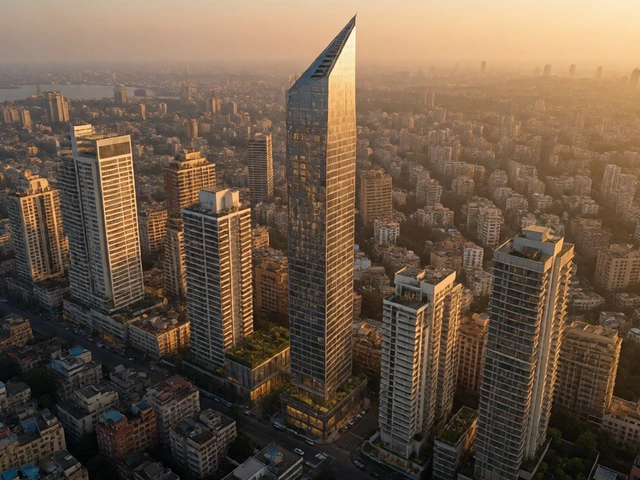
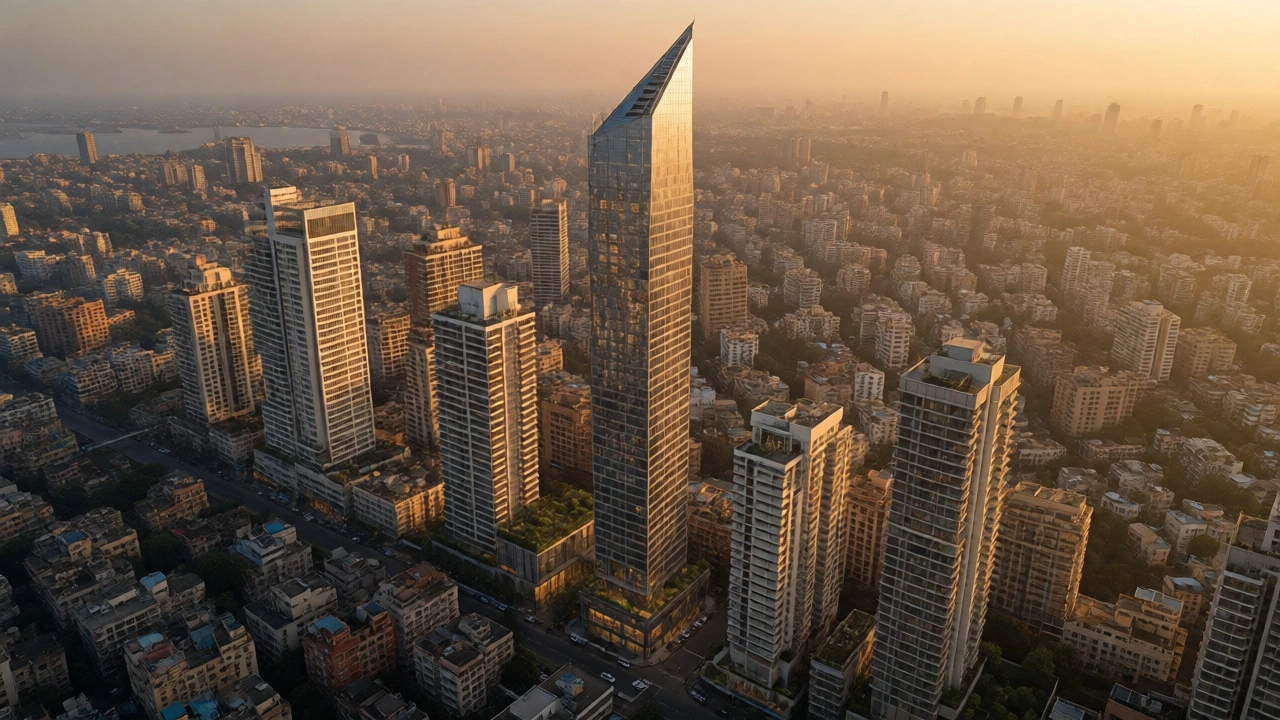
If you think New York’s Upper East Side has density, you haven’t seen South Bombay (SoBo). This is the historic heart of Mumbai’s wealth, dating back to the British Raj when Parsi and Gujarati merchants built sprawling bungalows along Marine Drive. Today, land here is so scarce that wealth goes up, not out.
The defining feature of SoBo isn’t just the price tag-it’s the exclusivity. Areas like Malabar Hill, Cumballa Hill, and Altamount Road form what locals call the "Billionaires' Row." Here, a single apartment can cost ₹50-100 crore ($6-12 million). The residents? Industrialists like the Ambanis, Mittals, and Jindals. They live within walking distance of the Taj Mahal Palace Hotel and the Gateway of India, but they rarely walk. Private elevators drop them directly into underground parking garages.
Why do they stay here despite the congestion? It’s about proximity to power. The Reserve Bank of India, the Bombay Stock Exchange, and the corporate headquarters of major conglomerates are all within a 15-minute drive. For these families, time is the ultimate luxury. Living in SoBo means bypassing the city’s notorious traffic by living right on top of the economic engine.
Lutyens’ Delhi: Where Power Meets Privilege
Mumbai has money, but Delhi has power. And in Delhi, power lives in the Lutyens Bungalow Zone (LBZ). Named after Sir Edwin Lutyens, the architect of New Delhi, this area was designed for British viceroys. Today, it houses India’s political dynasty-the Gandhis-and the country’s bureaucratic elite.
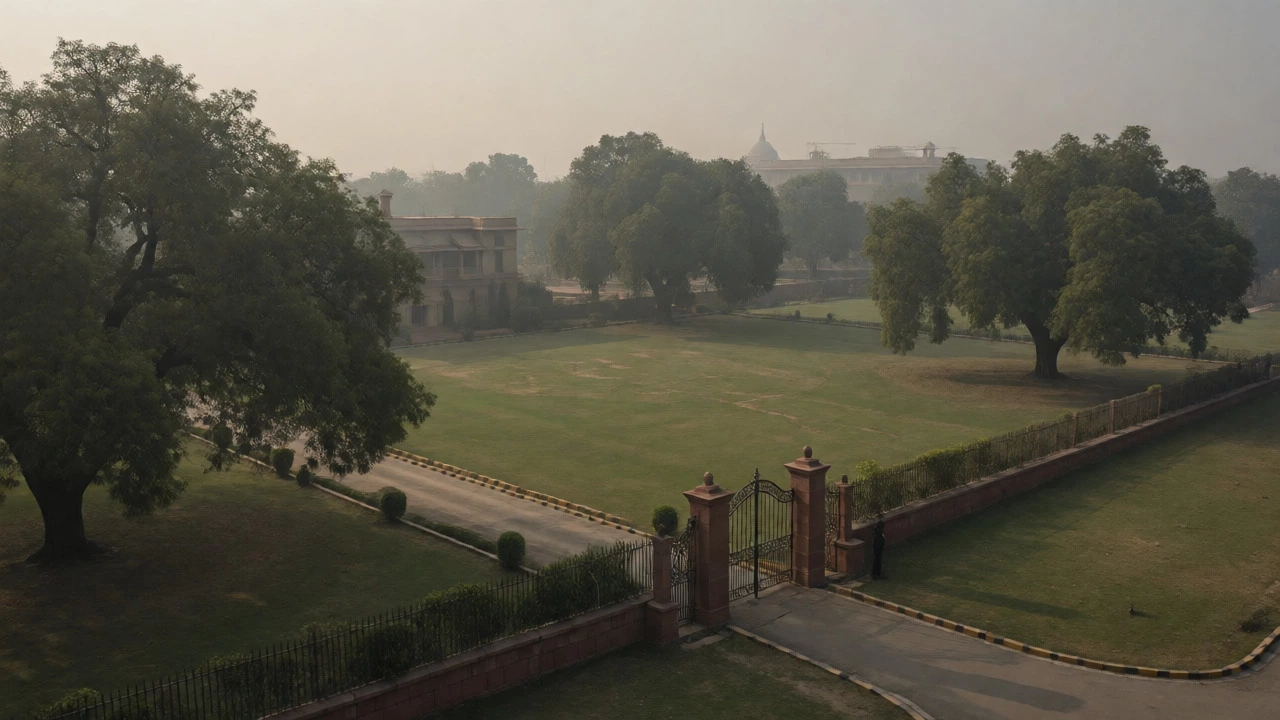
Unlike Mumbai’s vertical apartments, LBZ is horizontal. We’re talking massive colonial-style bungalows on one-acre plots. You won’t find high-rises here; zoning laws strictly limit building height to preserve the canopy of ancient neem and gulmohar trees. Walking through Teen Murti Lane or Aurangzeb Road feels less like a city street and more like a botanical garden with security checkpoints.
The vibe here is quieter, more secretive. While Mumbai’s rich flash their status on social media, Delhi’s elite prefer discretion. Their wealth is tied to government contracts, policy influence, and old money. If you’re visiting, you’ll notice the silence. No honking horns, no street vendors. Just manicured lawns and armed guards. It’s a stark contrast to the chaos just two kilometers away at Connaught Place.
The New Money Hubs: Gurgaon and Noida
Not everyone wants a colonial bungalow. A new wave of wealth-tech founders, startup CEOs, and young heirs-is moving to the satellite cities of Delhi-NCR. Specifically, Gurgaon (now Gurugram) and Noida.
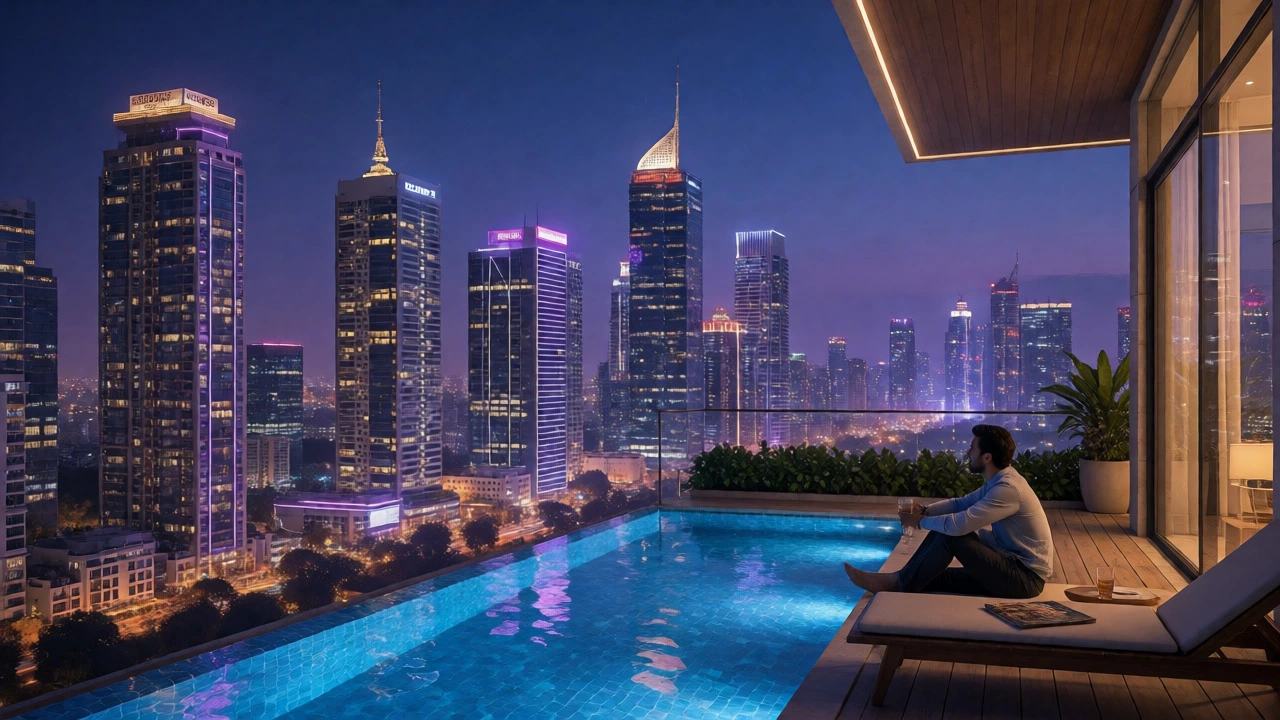
Gurgaon is the Silicon Valley of India. Home to tech giants like Microsoft, Google, and Amazon, it attracts a younger, globalized demographic. Neighborhoods like DLF Phase V and Golf Course Road are filled with ultra-luxury high-rises featuring infinity pools, private spas, and concierge services. Unlike the old guard of Delhi, these residents value lifestyle amenities over historical prestige.
Noida, across the Yamuna River, offers similar perks but with a slightly more relaxed pace. Sector 15 and the Greater Noida West corridor are seeing a boom in gated communities with world-class infrastructure. Why move here? Because the commute to the airport is faster, the air quality (marginally) better, and the schools international-standard. For a 30-year-old unicorn founder, a penthouse in Gurgaon makes more sense than a drafty bungalow in Delhi.
Bengaluru’s Leafy Suburbs: The Tech Elite’s Retreat
Move south to Bengaluru, and the landscape changes again. Known as the IT capital, Bengaluru’s wealth is decentralized. There’s no single "Golden Mile" like in Mumbai. Instead, affluence spreads across leafy suburbs like Sadashivanagar, Koramangala, and Whitefield.
Sadashivanagar is the closest thing Bengaluru has to an old-money enclave. It’s home to politicians, film stars, and legacy business families. The properties here are still largely independent villas surrounded by gardens, though developers are slowly encroaching. Meanwhile, Koramangala and Indiranagar attract the tech-savvy crowd. These areas are vibrant, filled with cafes, breweries, and co-working spaces. It’s wealth with a casual dress code.
Whitefield, further east, is where the expats and senior tech executives live. Gated communities like Prestige Shantiniketan offer resort-like living within the city limits. The appeal? Access to top-tier international schools and proximity to the ORR (Outer Ring Road), which connects the tech parks. For many, Bengaluru represents a softer, greener version of urban wealth compared to the concrete jungles of the north.
Coastal Luxuries: Goa and Alibaug
When the heat gets unbearable, India’s wealthy flee to the coast. Goa and Alibaug serve as the weekend playgrounds for the elite.
Alibaug, just an hour’s boat ride from Mumbai, has become the Hamptons of India. Celebrities like Shah Rukh Khan and Ranbir Kapoor own homes here. The area is dotted with heritage Portuguese-style forts converted into boutique hotels and private estates. It’s accessible only by sea plane or ferry, adding to its exclusivity. For Mumbai’s rich, Alibaug is a sanctuary where they can escape the noise without leaving the state.
Goa, particularly North Goa’s Assagao and Siolim villages, has transformed from a backpacker hub to a luxury destination. High-net-worth individuals from Mumbai and Delhi buy villas here to rent out during peak season or use as personal retreats. The architecture blends Indo-Portuguese styles with modern minimalism. It’s where deals are closed over cocktails, and where the stress of the mainland fades into the sound of waves.
| Location | Primary Resident Type | Housing Style | Avg. Property Price (Per Sq Ft) | Key Appeal |
|---|---|---|---|---|
| South Bombay (Mumbai) | Industrial Dynasties | Luxury Apartments | ₹80,000 - ₹1,50,000 | Proximity to Business District |
| Lutyens Zone (Delhi) | Political & Bureaucratic Elite | Colonial Bungalows | ₹40,000 - ₹70,000 | Privacy & Green Cover |
| Gurgaon (NCR) | Tech Founders & Young Heirs | High-Rise Penthouses | ₹25,000 - ₹45,000 | Lifestyle Amenities & Global Connectivity |
| Sadashivanagar (Bengaluru) | Legacy Families & Stars | Villas | ₹30,000 - ₹50,000 | Cultural Hub & Weather |
| Alibaug (Maharashtra) | Weekend Retreat Seekers | Private Villas/Forts | ₹15,000 - ₹30,000 | Seclusion & Coastal Access |
What Travelers Should Know About Visiting These Areas
Can you visit these places? Yes, but manage your expectations. You can’t just ring the doorbell of Antilia. However, you can experience the atmosphere.
- Mumbai: Take a taxi along Marine Drive at sunset. Walk past the Taj Mahal Palace. Visit the Chhatrapati Shivaji Maharaj Vastu Sangrahalaya museum nearby to soak in the history.
- Delhi: Cycle through Lodhi Gardens, which borders the Lutyens zone. Grab coffee at a cafe in Hauz Khas Village, a trendy spot adjacent to elite residential areas.
- Bengaluru: Explore Cubbon Park, which runs through Sadashivanagar. It’s public access, but you’ll see the grandeur of the surrounding buildings.
- Goa: Rent a scooter and explore the backroads of Assagao. Look for signs of "For Sale" on large compounds-many are owned by mainland elites.
Remember, these areas are heavily securitized. Photography might be restricted near certain landmarks. Always respect local norms; staring at people entering their gates is considered rude.
The Future of Indian Wealth Geography
By 2026, we’re seeing a shift. Climate change is pushing some wealthy families toward cooler climates like Himachal Pradesh’s Kasauli or Uttarakhand’s Mussoorie for long-term stays. Additionally, the rise of remote work has blurred the lines. Some tech moguls now split time between Bengaluru and Bali, creating a transnational elite.
Yet, the core anchors remain. Mumbai will always be the financial capital. Delhi will remain the political seat. And the desire for privacy, greenery, and status will continue to drive demand in these specific enclaves. Understanding where the money lives helps you understand where the opportunities-and the stories-are happening.
Which is the most expensive area in India?
As of 2026, South Bombay (SoBo) in Mumbai remains the most expensive residential market in India, particularly areas like Malabar Hill and Altamount Road. Property prices here consistently exceed ₹1,00,000 per square foot due to extreme scarcity of land and high demand from industrial billionaires.
Can tourists visit Antilia in Mumbai?
Tourists cannot enter Antilia, the private residence of Mukesh Ambani. However, you can view it from the street (Altamount Road) or take a boat tour from the Gateway of India to get a distant view of the skyscraper. It is a private family home, not a museum.
Why is Lutyens Bungalow Zone in Delhi so exclusive?
The Lutyens Bungalow Zone (LBZ) is exclusive because of strict zoning laws that prohibit high-rise construction, preserving low-density colonial bungalows. It also hosts key government institutions and embassies, requiring heightened security. The area is characterized by wide roads, extensive tree cover, and limited public access points.
Is Gurgaon safer than Delhi for families?
Many families perceive Gurgaon as safer due to its gated community model, which features 24/7 private security, CCTV surveillance, and controlled entry/exit points. While crime exists, the self-contained nature of luxury societies in areas like DLF Phase V provides a perceived layer of safety that is attractive to expatriates and young professionals.
What drives wealth concentration in Bengaluru?
Bengaluru’s wealth concentration is driven by its status as India’s IT and startup hub. The presence of major tech companies and venture capital firms creates high-income jobs. Additionally, the city’s pleasant climate and cultural vibrancy attract talent and entrepreneurs, leading to the development of affluent suburbs like Whitefield and Indiranagar.


About Author

Popular Posts