Cheapest Months to Travel India: A Budget Guide
India Budget Travel Planner
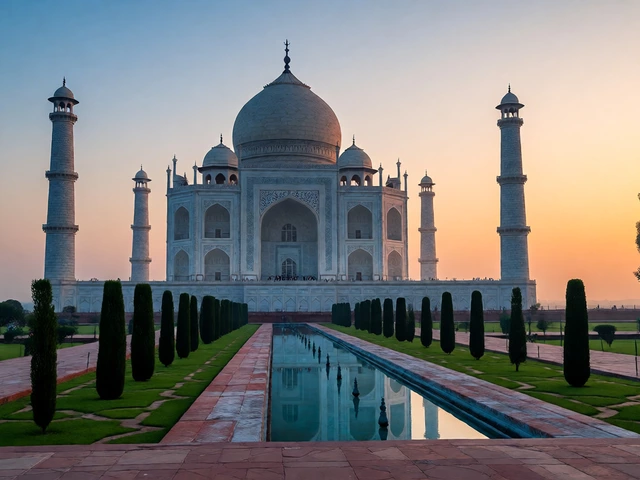
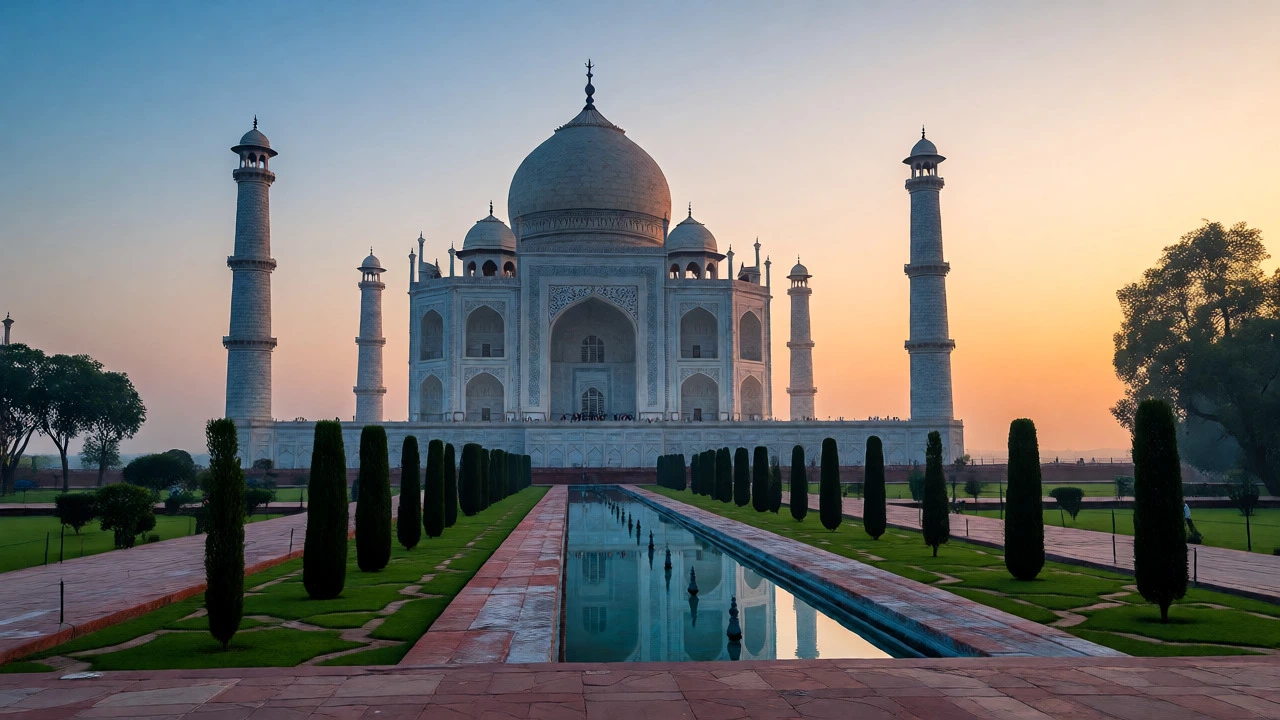
Think you need a fat wallet to see the Taj Mahal or cruise through Kerala's backwaters? Think again. The secret to an affordable budget travel India experience isn't just about finding cheap hostels-it’s about timing your visit when the crowds thin out and prices drop. Most travelers flock to India between October and March, driving up costs for everything from flights to hotel rooms. But if you shift your calendar by just a few weeks, you can slash your expenses by 30-50% without sacrificing the magic of the journey.
Here is the truth: India doesn't have one single "off-season." It has multiple shoulder seasons depending on where you go and what you want to do. Monsoon rains in July might ruin a beach day in Goa but make trekking in the Western Ghats spectacular. Winter chill in Delhi might scare off tourists but makes Rajasthan incredibly comfortable. Understanding these regional nuances is how you save money while still having an unforgettable trip.
The Sweet Spot: Shoulder Seasons Defined
If you are looking for the absolute lowest prices across most of the country, aim for April to June and September to November. These periods fall right before and after the peak tourist season (October to March). During these months, airlines offer significant discounts on international flights, and hotels often lower their rates to fill empty rooms.
Why does this happen? Simple supply and demand. In December, a night in a decent hotel in Jaipur might cost $80. By May, that same room could be available for $40. The catch? Weather. April and May are scorching hot in North and Central India. Temperatures in Delhi can hit 45°C (113°F). However, if you stick to hill stations like Shimla, Manali, or Darjeeling, or head south where it’s more humid but not as brutally dry-hot, you can still enjoy your trip comfortably.
Monsoon Magic: Why July and August Are Underrated
Many travelers avoid India during the monsoon because they fear constant rain. But here’s the thing: it rarely rains all day. Usually, you get intense downpours in the late afternoon, leaving mornings clear for sightseeing. And the rewards? Lush green landscapes, waterfalls at full capacity, and rock-bottom prices.
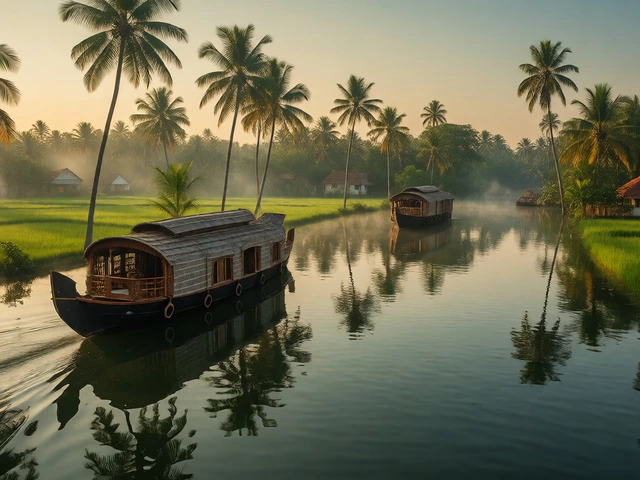
Kerala and the Konkan Coast are particularly stunning during monsoon. Houseboat rentals in Alleppey drop by nearly half. If you’re into photography, the mist-covered tea plantations in Munnar are worth braving a few showers for. Just remember to pack quick-dry clothes and waterproof gear. Avoid trekking in the Himalayas during heavy monsoon due to landslide risks, but coastal treks become lush and vibrant.
Regional Breakdown: Where to Go When
India is huge. What’s cheap in one region might be expensive or impossible in another. Here’s how to navigate the map based on cost and weather:
| Region | Cheapest Months | Weather Condition | Pro Tip |
|---|---|---|---|
| North India (Delhi, Rajasthan) | May - June | Very Hot (40°C+) | Visit early morning/evening; stay in AC hotels. |
| Himalayas (Ladakh, Spiti) | September - October | Cool, Clear Skies | Roads open post-monsoon; fewer tourists than July/Aug. |
| South India (Kerala, Tamil Nadu) | June - September | Humid, Rainy | Great for Ayurveda retreats and houseboats. |
| Goa & West Coast | June - August | Monsoon Rains | Beaches close for swimming; great for yoga retreats. |
| Northeast India | November - February | Mild, Dry | Avoid June-August due to heavy landslides. |

Flight Hacks for Cheaper Tickets
Flights usually make up the biggest chunk of your budget. To snag the cheapest fares to Delhi or Mumbai, book at least 6-8 weeks in advance. Use incognito mode when searching online to avoid dynamic pricing algorithms hiking up costs based on your search history.
Consider flying into secondary airports. For example, instead of landing directly in Jaipur, fly into Delhi and take a train or bus. Trains in India are incredibly cheap and efficient. A sleeper class ticket from Delhi to Jaipur costs around $5-$10, whereas a last-minute flight might be $50+. Plus, you get to experience the iconic Indian Railways network firsthand.
Accommodation Strategies Beyond Hostels
You don’t always need a dorm bed to save money. Look for Guesthouses and homestays run by local families. They often provide authentic meals included in the price, which saves you another $10-$15 per day on food. Websites like Airbnb or local platforms like OYO often have deals for off-season stays.
Another trick? Negotiate. In smaller towns and rural areas, published rates are just suggestions. If you plan to stay for three nights or more, ask for a discount. You’d be surprised how often owners will knock 10-20% off the rack rate for long-term guests.
Food Costs: Eating Like a Local
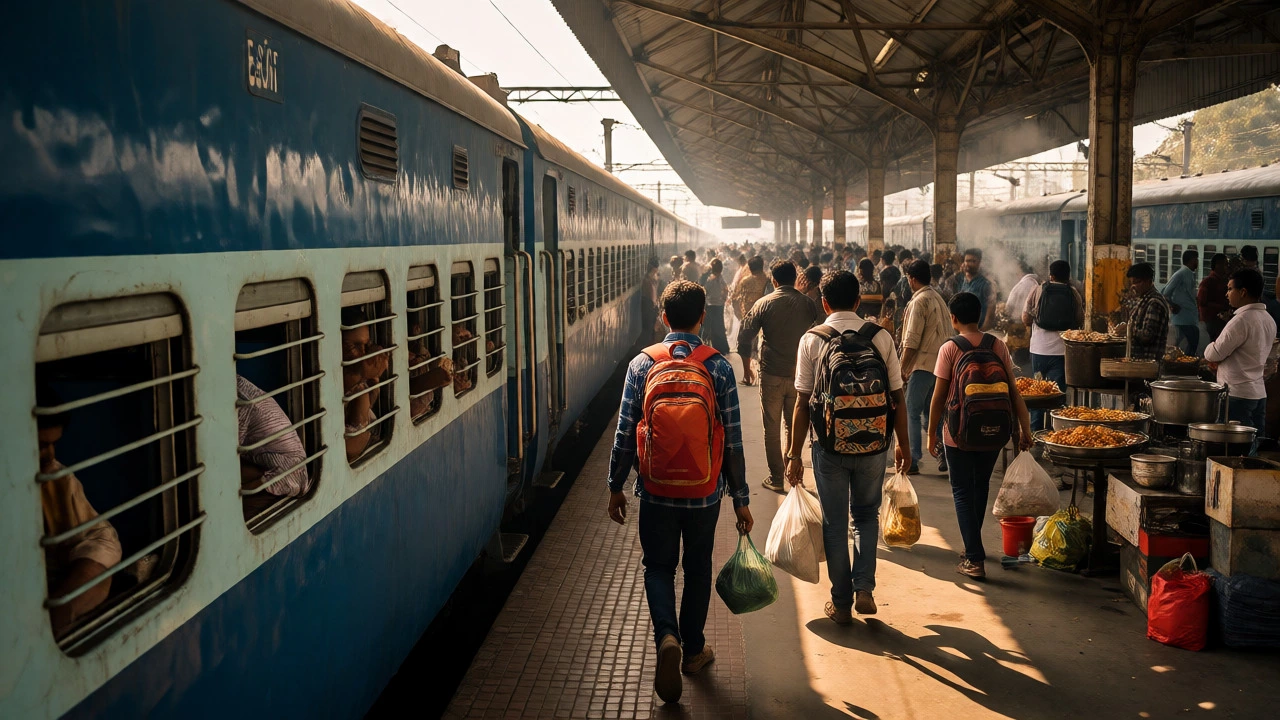
One of the best parts of traveling in India is how cheap delicious food is. Street food vendors serve hearty meals for under $1. A plate of dosas in Chennai or chaat in Delhi won’t break the bank. Stick to busy stalls with high turnover-food freshness equals safety and flavor.
Avoid tourist-trap restaurants near major monuments unless you check menus first. Prices there can be inflated by 300%. Walk two blocks away, and you’ll find locals eating the same dishes for a fraction of the cost. Thalis (platters) are your best friend-they offer variety and volume for around $2-$4.
Pitfalls to Avoid
While saving money is great, don’t compromise on safety or essential experiences. Don’t skip pre-booked transport during festivals like Diwali or Holi, even if it’s technically "peak" time. Last-minute bookings during these events can triple in price. Also, beware of "too good to be true" tour packages in places like Varanasi. Some operators cut corners on hygiene or guide quality to keep prices low.
Check visa requirements before booking. While e-visas are convenient, processing times vary. Applying too late might force you into expedited fees, eating into your savings. Ensure your passport has six months validity remaining, as many countries enforce this strictly.
Is it safe to travel in India during the monsoon?
Yes, generally it is safe in most regions except for specific mountain passes prone to landslides. Coastal areas and cities handle rain well. Just ensure you have proper footwear and waterproof bags for electronics.
How much should I budget per day for a cheap trip?
For a backpacker style, you can manage on $20-$30 USD per day including accommodation, food, and local transport. Mid-range travelers spending on private tours and nicer hotels should budget $50-$70 USD.
Which month is the absolute cheapest for flights?
Statistically, August and September often show the lowest average airfares to major hubs like Delhi and Mumbai, excluding holiday weeks. Early May can also be cheap for North America departures.
Do museums charge less in off-season?
Entry fees for national monuments like the Taj Mahal are fixed year-round. However, private guides and tour operators often offer discounts during low-demand months, so negotiate package deals.
Is it better to use trains or buses for budget travel?
Trains are usually cheaper and more comfortable for long distances. Buses can be faster for short inter-city hops but may lack legroom. Sleeper trains allow overnight travel, saving on one night's accommodation.


About Author

Popular Posts