What Animals Can Be in a Sanctuary? A Guide to Wildlife and Rescue Species
Sanctuary vs. Zoo: The Legitimacy Checker
Evaluate the Facility
Answer these questions based on what you see on the website or during your visit.
Fill out the form to analyze if a facility meets the standards of a true sanctuary.
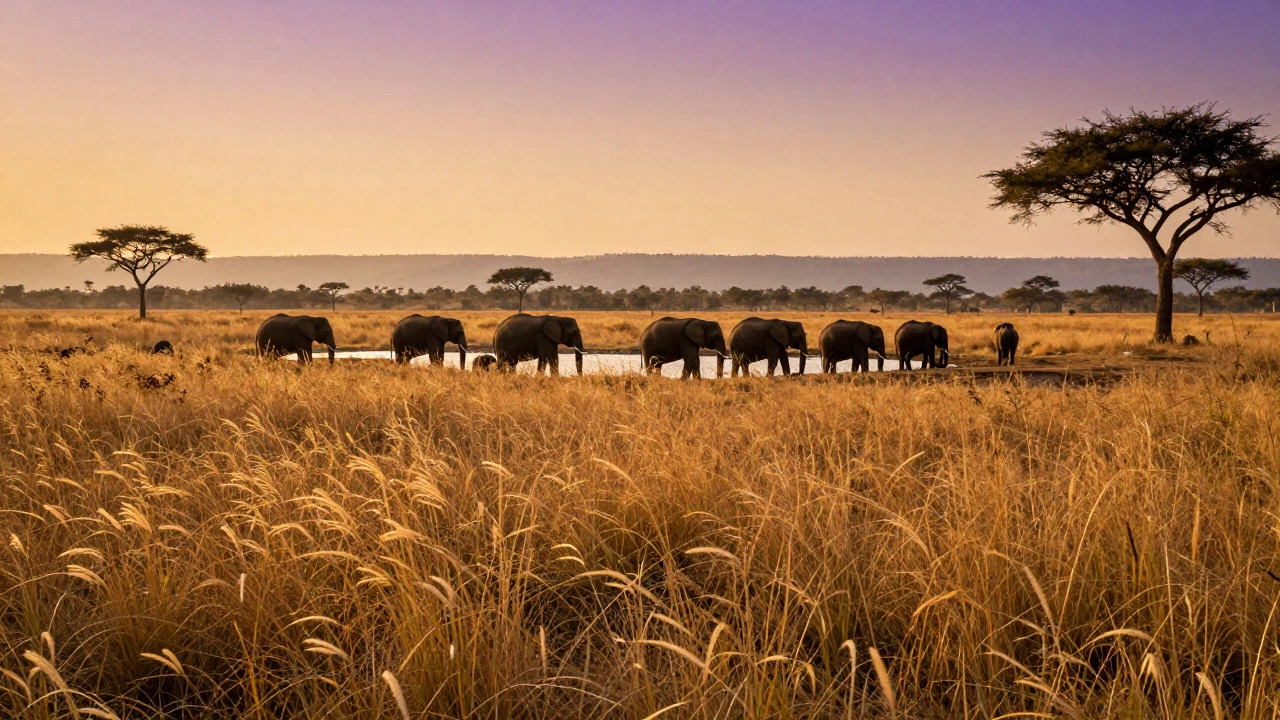
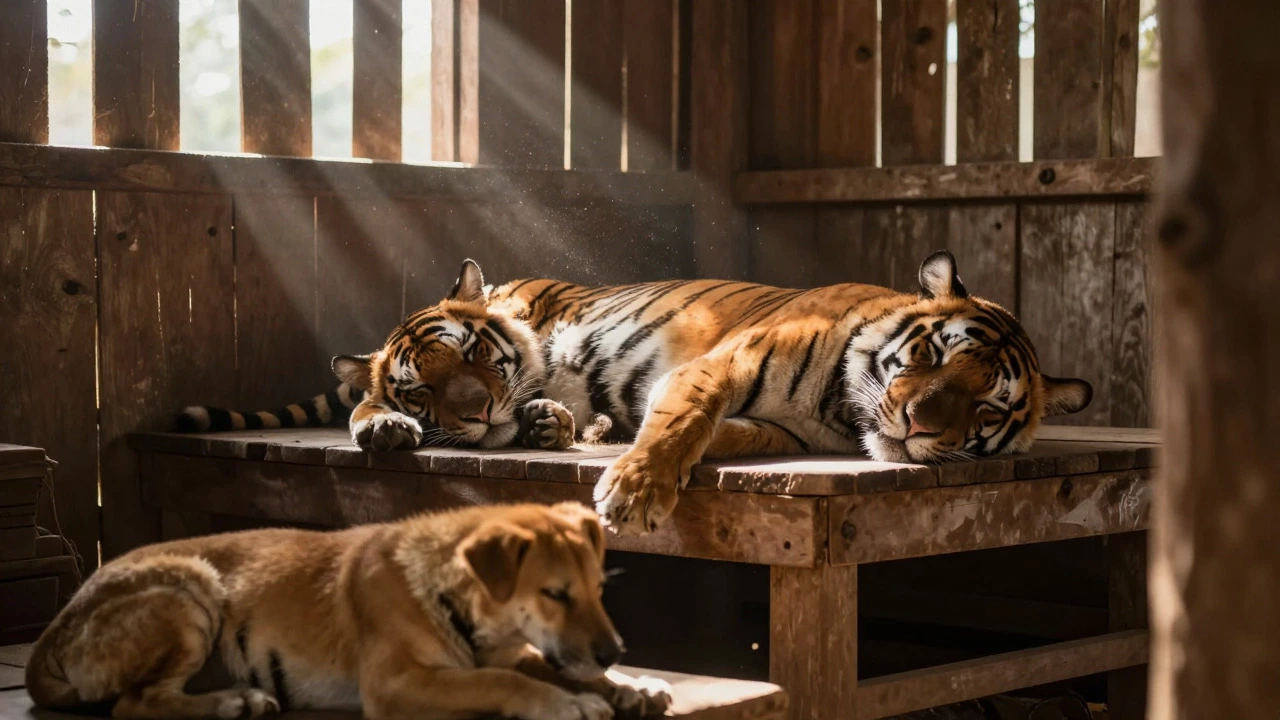
Picture this: you’re standing at the edge of a vast grassland, watching a herd of elephants graze peacefully. Now picture another scene: a quiet barn where a retired circus tiger naps in the sun, surrounded by rescued farm dogs. Both are sanctuaries. But what exactly qualifies an animal to live there? The answer isn’t as simple as “any wild creature.” It depends on whether the facility is a government-run wildlife reserve or a private non-profit rescue center.
The term wildlife sanctuary often causes confusion because it covers two very different worlds. On one side, you have conservation-focused reserves designed to protect native ecosystems. On the other, you have rescue sanctuaries that take in abused, abandoned, or surplus animals from human care. Understanding which animals belong in each type of facility is crucial for anyone interested in visiting, volunteering, or donating.
The Difference Between Wildlife Reserves and Rescue Sanctuaries
Before listing specific animals, we need to separate these two concepts. They serve different purposes and house completely different species.
A Wildlife Reserve is a protected area managed by government agencies to conserve native biodiversity and maintain natural habitats. These areas are usually large, spanning thousands of acres, and focus on letting nature take its course with minimal human interference. Think of places like the Serengeti in Africa or the Sundarbans in India.
In contrast, a Animal Rescue Sanctuary is a private, non-profit facility dedicated to providing lifelong care for individual animals that cannot survive in the wild due to injury, age, or lack of survival skills. These are often smaller, more intimate settings where staff interact closely with residents. Examples include Big Cat Rescue in Florida or various elephant sanctuaries in Thailand.
This distinction matters because the animals allowed in each place are determined by their origin and needs. You won’t find a domestic cat in a wildlife reserve, and you rarely see a fully wild, healthy lion roaming free in a small rescue sanctuary unless it’s part of a specific breeding program.
Animals in Government-Run Wildlife Sanctuaries
Government-sanctioned wildlife sanctuaries focus on preserving local ecosystems. The animals found here are typically native to the region and play a vital role in the food web. These facilities aim to protect entire populations rather than individual pets.
| Region | Key Species | Conservation Status |
|---|---|---|
| North America | American Bison, Gray Wolf, Bald Eagle | Least Concern / Recovering |
| Southeast Asia | Asian Elephant, Orangutan, Sumatran Tiger | Critical Endangerment |
| Africa (Savanna) | African Lion, Cape Buffalo, Rhino | Vulnerable / Endangered |
| Oceanic/Marine | Sea Turtle, Manatee, Dolphin | Varies by Species |
In these reserves, the rule is simple: if the animal belongs to that ecosystem, it can be there. However, even within these boundaries, not every wild animal is welcome. Invasive species, for example, are often removed or controlled. A python in the Florida Everglades National Park is technically in a protected area, but it’s considered a pest, not a resident to be conserved. Similarly, deer in some European forests are managed heavily because overpopulation threatens plant life.
These sanctuaries also serve as refuges for migratory birds. During certain seasons, wetlands designated as bird sanctuaries host millions of ducks, geese, and cranes passing through. These birds don’t live there year-round, but they are legally protected while they are present.
Animals in Private Rescue Sanctuaries
If you’ve ever seen a video of a gentle giant panda being fed bamboo by a keeper, you were likely watching a rescue or breeding center, not a wild habitat. Private sanctuaries take in animals that have been displaced from the wild or failed in captivity. Their mission is compassion, not just conservation.
The most common residents here fall into three categories:
- Exotic Pets Gone Wrong: When people buy baby monkeys, bobcats, or pythons as novelties, those animals quickly outgrow their homes. Once the owner realizes they can’t handle a 150-pound snake or a destructive capuchin monkey, the animal ends up in a rescue. These creatures often lack survival skills and must stay indoors or in enclosed enclosures forever.
- Retired Entertainment Animals: Tigers, lions, and bears used in circuses, roadside zoos, or film productions often suffer from neglect or injury. When they retire, they need spacious, enriched environments to recover mentally and physically. Many big cat sanctuaries specialize in housing these former performers.
- Seized Illegal Wildlife: Law enforcement agencies frequently confiscate animals involved in illegal trade. This includes parrots, tortoises, and primates. If they can’t be returned to the wild due to imprinting on humans, they go to accredited sanctuaries.
It’s important to note that reputable rescue sanctuaries do not breed animals for profit. Unlike roadside zoos, true sanctuaries accept no new births unless necessary for genetic diversity in critically endangered captive populations. The goal is always to provide a safe haven for individuals who have nowhere else to go.
Domestic Animals in Specialized Sanctuaries
Not all sanctuaries deal with exotic or wild creatures. There is a massive network of sanctuaries dedicated entirely to domesticated animals. These facilities operate under similar ethical principles but cater to species like horses, cows, pigs, and chickens.
Horse Sanctuaries are facilities that rescue horses from abuse, neglect, or slaughterhouses. Many of these horses come from racing tracks where injuries ended their careers, or from farms where owners could no longer afford feed. The sanctuary provides veterinary care, rehabilitation, and a peaceful retirement.
Farm animal sanctuaries are equally important. Cows, pigs, and goats saved from industrial agriculture often arrive traumatized and malnourished. Over time, they learn to trust humans again. These sanctuaries prove that even highly commodified animals have personalities and emotional needs. Visitors often report feeling a deep connection with rescued dairy cows who now spend their days grazing freely instead of producing milk for consumption.
Even reptiles and birds have dedicated rescues. Iguanas, for instance, are commonly abandoned when they grow too large for apartment living. Reptile sanctuaries provide heated enclosures and specialized diets that average pet owners struggle to maintain.
Legal Restrictions and Accreditation
You might wonder why your local zoo doesn’t count as a sanctuary. The difference lies in accreditation and legal status. In many countries, including the United States, legitimate sanctuaries must adhere to strict guidelines set by organizations like the Global Federation of Animal Sanctuaries (GFAS).
To earn accreditation, a facility must prove that:
- No animal was bred on-site for sale.
- All animals received are truly in need of rescue.
- Contact with the public is limited and educational, not exploitative.
- Financial records are transparent.
Without this accreditation, any business can call itself a sanctuary. Some dubious operations use the word to attract tourists while still allowing photo ops with sedated tigers or baby elephant rides. True sanctuaries prioritize the animal’s well-being over visitor experience. If you’re planning to visit, check if the facility is GFAS-accredited or equivalent in your country.
Legally, wildlife sanctuaries are governed by national parks departments or environmental ministries. They have the power to enforce anti-poaching laws and manage hunting quotas. Private rescues, however, rely on state health codes and zoning laws. This means regulations vary widely depending on location. Always research before donating or volunteering.
How to Identify a Legitimate Sanctuary
With the rise of social media, fake sanctuaries have become easier to spot-but only if you know what to look for. Here’s a quick checklist to ensure your support goes to the right place.
- No Breeding Programs: If the website highlights cute babies born on-site, it’s likely a zoo or breeder, not a sanctuary.
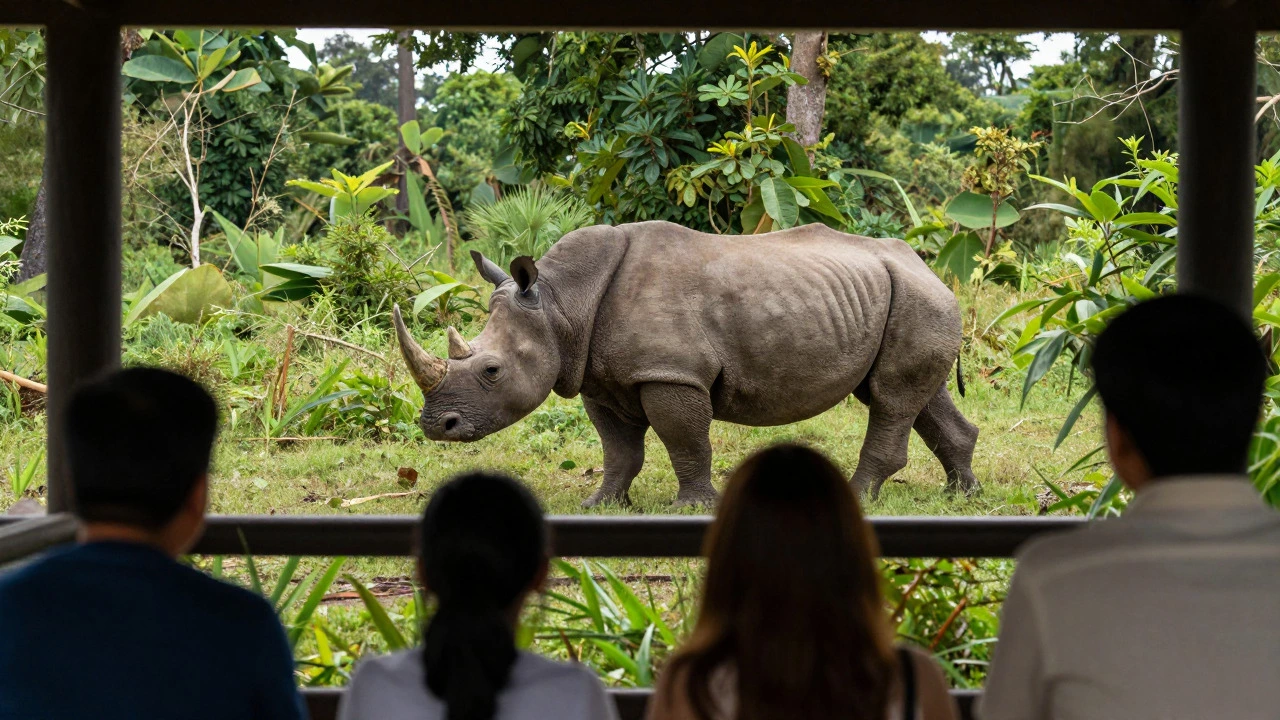
- Limited Human Contact: Real sanctuaries keep visitors behind fences or in viewing blinds. Direct interaction should be rare and supervised by experts.
- Transparent Funding: Look for annual reports showing how donations are spent. High administrative costs compared to animal care expenses are a red flag.
- Focus on Education: Legitimate sanctuaries teach visitors about conservation issues, not just entertainment value.
For example, a real elephant sanctuary will show matriarchs walking freely with their calves, guided by mahouts who respect their autonomy. A fake one will force elephants to stand still for photos while tourists pay extra to touch them. The difference is subtle but significant.
Why This Matters for Conservation
Understanding what animals can be in a sanctuary helps us make better choices as consumers and citizens. Every dollar donated to a fake sanctuary takes resources away from genuine conservation efforts. Every tourist who visits an exploitative attraction reinforces bad practices.
Moreover, sanctuaries play a critical role in public education. By seeing a rescued tiger up close-without touching it-visitors learn about the cruelty of the exotic pet trade. By observing a rehabilitated sea turtle, they understand the impact of plastic pollution. These experiences inspire action far beyond the fence line.
As awareness grows, so does the demand for ethical tourism. Travelers increasingly choose sanctuaries over theme parks. This shift pressures governments to strengthen wildlife protection laws and encourages businesses to adopt humane standards. The animals inside these walls benefit directly from our informed decisions.
Can domestic cats and dogs be in a wildlife sanctuary?
Generally, no. Domestic cats and dogs belong in shelters or foster homes, not wildlife sanctuaries. However, some specialized rescue centers may accept feral cats or stray dogs if space allows, but these are classified as domestic animal rescues, not wildlife sanctuaries.
Are all tigers in sanctuaries rescued animals?
Most tigers in accredited sanctuaries are indeed rescued from illegal trade, roadside zoos, or private ownership. However, some breeding programs exist for conservation purposes, particularly for subspecies like the Sumatran tiger. Always check the facility's accreditation status to confirm.
Do sanctuaries release animals back into the wild?
Very few sanctuaries release animals. Most residents are imprinted on humans, injured, or too old to survive independently. Rehabilitation centers focused on release exist separately, such as those for sea turtles or raptors, but these are distinct from lifelong care sanctuaries.
What is the difference between a zoo and a sanctuary?
Zoos often breed animals for display and education, while sanctuaries provide lifetime care for animals that cannot return to the wild. Zoos may allow close contact; sanctuaries prioritize animal welfare over visitor interaction. Accredited sanctuaries do not breed for profit.
Can I volunteer at any sanctuary?
Volunteering opportunities vary. Many sanctuaries require applications, background checks, and training due to the specialized care needed. Some offer short-term internships, while others seek long-term commitments. Always verify the organization's legitimacy before applying.



About Author

Popular Posts