What Was the Lifespan in India? A Look at Heritage Site Durability
Heritage Durability Estimator
Explore how ancient builders determined the lifespan of structures. Select a structure type to see its intended purpose, primary materials, and estimated longevity compared to modern standards.
Primary Materials
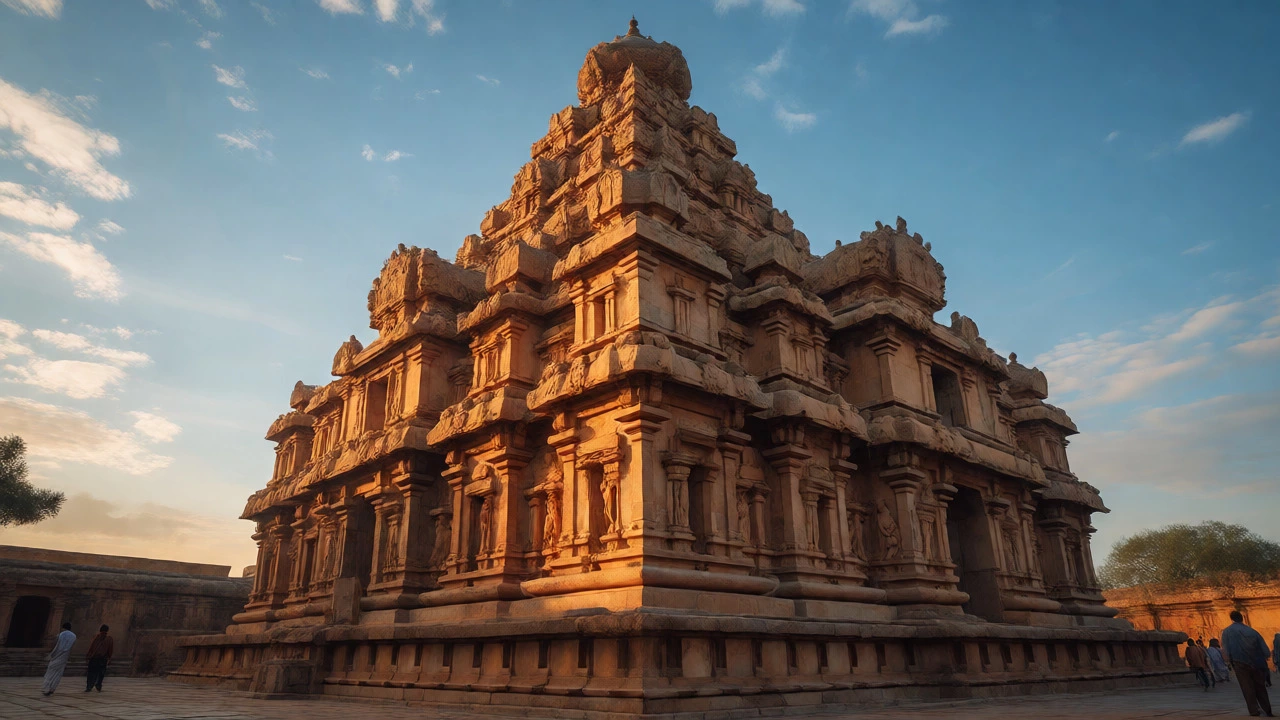
Granite, Sandstone
Example Site
Brihadisvara Temple
Intent & Philosophy
Built for gods who are eternal. The focus is on permanence and religious merit rather than code compliance.
Did You Know?
Organic binders like jaggery and egg whites in mortar created flexible bonds that resisted earthquakes better than rigid modern cement.
You walk up to the Taj Mahal, and it looks pristine. You touch a pillar at Khajuraho, and it feels solid. But here’s a question that rarely gets asked: what was the lifespan in India for these structures when they were built? Did the architects plan for them to last 100 years? 500? Or did they build for eternity?
This isn’t just about curiosity. It’s about understanding how our ancestors viewed time, materials, and legacy. In modern construction, we talk about a 50-year design life for buildings. But in ancient India, the concept of lifespan was tied to religious merit, dynastic pride, and material science that often outsmarted us today.
The Modern vs. Ancient Definition of Lifespan
First, let’s clear up what "lifespan" means in this context. Today, the Bureau of Indian Standards (BIS) suggests a structural design life of 50 years for ordinary buildings and 100 years for monumental structures. That’s a legal and engineering baseline. But if you look at the ruins of Nalanda or the intact gates of Hampi, you’re seeing things that have survived 600 to 800 years. So, the ancient definition wasn't about code compliance; it was about permanence.
Why did they build so differently? It comes down to intent. If you’re building a palace for a king who expects to rule for 30 years, you might use perishable wood and lime plaster. But if you’re building a temple for a god who is eternal, you use granite and sandstone. The lifespan was dictated by the purpose of the structure.
Material Science: Why Some Structures Last Longer
You can’t talk about lifespan without talking about materials. This is where Indian craftsmanship really shines. The difference between a structure lasting 100 years and 1,000 years often lies in the foundation and the binding agents.
Consider the Chola temples in Tamil Nadu. They used granite, one of the hardest stones on earth. Granite doesn’t rot, it doesn’t burn, and it resists weathering far better than sandstone. Compare this to the wooden palaces of Kerala. While beautiful, their lifespan was naturally shorter due to termites and monsoon humidity. However, the maintenance culture there was rigorous, extending their life artificially.
Then there’s the secret ingredient: organic binders. Archaeologists have found traces of plant extracts, jaggery, and even egg whites in the mortar of Mughal and Rajput structures. These aren’t myths; chemical analysis has shown that these additives created a flexible bond that could withstand earthquakes better than rigid modern cement. This flexibility added centuries to the lifespan of the monument.
Categorizing Heritage Sites by Expected Longevity
If we were to categorize Indian heritage sites by their intended lifespan, we’d see three distinct tiers. This helps explain why some places are ruins while others are still standing tall.
| Structure Type | Primary Material | Intended Lifespan | Example Site |
|---|---|---|---|
| Religious Temples | Granite, Sandstone | Eternal / Multi-millennial | Brihadisvara Temple |
| Royal Forts & Palaces | Sandstone, Marble | Dynastic Era (200-500 years) | Red Fort, Delhi |
| Urban Residential | Wood, Brick, Lime | Generational (50-100 years) | Havelis in Jaipur |
Notice the gap? Religious structures were built to outlast empires. Forts were built to protect kings for a few generations. Homes were built for families. When we visit a site like Ajanta, we’re looking at rock-cut architecture carved directly into the mountain. The lifespan there is essentially geological-unless the cliff collapses, the cave remains. That’s a different ballgame entirely from freestanding masonry.
The Impact of Climate and Geography
You might ask, "If they built for eternity, why are half of them ruined?" The answer is usually nature, not bad planning. India’s climate varies wildly, and this impacts the actual lifespan versus the intended lifespan.
In coastal areas like Goa or Konkan, salt air eats away at limestone and marble faster than you can imagine. The Sunda Rock churches in Goa have faced constant battles with moisture ingress. In contrast, the dry desert climates of Rajasthan preserved sandstone beautifully. The Hawa Mahal in Jaipur has stood since 1799 largely because the arid air prevented the kind of erosion that would destroy a similar structure in humid Kolkata.
Monsoons are another factor. Water is the enemy of stone. Ancient builders knew this, which is why many temples had elaborate drainage systems hidden within their architecture. When those drains clog or break over centuries, water seeps in, freezes (in northern winters), expands, and cracks the stone. Maintenance, therefore, became part of the lifespan equation.
Colonial Influence on Construction Lifespan
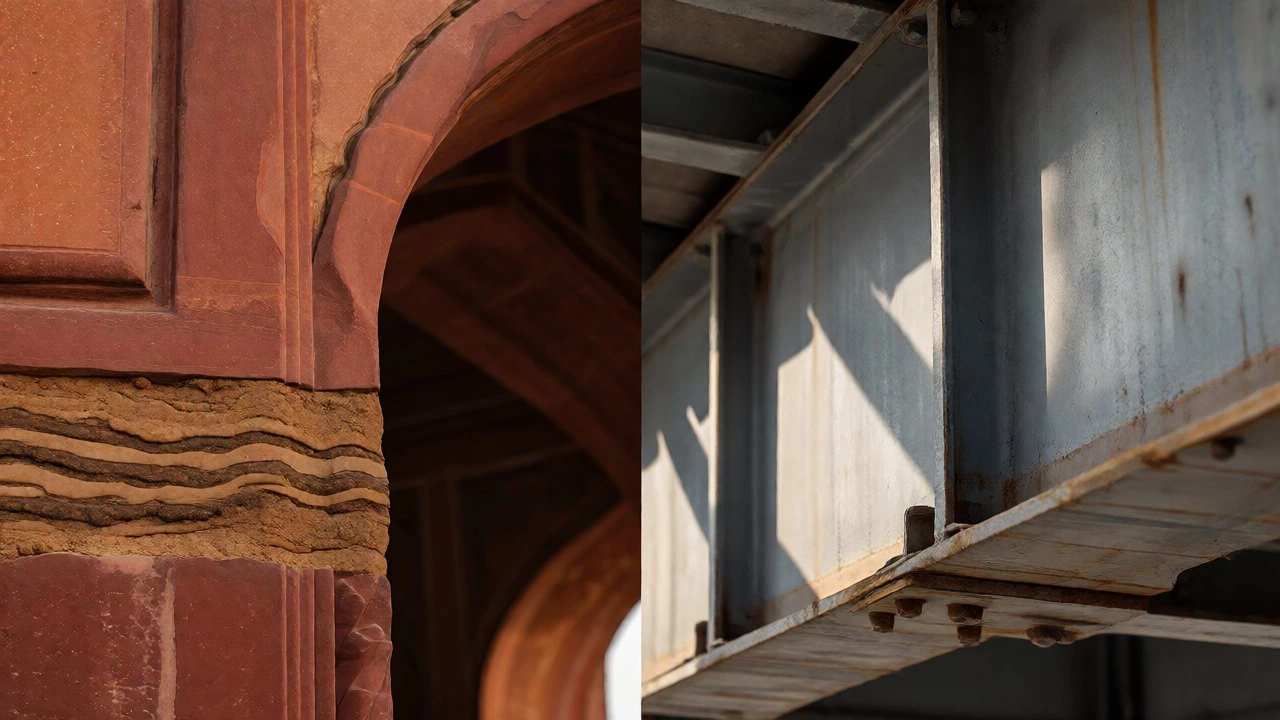
When the British arrived, they brought a new engineering philosophy. Their structures, like the Victoria Terminus in Mumbai, were designed with iron and steel frames. The intended lifespan shifted towards industrial durability rather than spiritual permanence. Steel rusts if not painted; stone erodes slowly. Both require maintenance, but the failure modes are different.
A good example is the Howrah Bridge in Kolkata. Built in the 1940s, it uses cantilever technology. Its lifespan is defined by fatigue limits of metal under load. Unlike a temple, which fails due to material decay, a bridge fails due to stress cycles. This shift marked the end of the "eternal" mindset in Indian public works and the beginning of the "maintenance-dependent" era.
How We Measure Lifespan Today
So, when historians talk about the lifespan of a site, they aren’t just guessing. They use radiocarbon dating for organic materials in the mortar. They analyze tool marks to determine the era of carving. And they look at repair layers. Many sites, like the Qutub Minar, have been repaired multiple times over centuries. Each repair adds a new layer to its history, effectively resetting parts of its lifespan clock.
This layered history makes dating tricky. Is the lifespan of the Qutub Minar measured from 1192 AD when it started, or from the major repairs in the 14th century? Usually, we cite the original construction date, acknowledging that the current physical state is a composite of centuries of care.
Preservation Efforts: Extending the Clock
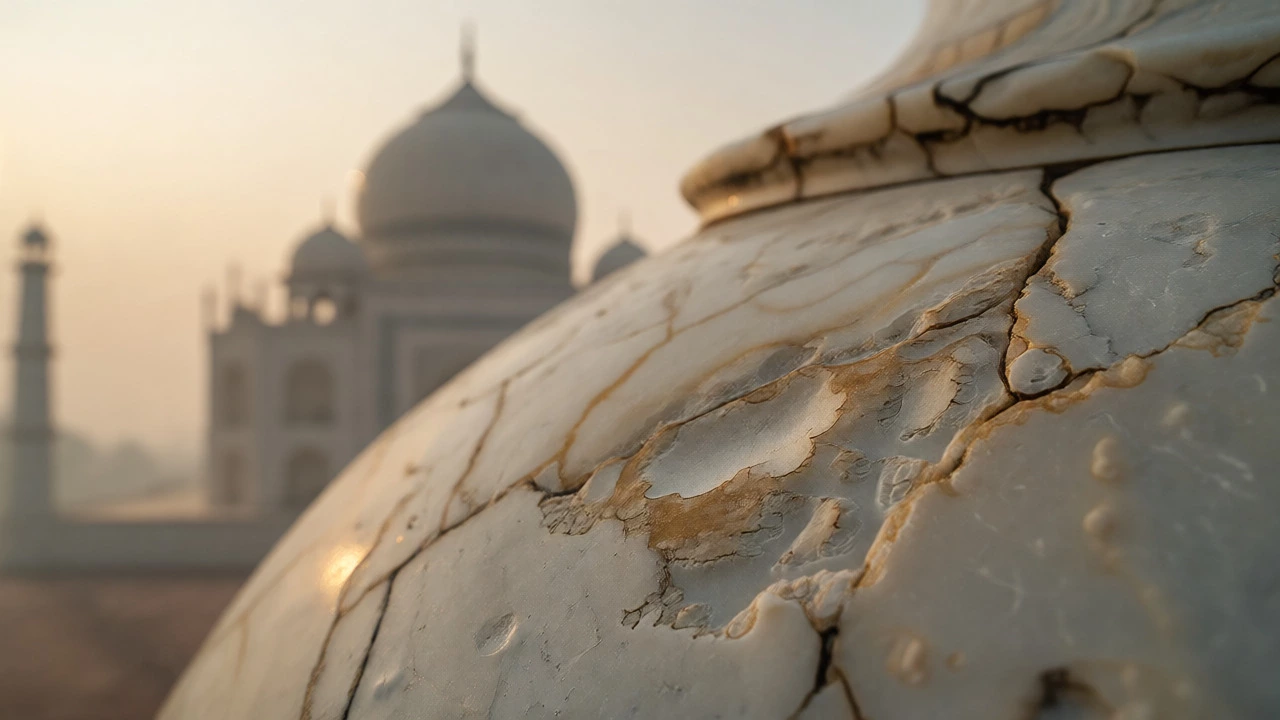
Today, the Archaeological Survey of India (ASI) manages over 3,600 protected monuments. Their job is to extend the lifespan of these sites indefinitely. But they face a modern threat: pollution. Acid rain in cities like Delhi and Agra is corroding marble at an alarming rate. The Taj Mahal’s yellowing is a direct result of airborne particulates reacting with calcium carbonate.
To combat this, conservationists now use nanotechnology and chemical consolidants to harden the surface of the stone. It’s a high-tech solution to an age-old problem. Without these interventions, the lifespan of these iconic sites could be cut short by centuries compared to their rural counterparts.
Key Takeaways
- Intent Matters: Religious sites were built for eternity; secular sites for decades or centuries.
- Material Choice: Granite lasts longer than sandstone; both last longer than wood.
- Climate Control: Dry climates preserve stone better than humid or coastal ones.
- Maintenance is Key: Even "eternal" structures fail without regular upkeep of drainage and surfaces.
Did ancient Indians have a specific number for building lifespan?
Not in the modern engineering sense. Texts like the Shilpa Shastras focused more on proportion, symmetry, and auspiciousness than structural longevity. However, the choice of durable materials like granite implies an expectation of multi-generational survival.
Why do some forts survive while temples crumble?
It depends on location and usage. Forts on hillsides often avoid flood damage and were maintained for military purposes. Temples in river valleys may suffer from rising water tables. Additionally, active worship keeps temples maintained, whereas abandoned forts fall into ruin faster unless protected as heritage sites.
How does pollution affect the lifespan of heritage sites?
Pollution accelerates decay significantly. Acid rain reacts with limestone and marble, causing them to dissolve and flake off. This process, known as chemical weathering, can reduce the structural integrity and aesthetic value of monuments much faster than natural wind or rain alone.
Can we rebuild a heritage site exactly as it was?
Rarely. Conservation ethics prioritize preserving the original fabric. Rebuilding involves new materials and techniques that may not match the original density or composition. For example, replacing a hand-carved stone block with a machine-cut one changes the visual texture and potentially the structural behavior.
What is the oldest standing structure in India?
The Great Stupa at Sanchi dates back to the 3rd century BCE, making it over 2,300 years old. Other contenders include the rock-cut caves of Barabar Hills, also from the Mauryan period. These structures demonstrate the incredible durability of stone architecture in stable geological zones.



About Author

Popular Posts