Which Is the Holiest Hindu Temple in the World? A Guide to India's Sacred Sites
Find Your Sacred Site
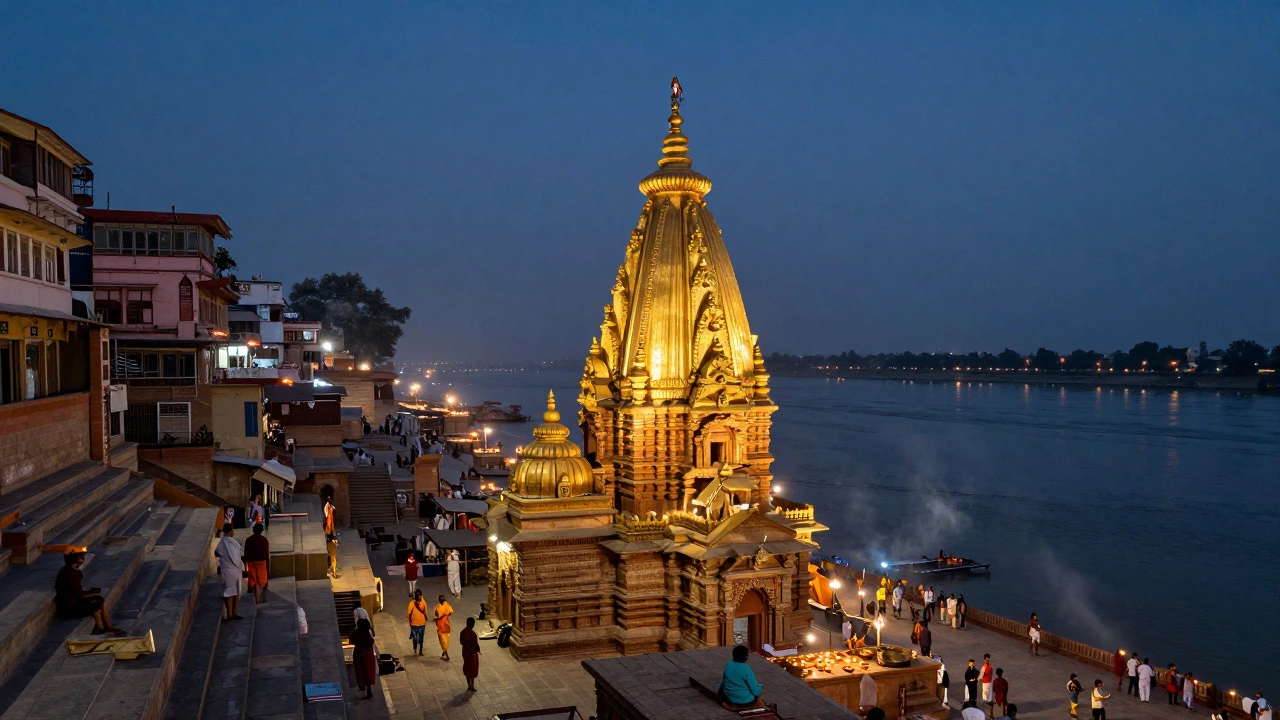
Ask a hundred different Hindus which temple is the holiest, and you might get a hundred different answers. For some, it’s the towering gopurams of Meenakshi Amman a major Hindu temple dedicated to Goddess Meenakshi and Lord Sundareswarar located in Madurai, Tamil Nadu in Madurai. For others, it’s the golden dome of the Harmandir Sahib also known as the Golden Temple, the most important Gurdwara of Sikhism located in Amritsar, Punjab in Amritsar. And for many more, there is only one answer: Kashi Vishwanath an ancient Hindu temple dedicated to Lord Shiva located on the southern bank of the river Ganges in Varanasi, Uttar Pradesh in Varanasi.
The question of "which is the holiest" doesn't have a single, simple yes-or-no answer because Hinduism isn't a monolith with one central authority dictating religious hierarchy. Instead, sanctity is often tied to mythology, geography, personal devotion (bhakti), and historical significance. However, if we look at theological weight, pilgrimage frequency, and cultural impact, a few temples stand above the rest. This guide breaks down why these specific sites hold such immense power for devotees and what you can expect if you plan a temple tour in India.
Why Varanasi Holds the Top Spot
If you are looking for the site that most scholars and pilgrims agree is the spiritual epicenter of Hinduism, it is Varanasi. Specifically, the Kashi Vishwanath Temple. In Hindu cosmology, Varanasi (or Kashi) is considered the oldest living city in the world and the gateway to Moksha-liberation from the cycle of birth and death.
The belief here is profound: dying in Varanasi frees your soul from reincarnation. Because of this, millions make their final journey to the ghats of the Ganges River. The Kashi Vishwanath Temple sits right in the heart of this sacred landscape. It is believed that Lord Shiva himself chose this spot. According to legend, Shiva appeared as a column of light (Jyotirlinga) here, making it one of the twelve Jyotirlingas, which are considered the most powerful manifestations of Shiva.
Visiting this temple today involves navigating narrow, bustling lanes that lead to the main shrine. The atmosphere is electric, filled with the sound of bells, chanting, and the scent of incense. While the physical structure has been rebuilt several times over centuries due to invasions and natural disasters, the spiritual energy remains undisturbed. For a traveler, the experience is intense. You aren't just visiting a building; you are stepping into a millennia-old conversation between humanity and the divine.
The Spiritual Capital of South India: Madurai
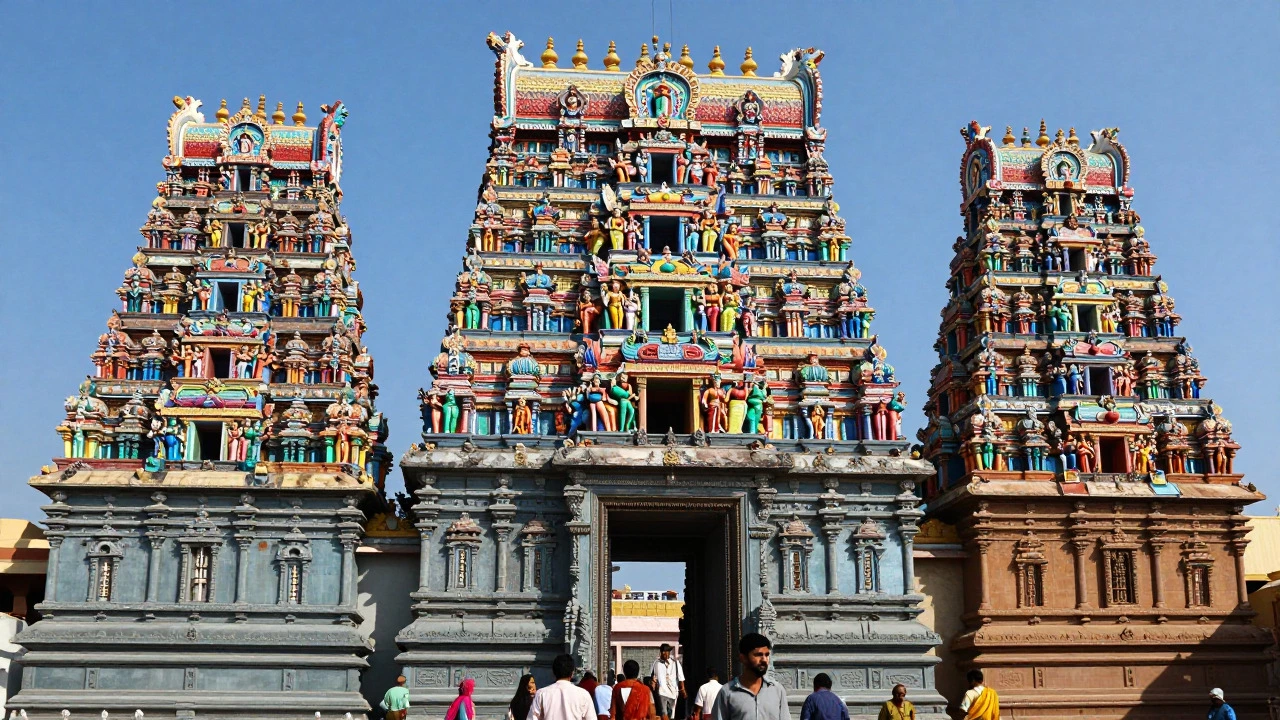
While Varanasi dominates the north, Madurai holds the crown in the south. The Meenakshi Amman Temple is not just a place of worship; it is an architectural marvel and a functioning city within a city. Located in Tamil Nadu, this temple complex dates back to the Pandyan dynasty, with its current structures largely built during the Nayak period in the 16th and 17th centuries.
What makes Meenakshi Amman unique is its dual dedication. It honors Goddess Meenakshi (a form of Parvati) and her consort, Lord Sundareswarar (Shiva). Unlike many temples where the goddess is secondary, here she is equal, if not primary, in importance. The temple features fourteen towering gopurams (gateway towers), each covered in thousands of brightly colored stucco sculptures depicting gods, demons, and mythological scenes.
For devotees, the daily rituals here are precise and continuous. From dawn to dusk, priests perform abhishekam (ritual bathing of the deities) and alankaram (decoration). If you visit during the Chithirai Festival, the entire city comes alive with processions celebrating the celestial marriage of Meenakshi and Sundareswarar. For anyone interested in Dravidian architecture or Shaivite traditions, this temple offers a depth of experience that rivals any site in the world.
The Golden Temple: A Beacon of Universal Peace
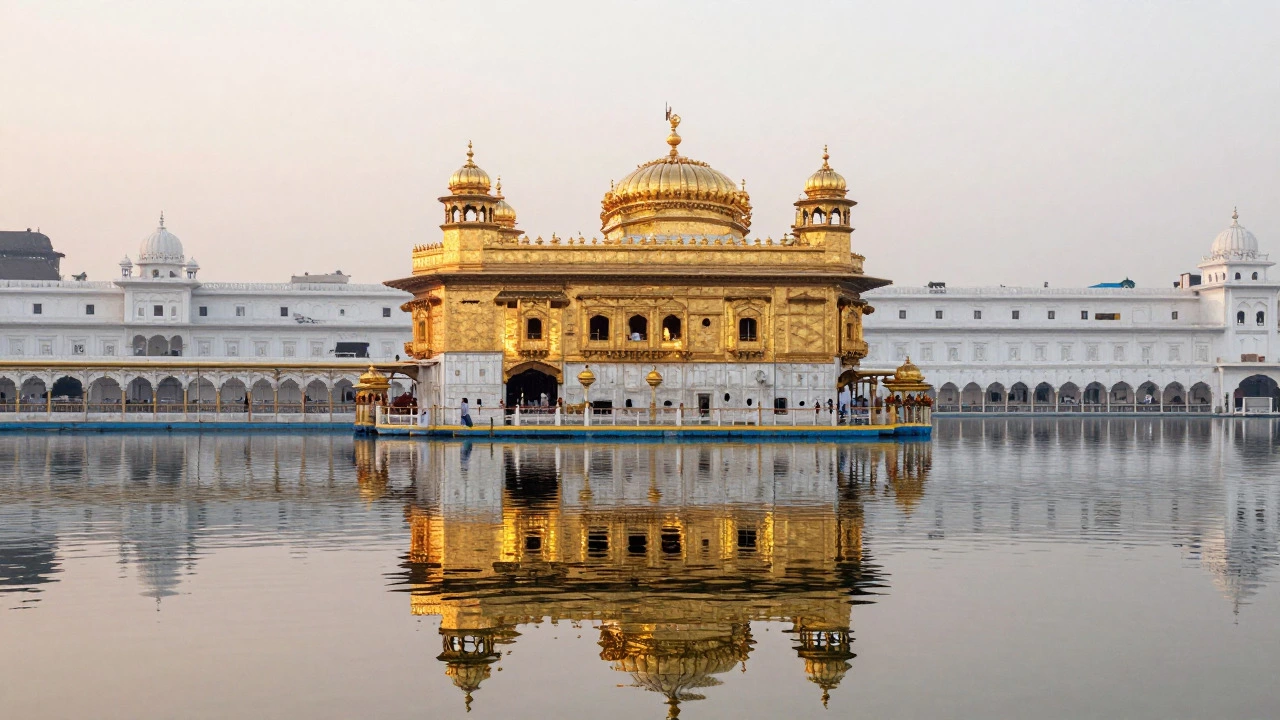
Although technically a Gurdwara (Sikh place of worship), the Harmandir Sahib, commonly known as the Golden Temple, is often included in discussions about India's holiest sites because of its universal appeal and spiritual magnitude. Located in Amritsar, Punjab, it is the pre-eminent spiritual site and holy shrine of Sikhism.
Unlike Hindu temples, which often have hierarchical entry based on caste or ritual purity, the Golden Temple is radically egalitarian. It has four entrances, symbolizing openness to people from all directions and all backgrounds. The lower level is made of marble, while the upper level is covered in gold leaf, giving it its iconic shimmering appearance when reflected in the surrounding sarovar (holy pool).
The Langar, or community kitchen, serves free meals to over 100,000 people daily, regardless of religion, caste, gender, or economic status. This act of seva (selfless service) is central to Sikh teachings. For many travelers, the sense of peace and equality at the Golden Temple is more profound than the ritualistic intensity found in other temples. It stands as a testament to the idea that spirituality should be accessible to everyone.
The Char Dham: Pilgrimage Beyond Single Temples
To understand Hindu holiness, you must also understand the concept of the Char Dham. These are four sacred pilgrimage sites spread across India: Badrinath in the north, Puri in the east, Rameswaram in the south, and Dwarka in the west. Completing a Yatra (journey) to all four is believed to cleanse a person of sins and bring them closer to liberation.
- Badrinath: Dedicated to Lord Vishnu, located in the Himalayas. It is open only for six months a year due to harsh winter conditions.
- Jagannath Temple, Puri: Famous for its Rath Yatra (chariot festival), where massive chariots carrying deities are pulled through the streets by thousands of devotees.
- Ramanathaswamy Temple, Rameswaram: Known for having the longest corridor of any Hindu temple. It is associated with Lord Rama from the epic Ramayana.
- Dwarkadhish Temple, Dwarka: Believed to be the city ruled by Lord Krishna. It sits on the western coast of Gujarat.
While no single temple in this group is universally called "the holiest," together they represent the geographical and spiritual boundaries of the subcontinent. Many pilgrims spend years saving up and planning logistics to complete this circuit. It highlights how holiness in Hinduism is often distributed across a landscape rather than concentrated in one point.
Other Contenders for Spiritual Supremacy
Beyond the major names, several other temples claim unique spiritual statuses based on specific legends or deity forms.
Tirupati Balaji Temple one of the richest and most visited religious centers in the world, dedicated to Lord Venkateswara in Tirumala, Andhra Pradesh is famous for its wealth and massive footfall. Millions visit annually to seek blessings from Lord Venkateswara. The sheer scale of devotion here, with devotees offering hair tonsure and gold jewelry, creates a unique ecosystem of faith.
In Kerala, the Sabari Mala Temple a significant Hindu temple dedicated to Lord Ayyappa located in the Western Ghats of Kerala attracts millions during the Mandala Makkam festival. The trek to reach the temple is part of the penance, requiring devotees to observe strict fasting and celibacy for 41 days prior.
Then there is the Vishakhapatnam Subramanya Swamy Temple a popular temple dedicated to Lord Murugan located in Visakhapatnam, Andhra Pradesh, though less globally recognized, it holds deep local significance. Similarly, the Kedarnath Temple one of the twelve Jyotirlingas dedicated to Lord Shiva located in the Himalayan state of Uttarakhand gained renewed attention after the 2013 floods. Its survival amidst disaster reinforced its status as a miracle site for many believers.
| Temple Name | Location | Primary Deity | Key Significance | Best Time to Visit |
|---|---|---|---|---|
| Kashi Vishwanath | Varanasi, UP | Lord Shiva | Gateway to Moksha; Oldest City | Oct - Mar |
| Meenakshi Amman | Madurai, TN | Goddess Meenakshi & Shiva | Architectural Marvel; Dravidian Culture | Jan - Feb (Chithirai Fest) |
| Harmandir Sahib | Amritsar, Punjab | Guru Granth Sahib | Spiritual Center of Sikhism; Equality | Oct - Mar |
| Tirupati Balaji | Tirumala, AP | Lord Venkateswara | Highest Footfall; Rich Traditions | Year-round (avoid monsoon) |
| Kedarnath | Uttarakhand | Lord Shiva | Jyotirlinga; Himalayan Trek | Apr - Nov |
Planning Your Temple Tour: Practical Advice
Visiting these holy sites requires more than just booking a flight. Each location has its own rules, customs, and logistical challenges. Here is what you need to know to respect the sanctity of these places while ensuring a smooth trip.
Dress Code is Non-Negotiable: Modesty is key. Shoulders and knees must be covered. Women may need to remove jewelry and footwear before entering inner sanctums. At the Golden Temple, you must cover your head with a scarf or cloth provided at the entrance.
Timing Matters: Most temples have specific darshan (viewing) hours. Early morning (pre-dawn) and evening (around sunset) are usually the most spiritually charged times but also the most crowded. If you prefer a quieter experience, mid-afternoon might be better, though some services may be paused.
Photography Rules: Photography is often restricted inside the main sanctum sanctorum to maintain reverence. Check signs carefully. Using flash can disturb ongoing rituals. At Kashi Vishwanath, mobile phones are sometimes required to be stored in lockers outside.
Accommodation Proximity: Staying close to the temple saves time and allows you to participate in early morning aarti (prayer ceremonies). In Varanasi, staying near Dashashwamedh Ghat puts you within walking distance of Kashi Vishwanath. In Madurai, hotels around the temple complex offer easy access.
Understanding the Concept of Holiness
Ultimately, the "holiest" temple is subjective. It depends on which deity you revere, which scripture you follow, and where your heart lies. For a Vaishnavite (devotee of Vishnu), Tirupati or Badrinath might feel holier than Varanasi. For a Shakta (devotee of the Goddess), Kamakhya in Assam or Meenakshi in Madurai would take precedence.
Hinduism embraces this diversity. It does not demand uniformity in worship. This pluralism is part of its strength. When you travel to these sites, you are not just checking boxes on a bucket list. You are engaging with a living tradition that has evolved over thousands of years. Whether you are a devout believer or a curious traveler, the energy at these places is palpable. The chants, the colors, the crowds, and the silence all contribute to an experience that is hard to replicate elsewhere.
If you are planning a trip, consider combining multiple sites. A northern circuit could include Varanasi, Kedarnath, and the Golden Temple. A southern route might connect Madurai, Rameswaram, and Tirupati. By exploring these diverse locations, you gain a deeper appreciation for the vast tapestry of Indian spirituality.
Is Kashi Vishwanath Temple open to non-Hindus?
Yes, Kashi Vishwanath Temple is open to visitors of all religions. However, visitors are expected to dress modestly and follow temple etiquette, such as removing shoes and maintaining silence in certain areas. Non-Hindus are welcome to observe the rituals and seek blessings.
What is the best time to visit India for temple tours?
The winter months, from October to March, are generally the best time for temple tours in India. The weather is pleasant, avoiding the extreme heat of summer and the heavy rains of the monsoon season. However, avoid major festivals if you dislike large crowds, as temples become extremely busy during events like Diwali, Navratri, and Maha Shivaratri.
Can women enter all Hindu temples in India?
In most major temples, including Kashi Vishwanath and Meenakshi Amman, women are fully welcome. However, there are a few exceptions, such as the Sabarimala Temple in Kerala, which traditionally restricts entry for women of menstruating age (10-50 years), although this rule has been subject to legal debate and change. Always check specific temple rules before visiting.
How long does it take to complete the Char Dham Yatra?
Completing the Char Dham Yatra typically takes between 15 to 21 days, depending on your pace and mode of transport. The journey covers vast distances across four different states. Many pilgrims break the trip into two parts due to the challenging terrain, especially in the Himalayas for Badrinath and Kedarnath.
Is photography allowed inside the Golden Temple?
Photography is generally allowed in the outer areas and the courtyard of the Golden Temple. However, inside the main hall (Darbar Hall) where the Guru Granth Sahib resides, photography is strictly prohibited out of respect. Mobile phones should be kept on silent, and flash photography is discouraged throughout the complex.

About Author

Popular Posts

When is Goa Cheapest? A Month-by-Month Budget Guide