What Is India Famous For in Culture: A Deep Dive into Traditions, Festivals, and Arts
Indian Cultural Experience Planner
Select Your Interests
Choose the aspects of Indian culture you are most interested in to generate a personalized experience score and recommendations.
Your Cultural Profile
Select your interests above
Click "Generate My Plan" to see recommended destinations and activities tailored to your cultural preferences.
India is not just a country; it is a continent-sized tapestry of living history. When people ask what India is famous for in culture, they are rarely looking for a simple list of tourist spots. They want to understand the pulse of a civilization that has survived empires, invasions, and modernization while keeping its soul intact. The answer lies in the sheer diversity of traditions, the vibrancy of its festivals, and the depth of its spiritual practices. From the intricate dance forms of the south to the martial arts of the north, every region offers a distinct cultural identity that contributes to the national mosaic.
You do not need a degree in anthropology to appreciate this richness. You just need to look closely at daily life. Whether you are watching a street vendor prepare chai or observing a family perform morning prayers, you are witnessing centuries-old rituals adapted for the modern world. This article breaks down the core pillars of Indian culture, helping you understand why it remains one of the most fascinating subjects for travelers and scholars alike.
The Spiritual Foundation: Yoga, Ayurveda, and Philosophy
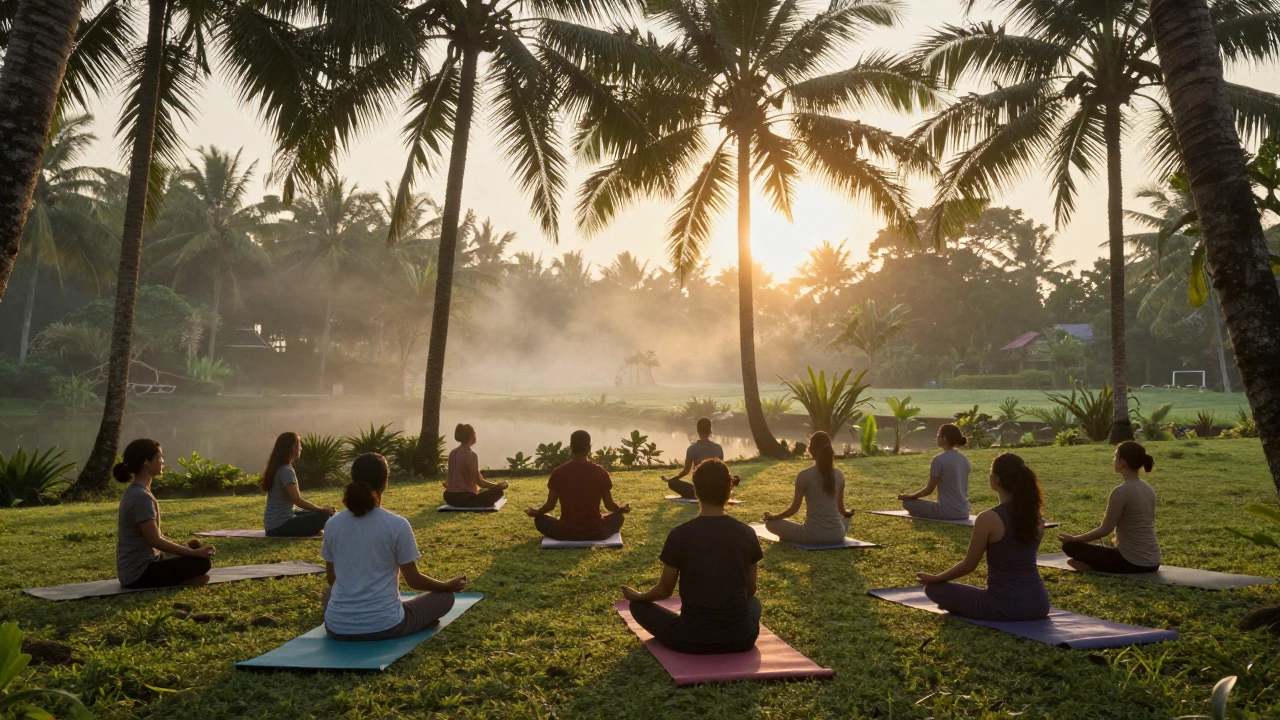
At the heart of Indian culture is spirituality, but it is not always confined to temples or mosques. It is woven into the fabric of everyday life. One of the most globally recognized exports from India is Yoga, which originated over 5,000 years ago as a holistic practice connecting mind, body, and spirit. Unlike the fitness-focused versions seen in Western gyms, traditional yoga includes ethical disciplines, breath control (pranayama), and meditation. The ancient texts like the Yoga Sutras of Patanjali provide a roadmap for self-realization that millions still follow today.
Closely linked to yoga is Ayurveda, often described as the "science of life." This medical system dates back to around 1500 BCE and focuses on balance among body, mind, and consciousness. Practitioners use herbal remedies, dietary changes, and lifestyle adjustments to treat illness. If you visit Kerala, known as the land of coconut trees, you will find resorts offering authentic Ayurvedic treatments that have been passed down through generations. The concept of doshas-Vata, Pitta, and Kapha-helps individuals understand their unique bodily constitution, a personalized approach to health that predates modern genomics by millennia.
Beyond physical wellness, Indian philosophy explores profound questions about existence. Concepts like karma (action and consequence) and dharma (duty/righteousness) guide social behavior and personal ethics. These ideas are not abstract theories but practical frameworks for living. For instance, the principle of ahimsa (non-violence), championed by Mahatma Gandhi, influenced global civil rights movements. Understanding these philosophical roots helps explain why Indians often prioritize community harmony and familial duty over individualistic pursuits.
Festivals: The Calendar of Colors and Celebrations
If you want to see Indian culture in action, watch during festival season. India does not have a single holiday calendar; instead, it has dozens, varying by region, religion, and community. Diwali, the Festival of Lights, is perhaps the most widely celebrated. It symbolizes the victory of light over darkness and good over evil. Homes are cleaned, decorated with oil lamps (diyas), and filled with sweets. Families gather to exchange gifts and pray to Lakshmi, the goddess of wealth. In cities like Jaipur and Delhi, the skyline glows with fireworks, creating an atmosphere of pure joy.
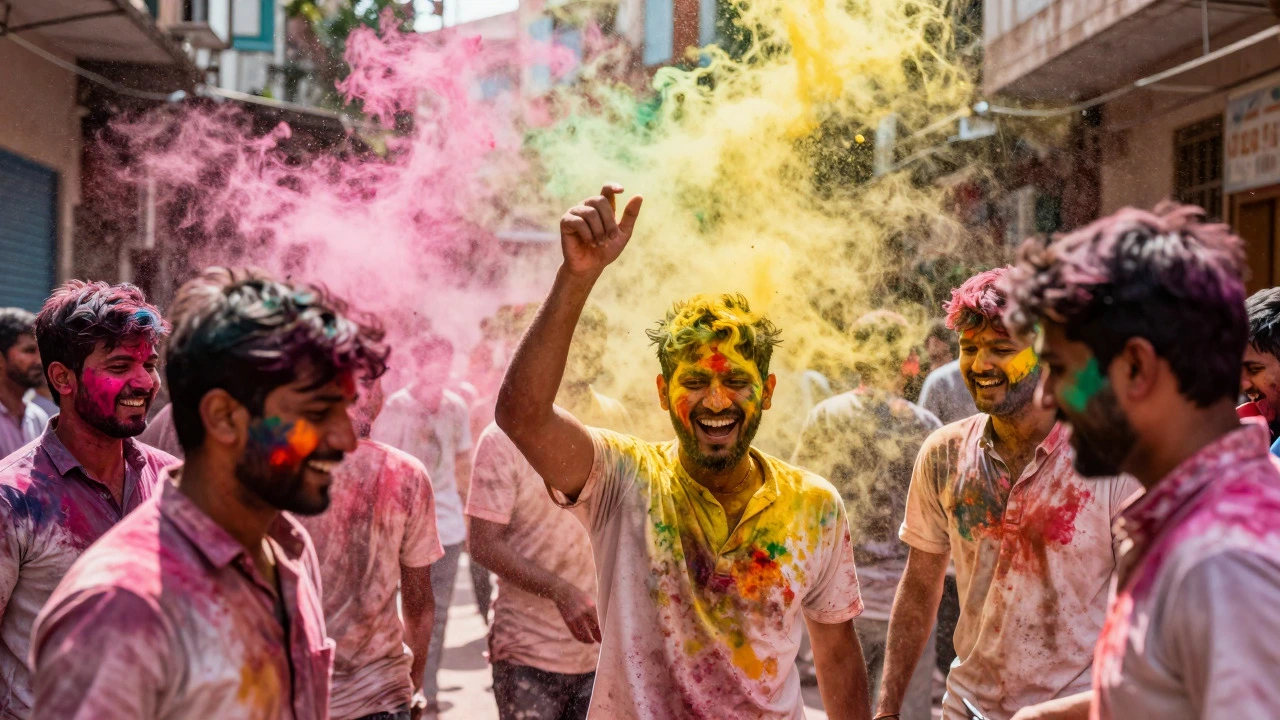
Then there is Holi, the Festival of Colors. Celebrated in spring, Holi marks the arrival of warmer weather and the triumph of love. People throw colored powders (gulal) and water at each other, breaking down social barriers. Strangers become friends, and hierarchy dissolves in a sea of pink, green, and yellow. While it can be chaotic, the underlying message is unity and renewal. In Mathura and Vrindavan, the birthplaces of Krishna, celebrations last for days with dramatic reenactments of mythological stories.
Regional festivals add another layer of complexity. In West Bengal, Durga Puja features massive clay idols of the goddess Durga, crafted by local artists who spend months preparing them. In Tamil Nadu, Pongal is a harvest festival where families cook rice in new pots, letting it boil over as a sign of abundance. Even secular events like Independence Day (August 15) carry deep cultural weight, with flag hoisting ceremonies and patriotic songs uniting citizens across linguistic divides. Each festival tells a story, preserving folklore and history through ritual.
Classical Arts: Dance, Music, and Theater
India’s performing arts are among the oldest in the world, with roots tracing back to the Sanskrit text Natyashastra (circa 200 BCE). This manual outlines the principles of drama, dance, and music, establishing a framework that still influences practitioners today. Classical dance forms vary by region, each with distinct gestures (mudras), costumes, and musical accompaniment.
- Bharatanatyam: Originating in Tamil Nadu, this form is known for its geometric precision and expressive storytelling. Dancers wear silk sarees adorned with gold jewelry, moving in tight angular poses that depict Hindu myths.
- Kathak: Popular in North India, Kathak blends narrative storytelling with rapid footwork and spins. Historically performed in Mughal courts, it incorporates Persian influences alongside indigenous traditions.
- Kathakali: From Kerala, this elaborate art form uses heavy makeup, towering headgear, and exaggerated facial expressions to convey emotions. Performances can last all night, requiring immense stamina from actors.
- Odissi: Hailing from Odisha, Odissi emphasizes fluid movements and sculpturesque poses, reflecting the temple architecture of the region.
Music is equally diverse. Hindustani classical music dominates the north, characterized by improvisation within structured ragas (melodic frameworks). Carnatic music, prevalent in the south, follows stricter compositions and rhythmic cycles (talas). Instruments like the sitar, tabla, veena, and mridangam produce sounds that are both meditative and energetic. Folk music also plays a crucial role, with regions like Punjab celebrating Bhangra and Rajasthan featuring folk ballads sung under desert skies. These art forms are not merely entertainment; they are vessels for transmitting cultural values and historical narratives.
Cuisine: A Symphony of Spices and Techniques
Food is central to Indian culture, serving as a medium for hospitality, celebration, and religious observance. What makes Indian cuisine unique is not just the use of spices but the sophisticated techniques developed over centuries. Indian cuisine varies dramatically from region to region. In the north, wheat-based breads like naan and roti accompany rich curries made with dairy and meat. The Mughal influence introduced dishes like biryani and kebabs, blending Central Asian flavors with local ingredients.
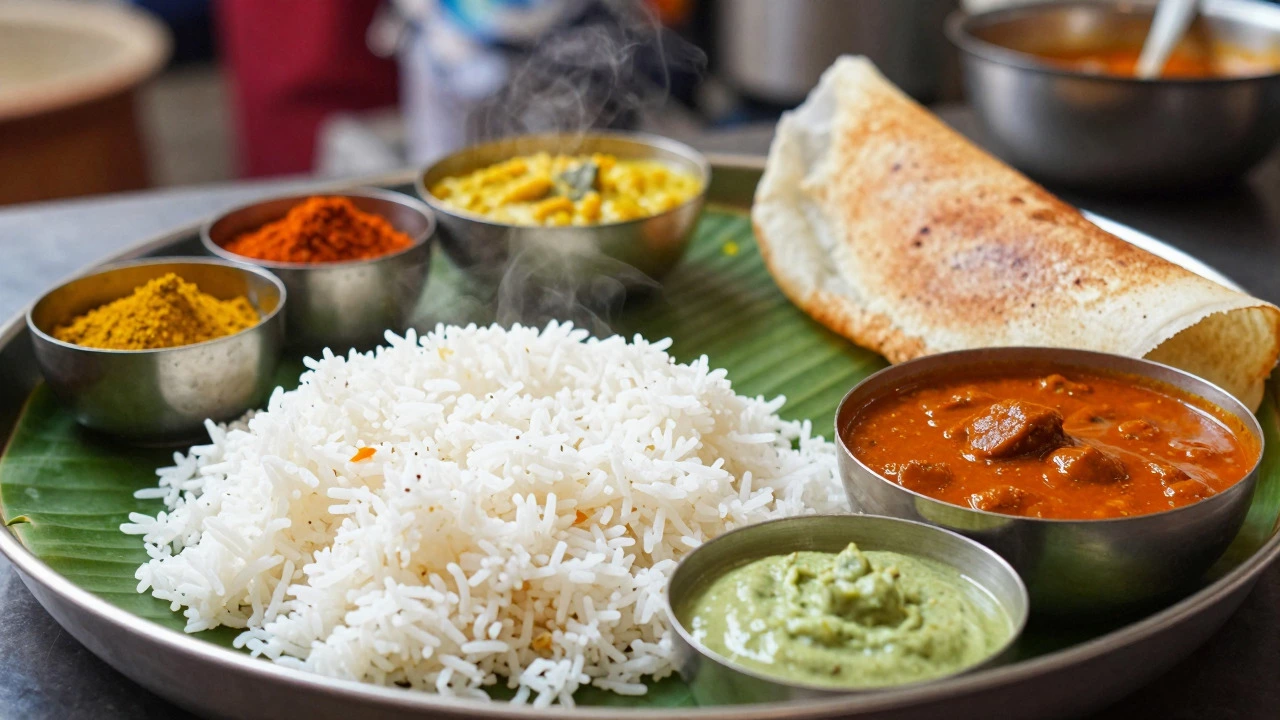
In contrast, South Indian food relies heavily on rice, lentils, and coconut. Dosas (fermented crepes) and idlis (steamed cakes) are staple breakfast items, often served with chutneys and sambar (a tangy vegetable stew). Coastal areas feature seafood preparations using tamarind and curry leaves, adding brightness to the flavor profile. The west, particularly Gujarat and Maharashtra, offers a mix of vegetarian delicacies and spicy fish curries, while the east, including Bengal and Odisha, is known for its sweet desserts and mustard-oil-based dishes.
Spices are more than seasoning; they are medicine. Turmeric, cumin, coriander, and cardamom are used for their anti-inflammatory and digestive properties. Cooking methods like tempering (tadka)-where spices are fried in hot oil before being added to dishes-unlock essential oils, enhancing aroma and taste. Street food culture adds another dimension, with chaat (savory snacks) and pani puri (hollow fried balls filled with spiced water) offering quick, flavorful bites. Food brings people together, whether at a wedding feast or a roadside stall, reinforcing social bonds.
Architecture and Heritage Sites
India’s built environment reflects its layered history, showcasing styles from ancient rock-cut caves to colonial-era buildings. Taj Mahal in Agra stands as the most iconic example, a white marble mausoleum commissioned by Emperor Shah Jahan in memory of his wife Mumtaz Mahal. Its symmetry, intricate pietra dura work, and reflection pools exemplify Mughal architectural perfection. However, focusing only on the Taj Mahal overlooks thousands of other significant sites.
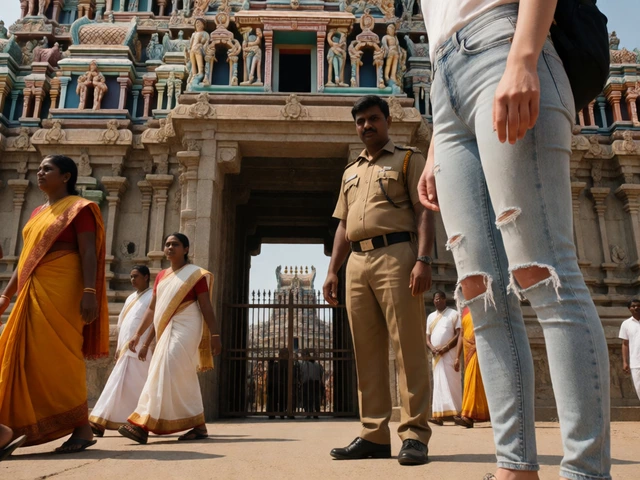
Ancient structures like the Ajanta and Ellora Caves demonstrate early mastery of stone carving and sculpture. Dating from the 2nd century BCE to the 6th century CE, these caves house Buddhist, Hindu, and Jain monuments, illustrating religious coexistence. In the south, Dravidian temple architecture features towering gopurams (gateway towers) covered in colorful sculptures depicting deities and mythical creatures. Temples like Brihadeeswarar in Thanjavur were engineering marvels of their time, constructed without mortar.
Colonial rule left its mark too, with British-era buildings in Mumbai, Kolkata, and Chennai displaying Gothic Revival and Neoclassical styles. Victoria Terminus in Mumbai, now Chhatrapati Shivaji Maharaj Terminus, combines Victorian structure with Indian motifs. Forts like Amer in Rajasthan and Gwalior showcase military architecture designed to withstand sieges, later converted into palaces with ornate interiors. These sites are not static relics; many remain active places of worship or civic use, keeping history alive in the present day.
Textiles and Handicrafts: Woven Stories
India is renowned for its textiles, with each region specializing in specific fabrics and weaving techniques. Silk sarees from Karnataka (Mysore silk), West Bengal (Banarasi silk), and Andhra Pradesh (Pochampally ikat) are prized for their sheen and durability. Weavers use handlooms to create intricate patterns, passing skills from father to son or mother to daughter. The process can take weeks for a single piece, making each garment a labor of love.
Beyond silk, cotton textiles dominate daily wear. Block printing in Rajasthan and Gujarat involves carving wooden blocks with designs, then stamping them onto fabric using natural dyes. Madhubani painting from Bihar transforms walls and cloth into vibrant scenes of nature and mythology, using pigments derived from plants and minerals. Pottery, wood carving, and metalwork also thrive, with cities like Moradabad known for brass artifacts and Dhaka for muslin fabric.
These crafts support millions of artisans, preserving livelihoods and cultural identity. However, industrialization threatens traditional methods. Initiatives promoting fair trade and artisan cooperatives help sustain these industries, ensuring that handmade goods remain accessible and valued. Buying directly from weavers or certified cooperatives supports communities and keeps traditions alive.
Family Structure and Social Norms
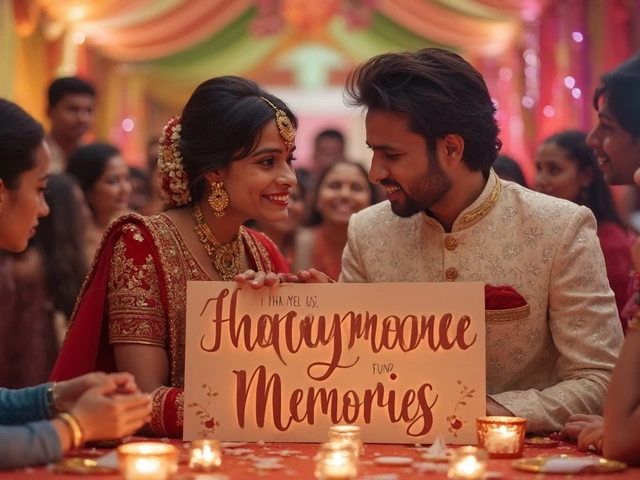
Understanding Indian culture requires grasping the importance of family. The joint family system, though evolving, remains influential. Multiple generations often live under one roof, sharing responsibilities and resources. Elders command respect, and decisions are frequently made collectively rather than individually. Marriage is viewed as a union of two families, not just two individuals, with arranged marriages still common despite rising trends toward love matches.
Social norms emphasize modesty, hospitality, and respect for authority. Guests are treated as gods ("Atithi Devo Bhava"), receiving the best food and accommodation. Gender roles are shifting, with more women entering workforce and education sectors, yet traditional expectations persist in rural areas. Caste systems, historically rigid, continue to influence social interactions, though urbanization and legal reforms have weakened their hold. Navigating these dynamics requires sensitivity and awareness, avoiding stereotypes while recognizing regional variations.
| Category | Examples | Significance |
|---|---|---|
| Spirituality | Yoga, Ayurveda, Meditation | Holistic well-being and inner peace |
| Festivals | Diwali, Holi, Durga Puja | Community bonding and religious expression |
| Arts | Bharatanatyam, Sitar Music | Preservation of mythology and aesthetics |
| Cuisine | Biryani, Dosas, Chai | Regional identity and hospitality |
| Heritage | Taj Mahal, Ajanta Caves | Historical continuity and architectural prowess |
Modern Influences and Global Impact
While rooted in tradition, Indian culture is dynamic and adaptive. Bollywood, the Hindi film industry, produces hundreds of movies annually, influencing fashion, language, and social attitudes across Asia and beyond. Cricket, once a colonial sport, has become a national obsession, unifying fans across linguistic and economic lines. Technology hubs in Bangalore and Hyderabad blend Silicon Valley innovation with Indian entrepreneurial spirit.
Diaspora communities worldwide carry Indian culture forward, introducing yoga studios, spice markets, and festival celebrations to new audiences. This global reach enhances mutual understanding, though it sometimes leads to simplification or misrepresentation. Authentic engagement requires seeking out local voices and experiences, moving beyond clichés to appreciate nuance. As India continues to grow economically, its cultural soft power strengthens, offering insights into sustainable living, pluralism, and resilience.
What is the most important aspect of Indian culture?
There is no single "most important" aspect, as Indian culture is highly diverse. However, spirituality and family values are foundational. Practices like yoga and Ayurveda reflect a holistic view of life, while strong family ties provide social stability. Respect for elders and guests is universally valued across regions.
Is India safe for solo female travelers interested in culture?
Yes, India is generally safe for solo female travelers, especially in tourist-friendly cities and heritage sites. Common sense precautions apply: dress modestly, avoid isolated areas at night, and use reputable transport. Many women travel independently without issues, benefiting from warm hospitality. Researching regional customs helps navigate social expectations comfortably.
How long should I stay to experience Indian culture deeply?
A minimum of two to three weeks allows you to explore multiple regions and participate in local events. Shorter trips risk superficial exposure. Ideally, plan visits around major festivals like Diwali or Holi for immersive experiences. Slowing down enables meaningful interactions with locals, artisans, and guides, enriching your understanding.
What are some etiquette rules to follow in India?
Remove shoes before entering homes and temples. Use your right hand for eating and greeting, as the left is considered unclean. Accept offerings with both hands or cupped palms. Avoid public displays of affection. Dress conservatively, covering shoulders and knees, especially in religious sites. Politeness and patience go a long way in building rapport.
Can non-Hindus visit temples in India?
Most Hindu temples welcome visitors of all faiths, provided they dress appropriately and follow guidelines. Some inner sanctums may restrict entry based on tradition, but outer areas are open. Mosques, churches, and gurudwaras also invite respectful tourists. Always check specific temple rules beforehand, as policies vary by location and deity.
About Author