Nagpur: The True Heart of India for Adventure Seekers
Nagpur Adventure Planner
Trip Details
Plan Your Nagpur Adventure
Enter your travel details on the left to get a customized itinerary, seasonal advice, and packing list.
You might have seen maps where a dot sits right in the middle of India. That spot is Nagpur, a major city in Maharashtra known as the geographical center of the country. It is called the "Heart of India" not just because it is centrally located, but because it pumps life into the nation’s trade, culture, and yes, even its adventure sports scene. If you are looking to explore the core of the subcontinent while getting your adrenaline fix, this is where you start.
Why Is Nagpur Called the Heart of India?
The title isn't just poetic fluff. Geographically, Nagpur sits at the approximate centroid of India's landmass. If you were to balance a map of India on a pin, that pin would likely land here. This central location made it a crucial hub during the British colonial era for connecting the north and south via railways. Today, it remains a vital logistical artery.
But there is more to the heart metaphor. Just like a biological heart connects different parts of the body, Nagpur connects diverse cultures, languages, and cuisines. You will hear Marathi, Hindi, Urdu, and English spoken on the same street corner. This cultural mix creates a vibrant, energetic atmosphere that feels distinctly "central" to the Indian experience. For travelers, this means you get a taste of everything without having to travel to the extremes of the country.
The Orange City: A Cultural Hub
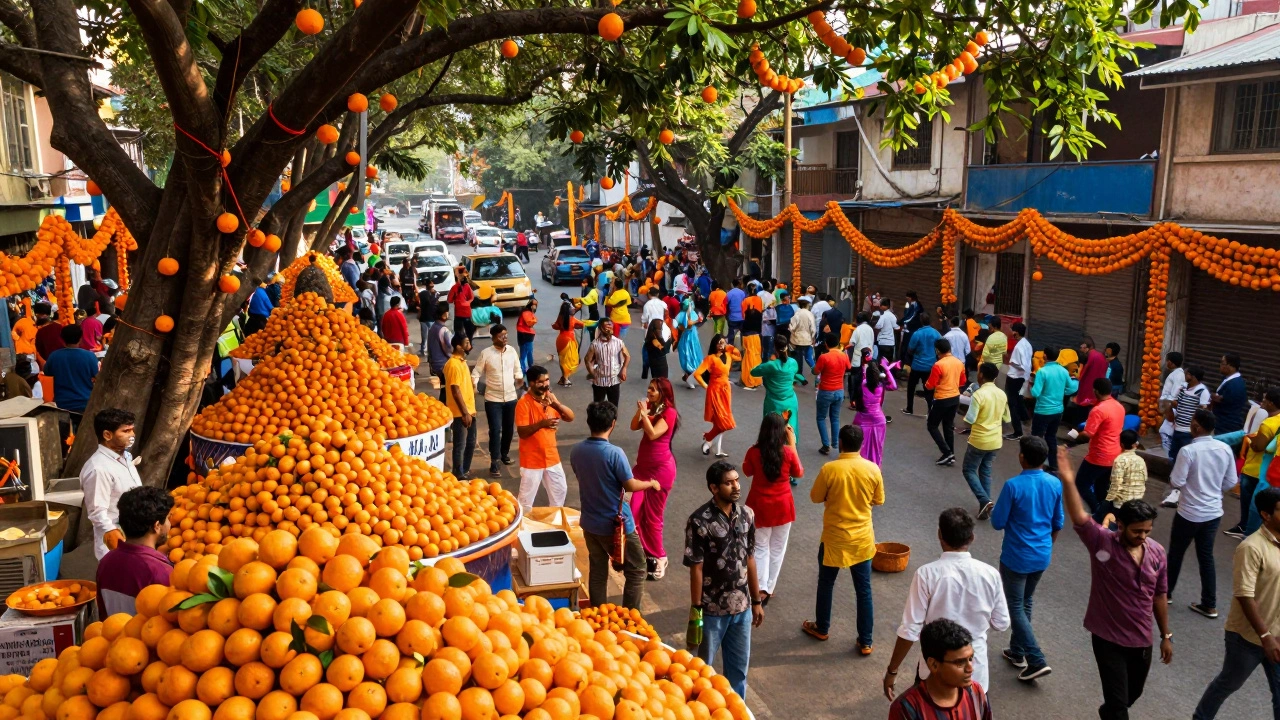
Before we talk about climbing rocks or flying through the air, you need to know what makes Nagpur tick culturally. It is famously known as the "Orange City." Why? Because it produces some of the best oranges in the world, particularly the Naveli variety. Every November, the city hosts the International Orange Festival. It is not just about eating fruit; it is a massive celebration involving music, dance, and art installations made from orange peels and segments.
Kamala Nehru Park, one of Asia's largest zoological parks located in Nagpur, is another gem. It is not your typical zoo with cages. It features open spaces, safari drives, and educational exhibits that respect animal habitats. Walking through the park feels like stepping into a green lung within the urban sprawl. It is a perfect place to understand the local rhythm before heading out for high-intensity adventures.
Adventure Sports in the Center of India
If you think the "Heart of India" is only about history and fruit, you are missing half the story. Nagpur has emerged as a serious destination for adventure enthusiasts. Its proximity to dense forests, rivers, and hills makes it a base camp for various outdoor activities.
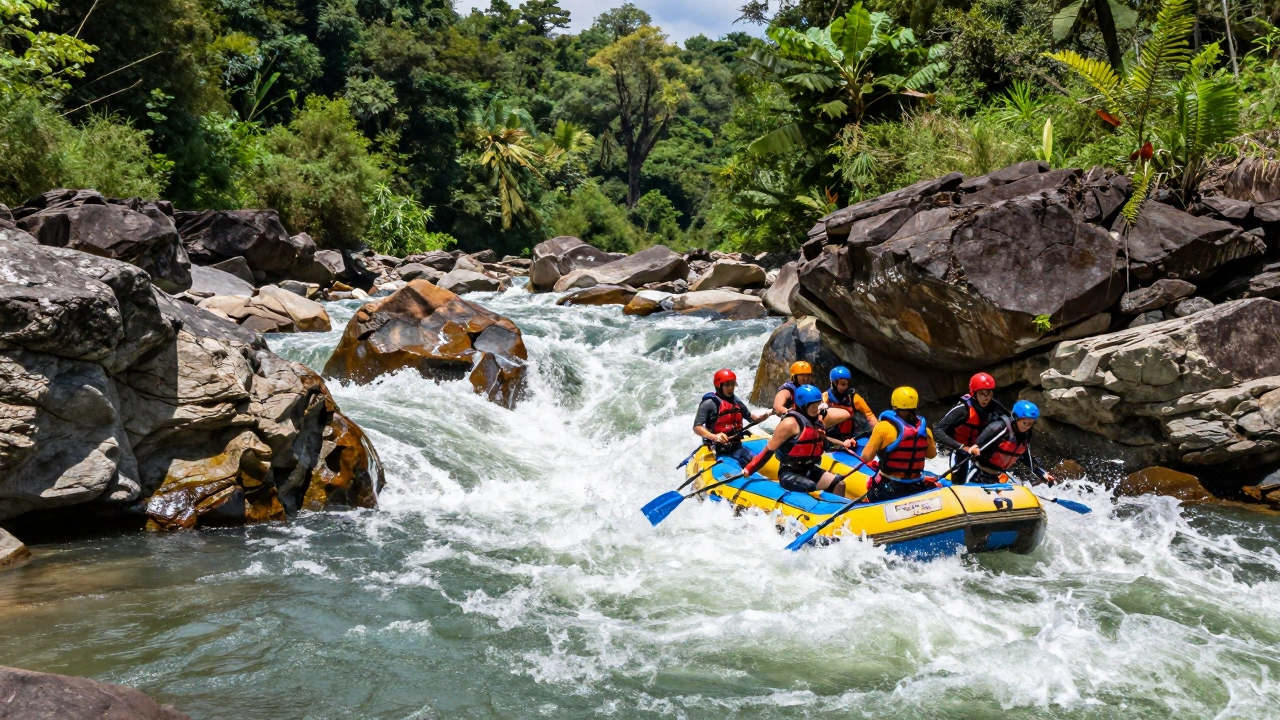
- Rafting on the Wainganga River: Located about 100 kilometers away in Pachmarhi (often accessed via Nagpur), the Wainganga offers Grade II and III rapids. It is ideal for beginners who want thrills without extreme danger. The water is clear, and the surrounding Deccan trap rock formations provide stunning backdrops.
- Trekking in Melghat Tiger Reserve: Just an hour from Nagpur lies one of India's oldest tiger reserves. While safaris are popular, the real adventure lies in trekking the trails around the reserve. You can hike through dry deciduous forests, spotting leopard tracks, deer, and sometimes tigers if you are lucky and quiet. The terrain is rugged, requiring good boots and stamina.
- Bungee Jumping at Kalsubai: For those who love heights, Kalsubai Peak, the highest point in Maharashtra, is a short drive away. Some operators offer bungee jumps from specific vantage points near the peak. Even if you don't jump, the trek to the summit is challenging, with steep ascents and rocky paths that test your endurance.
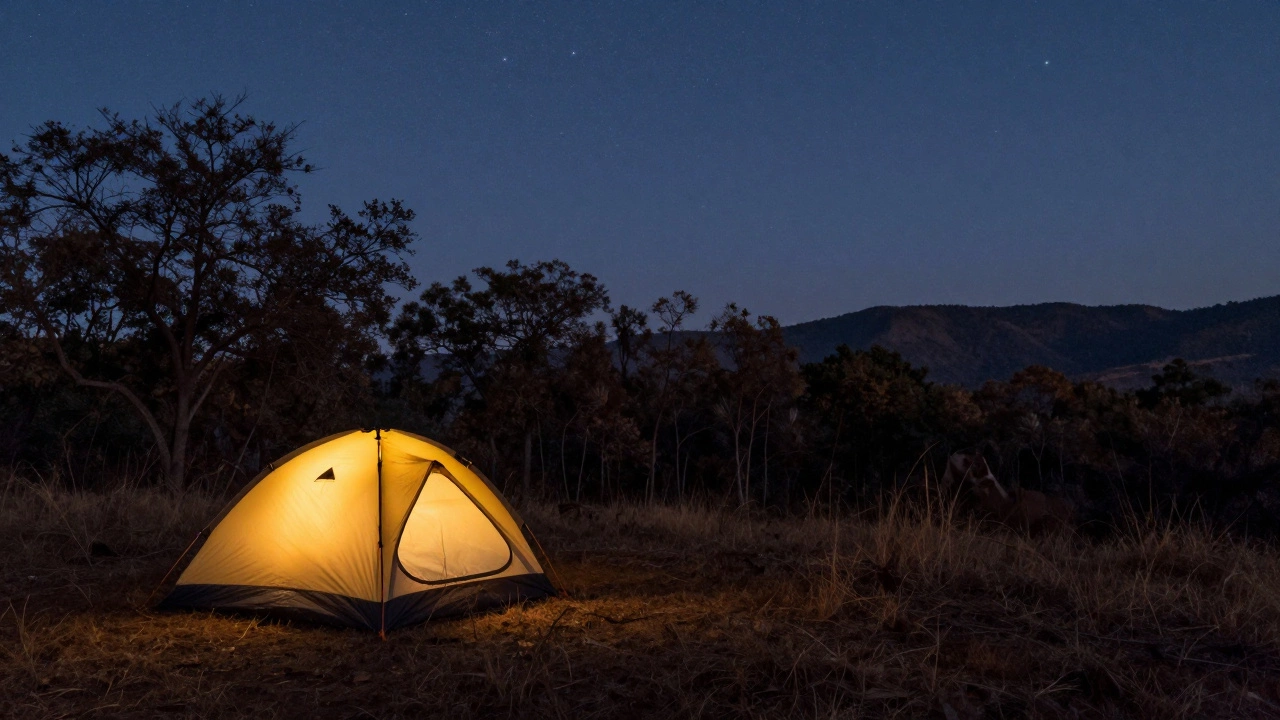
- Camping under the Stars: The outskirts of Nagpur, especially near the Satpura ranges, offer excellent camping sites. Imagine sleeping in a tent surrounded by silence, broken only by the sounds of nocturnal wildlife. Many local clubs organize weekend camping trips that include bonfires, stargazing, and basic survival skills training.
Getting There and Around
Nagpur's status as a hub means connectivity is excellent. Dr. Babasaheb Ambedkar International Airport handles flights from major cities across India and some international destinations. The railway station is one of the busiest in the country, making train travel easy and affordable. Once you are there, auto-rickshaws and app-based cabs cover most areas efficiently.
For adventure spots, hiring a private car or joining a tour group is recommended. Roads to places like Pachmarhi and Kalsubai are generally well-maintained, but rural stretches can be narrow. Driving yourself is possible if you are experienced, but letting a local driver handle the twists and turns allows you to focus on the scenery and plan your next move.
| Activity | Location | Difficulty Level | Best Time |
|---|---|---|---|
| White Water Rafting | Pachmarhi (Wainganga) | Moderate | October - March |
| Tiger Trekking/Safari | Melghat Tiger Reserve | Moderate | November - June |
| Hiking/Bungee | Kalsubai Peak | Hard | Post-Monsoon (Sept - Feb) |
| Camping | Satpura Ranges Outskirts | Easy | Year-round (avoid monsoon) |
Food Fuel for Adventurers
You cannot do adventure sports on an empty stomach. Nagpur's food scene is robust and hearty. Start your day with vada pav, Mumbai's street food staple that tastes equally amazing here. For lunch, try tambda rassa, a spicy red curry made with goat meat or chicken. It is fiery, flavorful, and gives you the energy needed for afternoon treks.
Dinner often revolves around poha (flattened rice) for breakfast leftovers or heavy thalis featuring local Maharashtrian dishes. Don't forget to sample the local oranges. They are sweet, juicy, and packed with Vitamin C, which is great for recovery after physical exertion. Street food stalls near Dharampeth and Sadar markets are safe bets for quick, delicious bites.
When to Visit the Heart of India
Timing matters for both comfort and safety. The best time to visit Nagpur for adventure sports is between October and March. The weather is cool and dry, perfect for hiking, rafting, and camping. Summers (April-June) can be scorching, with temperatures exceeding 40°C (104°F). Monsoons (July-September) bring lush greenery but also make trails slippery and rivers dangerous for rafting. Plan accordingly to avoid being stuck indoors or risking injury.
Responsible Adventure Tourism
As more people flock to Nagpur for its adventure offerings, responsible tourism becomes critical. Respect wildlife sanctuaries. Do not litter in forests or along riverbanks. Hire local guides who know the terrain and support the community economy. When visiting Melghat or other reserves, follow all rules strictly. Tigers and leopards are wild animals, not photo props. Your safety and their habitat depend on mutual respect.
Is Nagpur safe for solo female travelers?
Yes, Nagpur is generally considered safe for solo female travelers. Like any major city, basic precautions apply: avoid isolated areas at night, use registered transport, and keep valuables secure. The local community is welcoming, and many women travel alone for work and leisure without issues.
What is the best way to reach Pachmarhi from Nagpur?
The most convenient way is by road, taking approximately 3-4 hours via NH44. Buses and private taxis are available frequently. Train options exist but require transfers, making road travel faster and more flexible for adventure groups carrying gear.
Can I see tigers in Melghat Tiger Reserve?
Sightings are possible but not guaranteed. Melghat has a healthy tiger population, but they are elusive. Early morning and late afternoon safaris offer the best chances. Hiring an experienced naturalist guide increases your odds significantly as they know tiger territories and signs.
Are adventure sports equipment rentals available in Nagpur?
Yes, several local shops and adventure tour operators rent out gear such as helmets, life jackets, trekking poles, and tents. However, for specialized equipment like bungee cords or technical climbing ropes, it is safer to use services provided by certified operators who maintain their own high-quality gear.
What should I pack for a trip to Nagpur?
Pack lightweight cotton clothes for summer, warm layers for winter nights, sturdy hiking boots, sunscreen, insect repellent, and a first-aid kit. If you plan to trek or camp, bring rain gear even in dry seasons as weather can change quickly in hilly areas.

About Author