Explore the 42 UNESCO World Heritage Sites in India
India Heritage Site Explorer
Explore the diversity of India's 42 UNESCO sites. Filter by category to find the perfect match for your travel interests.
Site Name
Description goes here...
Quick Guide to India's Heritage
- Cultural Sites: The bulk of the list, featuring ancient temples, forts, and colonial cities.
- Natural Sites: Biodiversity hotspots like the Western Ghats and Sundarbans.
- Mixed Sites: Areas that are both culturally significant and ecologically diverse, like Khangchendzonga.
The Crown Jewels: Most Famous Cultural Sites
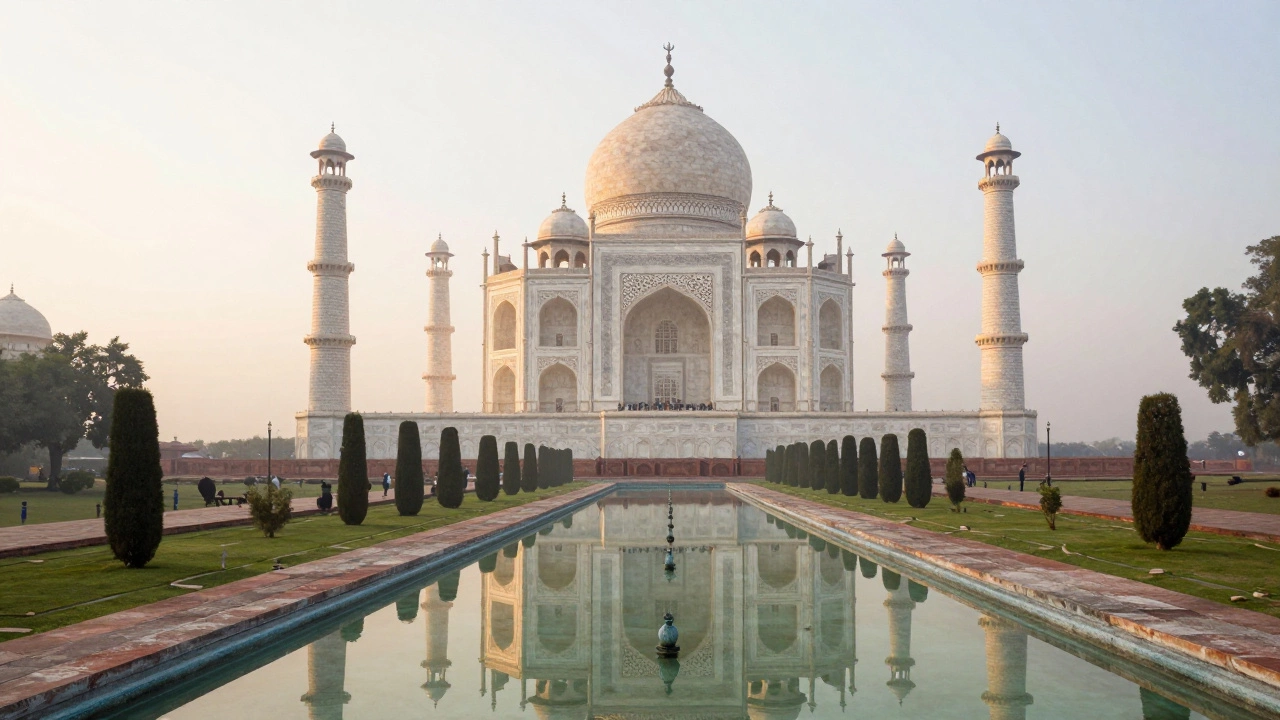
When people think of Indian heritage, they usually picture the big ones first. These sites define the visual identity of the country. The Taj Mahal is a white marble mausoleum in Agra built by Emperor Shah Jahan in the 17th century. It's the gold standard for Mughal architecture, known for its perfect symmetry and inlaid precious stones. But if you head further north, you'll find the Red Fort is a historic fortification in Old Delhi that served as the main residence of Mughal emperors. Its massive red sandstone walls tell a story of power and transition.
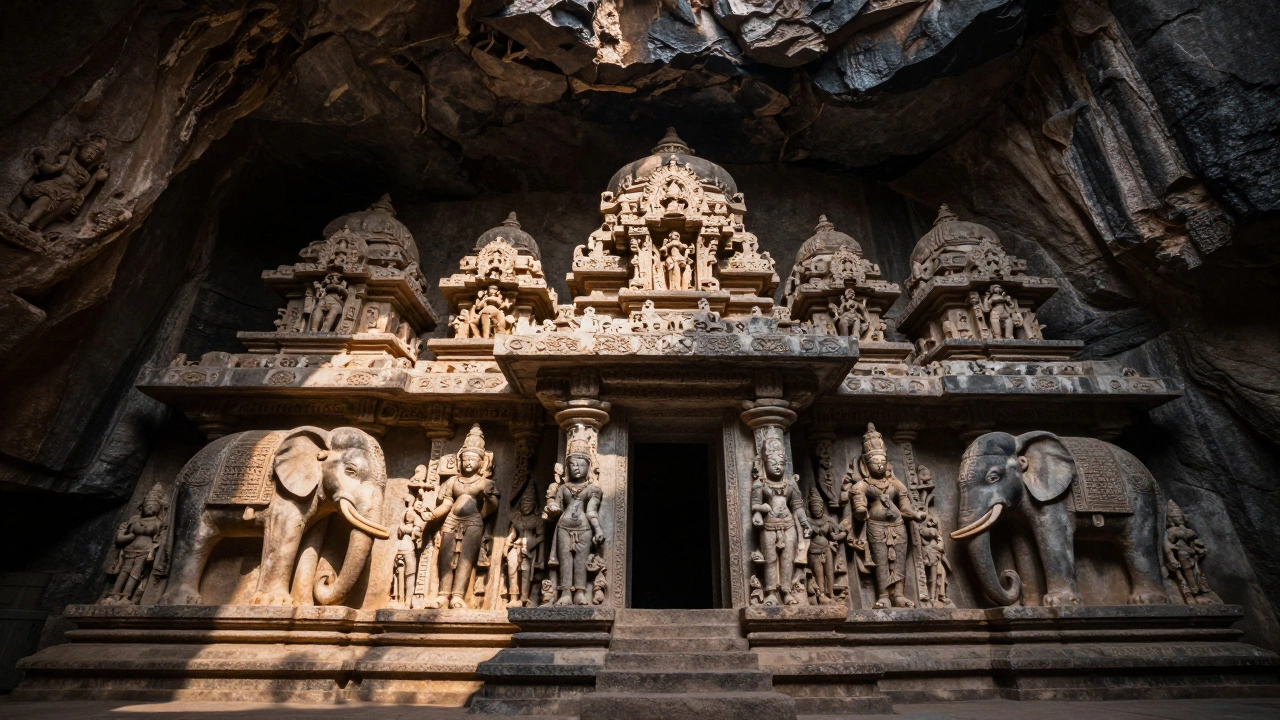
Moving toward the heart of the country, the Ajanta Caves and Ellora Caves are ancient rock-cut monasteries and temples in Maharashtra featuring Buddhist, Hindu, and Jain art. Ellora is particularly mind-blowing because of the Kailasa Temple, which was carved from the top down out of a single basalt cliff. Imagine the precision required to do that without a single mistake, as one wrong chip of stone would have ruined the entire structure.
The Spiritual Heart: Temple Complexes and Sacred Cities
India's spiritual architecture is often about scale and intricacy. In the south, the Group of Monuments at Hampi is the remnants of the Vijayanagara Empire, featuring sprawling ruins and towering monolithic statues. Walking through Hampi feels like stepping into a wasteland of giants, where every boulder seems to have a story. It's a place where the landscape itself is as much a part of the heritage as the carvings.
Then there is the Konark Sun Temple, a 13th-century temple in Odisha designed as a colossal chariot pulled by seven horses. The wheels of this temple aren't just for show; they act as sundials that can tell the time to the minute. It's a brilliant marriage of astronomy and art. Similarly, the Khajuraho Group of Monuments in Madhya Pradesh is famous for its erotic sculptures and intricate carvings of daily life, representing a peak in North Indian temple architecture.
| Type | Key Example | Main Attribute | Vibe |
|---|---|---|---|
| Mughal | Taj Mahal | Symmetry & Marble | Romantic/Imperial |
| Rock-Cut | Ellora Caves | Monolithic Carving | Mystical/Ancient |
| Dravidian | Hampi | Granite Structures | Epic/Ruined |
| Colonial | Victorian Gothic Ensemble | European Influence | Urban/Formal |
The Natural Wonders: Beyond the Architecture
Heritage isn't always about what humans built. Sometimes it's about what nature preserved. The Western Ghats is a mountain range running parallel to the western coast of India, known for its incredible biodiversity and endemic species. This region is a "hotspot," meaning it has a massive variety of plants and animals that don't exist anywhere else on Earth. If you enjoy trekking and rainforests, this is where the real magic happens.
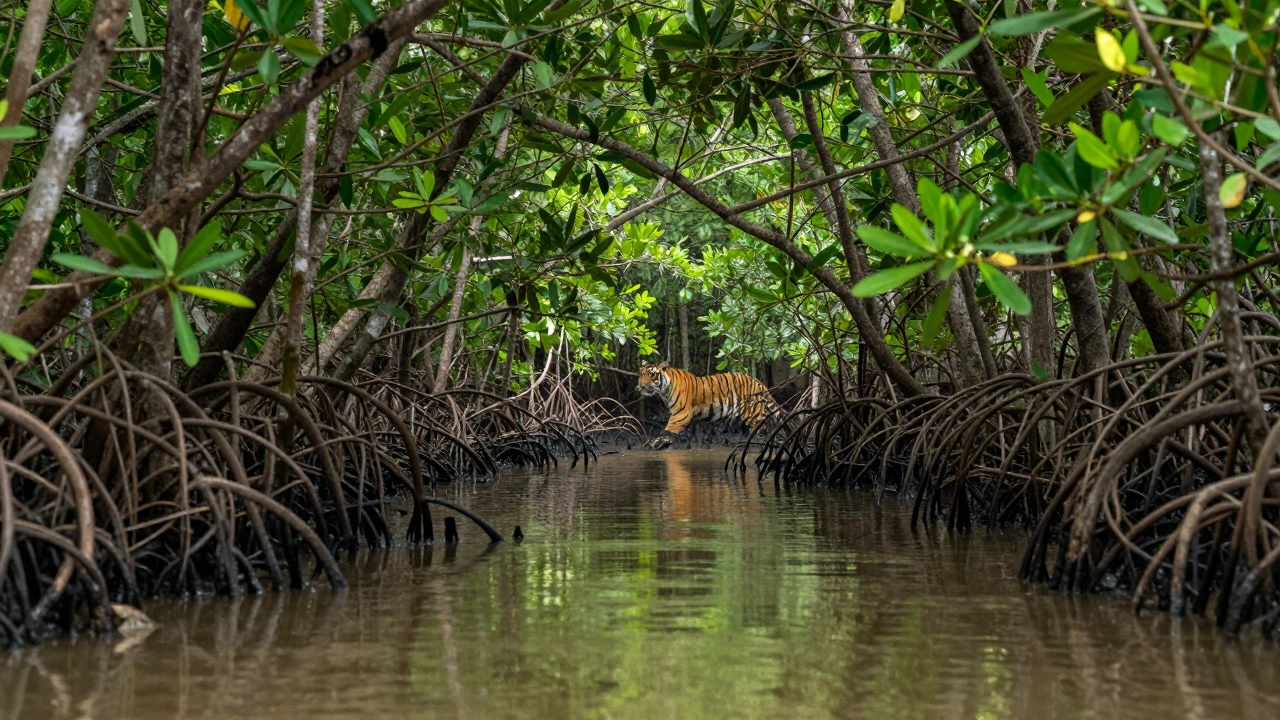
Then there's the Sundarbans, the world's largest mangrove forest, located in the delta shared by India and Bangladesh. It's a harsh, watery environment and the primary home of the Royal Bengal Tiger. Navigating these waterways is a gamble with nature, but it's the only place you can see this unique ecosystem in action. For those looking for something high-altitude, the Khangchendzonga National Park is a mixed site in Sikkim featuring the third-highest mountain in the world and sacred Buddhist landscapes.
The Hidden Gems and Recent Additions
India keeps adding to its list. The Santiniketan site is a great example of a more modern heritage. Founded by Rabindranath Tagore, it represents a shift toward a more holistic, nature-based education system. It's less about massive stones and more about a philosophy of living. Similarly, the Chandigarh Capitol Complex reflects the vision of Le Corbusier, showing how 20th-century urban planning shaped a new Indian city.
Don't overlook the Great Living Chola Temples in Tamil Nadu. These aren't just ruins; they are active places of worship. The Brihadisvara Temple's tower is so heavy that the architects had to design a unique interlocking system to keep it stable without mortar. It's an engineering marvel that has stood for over a thousand years.
Planning Your Heritage Circuit
Trying to see all 42 sites in one go is a recipe for burnout. Instead, break your trip into regional clusters. If you're starting in the North, focus on the Golden Triangle (Delhi, Agra, Jaipur) to hit the Red Fort and Taj Mahal. If you want the deep south, base yourself in Karnataka and Tamil Nadu to cover Hampi and the Chola temples.
One big pitfall for travelers is timing. Visiting the Humayun's Tomb or the Qutub Minar in the peak of June is brutal because of the heat. The best time to visit most of these sites is between November and February when the weather is mild. Also, keep in mind that some sites, like the Ajanta Caves, are closed on specific days of the week. Always check the local schedule before driving hours into the countryside.
How many UNESCO sites are there in India?
As of 2026, India has 42 UNESCO World Heritage Sites. These include a mix of cultural landmarks, natural reserves, and mixed sites that embody both cultural and natural significance.
Which is the oldest heritage site in India?
While many sites have ancient roots, the rock-cut caves like Ajanta and Ellora are among the oldest preserved architectural wonders, with some parts dating back to the 2nd century BCE.
Are there any natural UNESCO sites in India?
Yes, India has several. Key examples include the Western Ghats, the Sundarbans mangroves, the Nanda Devi National Park, and the Keoladeo National Park.
Do I need a special permit to visit these sites?
For most cultural sites, you just need a standard entry ticket. However, natural sites like the Sundarbans or certain areas of the Western Ghats may require forest department permits or guided tours for safety and conservation.
Which Indian heritage site is best for photography?
The Taj Mahal is the most iconic, but for unique textures and lighting, the Hampi ruins and the step-wells of Rajasthan provide incredible architectural contrasts and landscapes.
What to do next
If you've just scratched the surface, your next step should be deciding between a "Cultural Circuit" or a "Nature Trail." If you love history, look into the ruins of Nalanda in Bihar. If you prefer the outdoors, head toward the Kaziranga National Park in Assam. No matter which path you choose, remember to hire local guides; the official signs tell you the dates, but the guides tell you the legends.

About Author