Best Trekking Trails in India for 2025
India Trek Selector
Find Your Perfect Trek
Select your preferences to get personalized recommendations based on the latest 2025 conditions and local insights.
Your Recommended Trek
Pro Tip
If you’re asking which trek is best in India, you’re not alone. Every year, tens of thousands of people-from solo hikers to groups of friends-choose India for its wild mountains, ancient trails, and skies so clear you can see the stars before midnight. But there’s no single answer. The best trek depends on what you want: solitude, challenge, views, culture, or all of it. Here’s what actually works in 2025, based on real conditions, recent trail reports, and what locals are saying.
The Himalayas Still Rule
When people think of trekking in India, they think Himalayas. And for good reason. The range stretches over 2,500 kilometers and offers trails for every level. But not all Himalayan treks are created equal.
Hampta Pass is one of the most balanced options. It’s a 5-day trek in Himachal Pradesh that takes you from green valleys to high-altitude desert. You start in the Kullu Valley, where apple orchards line the trail, and end up in the cold, rocky Spiti region. The altitude peaks at 4,270 meters, but the gradual climb makes it doable for first-timers with decent fitness. You’ll pass waterfalls, cross a glacial river on a suspension bridge, and sleep under stars so bright they feel close enough to touch. In 2024, the permit system was streamlined-no more waiting weeks. You can book online through the Himachal Tourism portal.
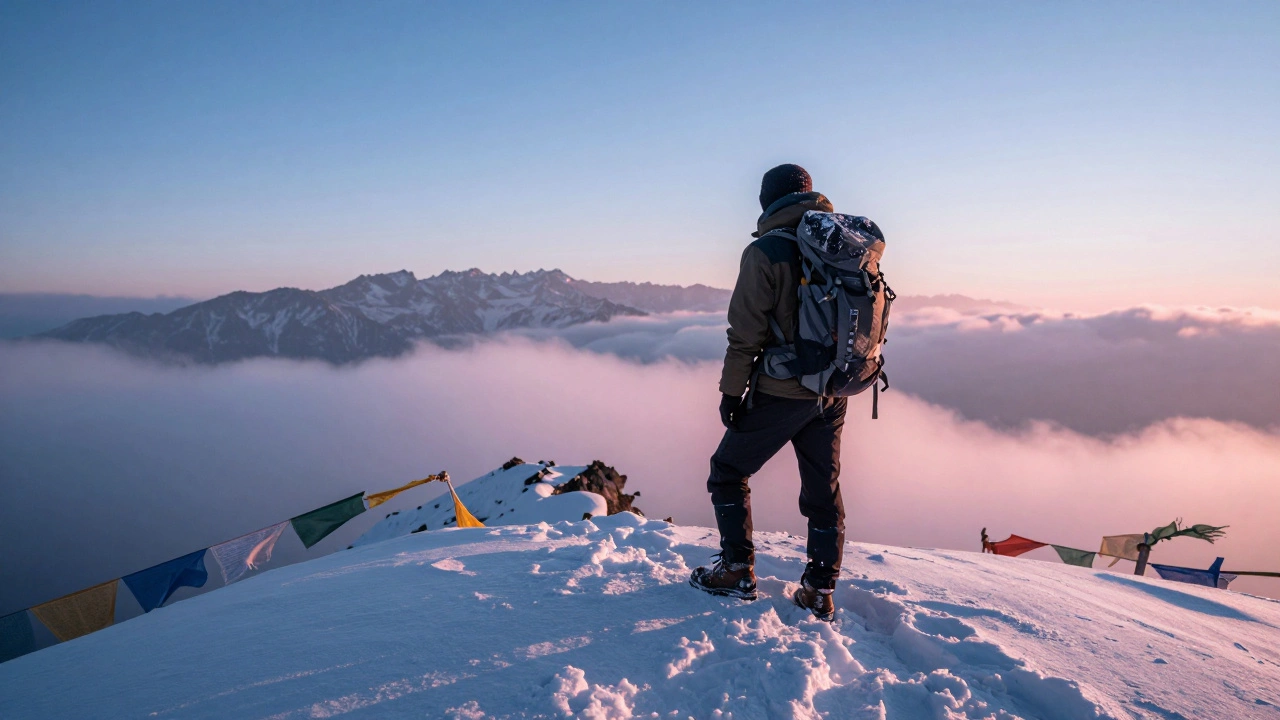
For those wanting more drama, Kedarkantha in Uttarakhand delivers. It’s a 4-day loop that ends at a snow-capped peak at 3,810 meters. The summit sunrise is legendary-pink light hitting snowfields while clouds roll below. It’s popular, so expect crowds in December and January, but that also means well-maintained trails and reliable guides. Many trekking companies now offer heated dome tents, which makes winter treks surprisingly comfortable.
India’s Hidden Gem: The Western Ghats
Most international trekkers overlook the Western Ghats, but locals know better. The range runs along India’s west coast and is a UNESCO World Heritage site. The trails here are lush, humid, and teeming with wildlife. It’s not about high altitude-it’s about immersion.
Kudremukh Trek in Karnataka is a standout. A 2-day loop that takes you through evergreen forests, past waterfalls, and up to a horse-shoe shaped peak at 1,894 meters. The name means "horse face"-and the summit does look like one. You’ll see rare birds like the Malabar trogon, and if you’re lucky, a wild elephant crossing the trail at dawn. The monsoon season (June-September) turns this into a jungle adventure, but the dry months (October-May) are ideal. The trail is managed by the Karnataka Forest Department, and permits are free if booked online.
Another quiet favorite is Anamudi Peak in Kerala. At 2,695 meters, it’s the highest point in South India. The trek takes 3 days and passes through shola grasslands and dense forests. You’ll walk past tea estates and tribal villages. The locals here still use traditional methods to guide trekkers-no flashy gear, just knowledge passed down for generations. It’s not crowded. You might have the trail to yourself for hours.
The Roof of the World: Ladakh
If you want to feel like you’ve stepped onto another planet, head to Ladakh. The landscape here is barren, stark, and surreal. The air is thin, the sun burns, and the silence is deafening.
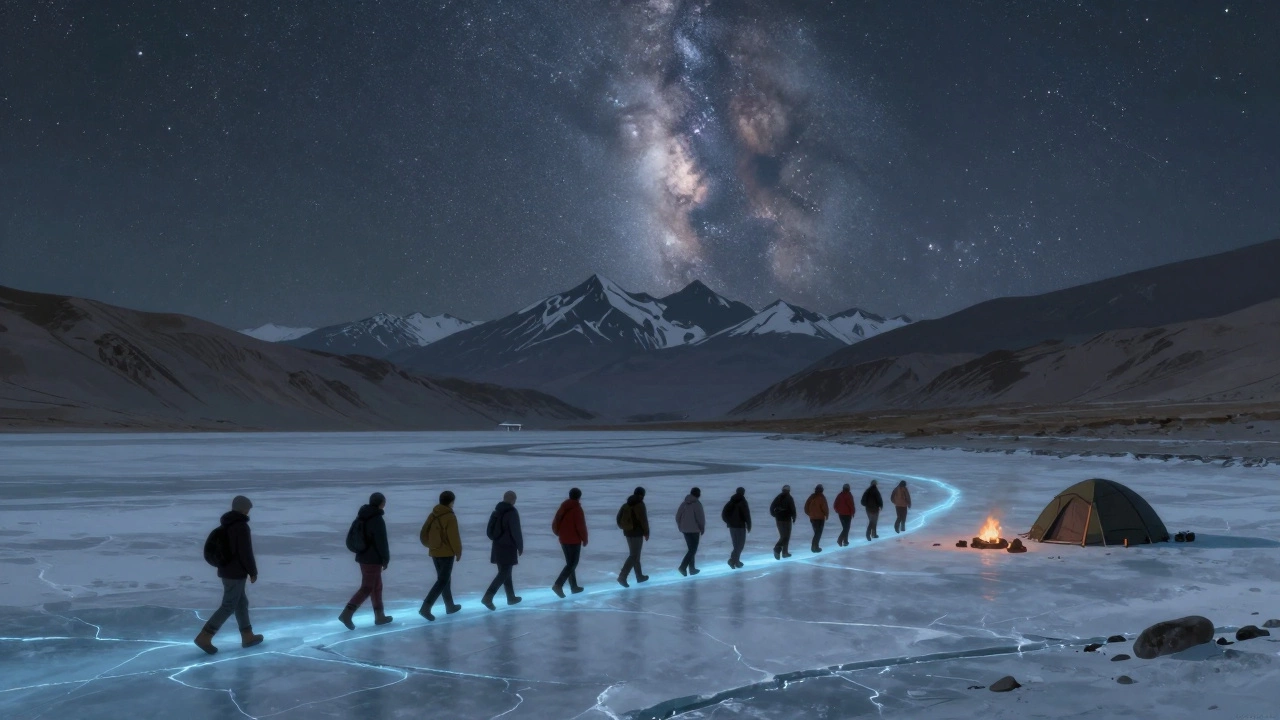
Chadar Trek is the most extreme-and most talked-about-trek in India. It’s a winter-only route where you walk on the frozen Zanskar River. Temperatures drop to -30°C. You wear thermal layers, insulated boots, and sleep in tents with yak dung heaters. The trek takes 7-10 days, depending on ice conditions. It’s not for everyone. But if you’ve done a few treks before and want something that pushes your limits, this is it. In 2024, only 120 permits were issued. The local government now limits numbers to protect the environment. Book through registered Ladakhi operators-they know the ice safety zones.
For a less brutal but still epic option, try Markha Valley. It’s a 6-day trek through villages with stone houses and prayer flags fluttering in the wind. You cross three high passes, including the Kongmaru La at 5,200 meters. The views of the Himalayas here are unobstructed-no trees, no buildings, just endless peaks. Most trekkers do it in May or September when the weather is stable. You’ll stay in homestays, eat dal and tsampa, and be invited to tea by monks. It’s not just a hike-it’s a cultural journey.
North East India: The Untouched Trails
While everyone crowds the Himalayas, the North East remains quiet. Arunachal Pradesh, Nagaland, and Sikkim have trails that feel untouched by time.
Nanda Devi East Base Camp in Uttarakhand is technically in the Garhwal Himalayas, but it’s often grouped with the lesser-known trails. It’s a 7-day trek that takes you past glacial lakes, through rhododendron forests, and up to a base camp at 4,200 meters. The views of Nanda Devi, India’s second-highest peak, are jaw-dropping. The area is protected, so you need a special permit. Only 50 permits are issued per season. You’ll need to hire a local guide-no solo treks allowed. The reward? You’ll likely be the only group on the trail.
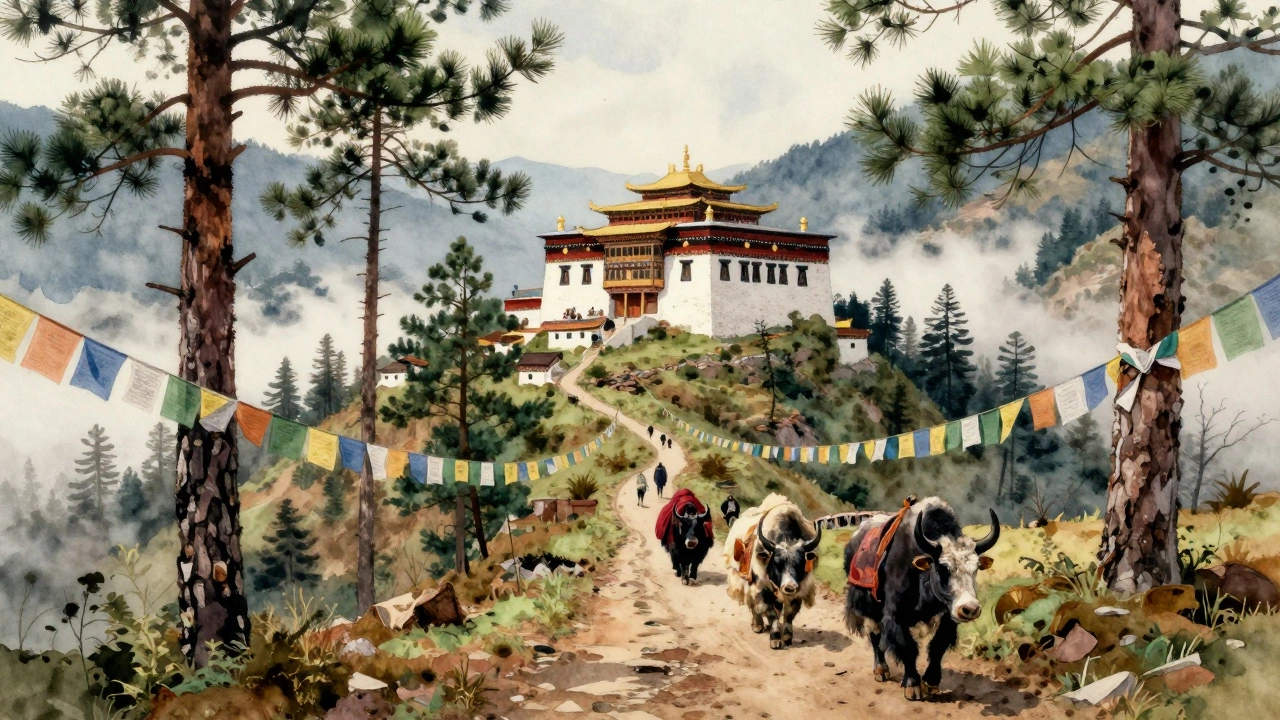
Farther east, Tawang Trek in Arunachal Pradesh is a 5-day loop that ends at the Tawang Monastery, one of the largest Buddhist monasteries in India. The trail winds through pine forests, past yak herders, and along river gorges. The altitude is moderate, but the remoteness is real. Mobile networks disappear after the first day. This is where you unplug completely. In 2025, the state government opened a new guesthouse network-basic, clean, and run by locals. It’s the most authentic experience you’ll find in Indian trekking.
What Makes a Trek "Best"?
There’s no universal "best" trek. The right one for you depends on three things: your fitness, your time, and your tolerance for discomfort.
- If you’re new to trekking and have 4-5 days: Go for Kedarkantha or Hampta Pass.
- If you want solitude and nature: Choose Kudremukh or Anamudi.
- If you’re ready for extreme cold and challenge: Chadar Trek is unmatched.
- If you want culture mixed with mountains: Markha Valley or Tawang.
- If you’re looking for something off the map: Nanda Devi East Base Camp.
Also, timing matters. Winter treks (December-February) are colder but clearer. Summer (June-August) brings monsoons to the south but is ideal for Ladakh. Spring (March-May) and autumn (September-November) are the sweet spots for most trails.
What to Pack That Actually Matters
Forget the Instagram gear lists. Here’s what works:
- Two pairs of moisture-wicking socks. Blisters ruin trips.
- A 3-season sleeping bag rated to -5°C. Even "warm" nights in the Himalayas drop below freezing.
- A lightweight rain cover for your backpack. Monsoons don’t care about your plans.
- Electrolyte tablets. At altitude, you lose salts fast. Drink them, don’t just sip water.
- A headlamp with extra batteries. Power cuts are normal. You’ll need light after dark.
Leave the expensive camera at home unless you’re a pro. A phone with a good camera and a portable charger is enough. The real memory isn’t the photo-it’s the silence at sunrise on a mountain pass.
Final Tip: Go Local
Book through local guides, not big tour operators. In Kedarkantha, a guide from Uttarkashi charges half what a Delhi company does-and knows the trail better. In Ladakh, hire someone from Leh, not Mumbai. They’ll tell you where the snow is safe, where the tea is hot, and where to find the best view no one posts online.
The best trek in India isn’t the one with the most likes. It’s the one that leaves you quiet, tired, and smiling-not because you conquered a mountain, but because you finally listened to it.
What is the easiest trek in India for beginners?
Kedarkantha in Uttarakhand is the easiest high-altitude trek for beginners. It’s only 4 days long, reaches 3,810 meters, and has well-marked trails. Most people with regular fitness can complete it. Hampta Pass is also beginner-friendly but slightly longer. Both have reliable guides and basic camping setups.
Which trek has the best views in India?
Markha Valley in Ladakh offers the most dramatic views. You see endless snow peaks, deep valleys, and monasteries clinging to cliffs. Kedarkantha’s sunrise from the summit is equally stunning, especially in winter when the sky turns pink. For a different kind of beauty, Kudremukh’s forested peaks in Karnataka give you a lush, green panorama you won’t find in the Himalayas.
Is it safe to trek in India alone?
Solo trekking is allowed on some trails like Kedarkantha and Hampta Pass, but not on others like Nanda Devi East Base Camp or Chadar Trek, where permits require a guide. Even on permitted trails, going solo is risky. Altitude sickness can strike fast, and weather changes without warning. Most experienced trekkers hire a local guide-even if just for one day. It’s cheaper than you think and adds safety.
When is the best time to trek in India?
For Himalayan treks like Kedarkantha or Markha Valley, the best months are April-May and September-October. These are the clear, dry windows between monsoon and winter. For the Western Ghats (Kudremukh, Anamudi), go from October to May. Avoid monsoon season (June-August) unless you want slippery trails and leeches. Chadar Trek is only possible in January and February.
Do I need permits for trekking in India?
Yes, for most protected areas. Hampta Pass and Kedarkantha require permits you can get online through state tourism sites. Ladakh treks like Chadar and Markha Valley need Inner Line Permits (ILP), which you can apply for through registered operators. Nanda Devi requires special forest department permission. Always check the latest rules-some areas changed rules in 2024 to reduce overcrowding.
What to Do After Your Trek
After you come down from the mountains, don’t rush back to your phone. Sit with your tea. Look at your boots-covered in dust, mud, or snow. That’s your proof you were there. Talk to your guide. Ask them where they’ll go next. Listen to their stories. That’s the real treasure-not the photos, not the badge, not the post. It’s the quiet moment after the climb, when the world feels bigger and you feel smaller-and that’s okay.
About Author