Which Is the Tallest Trek in India? The Ultimate High-Altitude Challenge
Stok Kangri Readiness Assessment Tool
This assessment evaluates your physical preparedness for Stok Kangri (6,153m), India's highest trek. Based on the article requirements:
- At least 3 months cardiovascular training
- Previous experience above 4,500m
- Medical clearance for high altitude
- Proper gear for extreme conditions
When people ask about the tallest trek in India, they’re not just looking for a long walk in the mountains. They want to know which route pushes you to the absolute limit - where the air is thin, the ground is steep, and every step feels like a battle against gravity. The answer isn’t just about elevation numbers. It’s about endurance, preparation, and the raw reality of climbing where few dare to go.
The Crown Jewel: Stok Kangri
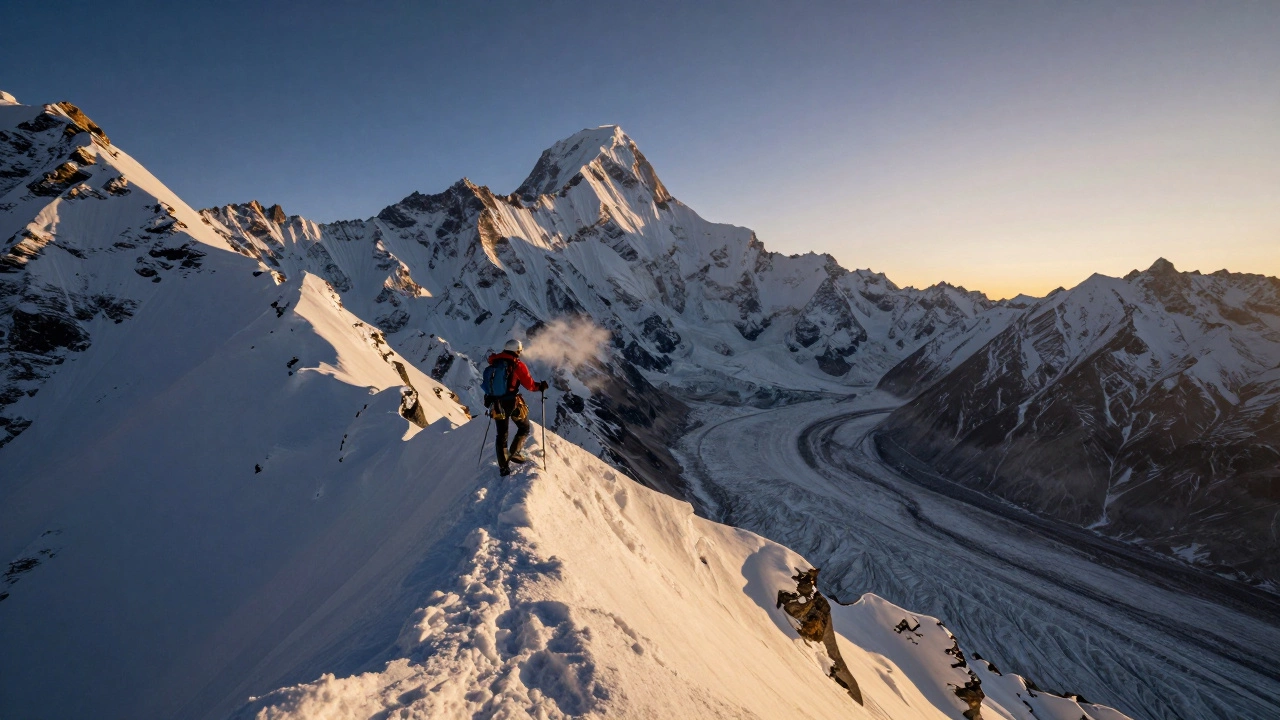
At 6,153 meters (20,187 feet), Stok Kangri is a high-altitude trek in the Ladakh region of India that combines trekking with a technical summit climb. Also known as Stok Kangri Peak, it sits on the southern edge of the Zanskar Range, just outside Leh. It’s not the longest trek, but it’s the highest summit you can reach on foot in India without needing ropes or ice axes - making it the tallest trek available to non-professional climbers.
Most trekkers start from the village of Stok, about 15 kilometers from Leh. The trail climbs steadily through rocky moraines, glacial streams, and barren high-altitude plateaus. The final push to the summit begins around midnight, when the snow is firm and the air is coldest. At this altitude, your body struggles to absorb oxygen. Even fit climbers often feel dizzy, nauseous, or overwhelmed. Many turn back just 200 meters from the top.
Stok Kangri isn’t a hike. It’s a physical test. You need at least 7-10 days to acclimatize before attempting it. Most people spend 3-4 days just getting to base camp, which sits at 5,100 meters. The summit day is 10-12 hours long. You’ll need trekking poles, insulated boots, a down jacket, and a headlamp. No guide can carry you. No shortcut exists. You climb it yourself - or you don’t.
Why It’s Not K2 Base Camp
Many assume K2 Base Camp is the answer. But K2 - the world’s second-highest mountain - lies in Pakistan-administered Kashmir. The trek to K2 Base Camp starts in Pakistan, not India. Even the Indian side of the Karakoram Range, like the Gondogoro La trek, doesn’t reach a summit higher than 6,000 meters. Stok Kangri remains the only peak in Indian territory that crosses 6,100 meters and is accessible to the public.
Some trekkers confuse Stok Kangri with Kang Yatse is a nearby 6,400-meter peak that requires technical climbing skills. Also known as Kang Yatse II, it’s not considered a trek - it’s a mountaineering expedition requiring permits, fixed ropes, and oxygen. Stok Kangri, by contrast, is open to guided groups without special permits.
What Makes a Trek ‘Tallest’?
Not all high-altitude treks are equal. Some go higher but don’t end at a summit. Others are longer but stay below 5,000 meters. The tallest trek must meet three criteria:
- Summit elevation - You must reach the highest point on foot.
- Accessibility - It must be open to independent trekkers, not restricted to military or research teams.
- Non-technical summit - No ropes, harnesses, or ice tools should be mandatory (though they’re recommended).
Stok Kangri fits all three. Other contenders fall short:
- Baralacha La - At 4,890 meters, it’s high but not a summit.
- Chandratal to Kunzum Pass - Peaks at 4,590 meters.
- Roopkund - The lake sits at 5,029 meters, but the trail doesn’t climb higher.
There’s no other trek in India that climbs higher than Stok Kangri and allows you to stand on top without technical gear.
Who Should Attempt It?
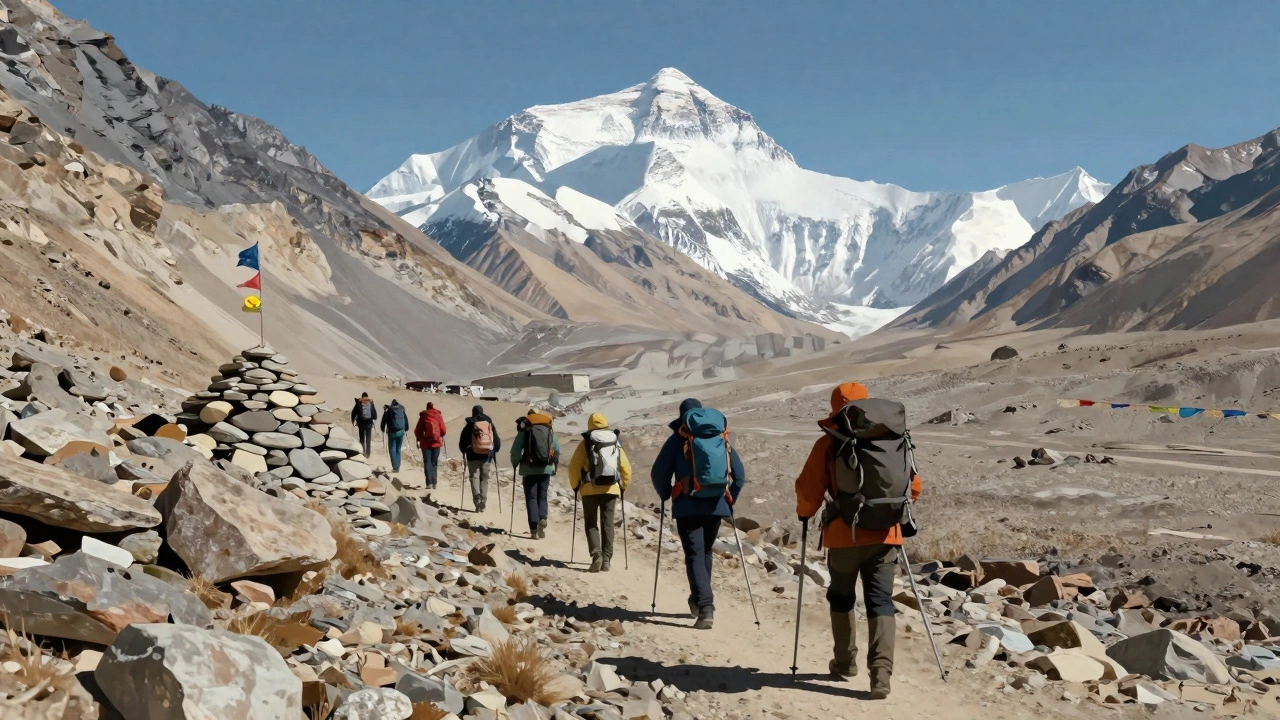
This isn’t for beginners. Even experienced hikers underestimate it. You need:
- At least 3 months of cardiovascular training - hiking with a 10kg pack, stair climbing, running.
- Previous experience above 4,500 meters - like the Everest Base Camp trek or the Annapurna Circuit.
- A medical check-up confirming no heart or lung conditions.
- Proper gear: thermal layers, a 4-season tent, a high-altitude sleeping bag rated to -20°C, and a reliable oxygen saturation monitor.
Between 2023 and 2025, over 320 people attempted Stok Kangri. Only 68% reached the summit. The rest turned back due to altitude sickness, fatigue, or weather. One climber died in 2024 after ignoring early signs of pulmonary edema. The mountain doesn’t care how fit you are. It only responds to preparation.
When to Go
The window is narrow: mid-June to mid-September. Outside this, snow blocks the trail. Even in summer, temperatures drop to -15°C at night. The best months are July and August, when the snowpack is stable and daylight lasts 14 hours. Monsoon rains rarely reach Ladakh, so rain gear is less critical than windproof layers.
Permits are required. You must register with the Ladakh Autonomous Hill Development Council is the official body that issues trekking permits for Stok Kangri and other high-altitude routes in the region. Also known as LAHDC, it requires proof of fitness, a medical certificate, and a guide from an approved agency.
The Real Reward
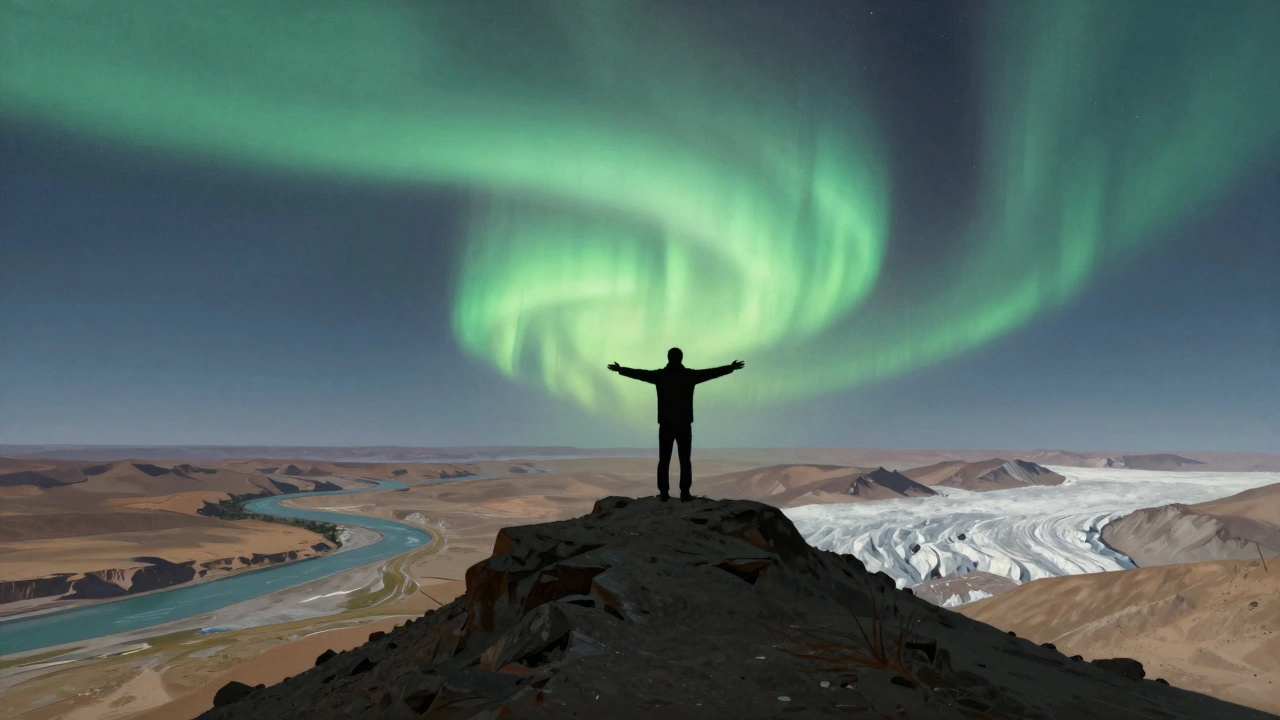
Standing on the summit of Stok Kangri isn’t just about bragging rights. It’s about seeing a world few ever witness. From the top, you look down on glaciers that haven’t changed in centuries. You see the Zanskar Range stretching into Tibet, the Indus River snaking below, and the distant snow-capped peaks of the Himalayas. The silence is absolute. The air is so thin you feel like you’re floating.
It’s not a vacation. It’s a transformation. People who complete it say they never see mountains the same way again. Some come back. Others never climb again - not because they’re tired, but because nothing else feels as real.
Final Thoughts
If you’re asking which is the tallest trek in India, you’re already thinking about the right question. But don’t just chase elevation. Respect the mountain. Train harder than you think you need to. Bring more layers than you think you’ll need. And listen to your body - because at 6,153 meters, there’s no room for ego.
Stok Kangri isn’t the easiest, the prettiest, or the most popular. But it’s the tallest. And in the Himalayas, that matters more than anything else.
Is Stok Kangri the highest peak in India?
No. Stok Kangri is the highest trekable summit in India, but it’s not the highest peak overall. Kanchenjunga (8,586 meters) and Nanda Devi (7,816 meters) are taller, but they require technical mountaineering permits and are closed to regular trekkers. Stok Kangri is the highest point you can reach on a guided trek without climbing gear.
Do I need a guide for Stok Kangri?
Yes. Independent trekkers are not allowed on Stok Kangri. You must book through a registered trekking agency in Leh that provides a licensed guide, porters, and permits. This rule is strictly enforced for safety reasons. Many agencies offer 8-day packages including accommodation, meals, and oxygen support.
Can I do Stok Kangri without prior high-altitude experience?
Not safely. Altitude sickness can strike even the fittest people. Most successful climbers have already done a trek above 5,000 meters, like Everest Base Camp or the Annapurna Circuit. If this is your first high-altitude trek, start with something lower - like the Valley of Flowers or the Hampta Pass - and build up over time.
What’s the best time of year to attempt Stok Kangri?
Mid-June to mid-September is the only safe window. July and August offer the most stable weather. Outside this period, heavy snow makes the trail impassable, and temperatures drop below -30°C. Even in summer, sudden storms can roll in - always check forecasts and have a backup plan.
How much does it cost to climb Stok Kangri?
A full-service trek costs between ₹35,000 and ₹60,000 INR (roughly $420-$720 USD), depending on group size and inclusions. This covers permits, guide, food, camping gear, and transport from Leh. Gear rental (oxygen, sleeping bags, boots) adds another ₹5,000-₹10,000. Don’t skip the medical check-up - it’s worth every rupee.

About Author

Popular Posts

What is a mini vacation? A guide to short breaks