When to Visit South India: The Ultimate Month-by-Month Travel Guide
South India Travel Planner
Select a month to see the best destinations, weather expectations, and recommended activities.
Best For
Avoid / Watch Out
Click a month above to start planning.
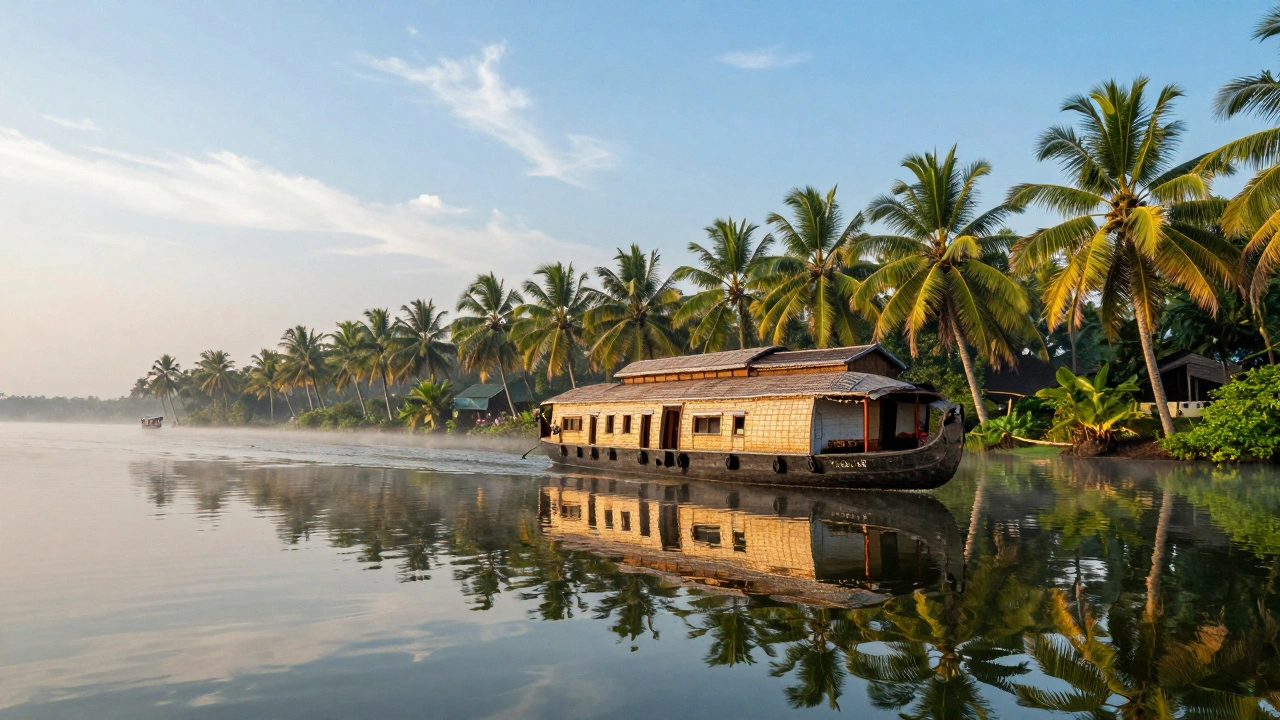
Picture this: You’re standing on the back of a slow-moving houseboat in Kerala, a state known for its lush backwaters and tropical climate. The air is thick with humidity, but the view is breathtaking. Or maybe you’re hiking up the misty trails of Munnar, where the temperature drops enough that you actually need a light jacket. Now, imagine trying to do both at the same time. It’s impossible because the weather in South India, the southern region of India comprising states like Kerala, Tamil Nadu, Karnataka, and Andhra Pradesh isn’t uniform. While the north might be freezing in January, the south is pleasant. But when it rains heavily in the west coast, the east coast might be dry.
If you’ve ever wondered, "When should I go to southern India?" the answer isn’t a single month. It depends entirely on what you want to do. Are you chasing beaches, temples, or mountain cool breezes? This guide breaks down the seasons so you can pick the perfect window for your trip.
The Sweet Spot: Winter (November to February)
For most travelers, winter is the golden season. If you have flexibility in your schedule, aim for December or January. During these months, the scorching heat of the plains recedes, and the humidity drops significantly. Temperatures across Tamil Nadu, a state famous for its ancient temples and coastal cities and Karnataka, a state blending urban centers like Bangalore with historical sites stay between 20°C and 30°C (68°F - 86°F). It’s comfortable enough to walk around the massive temple complexes in Madurai or explore the streets of Chennai without melting.
This is also the peak tourist season. Why? Because everything is open. The backwaters of Kerala are calm and green, making them ideal for houseboat cruises. The hill stations like Ooty and Kodaikanal are cool and clear, offering stunning views without the fog blocking your path. However, there’s a catch: prices go up. Hotels in popular spots like Alleppey or Coorg charge premium rates during Christmas and New Year. If you plan to visit then, book at least two to three months in advance.
- Best for: Temple tours, backwater cruises, hill station visits, and general sightseeing.
- Avoid if: You hate crowds or high hotel prices.
The Green Season: Southwest Monsoon (June to September)
Many people hear "monsoon" and think "ruined vacation." But in South India, the monsoon is a different story. The southwest monsoon hits the western coast-specifically Kerala and Karnataka-from June to August. Instead of continuous, destructive storms, you get heavy showers that last for a few hours, leaving the landscape incredibly vibrant and green.
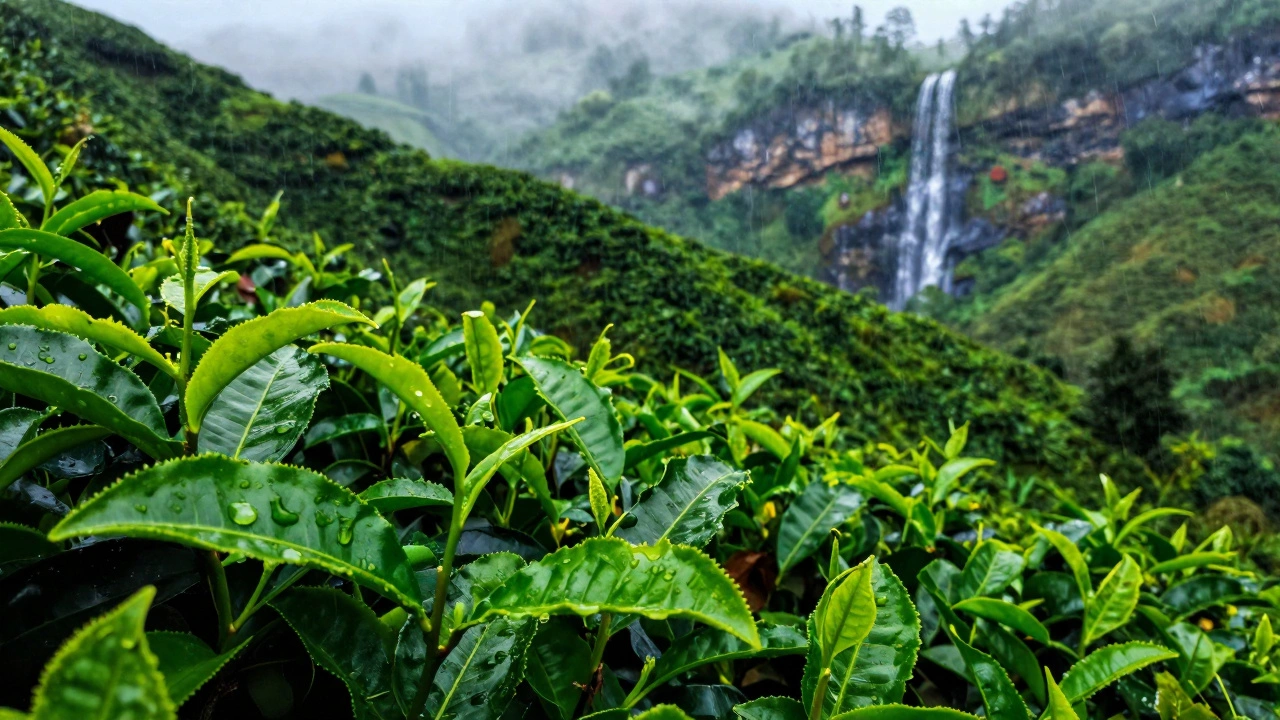
If you love nature photography or Ayurvedic treatments, this is actually the best time to go. In Kerala, the rains are considered essential for the traditional Ayurvedic therapies, which are believed to work best when the body is relaxed by the humid weather. Plus, you’ll see waterfalls like Jog Falls in Karnataka at their most powerful. The tea plantations in Munnar look like emerald carpets during this time.
However, you need to manage your expectations. Outdoor activities like trekking in Wayanad or beach hopping in Goa (which is technically central-west but often grouped in travel plans) can be risky due to slippery paths and rough seas. Houseboats may not operate in some areas if the water levels rise too high. Also, transport delays are common. Trains and buses might run late due to flooding on roads.
- Best for: Ayurveda retreats, photography, lush green landscapes, and lower hotel rates.
- Avoid if: You prefer sunny beaches or long hikes.
The East Coast Advantage: Northeast Monsoon (October to December)
Here’s a secret that many tourists miss: while the west coast gets wet in June, the east coast gets wet later. States like Andhra Pradesh, a state with a long coastline and diverse culture and Tamil Nadu receive rainfall from the northeast monsoon, typically between October and December. So, if you want to visit the beaches of Pondicherry or the historic city of Mahabalipuram, avoid November. The sea can be rough, and sudden downpours are frequent.
Conversely, if you’re planning a trip to the east coast in July or August, you’ll find dry, sunny days. This makes summer a great time to explore the Coromandel Coast. You can enjoy the beaches of Visakhapatnam or visit the Buddhist ruins of Amaravati without worrying about rain. Just be prepared for the heat. Daytime temperatures can soar above 35°C (95°F), so start your sightseeing early in the morning and take a break during the afternoon.
- Best for: East coast beaches, cultural tours in Chennai and Hyderabad.
- Avoid if: You’re sensitive to extreme heat.
Summer Heat: March to May
Summer in South India is intense. From March to May, temperatures in the plains can reach 40°C (104°F) or higher. Cities like Bengaluru and Mysore remain relatively cooler due to their elevation, but even there, afternoons can feel stifling. If you must travel during this time, stick to the hill stations. Places like Yercaud, Kollegal, and Chikmagalur offer a refreshing escape from the heat.
Another option is to focus on indoor attractions. Museums, art galleries, and air-conditioned heritage hotels provide a comfortable way to spend your days. For example, the Government Museum in Chennai or the National Gallery of Modern Art in Bengaluru are excellent ways to learn about local history without sweating through your clothes. Additionally, summer is a good time for wildlife spotting in places like Periyar Tiger Reserve in Kerala, as animals come out to drink water more frequently.
- Best for: Hill stations, wildlife safaris, and indoor cultural experiences.
- Avoid if: You dislike heat or plan extensive outdoor walking tours.
| Destination | Best Months | Weather Condition | Key Activity |
|---|---|---|---|
| Kerala Backwaters | Nov - Feb | Cool & Dry | Houseboat Cruise |
| Munnar Hills | Oct - Mar | Pleasant | Tea Garden Walks |
| Tamil Nadu Temples | Nov - Feb | Mild | Temple Tours |
| Goa/Konkan Coast | Nov - Feb | Sunny | Beach Hopping |
| Hyderabad/Bangalore | Oct - Mar | Comfortable | City Exploration |
| Andaman Islands | Oct - May | Dry/Windy | Scuba Diving |
Festival Calendar: Timing Your Trip Around Culture
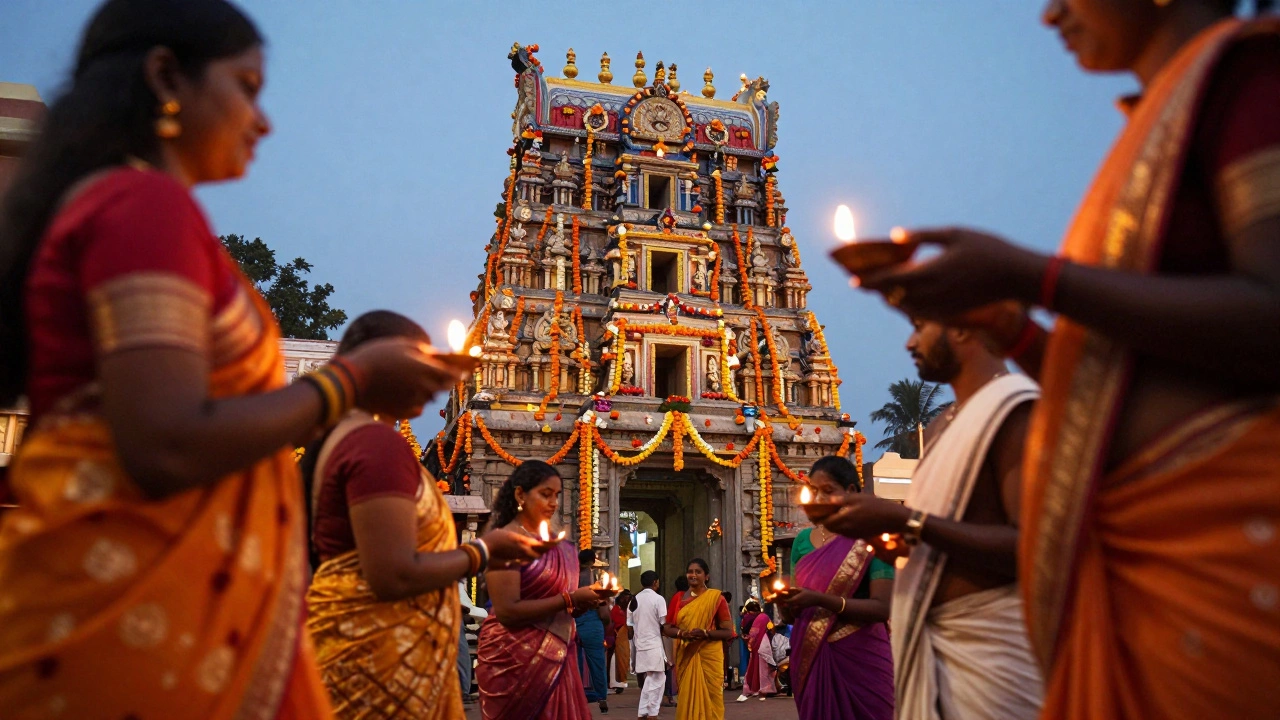
South India is vibrant year-round, but festivals add an extra layer of magic. If you want to experience local culture deeply, align your visit with major events. Pongal in Tamil Nadu (January) is a harvest festival filled with colorful decorations, cattle races, and sweet rice dishes. Onam in Kerala (August/September) celebrates the mythical King Mahabali with flower carpets, boat races, and feasts. Even though it’s monsoon season, the energy during Onam is unmatched.
Diwali is celebrated differently here. In some parts, it coincides with Deepavali, marked by oil lamps and sweets. However, note that festival dates change annually based on the lunar calendar. Check the specific dates before booking your flights. Keep in mind that during major festivals, domestic flight prices spike, and accommodation fills up quickly. Booking early is crucial.
Practical Tips for Any Season
No matter when you choose to go, keep these tips in mind. First, pack layers. Even in summer, mornings can be cool, especially in hill stations. Second, carry rain gear if traveling between June and September. A lightweight poncho is better than an umbrella in strong winds. Third, stay hydrated. The humidity can dehydrate you faster than you realize, so drink plenty of bottled water.
Transport-wise, trains are reliable but fill up fast during holidays. Use the IRCTC website to book tickets well in advance. For short distances, auto-rickshaws and app-based cabs are convenient, but always negotiate fares beforehand if using autos. Finally, respect local customs. Dress modestly when visiting temples, removing shoes before entering sacred spaces.
Is South India safe for solo female travelers?
Yes, South India is generally considered one of the safest regions in India for solo female travelers. Cities like Bengaluru and Chennai have a modern vibe, and locals are often helpful. However, standard precautions apply: avoid isolated areas at night, dress conservatively in rural areas, and use reputable transport services.
What is the best month to visit Kerala?
The best time to visit Kerala is between November and February. The weather is cool and dry, perfect for exploring backwaters, hills, and beaches. If you enjoy lush greenery and don't mind some rain, June to August offers a unique monsoon experience with lower prices.
Can I visit South India during the monsoon?
Absolutely. The monsoon transforms the landscape into a green paradise. It's ideal for Ayurvedic treatments and photography. Just be prepared for intermittent heavy rains and potential transport delays. Avoid beach activities during the southwest monsoon as the sea can be rough.
How many days do I need to explore South India?
A minimum of 7-10 days is recommended to cover key highlights like Kerala, Tamil Nadu, and Karnataka. If you want to include Andhra Pradesh or Telangana, extend your trip to 14 days. This allows enough time to travel between states without rushing.
Is it expensive to travel in South India?
South India offers options for all budgets. Hostels and budget guesthouses are affordable, while luxury resorts can be pricey. Food costs are low, especially street food and local thalis. Transportation via trains and buses is economical. Peak season (Dec-Jan) will cost more for accommodation.
About Author