
What is a mini vacation? A guide to short breaks
Mini Vacation Planner
Plan your next short escape in seconds. Select your preferences below to get a tailored itinerary suggestion and cost estimate.
Your Recommended Escape
Loading...
Description will appear here.
Quick Tips for This Trip:
Fill out the form to generate your personalized mini vacation plan.
You’re sitting at your desk, staring at a spreadsheet that seems to stretch into infinity. Your brain feels like static noise. You don’t have three weeks for Bali or two months for Europe. But you need to escape. That’s where the mini vacation comes in. It’s not just a trip; it’s a strategic reset button for your life.
Most people think of vacations as long, expensive affairs requiring months of planning and significant savings. But a mini vacation flips that script. It’s short, often spontaneous, and designed to give you maximum rest with minimum logistical headache. If you’ve ever felt guilty for taking only two days off, this guide will tell you why those two days might actually be more effective than a week-long holiday.
The Anatomy of a Short Break
A mini vacation is typically defined by its duration: usually between one and four nights. Unlike traditional holidays, it doesn’t require taking annual leave from work. Instead, it leverages weekends, public holidays, or even a single day off combined with Friday evening or Monday morning. The core philosophy here is efficiency. You aren’t trying to see every landmark in a country; you are trying to disconnect from your daily routine.
Think about the last time you went on a long trip. Remember the first two days? They were probably spent recovering from jet lag, unpacking, and adjusting to new time zones. By the time you actually relaxed, half the trip was over. With a mini vacation, there’s no adjustment period. You hit the ground running-literally. You arrive, you breathe, and you enjoy. This immediacy is what makes short breaks so potent for mental health.
Why Shorter Often Means Better
It sounds counterintuitive, but shorter trips can lead to deeper relaxation. When you have limited time, you stop worrying about "making the most" of every hour. You become present. There’s less pressure to visit ten museums if you’d rather sit in a park with a coffee. The constraint of time actually frees you from the burden of choice.
Financially, it’s also a no-brainer. Long trips drain your bank account through flights, accommodation, and dining out. A mini vacation keeps costs low because you’re likely driving or taking a short train ride. You save money on transport, which means you can splurge slightly on better food or a nicer hotel room without breaking the budget. Plus, you return home with enough cash left over to plan the next one, keeping the cycle of rest going throughout the year.
How to Plan Without Overthinking
Planning a mini vacation should take less time than planning dinner. If you spend hours researching, you’ve already failed. Here is a simple framework to keep it effortless:
- Pick a radius: Choose a destination within a 3-hour drive or train ride from home. Anything longer introduces fatigue before you even start relaxing.
- Book one thing: Secure your accommodation first. Don’t worry about activities yet. Knowing you have a bed waiting removes anxiety.
- Leave space: Do not schedule every hour. Leave gaps for naps, unexpected discoveries, or doing absolutely nothing.
- Disconnect digitally: Turn off work notifications. This is non-negotiable. If you check emails, you’re still working, just in a different location.
Notice what isn’t on this list: detailed itineraries, restaurant reservations for every meal, or packing lists longer than five items. Keep it light. The goal is ease, not achievement.
Where to Go: Finding Your Perfect Escape
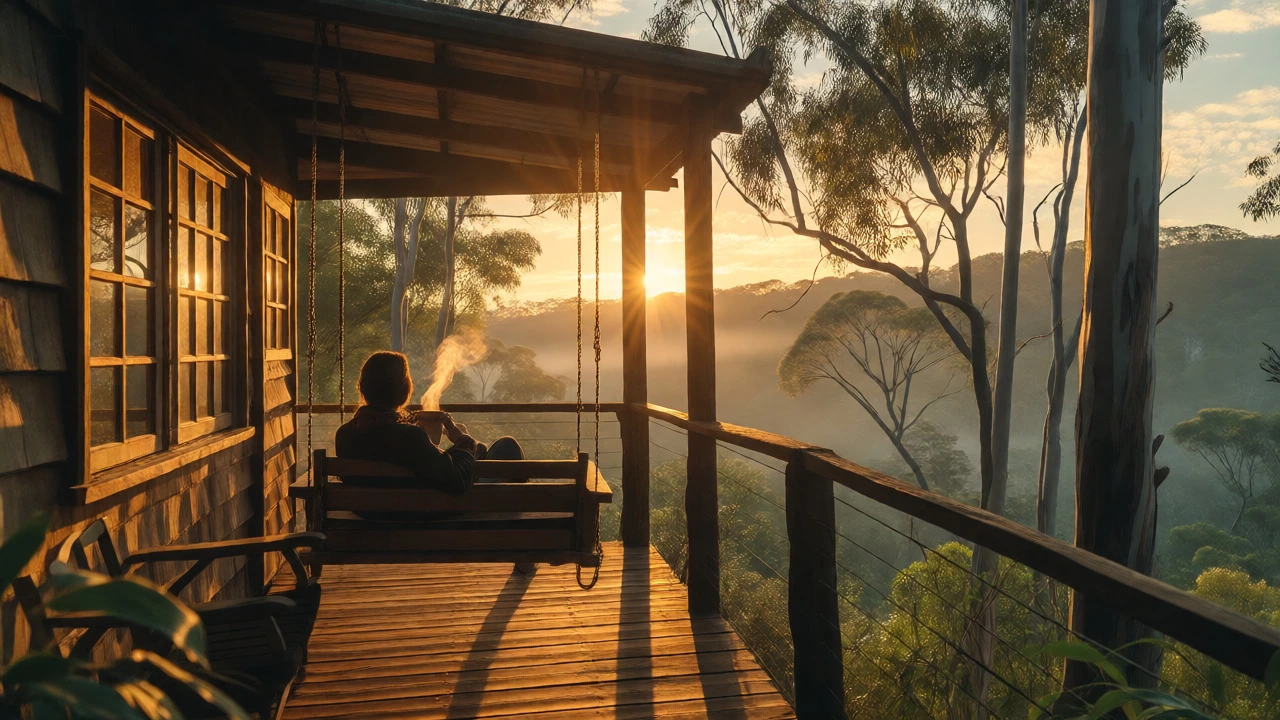
You don’t need to fly to another continent. Look around your own region. In Australia, for example, many people overlook local gems because they seem too close. Yet, a cabin in the Blue Mountains or a beach house on the Central Coast offers the same psychological shift as an international trip. The key is changing your environment, not crossing borders.
| Type | Best For | Typical Duration | Cost Factor |
|---|---|---|---|
| Cabin/Cottage | Couples seeking quiet, nature lovers | 1-2 Nights | Low-Medium |
| City Staycation | Foodies, culture seekers, solo travelers | 1 Night | Medium-High (Dining) |
| Beach House | Families, friends groups, sun seekers | 2-3 Nights | Medium |
| Rural Farmstay | Stress relief, digital detox, kids | 2 Nights | Low |
If you live in a city, consider a "staycation." Book a nice hotel in your own town. Walk streets you never visit. Eat at restaurants you usually ignore. Sometimes, being a tourist in your own backyard is surprisingly refreshing because you have zero travel time.
Making the Most of Limited Time
Once you arrive, resist the urge to rush. Many people treat mini vacations like marathons, trying to cram in too much. Stop. Pick one main activity per day. Maybe it’s hiking a specific trail or visiting a local market. Everything else is bonus.
Focus on sensory experiences. Notice the smell of rain on eucalyptus trees. Feel the sand between your toes. Taste the difference in locally sourced coffee. These small moments anchor you in the present, which is exactly what your stressed brain needs. Avoid high-stakes activities that require booking far in advance or involve complex logistics. Simplicity is your ally.
Also, manage your energy levels. If you’re exhausted, sleep. Seriously. Use the extra time in bed as part of the vacation. Waking up late without an alarm is a luxury worth paying for. Don’t feel bad about skipping breakfast to sleep until 10 AM. That’s not laziness; that’s healing.
Common Pitfalls to Avoid
The biggest mistake people make is treating a mini vacation like a regular workday. They wake up early, check phones, and try to optimize their leisure. Another trap is bringing work along "just in case." If you bring your laptop, you will use it. Leave it at home. Trust that the world won’t end if you’re unreachable for 48 hours.
Finally, don’t overspend on trying to replicate a luxury experience you can’t afford. A modest Airbnb with a great view beats a cheap hotel in a boring location every time. Prioritize atmosphere over amenities. You want to feel removed from your normal life, not impressed by marble floors.
How long is a typical mini vacation?
A mini vacation usually lasts between one and four nights. It is designed to fit within a weekend or a long weekend, allowing you to return home quickly without using significant annual leave.
Is a staycation considered a mini vacation?
Yes, absolutely. A staycation involves staying in your own city or region but engaging in tourist-like activities. It counts as a mini vacation because it provides a break from your daily routine and environment, even if you don't travel far.
Do I need to book accommodations in advance?
While last-minute deals exist, booking in advance ensures availability and better prices, especially for popular spots. However, since mini vacations are short, you can often find flexibility closer to the date compared to long-haul trips.
What should I pack for a short trip?
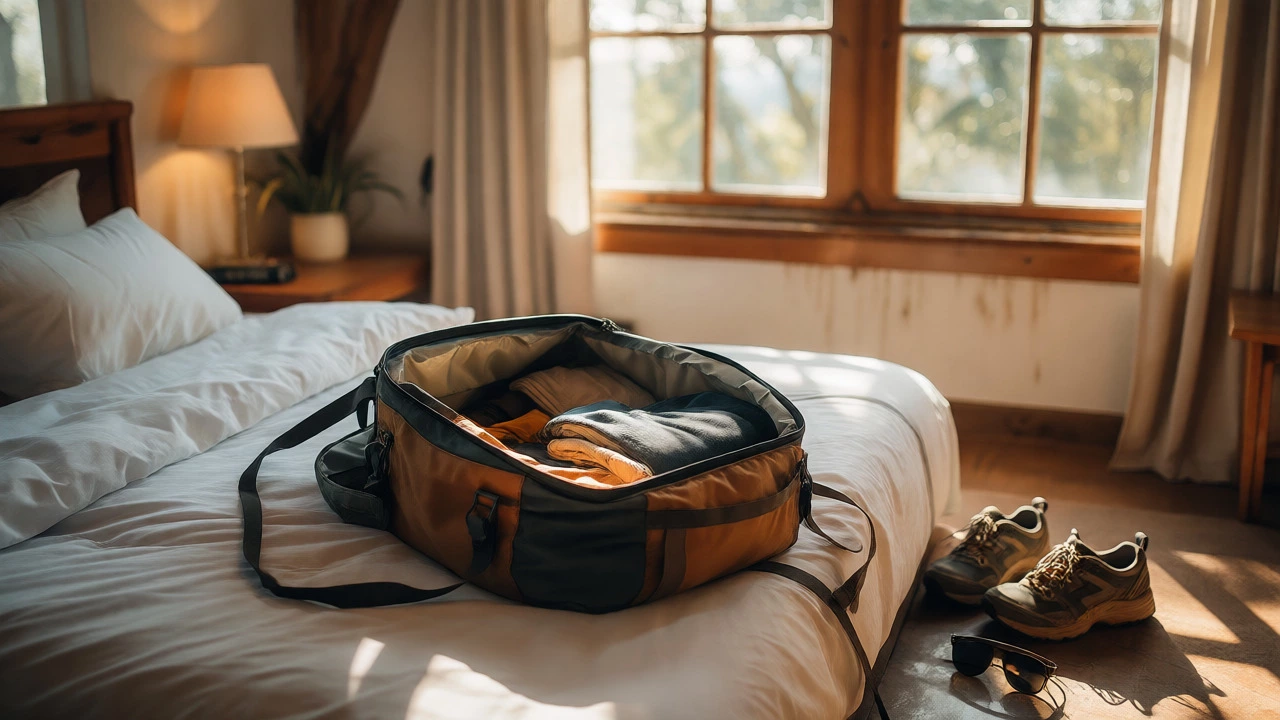
Pack lightly. Bring essentials: toiletries, comfortable clothes suitable for the weather, one outfit for dinner if needed, and any necessary medication. Skip the large suitcases; a backpack or small duffel bag is sufficient and reduces stress.
Can I take a mini vacation alone?
Yes, solo mini vacations are excellent for self-reflection and freedom. You set the pace, choose the activities, and don't need to compromise with others. It’s a great way to recharge independently.



About Author