Which is the Number One Tourist Place in South India? A Complete Guide
Find Your Number One South Indian Destination
Not sure where to start? Use this quick guide to find the perfect spot based on your travel style.
Best Time:
If you ask ten different travelers which place holds the title of number one tourist destination in South India, you will likely get ten different answers. Some will swear by the serene backwaters of Kerala, while others will point to the ancient temples of Tamil Nadu or the misty hills of Karnataka. There is no single official "winner" because South India is not a monolith; it is a diverse region comprising five distinct states, each with its own unique flavor, history, and geography.
However, if we look at visitor numbers, global recognition, and cultural impact, a few destinations consistently rise to the top. This guide breaks down the contenders for the crown, helping you decide which "number one" spot fits your travel style. Whether you are chasing spiritual depth, colonial charm, or natural beauty, the answer lies in what you value most in a trip.
The Contender for Natural Beauty: Kerala
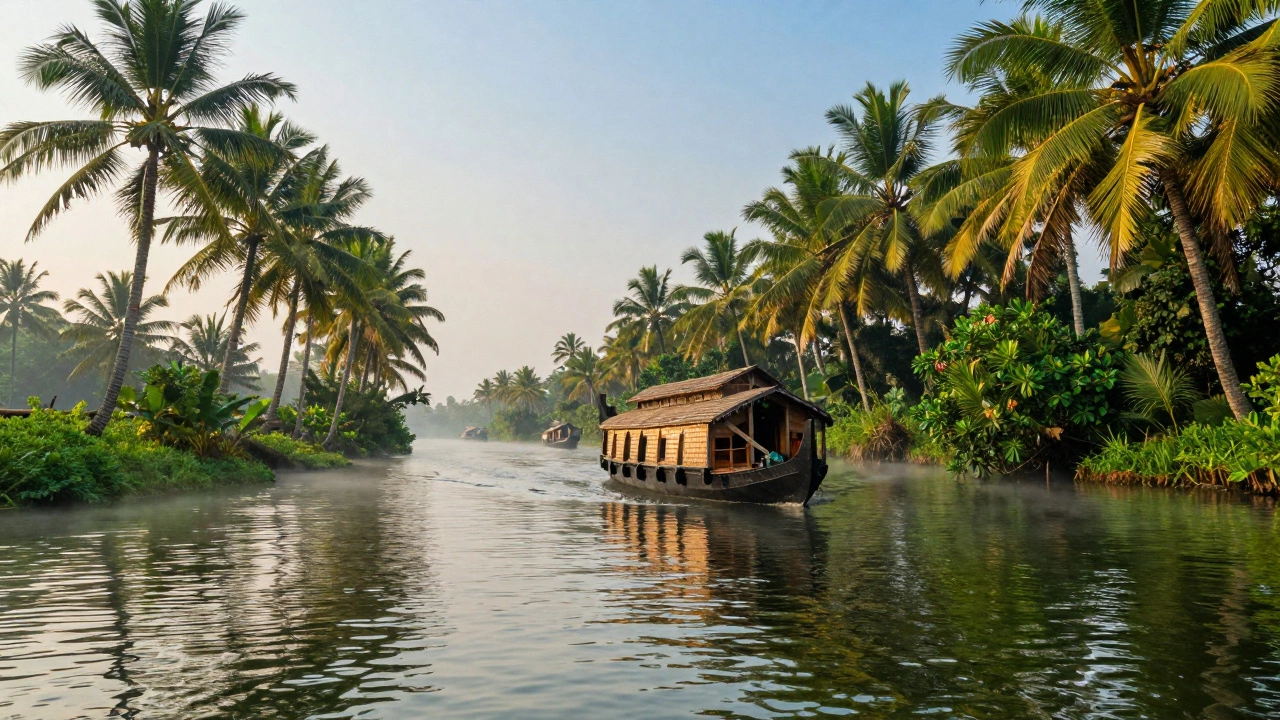
When people think of South India, the first image that often pops into their heads is the lush green landscape of Keralaa state on the southwestern coast known as 'God's Own Country'. It has earned this nickname for good reason. The state offers a sensory overload of coconut palms, emerald paddy fields, and winding waterways that feel like something out of a dream.
The backwaters are the heart of Kerala’s appeal. Houseboat cruises along the Alleppey (Alappuzha) and Kollam regions allow you to glide through narrow canals, watching daily life unfold from the banks. It is slow, peaceful, and deeply relaxing. But Kerala is more than just boats. The hill stations of Munnar, famous for their tea plantations, offer cool breezes and breathtaking views that contrast sharply with the humid coastal heat.
- Best For: Relaxation, honeymooners, nature lovers, and Ayurveda enthusiasts.
- Key Experience: Staying overnight in a traditional houseboat and visiting spice plantations.
- Peak Season: October to March when the weather is pleasant and dry.
Kerala’s consistent marketing as a wellness and eco-tourism hub keeps it at the top of many bucket lists. If your definition of the "number one" place involves escaping the chaos of city life, Kerala wins hands down.
The Cultural Powerhouse: Tamil Nadu
While Kerala sells relaxation, Tamil Naduthe southernmost state with one of the oldest continuous civilizations in the world sells history and spirituality. If you measure "number one" by architectural grandeur and religious significance, Tamil Nadu is hard to beat. The state is home to some of the largest temple complexes in the world, dating back over a thousand years.
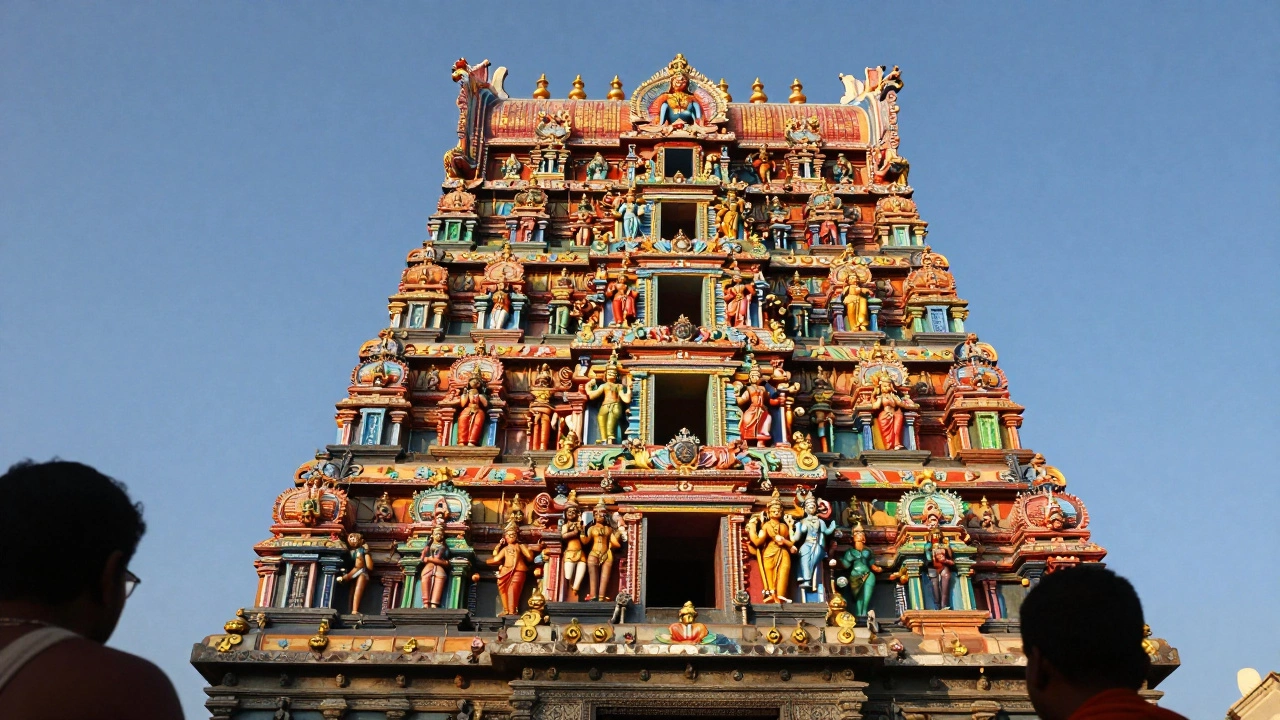
Mahabalipuram, a UNESCO World Heritage Site, showcases Dravidian architecture at its finest. The Shore Temple and the Pancha Rathas are stone-carved masterpieces that have survived centuries of saltwater erosion and earthquakes. Then there is Madurai, where the Meenakshi Amman Temple stands as a vibrant center of devotion. The sheer scale of the gopurams (gateway towers), painted in bright colors and covered in thousands of sculptures, leaves visitors awestruck.
Beyond temples, Chennai serves as the cultural capital of South India. It is the hub for classical Carnatic music and Bharatanatyam dance. During the Margazhi season (December-January), the city comes alive with concerts that draw musicians and audiences from across the globe.
- Best For: History buffs, architecture fans, and spiritual seekers.
- Key Experience: Exploring the rock-cut monuments of Mahabalipuram and attending a classical dance performance in Chennai.
- Insider Tip: Visit early morning to avoid crowds and heat at major temples.
Tamil Nadu’s rich literary tradition and linguistic pride add another layer of depth to any visit. It is not just a sightseeing trip; it is an immersion into a living culture that has preserved its roots for millennia.
The Historical Gem: Karnataka
Karnatakaa state known for its blend of historical forts, modern tech hubs, and diverse landscapes might not always grab the headline as the "number one" destination, but it offers perhaps the most varied itinerary. From the royal palaces of Mysore to the cave temples of Hampi, Karnataka bridges the gap between ancient history and modern innovation.
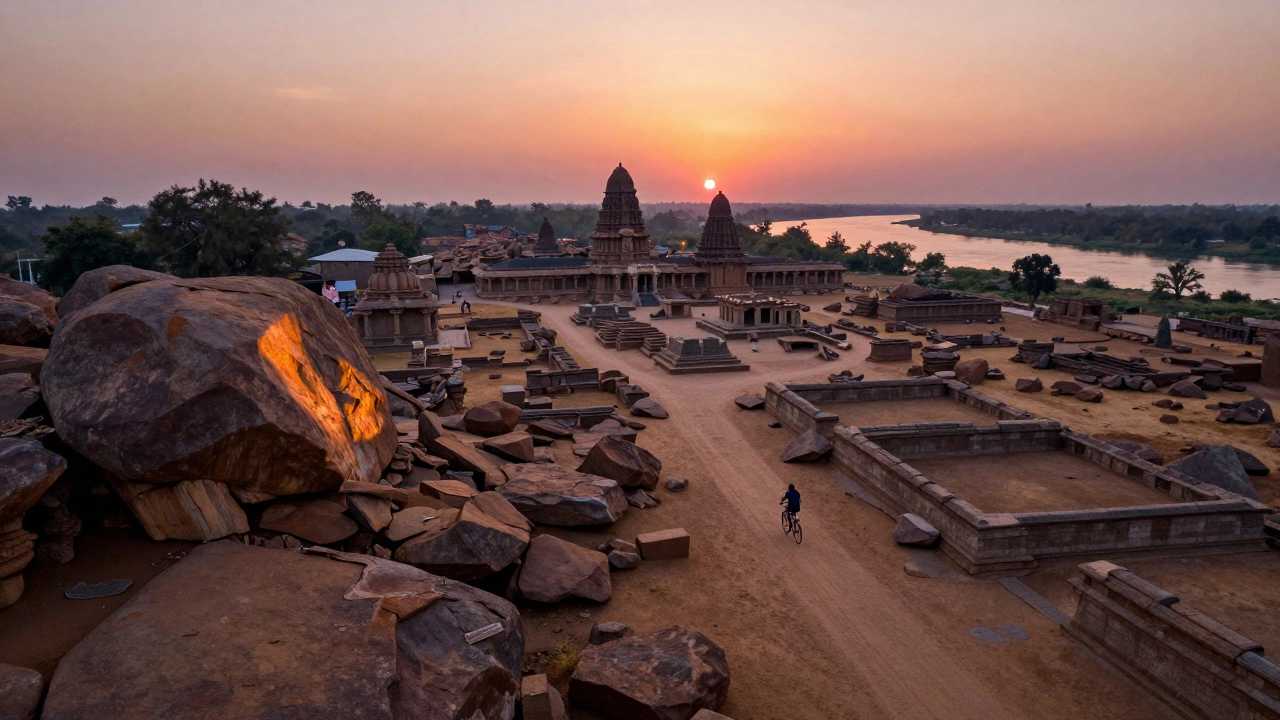
Hampi is arguably the most spectacular archaeological site in South India. Once the capital of the Vijayanagara Empire, the ruins sprawl across a boulder-strewn landscape that looks otherworldly. Riding a bicycle through the ruins, discovering hidden shrines, and watching the sunset over the Tungabhadra River is an experience unlike any other. It feels like stepping into a movie set for an epic historical drama.
On the other end of the spectrum is Mysore, known for its cleanliness and the majestic Mysore Palace. The palace, illuminated on Fridays and during festivals, glows with electric brilliance. Nearby, the Brindavan Gardens offer a symphony of light and water fountains that attract millions of visitors annually.
- Best For: Adventure travelers, history enthusiasts, and those who want variety.
- Key Experience: Cycling through the ruins of Hampi and witnessing the Dasara festival in Mysore.
- Unique Factor: Coorg and Wayanad border areas offer coffee plantation stays and trekking opportunities.
Karnataka’s ability to combine rugged terrain, royal heritage, and urban sophistication makes it a strong contender for the top spot, especially for travelers who dislike monotony.
The Coastal Charm: Goa and Andhra Pradesh
Although Goa is geographically part of Western India, it is often grouped with South Indian travel circuits due to its proximity and cultural overlaps. However, if we stick strictly to the southern peninsula, Andhra Pradesha state with extensive coastline and significant Buddhist and Hindu heritage deserves attention. Places like Tirupati, home to the Venkateswara Temple, see more footfall than almost any other religious site in the country. Millions visit annually, making it statistically the "number one" visited place in terms of raw numbers.
Yet, for leisure tourism, the beaches of Gokarna in Karnataka or the historic ports of Machilipatnam in Andhra Pradesh offer quieter alternatives to the party-centric vibe of Goa. These spots provide a glimpse into the maritime history of South India, where trade routes connected the region to Rome, Arabia, and Southeast Asia.
| Destination | Primary Appeal | Best Time to Visit | Ideal For |
|---|---|---|---|
| Kerala | Nature & Wellness | Oct - Mar | Couples, Families |
| Tamil Nadu | Temples & Culture | Nov - Feb | Solo Travelers, Historians |
| Karnataka | Heritage & Variety | Sep - May | Adventure Seekers |
| Andhra Pradesh | Religion & Coastline | Oct - Mar | Pilgrims, Foodies |
How to Choose Your Number One Spot
Deciding which place is the "best" depends entirely on your personal preferences. Here is a quick decision tree to help you narrow it down:
- Do you want to relax? Choose Kerala. The pace is slower, the food is lighter, and the scenery is calming.
- Are you fascinated by history? Head to Tamil Nadu or Karnataka. The stone structures tell stories of empires that shaped the subcontinent.
- Do you seek spiritual intensity? Go to Tirupati in Andhra Pradesh or Madurai in Tamil Nadu. The energy in these cities is palpable.
- Do you love adventure? Explore the Western Ghats in Karnataka or the wildlife sanctuaries in Tamil Nadu.
Another factor to consider is connectivity. Bangalore (Bengaluru) in Karnataka and Chennai in Tamil Nadu are major international airports with excellent flight connections. Kochi in Kerala also has a robust airport network. If you are traveling on a tight schedule, choosing a hub city as your base can save time and money.
Practical Tips for Visiting South India
Regardless of which state you choose, there are some universal tips that will enhance your trip. First, respect local customs. When entering temples, you may need to remove your shoes and dress modestly. Many temples do not allow leather goods, so leave your belts and wallets outside.
Second, try the local cuisine. South Indian food is distinct from the rest of the country. Dosas, idlis, and vadas are staples, but don’t miss out on regional specialties like Kerala’s appam with stew, Tamil Nadu’s chettinad chicken, or Karnataka’s jolada rotti. Street food is generally safe if it is cooked fresh in front of you.
Third, plan for the weather. South India can be hot and humid, especially from April to June. Monsoon season (June to September) brings heavy rains, which can disrupt travel but also turn the landscape incredibly green. Winter months (November to February) are the most comfortable for sightseeing.
What is the most visited tourist place in South India?
In terms of raw visitor numbers, the Tirumala Venkateswara Temple in Tirupati, Andhra Pradesh, is likely the most visited. However, for international tourists, Kerala’s backwaters and Tamil Nadu’s temples are the most popular choices.
Is South India safe for solo female travelers?
Yes, South India is generally considered one of the safest regions in India for solo female travelers. Cities like Bengaluru, Chennai, and Kochi have a progressive outlook, and locals are typically respectful. As with any travel, basic precautions like avoiding isolated areas at night are recommended.
How many days do I need to explore South India?
A minimum of 7-10 days is recommended to cover one state comfortably. If you want to visit multiple states, such as Kerala and Tamil Nadu, plan for at least 14-15 days to avoid rushing. This allows time for travel between cities and immersive experiences.
What is the best way to travel within South India?
Trains are the backbone of South Indian travel, offering scenic routes and affordable fares. For flexibility, renting a car with a driver is a popular option, especially for covering distances between hill stations and temples. Domestic flights connect major hubs quickly.
Can I visit South India during the monsoon?
Yes, but with caution. The Western Ghats receive heavy rainfall, leading to landslides and road closures. However, if you enjoy lush greenery and fewer crowds, late monsoon (August-September) can be beautiful. Avoid coastal areas during peak cyclone season.
Ultimately, the "number one" tourist place in South India is the one that resonates with you. Whether it is the spiritual pull of a temple town, the tranquility of a backwater cruise, or the mystery of ancient ruins, South India offers a journey that stays with you long after you leave. Start planning your trip today, and discover which corner of this vibrant region becomes your favorite.

About Author