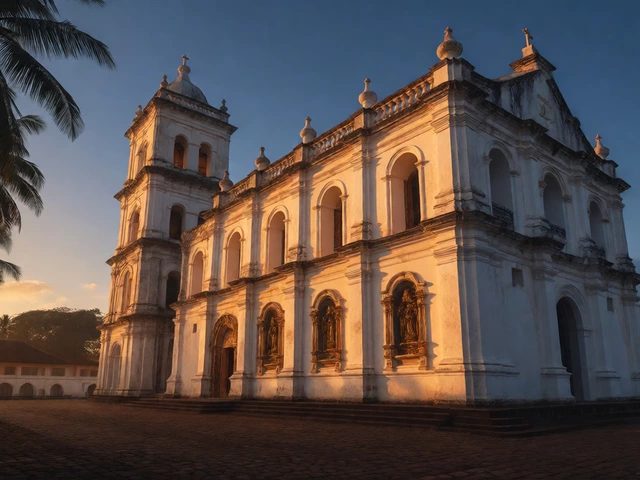
What Is a Man-Made Attraction? Understanding Human-Created Sites in Cultural Tourism India
Man-Made vs Natural Attraction Identifier
India has both natural wonders and human-made attractions. This tool helps you identify which category a specific attraction belongs to using key characteristics from India's cultural tourism context.
Key difference: Man-made attractions are created by human hands (temples, forts, palaces), while natural attractions form through natural processes (mountains, rivers, forests).
This distinction is crucial for understanding cultural tourism in India. Many sites combine both elements (like the hilltop Amber Fort), but their primary significance often comes from human creation.
Result
Why This Matters
Understanding this distinction helps you appreciate how human creativity and natural beauty combine to create India's unique cultural tourism experience. Man-made attractions often carry deep historical narratives that natural sites can't provide.
When you think of India’s top tourist spots, you might picture the Taj Mahal, the forts of Rajasthan, or the bustling streets of Varanasi. These aren’t just beautiful places-they’re man-made attractions. Unlike natural wonders like the Himalayas or the backwaters of Kerala, these sites were built by people, often over centuries, for religious, royal, or cultural reasons. They draw millions of visitors every year because they tell stories of empires, faith, art, and everyday life in ways nature never could.
What Exactly Is a Man-Made Attraction?
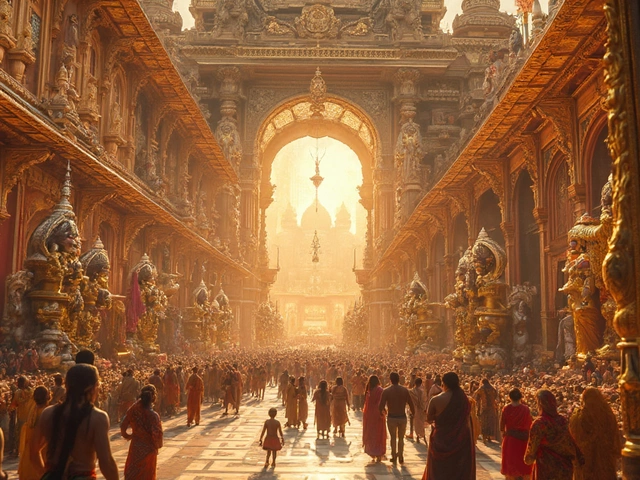
A man-made attraction is any structure, monument, or site created by human hands-not formed by nature. These include temples, palaces, forts, museums, bridges, and even modern landmarks like the Statue of Unity. In India, they’re everywhere. You’ll find them in ancient cities like Jaipur, in sacred towns like Puri, and in modern hubs like Bengaluru. What makes them special isn’t just their size or cost, but their purpose: they were built to express power, devotion, identity, or innovation.
For example, the Qutub Minar is a 73-meter-tall stone tower in Delhi, built in the 12th century to mark the rise of Muslim rule in India. It took over 150 years to complete, using materials from demolished Hindu temples. That’s not just architecture-it’s history carved in stone.
Why Do Man-Made Attractions Matter in Cultural Tourism?
Cultural tourism isn’t about checking off landmarks. It’s about connecting with the people who came before us. When you walk through the Jaipur City Palace is a sprawling complex in Rajasthan that blends Rajput and Mughal design, housing royal artifacts and a working royal family, you’re not just seeing a building. You’re seeing how royalty lived, how art was patronized, and how politics shaped design.
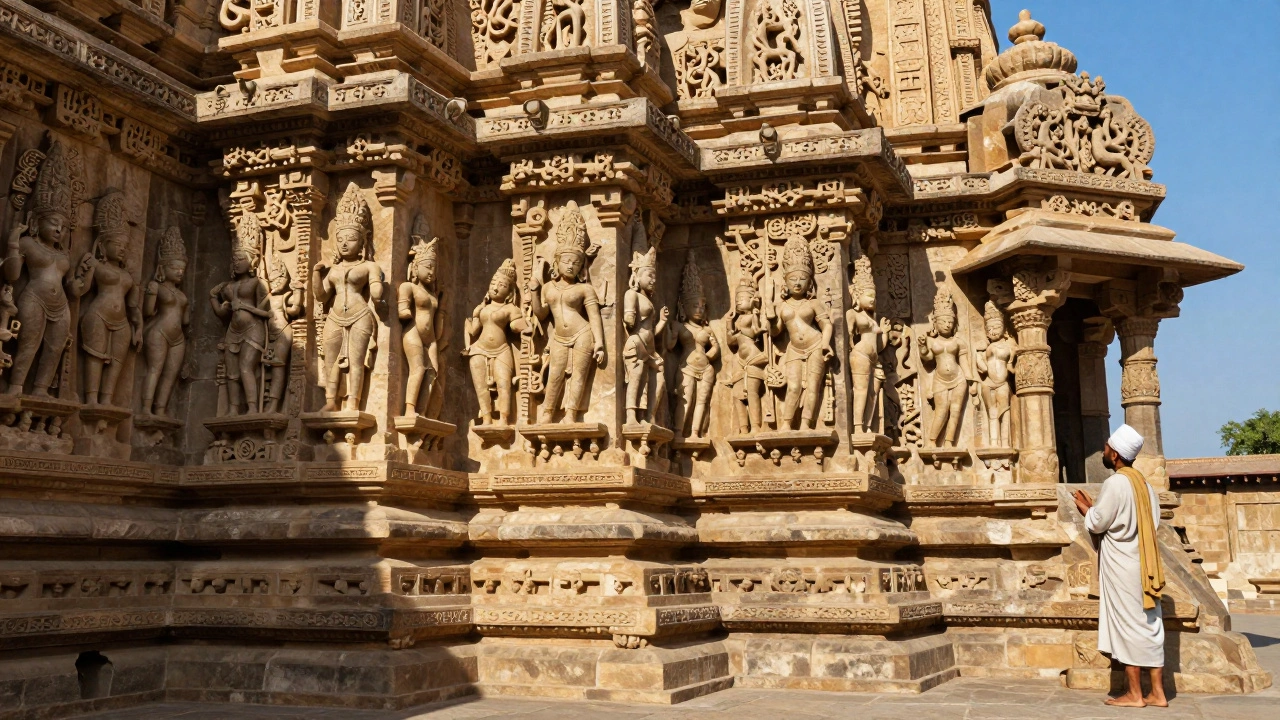
India’s man-made attractions are cultural time capsules. The Khajuraho Temples are a group of Hindu and Jain temples built between 950 and 1050 CE, famous for their intricate erotic sculptures that reflect ancient beliefs about pleasure, spirituality, and daily life. These weren’t meant to shock-they were meant to teach. Tourists today still come to understand what those carvings meant to people over a thousand years ago.
How Are They Different From Natural Attractions?
Natural attractions-like the Sundarbans mangroves or the Valley of Flowers-are shaped by wind, water, and time. Man-made ones are shaped by human decisions: money, religion, politics, and ambition. You can’t grow a fort like a tree. You can’t wait for a temple to form naturally. They require planning, labor, and resources.
Take the Amber Fort in Jaipur. It sits on a hill, blending into the landscape-but it didn’t just appear there. Thousands of workers hauled sandstone and marble from distant quarries. They carved staircases, painted ceilings, and built water systems that still work today. That’s not luck. That’s intention.
Visitors often confuse the two. Someone might say, "I went to see the mountains near Kedarnath." But if they’re visiting the Kedarnath Temple, they’re not there for the peaks-they’re there for the shrine built by Adi Shankaracharya in the 8th century. The mountains are natural. The temple? Man-made.
Top Man-Made Attractions in India You Can’t Miss
India has over 40 UNESCO World Heritage Sites, and nearly all of them are man-made. Here are five that define cultural tourism in the country:
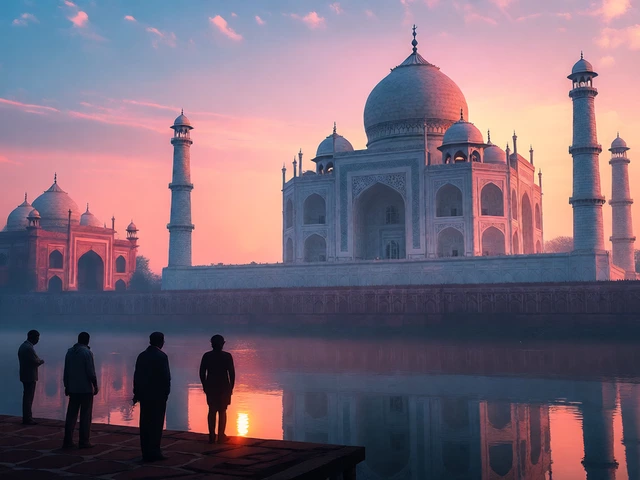
- Taj Mahal is a white marble mausoleum in Agra, built by Emperor Shah Jahan in memory of his wife Mumtaz Mahal. It took 22 years and 20,000 workers to complete, using stones from across Asia.
- Red Fort is a massive red sandstone fortress in Delhi, built in 1638 as the palace of the Mughal emperors. It’s where India’s Prime Minister gives the Independence Day speech every year.
- Meenakshi Temple is a 2,500-year-old Hindu temple in Madurai with 33,000 hand-carved sculptures and 14 towering gopurams (gateways). It’s still a living place of worship.
- Victoria Memorial is a grand marble building in Kolkata, built between 1906 and 1921 as a tribute to Queen Victoria. It now houses one of India’s finest museums.
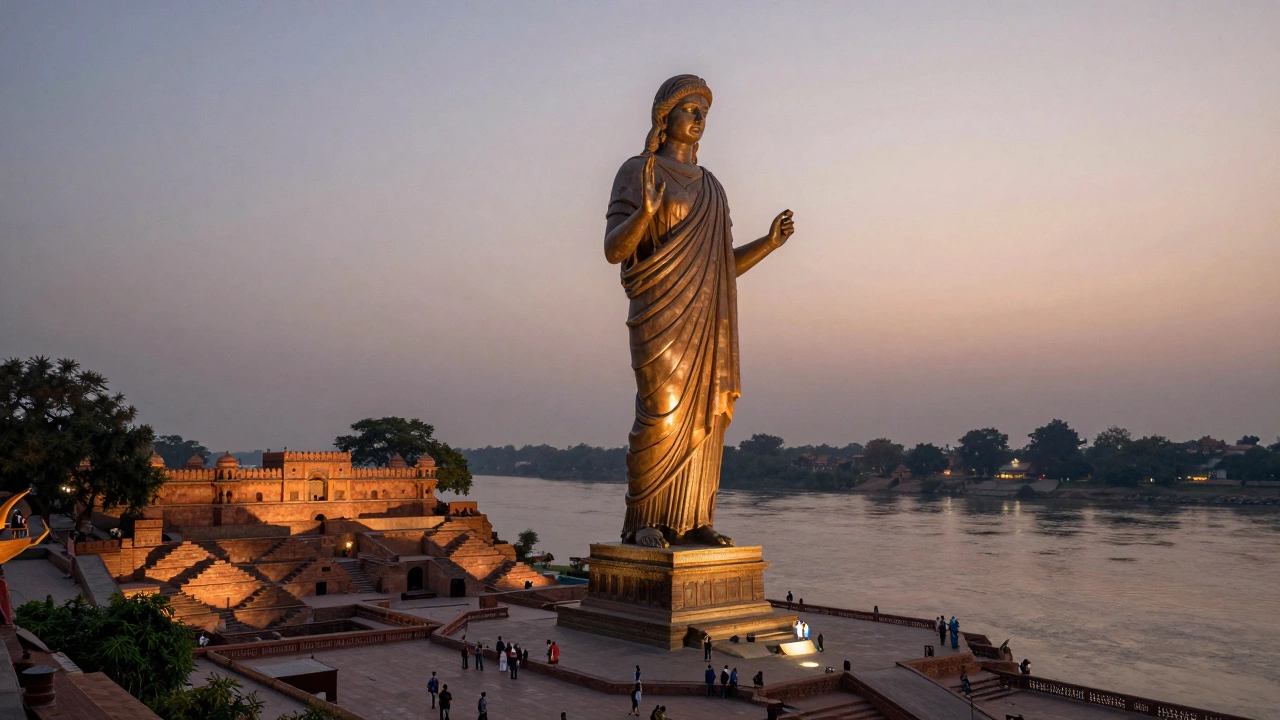
- Statue of Unity is the world’s tallest statue, standing 182 meters tall in Gujarat. It honors Sardar Vallabhbhai Patel, a key figure in India’s independence movement, and was completed in 2018.
Who Builds These Attractions-and Why?
Most man-made attractions in India were built by kings, emperors, or religious leaders. But behind them were thousands of unnamed workers: stonemasons, painters, carpenters, and laborers. Many were paid in grain or land. Others worked as part of religious duty.
The Ellora Caves are a set of 34 rock-cut temples and monasteries carved out of a cliff face between the 6th and 10th centuries. They include Hindu, Buddhist, and Jain sites-all carved from the same mountain, side by side. No one knows exactly how they did it without modern tools. Some scholars believe they used simple chisels, ropes, and fire. Others think they had advanced knowledge of acoustics and geometry.
Today, these sites are maintained by the Archaeological Survey of India (ASI), a government body founded in 1861. Their job? To protect, restore, and make these places accessible without damaging them. That’s harder than it sounds. The Taj Mahal’s marble turns yellow from pollution. The Khajuraho sculptures are worn down by millions of touching hands.
What Makes a Man-Made Attraction Last?
Not all buildings survive. Many were destroyed by wars, weather, or neglect. The ones that remain have one thing in common: they were deeply tied to people’s lives.
The Stepwells of Gujarat are ancient water structures with hundreds of steps leading down to a well. Built between the 8th and 12th centuries, they weren’t just for water-they were social hubs, places for women to gather, pray, and cool off. When modern pipes came, many were abandoned. But today, they’re being restored-not just as tourist spots, but as community spaces again.
That’s the secret: the best man-made attractions aren’t just monuments. They’re living parts of culture. The Chand Baori in Rajasthan has 3,500 steps arranged in perfect symmetry. It was built to store water during droughts. Now, it’s one of the most photographed spots in India. Why? Because people still feel its purpose.
How to Visit Man-Made Attractions the Right Way
Visiting these places isn’t just about taking photos. It’s about respect. Here’s what works:
- Learn the story before you go. A temple isn’t just a pretty building-it’s a place of worship. Know its history.
- Don’t touch carvings or inscriptions. Oils from skin damage stone over time. Many sites now have barriers for a reason.
- Use local guides. They’ll tell you details no brochure can. In Varanasi, a guide might explain why the ghats are lit at night-not just for beauty, but for spiritual rituals.
- Visit early or late. Crowds damage fragile sites. Early mornings at the Taj Mahal are quieter and more magical.
- Support preservation. Buy from official souvenir shops. Your money helps fund restoration.
What’s Next for Man-Made Attractions in India?
India isn’t stopping. New projects are rising. The Ram Temple in Ayodhya is a massive new Hindu temple completed in 2024, built on a site long believed to be Lord Ram’s birthplace. It’s already drawing over 10 million visitors a year. It’s controversial, yes-but it’s also a modern man-made attraction that will shape tourism for decades.
At the same time, ancient sites are being revived. The Chandigarh Capitol Complex is a modernist architectural marvel designed by Le Corbusier in the 1950s. Once overlooked, it’s now a UNESCO site and a pilgrimage for architecture students.
Man-made attractions aren’t relics. They’re evolving. They’re being repurposed, restored, and reimagined. The future of cultural tourism in India isn’t just about seeing the past-it’s about understanding how people still connect to it today.
Are all tourist sites in India man-made?
No. India has both natural and man-made attractions. The Himalayas, the Western Ghats, and the backwaters of Kerala are natural. But most of the country’s top tourist draws-like the Taj Mahal, Jaipur’s forts, and the Khajuraho temples-are built by humans. Cultural tourism often focuses on these man-made sites because they reveal history, belief, and art.
Why are man-made attractions more popular than natural ones in India?
They’re more accessible, easier to promote, and packed with stories. A mountain is beautiful, but a temple with 1,000 years of rituals? That’s a narrative. Tourists want to understand culture, not just see scenery. Man-made sites answer the "why" behind the beauty. They connect people to empires, gods, and everyday life across centuries.
Can man-made attractions be dangerous to visit?
Some can be, especially if they’re old or poorly maintained. Steep stairs at forts, crumbling balconies, or narrow tunnels in caves can pose risks. Always follow posted signs, avoid climbing restricted areas, and don’t ignore crowd warnings. Sites like the Ellora Caves have handrails for a reason. Safety isn’t just about rules-it’s about preserving the site too.
Do locals still use these attractions today?
Absolutely. The Meenakshi Temple in Madurai sees over 15,000 daily worshippers. The Qutub Minar area hosts Friday prayers. Even the Victoria Memorial is used for cultural events. These aren’t museums frozen in time. They’re alive. Tourists are guests in spaces that still serve their original purpose.
How do man-made attractions affect local economies?
They’re major job creators. In places like Agra, over 70% of tourism income comes from the Taj Mahal. That means guides, rickshaw drivers, handicraft sellers, and hotel staff all depend on them. In smaller towns like Orchha or Bundi, restoring a fort or palace has revived entire neighborhoods. These sites don’t just attract tourists-they sustain communities.
About Author

Popular Posts



What is a mini vacation? A guide to short breaks