Best Cultural Attractions in India: A Guide to Heritage and Traditions
India Cultural Journey Planner
Answer a few questions to find your perfect cultural match in India.
Your Recommended Focus:
SuggestedEnter your preferences to see the recommendation.
Key Takeaways
- India's cultural landscape is anchored by over 40 UNESCO World Heritage sites.
- The country is divided into distinct cultural zones: the Himalayan North, the Gangetic Plains, the Deccan Plateau, and the Coastal South.
- Experience is as much about intangible heritage (festivals, food, music) as it is about monuments.
- Timing your visit with lunar calendars is crucial for seeing major religious celebrations.
The Architectural Giants of the North
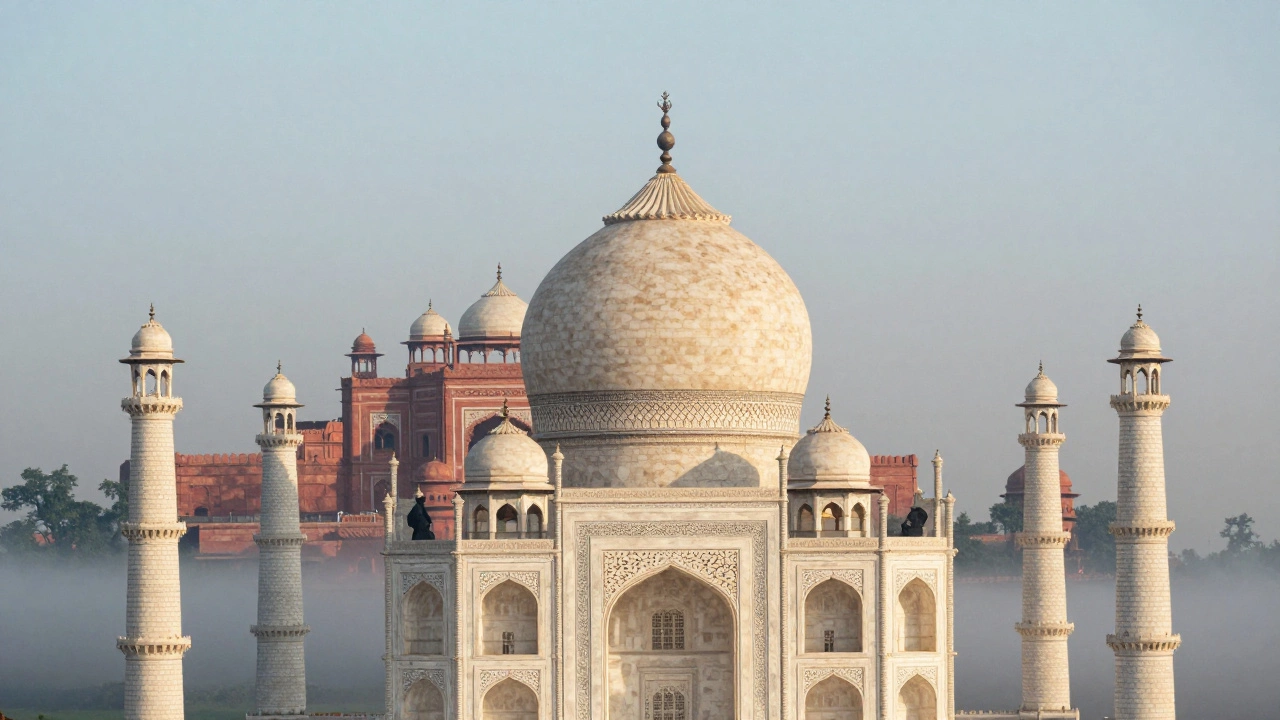
If you start your journey in the North, you're diving into a mix of Mughal grandeur and ancient Hindu artistry. The most obvious stop is Agra, a city that serves as a living museum of the Mughal Empire. While everyone knows the Taj Mahal is a symbol of love, look closer at the symmetry and the pietra dura inlay work. It's a masterclass in Persian and Indian architectural fusion. But don't stop there; the nearby Agra Fort uses massive red sandstone walls to tell a story of power and imprisonment.
Move toward Rajasthan, and the landscape turns gold. In Jaipur, the Hawa Mahal (Palace of Winds) was designed specifically so royal women could watch street processions without being seen. It's a fascinating piece of social engineering carved into stone. If you prefer something more rugged, the Amer Fort offers a climb up a hill that ends in a mirror-palace that would make any Instagram feed look professional. The key here is to notice the 'Jali' work-those intricate stone screens that keep the desert heat out while letting the breeze in.
Spiritual Hubs and Living Traditions
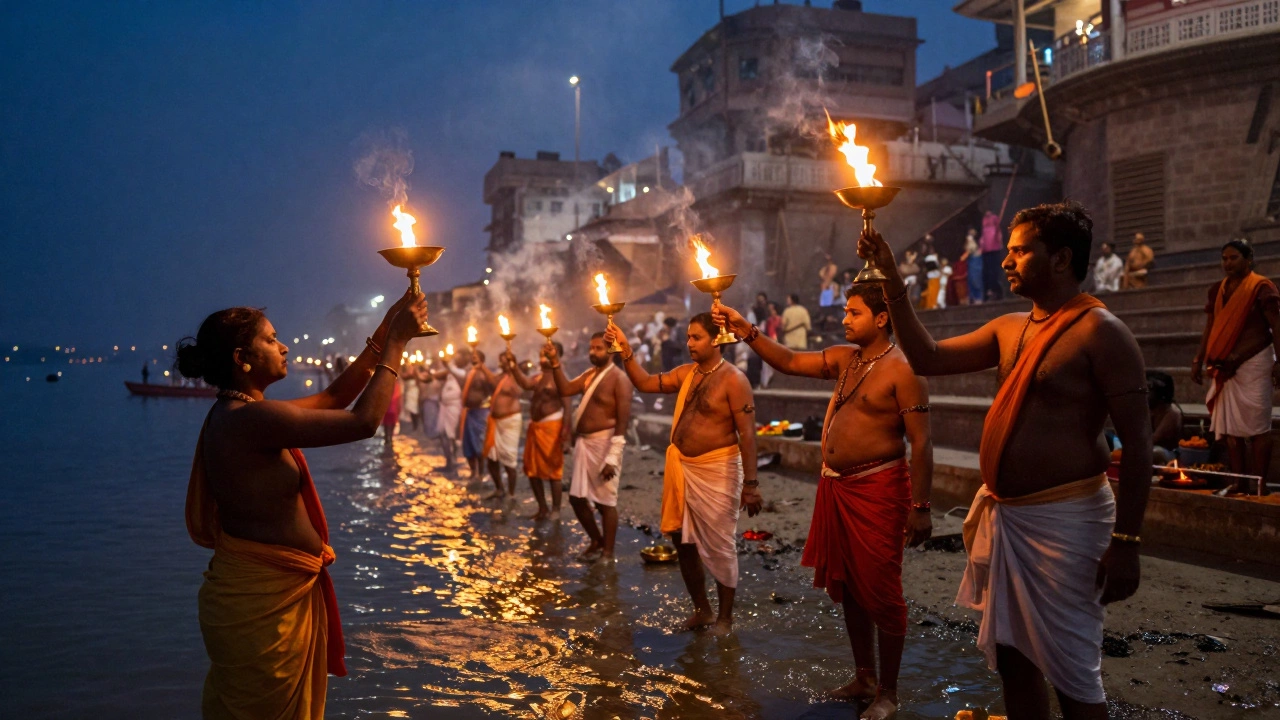
Culture isn't just about old buildings; it's about people doing things the same way they did a thousand years ago. Varanasi is perhaps the most intense cultural experience in the world. It is one of the oldest continuously inhabited cities on Earth. Here, the Ganges River isn't just water; it's a deity. Watching the evening Ganga Aarti, where priests wave massive fire lamps to the rhythm of bells, feels less like a tourist attraction and more like stepping into a different dimension.
If the chaos of Varanasi is too much, head to Amritsar in Punjab. The Golden Temple (Harmandir Sahib) is the spiritual heart of Sikhism. What makes this attraction unique is the 'Langar'-the community kitchen. They serve free meals to about 100,000 people every single day, regardless of religion or caste. It's a powerful lesson in equality and service that defines the regional culture.
| Region | Primary Influence | Must-See Entity | Vibe |
|---|---|---|---|
| North (Rajasthan/UP) | Mughal & Rajput | Taj Mahal | Royal & Grand |
| South (Tamil Nadu/Kerala) | Dravidian | Meenakshi Temple | Intricate & Devotional |
| West (Maharashtra/Gujarat) | Maratha & Ancient Cave Art | Ajanta Caves | Artistic & Mystical |
Dravidian Splendor in the South
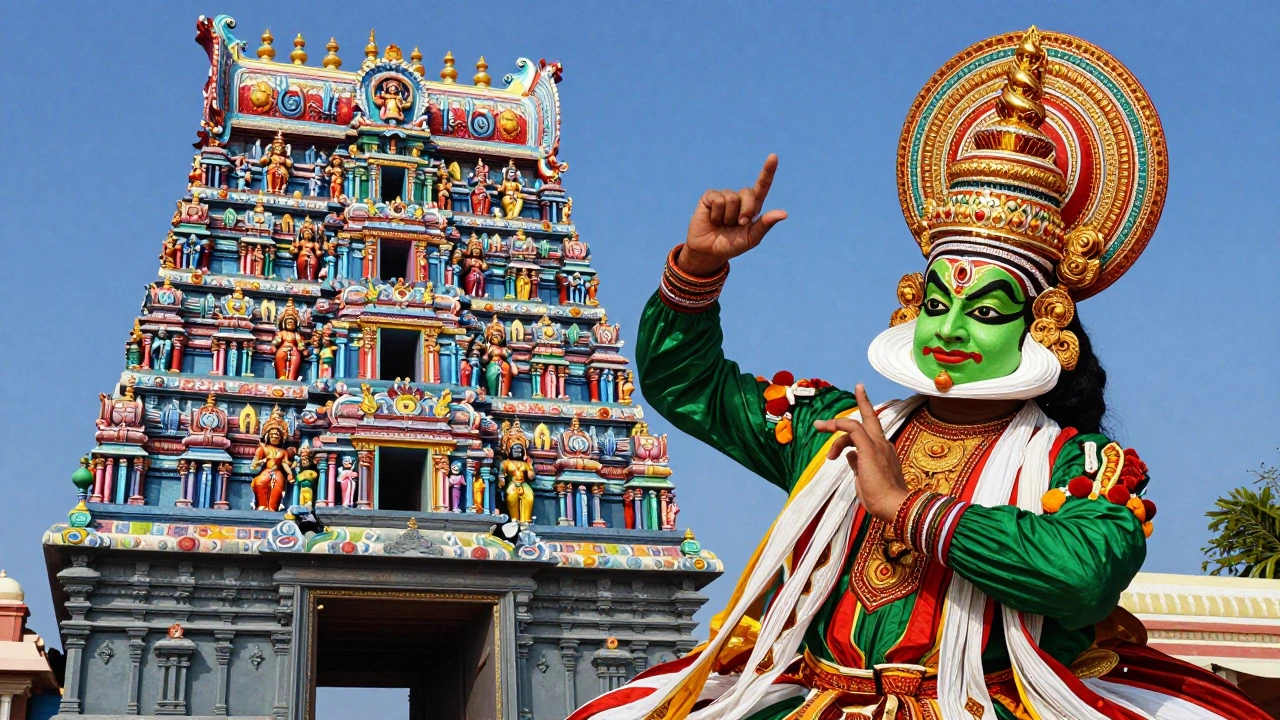
When you move south, the architecture shifts from the domes of the North to the towering 'Gopurams' (gateways) of the South. The Meenakshi Temple in Madurai is a great example. The walls are covered in thousands of brightly colored sculptures of gods, demons, and animals. It's so detailed that you could spend a whole day just looking at one corner of the temple complex.
Then there's Hampi in Karnataka. Once the capital of the Vijayanagara Empire, it's now a surreal landscape of giant boulders and ruined temples. Walking through the Vitthala Temple and seeing the stone chariot feels like exploring an ancient city from a fantasy novel. Hampi is a reminder of how these empires managed water and urban planning long before modern technology existed.
The Living Arts: Dance and Music
You can't talk about culture without mentioning the performing arts. India's classical dances aren't just entertainment; they are a form of storytelling. Bharatanatyam from Tamil Nadu is known for its geometric precision and expressive hand gestures (mudras). If you're in Kerala, look for Kathakali. The performers wear massive, elaborate headgear and green face paint, using only their eyes and fingers to convey a story. It's theatrical, dramatic, and deeply rooted in Hindu mythology.
Musically, the contrast between Hindustani music (North) and Carnatic music (South) is striking. While the North was influenced by Persian sounds, the South remained more traditional. Catching a live performance during a festival is a much better experience than listening to a recording; the interaction between the musician and the audience is a cultural event in itself.
Festivals: When the Streets Become Stages
If you want to see India at its most vibrant, time your visit with a major festival. Holi, the festival of colors, is a global favorite, but it's more than just throwing powder. It marks the arrival of spring and the victory of good over evil. In the Braj region (Mathura and Vrindavan), Holi is an all-out immersive experience that lasts for days.
Then there is Diwali, the festival of lights. Every home, shop, and street is lit up with oil lamps (diyas). It's a time of renewal and family. For something more localized but visually stunning, check out the Pushkar Camel Fair in Rajasthan. It's part religious gathering and part livestock trade, where thousands of camels are traded against the backdrop of a holy lake. It's one of the few places where you can see the rural, nomadic side of Indian culture in full swing.
Avoiding the Tourist Traps: Pro Tips
Cultural tourism in India can be overwhelming. One common mistake is trying to see 'everything' in two weeks. You'll spend more time on trains and planes than actually experiencing the culture. Instead, pick a region. If you love history, stick to the Golden Triangle (Delhi, Agra, Jaipur). If you want spiritual peace, focus on Kerala or Himachal Pradesh.
Another tip: engage with the locals, but be mindful of the etiquette. In temples, always remove your shoes. In rural areas, dressing conservatively is a sign of respect and will often get you a warmer welcome. Also, don't be afraid of the street food, but stick to places with a long queue of locals-that's the best indicator of freshness and quality.
When is the best time to visit India for cultural festivals?
The best time is generally between October and March. This window covers Diwali (usually Oct/Nov) and Holi (usually March), and the weather is much more manageable. However, festivals like the Pushkar Fair or the Hemis Festival in Ladakh have their own specific dates based on the lunar calendar, so check the current year's dates before booking.
Which UNESCO sites are the most accessible for beginners?
The Taj Mahal in Agra and the forts of Jaipur are the most accessible because they have well-developed tourism infrastructure. For those who want something slightly off-beat but still manageable, the Ajanta and Ellora Caves in Maharashtra are fantastic, though they require a bit more travel from a major city like Aurangabad.
Is it safe to visit cultural sites in rural India?
Yes, generally it is safe. Rural India is often more welcoming than the big cities. The key is to use reputable guides and respect local customs. In more remote areas, it's helpful to have a local contact or join a small group tour to navigate the language barrier and logistics.
What is the difference between North and South Indian culture?
The North was heavily influenced by Central Asian and Persian cultures, seen in the architecture (domes) and food (tandoori). The South has a more ancient, indigenous Dravidian influence, visible in the towering temple gateways (Gopurams), a stronger emphasis on rice-based diets, and different classical dance forms like Bharatanatyam.
Do I need a guide to understand the history of these sites?
While you can read plaques, a certified guide provides the context that makes a site come alive. They can explain the hidden meanings in the carvings or the political intrigue behind a palace's construction. Just make sure to hire government-approved guides to avoid scams.
Next Steps for Your Journey
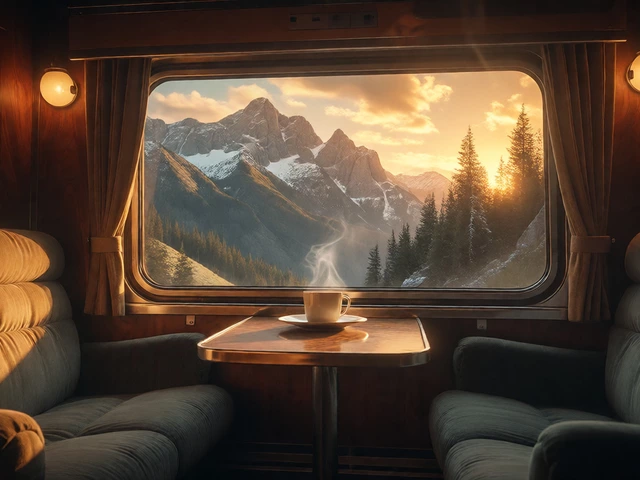
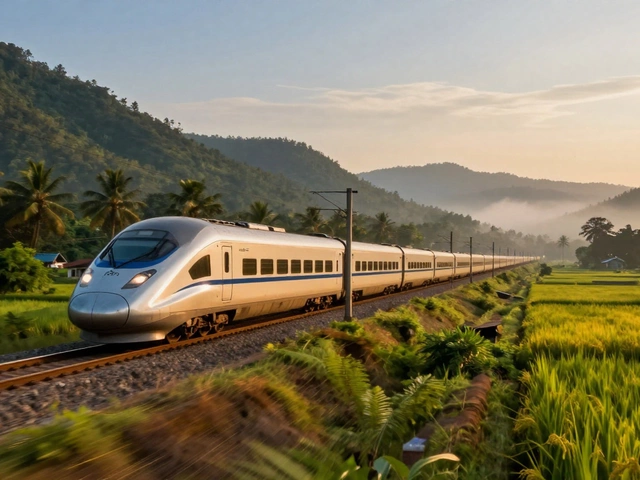
If you're planning a trip, start by deciding if you're a 'monuments' person or an 'experiences' person. If you love the former, look into the Heritage Circuit. If the latter, look for cultural immersion tours that include home-stays in villages. For a smoother experience, consider using a mix of domestic flights and the Indian Railways' luxury trains for long hauls. Once you've nailed down your region, dive into the local food of that area-because in India, the kitchen is the ultimate cultural attraction.
About Author

Popular Posts

What is a mini vacation? A guide to short breaks