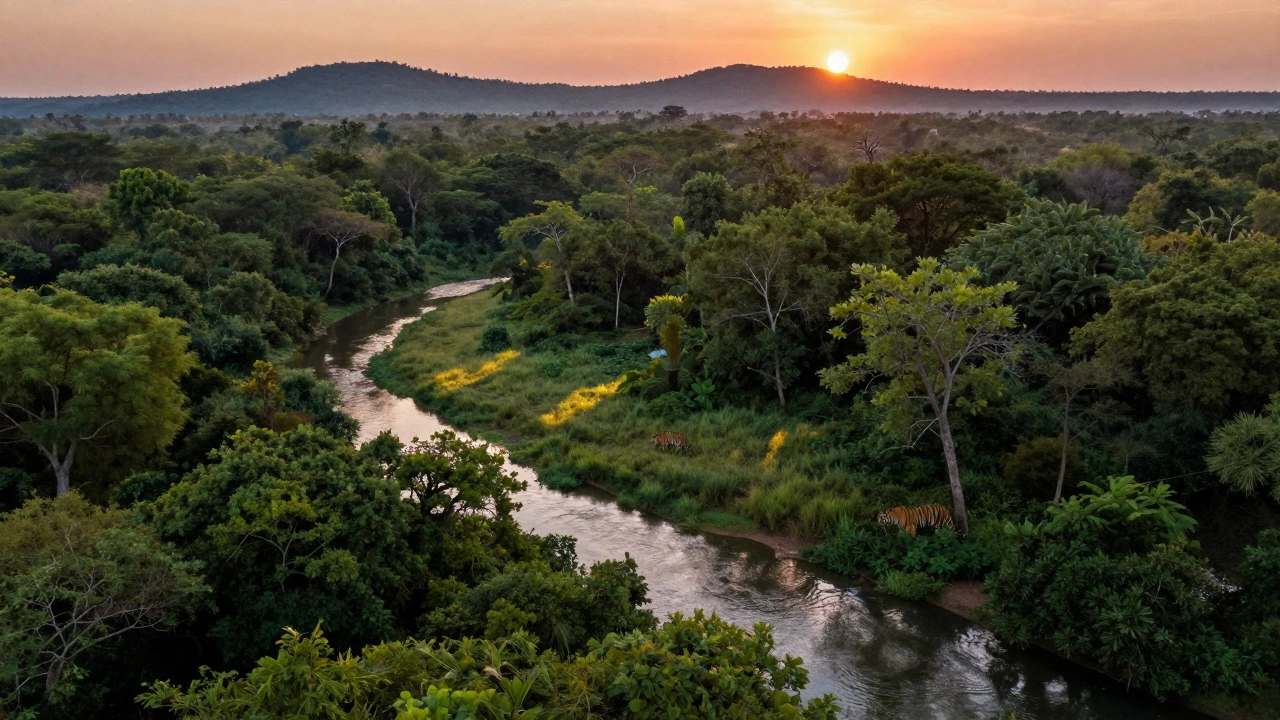
Which State Has the Most Wildlife Sanctuaries in India? 2026 Guide
Wildlife Sanctuary Comparison Tool
How to use: Select two states below to compare their wildlife sanctuary counts and protected land coverage. Click the "Compare" button to see a detailed side-by-side analysis.
You might think the answer is obvious. Maybe it’s Madhya Pradesh, the heart of Indian tiger country. Or perhaps Assam, home to the famous Kaziranga National Park. But when you actually count the designated areas protected under the Wildlife Protection Act, the numbers tell a different story. The race for the title of "state with the most wildlife sanctuaries" is tighter than most people realize, and it shifts depending on whether you count only strict sanctuaries or include national parks as well.
The Official Count: Who Holds the Record?
As of 2026, Madhya Pradesh remains the undisputed leader in terms of sheer number of designated protected areas specifically designated for the conservation of flora and fauna where human activity is restricted wildlife sanctuaries. The state boasts over 70 distinct sanctuaries spread across its vast geography. This includes major hubs like Kanha, Pench, and Bandhavgarh, which are often grouped together in tourist itineraries but legally function as separate protected zones or adjacent sanctuaries.
However, if we look at the total area covered by these sanctuaries, the picture changes slightly. While MP has the highest count, states like Karnataka and Maharashtra also hold significant numbers due to their diverse ecosystems ranging from the Western Ghats to the Deccan Plateau. It’s crucial to distinguish between a "National Park," where no human habitation is allowed, and a "Wildlife Sanctuary," where limited human activity (like grazing or forest produce collection) may still occur under regulation. Many travelers confuse the two, leading to confusion about which state actually leads in conservation efforts.
Why Madhya Pradesh Leads the Pack
MP’s dominance isn’t accidental. The state covers a massive portion of the Central Indian landscape, featuring dense deciduous forests, grasslands, and riverine systems. This biodiversity hotspot supports critical populations of tigers, leopards, dholes, and barasinghas. The government of MP has actively expanded sanctuary boundaries over the last two decades to create ecological corridors, ensuring that isolated pockets of habitat remain connected. This strategic planning has resulted in a high density of protected zones per square kilometer compared to other northern states.
Consider the Panna Tiger Reserve. Originally a national park, it was reclassified and expanded, incorporating surrounding buffer zones as sanctuaries. This move increased the count of protected areas in the region significantly. Similarly, the Satpura range hosts multiple sanctuaries that form a continuous green belt. For a traveler, this means more options for eco-tourism stays, community-based homestays near sanctuary borders, and varied landscapes within a single trip.
Top Contenders: Assam, Karnataka, and Beyond
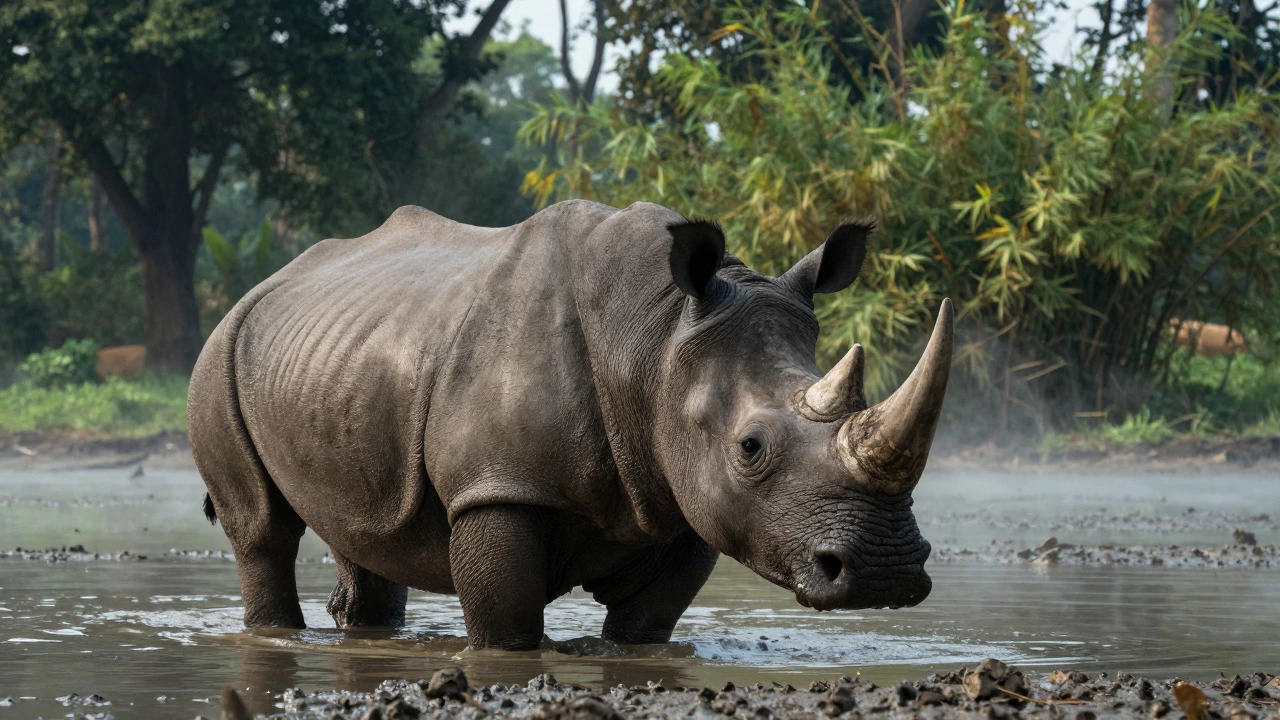
While MP holds the numerical crown, Assam is a strong contender in terms of fame and ecological significance. Assam has fewer total sanctuaries than MP but houses some of the most iconic ones, such as Manas and Nameri. The Brahmaputra valley’s unique wetland and forest mix creates distinct sanctuary types that aren’t found elsewhere in India. If you’re looking for rhinoceroses and one-horned giants, Assam is your destination, even if it doesn’t top the raw count list.
Karnataka deserves special mention for its Western Ghats coverage. States like Kerala and Tamil Nadu also have high numbers of sanctuaries, particularly in the southern hills. These areas are critical for elephant conservation and endemic species like the Nilgiri Tahr. When comparing states, don’t just look at the number; look at the quality of protection and the diversity of species. A small sanctuary in the Western Ghats might protect more unique plant species than a large grassland reserve in the north.
| State | Approx. Number of Sanctuaries | Total Protected Area (% of State) | Key Signature Species |
|---|---|---|---|
| Madhya Pradesh | 75+ | ~12% | Bengal Tiger, Leopard, Dhole |
| Karnataka | 60+ | ~10% | Elephant, Lion-Tailed Macaque |
| Assam | 30+ | ~8% | Greater One-Horned Rhino, Asian Elephant |
| Maharashtra | 50+ | ~9% | Sloth Bear, Black Panther |
| Kerala | 40+ | ~11% | Asian Elephant, Malabar Giant Squirrel |
Understanding the Difference: Sanctuaries vs. National Parks
This distinction is vital for anyone planning a trip or researching conservation stats. Under the Wildlife Protection Act of 1972, a National Park is an area where no person can reside, and all human activities are prohibited except those essential for administration. In contrast, a Wildlife Sanctuary allows for limited human presence. You might find villages inside a sanctuary boundary, provided they don’t interfere with wildlife. This makes sanctuaries more complex ecologically and socially. They often serve as buffer zones around stricter national parks, creating a layered protection system.
For example, the Ranthambore National Park in Rajasthan is surrounded by several sanctuaries. Together, they form a larger protected landscape. If you only count national parks, Rajasthan looks impressive. But if you include the surrounding sanctuaries, the total protected footprint expands dramatically. This is why the "most sanctuaries" metric favors states with large, contiguous forest blocks that were historically managed as mixed-use reserves before being upgraded or split into multiple designated zones.

How to Plan Your Wildlife Trip Based on Sanctuary Data
Knowing which state has the most sanctuaries helps you plan a multi-day itinerary. If you want maximum variety in a short time, choose Madhya Pradesh. You can visit three different sanctuaries in four days, each offering a different terrain-grasslands in Kanha, dense sal forests in Pench, and rocky outcrops in Bandhavgarh. The infrastructure in MP is also the most developed for tourists, with numerous lodges located right on the sanctuary gates.
If you prefer remote experiences, look at the sanctuaries in Northeast India or the Western Ghats. These areas have fewer commercial hotels but offer immersive community tours. Always check the latest entry permits, as rules vary by state. Some sanctuaries require booking weeks in advance during peak season (October to March), while others operate on a first-come, first-served basis. Understanding the legal status of the area (sanctuary vs. park) also affects what you can do-photography rules, vehicle types allowed, and guide requirements differ significantly.
Frequently Asked Questions
Does Madhya Pradesh have the most wildlife sanctuaries in India?
Yes, as of 2026, Madhya Pradesh holds the highest number of designated wildlife sanctuaries, with over 75 sites. This count includes both standalone sanctuaries and buffer zones around national parks.
What is the difference between a wildlife sanctuary and a national park?
A national park prohibits all human habitation and most activities, while a wildlife sanctuary allows limited human presence and regulated activities like grazing. Sanctuaries often act as buffer zones for national parks.
Which state has the largest total area of wildlife sanctuaries?
While Madhya Pradesh has the most individual sanctuaries, states like Karnataka and Maharashtra cover vast total areas due to their size and the extensive network of protected lands in the Western Ghats and Deccan regions.
Are wildlife sanctuaries open to tourists year-round?
Most sanctuaries close during monsoon months (June to September) to allow animals to breed undisturbed. The best time to visit is typically October through May, with winter months offering the highest visibility of wildlife.
Do I need a permit to enter a wildlife sanctuary?
Yes, almost all sanctuaries require an entry fee and a permit. Permits are usually issued at the gate office, but popular spots like Pench or Kanha require online booking in advance during peak season.



About Author