Which is the Oldest State in India? Exploring India's Ancient Roots
Ancient Roots Explorer: South vs. North
Click on a historical pillar to see how these two regions differ in their path to "being the oldest."
Tamil Nadu (South)
Strong early urbanism seen in sites like Adichanallur and Keezh Venkitam, showing sophisticated trade and settlement.
UP / Punjab (North)
Extreme ancient urbanism via the Indus Valley Civilization (Harappa/Mohenjo-daro), among the first in human history.
Key Takeaways: India's Ancient Timeline
- Tamil Nadu is widely considered the oldest in terms of continuous cultural and linguistic identity.
- The Sangam Period provides some of the earliest written records of South Indian civilization.
- Political boundaries changed constantly, but the Dravidian roots of the South are among the most enduring.
- Northern states like Uttar Pradesh hold the keys to the Indus Valley and Vedic eras.
When people ask this, they usually aren't looking for the date a piece of paper was signed in New Delhi. They want to know where the roots of Indian society go deepest. For that, we have to look at Tamil Nadu is a state in South India known for its ancient Dravidian culture, classical language, and some of the oldest continuously inhabited urban centers in the world. While many parts of India saw their ancient cities crumble or their languages vanish, Tamil Nadu kept its heartbeat steady. The Land of the Tamils didn't just survive; it preserved a literary and social structure that dates back over 2,000 years.
The Sangam Era: Where History Meets Poetry
To understand why Tamil Nadu claims the title of the oldest cultural entity, you have to look at the Sangam Period. This wasn't just a time; it was a massive gathering of poets and scholars. Between 300 BCE and 300 CE, the Tamils were producing sophisticated poetry and governance systems while much of the world was still figuring out basic urban planning. Unlike other ancient records that feel like myths, Sangam literature describes real trade routes, specific kings, and a social hierarchy that feels remarkably concrete.
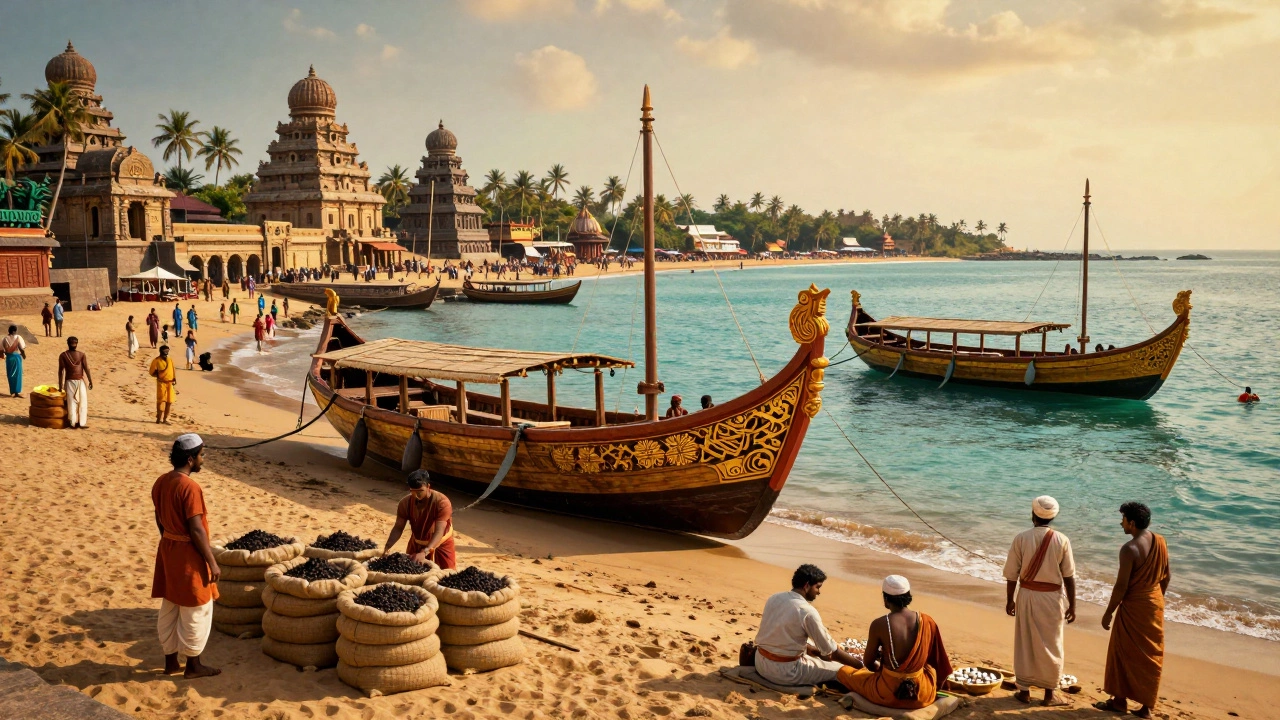
Think about the Pandyas, Cheras, and Cholas. These three great dynasties didn't just fight for land; they built a maritime empire that stretched across the ocean to Southeast Asia. If you visit the coast of Tamil Nadu today, you're walking on ground that has seen ships from Rome and Greece docking to trade gold for pepper and pearls. This isn't just "old" in a vague sense; it's a documented continuity of identity that few other places on earth can match.
Comparing the Ancient Powerhouses
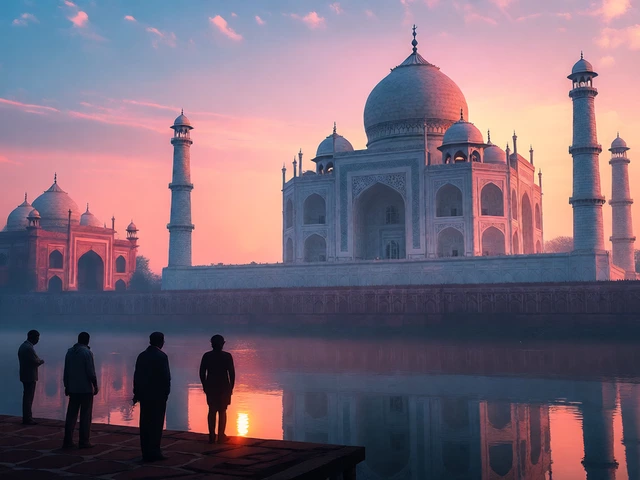
It's not fair to ignore the North. If we define "oldest" by the very first evidence of human settlement and organized religion, Uttar Pradesh and Punjab enter the chat. The Indus Valley Civilization-one of the three earliest cradles of civilization-flourished in the regions that now make up these states. Their brick cities and drainage systems were light-years ahead of their time.
| Criteria | Tamil Nadu (South) | Uttar Pradesh/Punjab (North) |
|---|---|---|
| Earliest Urbanism | Strong (Adichanallur/Keezh Venkitam) | Extreme (Harappa/Mohenjo-daro influence) |
| Linguistic Continuity | Very High (Classical Tamil) | Medium (Sanskrit/Pali/Prakrit evolution) |
| Imperial Legacy | Chola/Pandya maritime empires | Maurya/Gupta continental empires |
| Cultural Preservation | High (Living traditions/Temple arts) | Mixed (Layers of conquest and change) |
The Chola Legacy and Architectural Time Machines
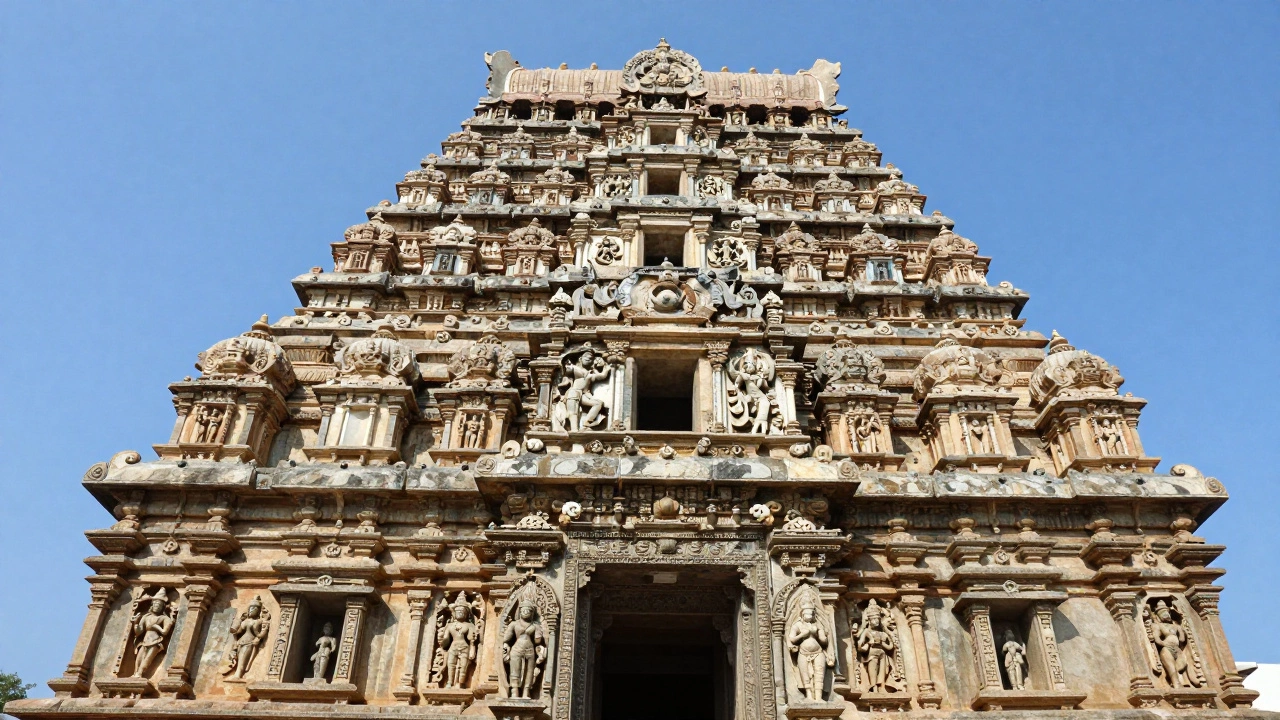
One of the best ways to "see" the age of a state is through its stones. In Tamil Nadu, the Chola Empire left behind monuments that make you feel tiny. The Brihadisvara Temple in Thanjavur isn't just a pretty building; it's a statement of power from over 1,000 years ago. The precision of the carving and the scale of the granite work show a society that had mastered engineering long before the industrial revolution.
But it's not just about the big temples. The village structures in the South often follow patterns established centuries ago. While the North experienced waves of migration and conquest that fundamentally shifted the demographic and linguistic landscape, the South remained a bastion of Dravidian culture. This stability is why many historians argue that Tamil Nadu is the oldest living civilization in India. They didn't just leave ruins; they left a living, breathing way of life.
The Political Paradox: Modern States vs. Ancient Lands
Now, if you're looking at a map and asking which state was officially "created" first, the answer shifts. After India gained independence in 1947, the boundaries were a mess. Many states were reorganized based on language in 1956. For example, the state of Madras State (which later became Tamil Nadu) was one of the earliest administrative setups. However, comparing the 1956 reorganization to the 300 BCE Sangam era is like comparing a new house to the land it's built on.
Most people confuse "administrative age" with "cultural age." A state like Rajasthan has an incredible royal history with the Rajputs, but the linguistic and social bedrock of the Tamil region is generally viewed as more ancient and continuous. It's the difference between a family that has lived in the same house for ten generations and a family that just bought a very old antique home.
Walking Through History: Top Heritage Spots
If you want to feel this age for yourself, don't just read a textbook. Go to the places where the earth actually holds the memories. In Tamil Nadu, start with Madurai. It's one of the oldest continuously inhabited cities in the world. The Meenakshi Temple isn't just a religious site; it's the center of a city that has been a hub of trade and culture for millennia.
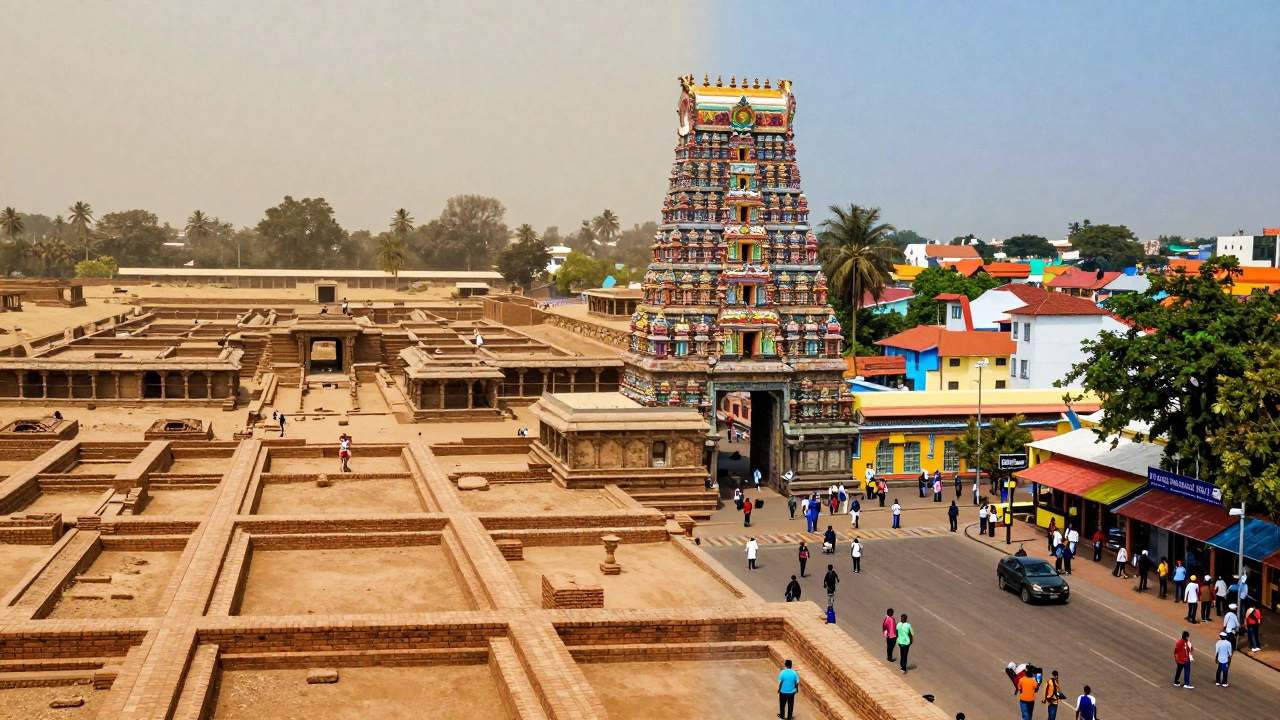
Then, move toward the Keezh Venkitam excavation sites. This is where archaeologists are finding evidence of an urban civilization that existed concurrently with the great empires of the West. Finding Roman coins and pottery in a South Indian village proves that 2,000 years ago, the world was already connected, and Tamil Nadu was a major player in that global network. It's a reminder that strong heritage isn't just about old buildings, but about the stories they tell about how we used to live.
Common Misconceptions About India's Oldest State
You'll often hear people argue that the "Vedic Heartland" in the North is the oldest because of the Rigveda. They aren't wrong-the Vedic civilization is incredibly old. But there's a catch: the transition from Vedic culture to modern Indian states involved a lot of overlap, erasure, and blending. The cultures of the North were like a river that changed course many times.
Tamil culture, by contrast, is more like a deep well. The core elements-the language, the temple architecture, the social customs-have remained remarkably consistent. When a Tamil speaker today reads a poem from the Sangam era, they can still recognize the soul of the language. That's a level of continuity that is rare anywhere in the world, let alone in a country as diverse as India.
Is Tamil Nadu officially the oldest state?
Officially, most Indian states were reorganized in 1956. However, culturally and historically, Tamil Nadu is considered the oldest because of its continuous Dravidian identity and the ancient Sangam literature which dates back over 2,000 years.
What about the Indus Valley Civilization?
The Indus Valley Civilization is indeed older than the Sangam period, located primarily in modern-day Punjab, Haryana, and Rajasthan. However, it was a civilization that collapsed and vanished for a long time, whereas the culture of Tamil Nadu represents a living, continuous lineage.
Which language is the oldest in India?
Tamil and Sanskrit are both among the oldest. Sanskrit is the liturgical language of ancient India, while Tamil is one of the few classical languages that is still spoken by millions of people in its evolved form today.
Where can I see the oldest ruins in India?
For the very oldest, look to the Indus Valley sites like Rakhigarhī in Haryana. For the oldest living urban culture and monumental architecture, visit the temples of Madurai and Thanjavur in Tamil Nadu.
Did the Cholas rule all of India?
No, the Chola Empire focused primarily on South India and the maritime regions. They were famous for their naval power, extending their influence into Sri Lanka, Malaysia, and Indonesia, rather than trying to conquer the entire Indian subcontinent.
Next Steps for History Buffs
If this sparks a curiosity in you, don't stop here. Start by exploring the difference between Indo-Aryan and Dravidian linguistic families to understand the great divide in Indian history. If you're planning a trip, spend at least two weeks in the "Temple Cities" of the South-Madurai, Thanjavur, and Kanchipuram-to see the layers of time in the stone. For those who prefer the North, a visit to the ruins of Mohenjo-daro (though now in Pakistan) or the Harappan sites in India provides the necessary contrast to understand how civilizations rise and fall.

About Author

Popular Posts
What is Goa Famous For? Beyond the Beaches