What Is the Adventure Capital of India? The Ultimate Trekking Hub
When people ask what the adventure capital of India is, they’re not just looking for a name on a map. They want to know where the trails are steep, the rivers roar, the air is thin, and the mountains don’t care if you’re tired. The answer isn’t debated among locals-it’s written in the dust of boot prints on the Rohtang Pass, in the echo of bells at the Kullu Valley temples, and in the breathless silence at the top of Triund. That place is Manali.
Why Manali Is the Heart of Indian Adventure
Manali doesn’t just host adventure sports-it lives them. Nestled in the Beas River valley at 2,050 meters above sea level, it’s the launchpad for some of India’s most demanding and rewarding treks. Unlike other hill stations that focus on relaxation, Manali thrives on adrenaline. You won’t find just tea houses and shawl sellers here. You’ll find gear shops open at 6 a.m., guides with 20 years of Himalayan experience, and groups of strangers bonding over shared exhaustion on the way to Hampta Pass.
It’s not just about altitude. Manali sits at the crossroads of three major trekking zones: the Kullu Valley, the Lahaul-Spiti circuit, and the Pir Panjal range. This means you can go from a gentle 3-day walk to the snowline at Solang Valley in the morning, to a 7-day high-altitude expedition to Baralacha La by afternoon. The terrain changes every 50 kilometers. One day you’re walking through pine forests thick with wild rhododendrons; the next, you’re crossing a glacial moraine where the wind cuts like glass.
The Treks That Define the Capital
Manali’s reputation isn’t built on one trail. It’s built on a handful of iconic routes that test skill, stamina, and spirit.
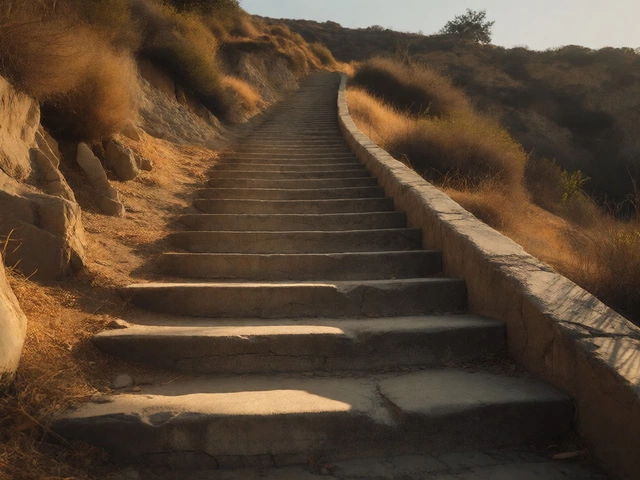
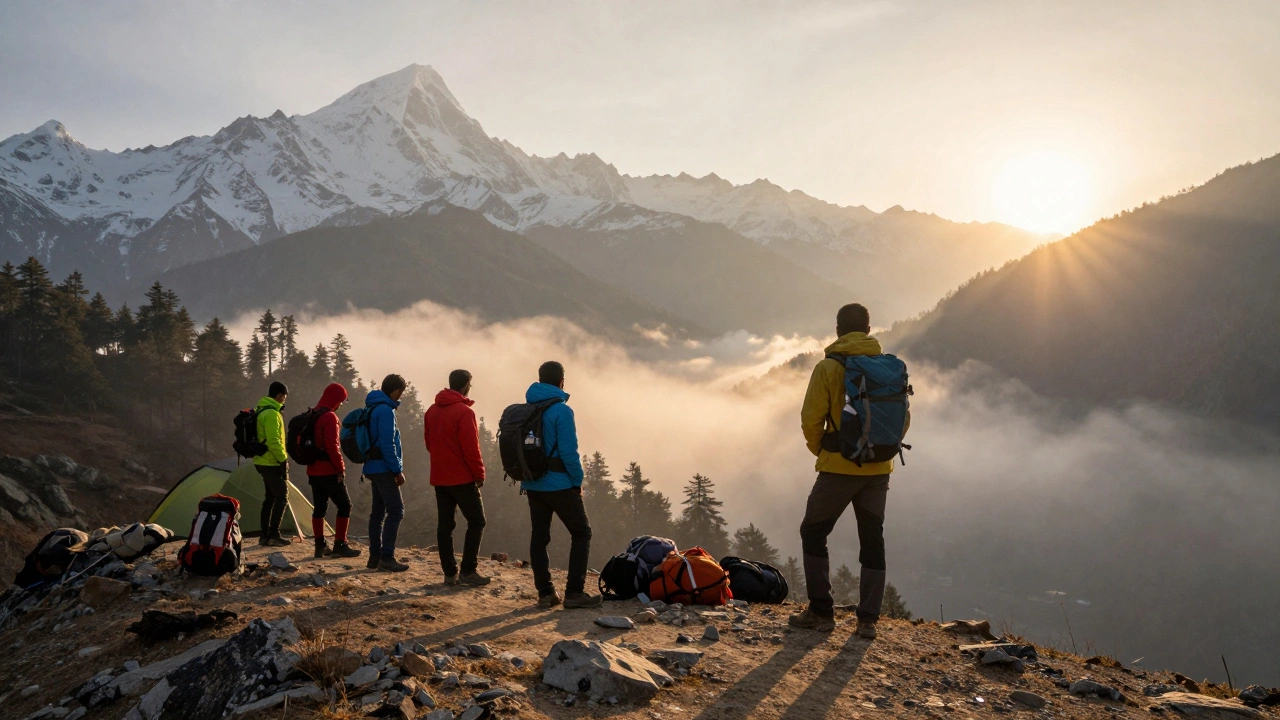
- Triund Trek - The gateway hike for beginners. 9 kilometers one way, 2,875 meters elevation. You’ll see snow-capped peaks like Deo Tibba and Hanuman Tibba without needing technical gear. Overnight camping at the top is a rite of passage.
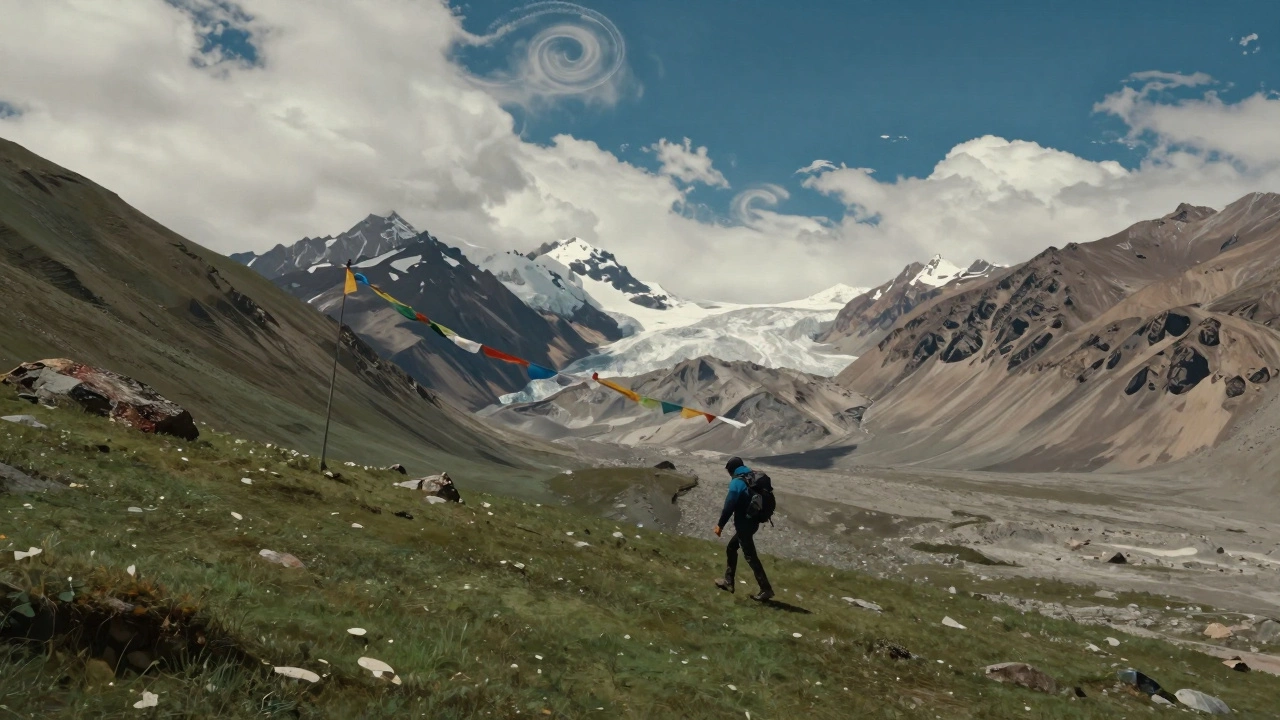
- Hampta Pass Trek - A 5-day journey from the green valleys of Kullu to the barren, lunar-like landscape of Lahaul. Crossing the 4,270-meter pass means leaving behind one ecosystem and stepping into another. This is where seasoned trekkers test their limits.
- Beas Kund Trek - A 2-day climb to the source of the Beas River, ending at a glacial lake surrounded by cliffs. It’s less crowded than Triund but just as stunning, with views of the Friendship Peak.
- Pin Parvati Pass Trek - A 10- to 12-day monster. Starting in Manali, crossing the 5,319-meter pass, and ending in Kullu. This isn’t a trek-it’s a pilgrimage for serious adventurers. Only 1 in 5 who attempt it finish without turning back.
Each of these treks has its own rhythm. Triund is for sunrise photos and Instagram posts. Hampta Pass is for learning how to read weather signs in the mountains. Pin Parvati is for those who’ve already done the rest and want to know what real isolation feels like.
More Than Just Hiking
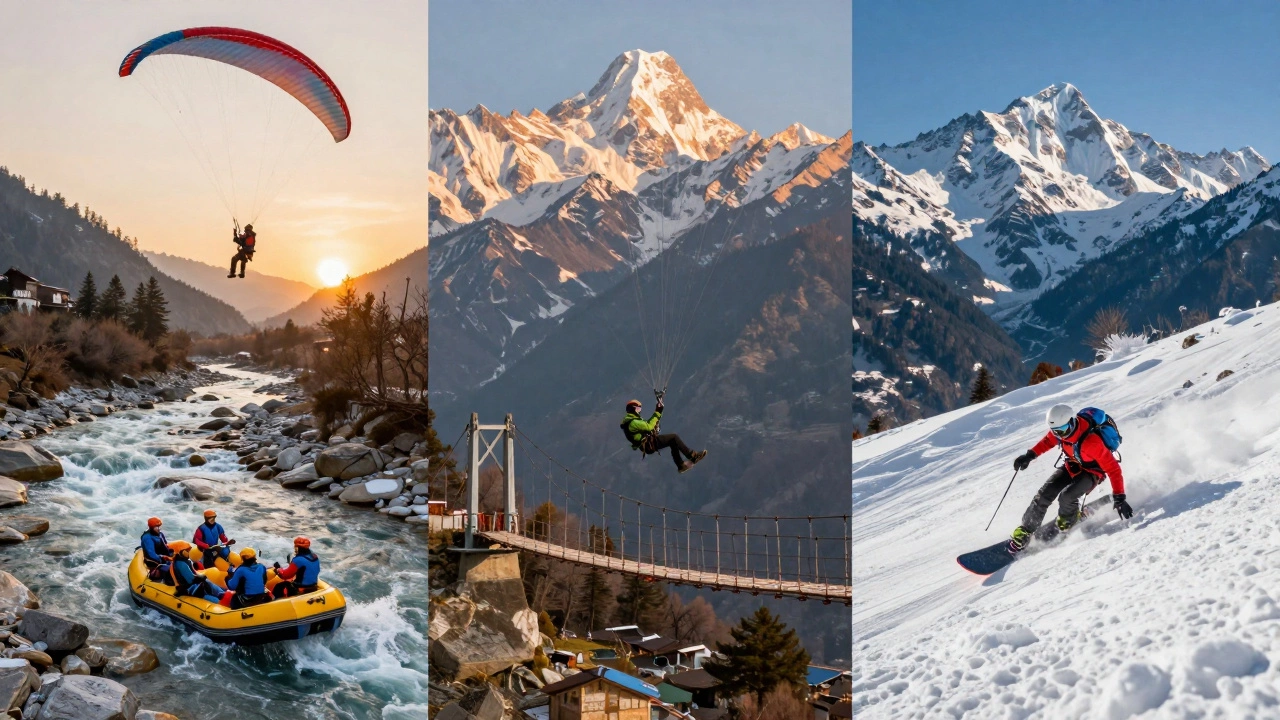
Manali isn’t just about walking uphill. It’s the only place in India where you can paraglide over the Beas River in the morning, raft the Grade IV rapids of the Sutlej by noon, and bungee jump off a bridge at sunset-all in the same day. The adventure scene here is dense and well-organized. Companies like India Outdoors and Mountain Echoes have been running safety-certified expeditions since the early 2000s. They don’t just rent gear-they train you. Most guides are ex-army or ex-forest service, trained in altitude sickness response and emergency evacuation.
Winter turns Manali into a snow sports hub. The Solang Valley ski area has India’s only ski lift, and it’s packed every December through February. Snowboarding, sledding, and ice climbing are all available with certified instructors. Even if you’ve never held skis, you’ll find yourself sliding down a slope before lunch.
When to Go
The window for trekking in Manali is narrow but perfect. April to June is the sweet spot. The snow has melted enough to clear trails, but the monsoon hasn’t started yet. The air is crisp, the views are clear, and the temperature hovers between 10°C and 20°C-ideal for long days on the trail.
July to September is monsoon season. Trails turn to mud, landslides are common, and rivers swell dangerously. Most operators shut down. October to November brings clear skies again, but temperatures drop fast. High-altitude treks become risky after mid-November. December to March is for snow lovers only. If you’re not prepared for -10°C nights and snow-covered paths, stay away.
What You Need to Know Before You Go
Manali is not a place you show up to without planning. Here’s what actually matters:
- Acclimatize - Don’t climb high on day one. Spend at least 24 hours in Manali town before heading up. Altitude sickness is real. Headaches, nausea, dizziness-these aren’t signs of being out of shape. They’re signs your body is struggling.
- Layer up - Even in summer, nights at 3,000 meters freeze. Bring a thermal base layer, a fleece, and a waterproof shell. No exceptions.
- Carry your own water - Bottled water is expensive and plastic-heavy. Use a filter bottle or purification tablets. Streams look clean, but they’re not always safe.
- Book guides in advance - During peak season, the good ones get booked weeks ahead. Don’t wait until you arrive. Use reputable agencies with certified guides.
- Leave no trace - Manali’s beauty is fragile. Plastic bags, food wrappers, and cigarette butts don’t belong here. Carry a small trash bag. Pack out everything you pack in.
Who It’s For-and Who Should Skip It
Manali isn’t for everyone. If you’re looking for a quiet retreat with spa treatments and room service, go to Mussoorie or Nainital. Manali is for people who want to earn their views. If you’ve never hiked more than 5 kilometers in your life, start with Triund. Don’t jump straight into Pin Parvati.
But if you’ve walked 10 kilometers on a weekend, if you’ve camped under stars before, if you’ve ever looked at a mountain and felt a pull-not just awe, but a pull-then Manali is waiting. It’s not the highest peak in India. It’s not the longest trail. But it’s the place where adventure becomes personal.
What Comes After Manali
Once you’ve done the classics here, the Himalayas open up. Many trekkers who start in Manali end up in Ladakh, Zanskar, or even the Arunachal Pradesh borderlands. Manali is the training ground. It’s where you learn how to read the sky, how to move on loose scree, how to sit quietly when the wind screams. It’s where you realize you’re not conquering the mountains-you’re just passing through.
Is Manali really the adventure capital of India?
Yes. While places like Rishikesh and Gangtok have strong adventure scenes, Manali offers the widest variety of activities-trekking, rafting, paragliding, skiing, and high-altitude expeditions-all within a compact region. It’s the only place in India where you can do a 12-day high-altitude trek and still be back in town for a hot shower the same week.
Can beginners do treks in Manali?
Absolutely. Triund and Beas Kund are perfect for first-time trekkers. They’re well-marked, have basic campsites, and don’t require technical gear. Just be ready for cold nights and steep climbs. Most operators offer beginner-friendly packages with gear rental and guides.
Do I need a permit to trek in Manali?
For most treks like Triund or Beas Kund, no permit is needed. But if you’re heading to Hampta Pass, Pin Parvati, or any area near the Tibet border, you’ll need an Inner Line Permit (ILP). These are easy to get from the Deputy Commissioner’s office in Manali with a photo ID and a small fee. Always confirm requirements with your trek operator.
How much does a trek in Manali cost?
A basic 2-day Triund trek with gear and guide costs around ₹3,500-₹5,000 per person. Longer treks like Hampta Pass run ₹15,000-₹25,000, depending on group size and inclusions. Luxury camping and private guides will cost more. Budget travelers can do self-guided treks for under ₹2,000, but only if they’re experienced.
Is Manali safe for solo travelers?
Yes, but with caution. Manali town is safe, and most treks have regular foot traffic. Solo trekkers should avoid high-altitude routes alone, especially in early spring or late autumn. Join a group or hire a guide. Many operators offer solo traveler discounts on group treks.
Final Thought: It’s Not About the Destination
The real reason Manali is called the adventure capital isn’t because of its trails or its altitude. It’s because here, adventure isn’t a hobby. It’s a conversation you have with yourself. Every step uphill asks: Are you still here? Every gust of wind says: Keep going. And when you finally sit on a ridge, looking down at the valley you climbed through, you realize you didn’t just reach a summit-you found something you didn’t know you were missing.
About Author

Popular Posts
What is Goa Famous For? Beyond the Beaches