Top 25 Tourist Places in North India: A Complete Guide
North India Trip Planner
Select your preferences below to find the perfect North Indian destinations for your trip.
You have probably seen the photos. The pink walls of Jaipur glowing at sunset. The snow-capped peaks of Ladakh piercing a blue sky. The intricate marble of the Taj Mahal reflecting in its pool. But seeing them on Instagram is nothing like standing there, feeling the chill air or hearing the call to prayer echo off ancient stone. North India isn't just a region; it's a sensory overload that rewires your brain.
Planning a trip here can feel overwhelming. Do you stick to the famous Golden Triangle? Or do you brave the mountain roads of Himachal and Uttarakhand? Maybe you want the desert vibes of Rajasthan without getting stuck in a tourist trap. This guide cuts through the noise. We are looking at the top 25 spots that actually deliver on their promise, balancing iconic landmarks with hidden gems that locals swear by.
The Unmissable Icons
If you only have one week, these three are non-negotiable. They form the backbone of North India tourism for a reason: they are visually stunning, historically rich, and surprisingly accessible.
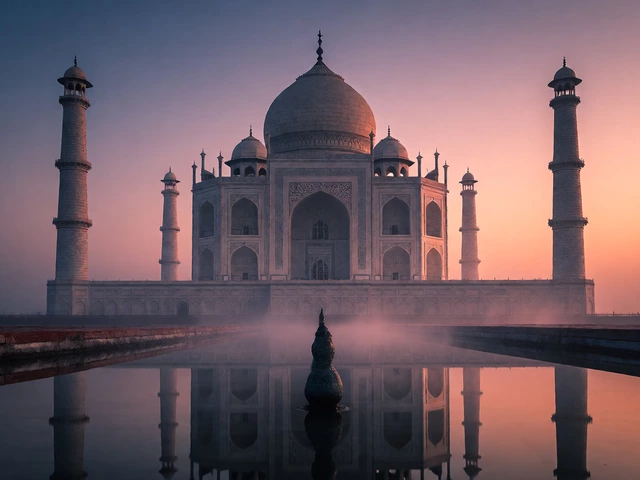
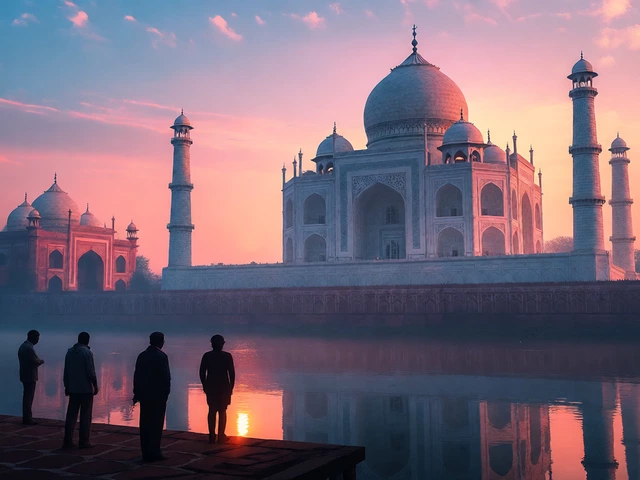
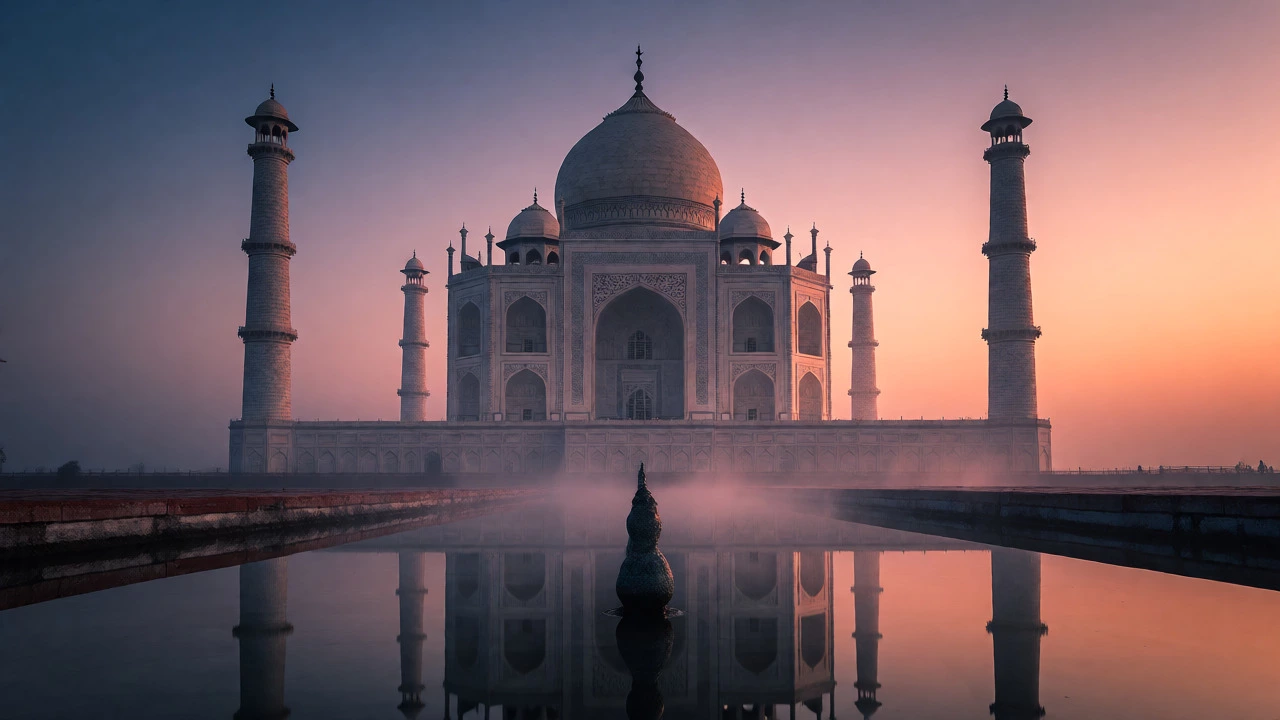
The Taj Mahal in Agra is a white marble mausoleum built by Mughal Emperor Shah Jahan in memory of his wife Mumtaz Mahal. It is not just a building; it is an emotion. Go at sunrise. Not because the light is better (though it is), but because the crowds haven't descended yet. You get that eerie silence where you can actually appreciate the symmetry. Pro tip: Book tickets online via the Archaeological Survey of India portal to skip the massive queue at the main gate.
Next door in Delhi, you have the Red Fort, which served as the Mughal Empire's main residence until 1857. While the interior is mostly empty now, the exterior red sandstone walls against the chaotic street life of Chandni Chowk create a stark contrast that defines Old Delhi. Pair this with a walk through Jama Masjid, one of the largest mosques in India. Climb the minaret for a view that stretches across the entire old city.
Then there is Amber Fort in Jaipur. Unlike many forts that feel like cold ruins, Amber feels alive. The mirror work in the Sheesh Mahal will blind you with brilliance, and the ramparts offer a view down onto Maota Lake that looks straight out of a fantasy novel. Avoid the elephant rides if you care about animal welfare; walking up or taking a jeep is equally scenic and more ethical.
Rajasthan’s Royal Circuit
Rajasthan is where North India gets theatrical. The colors are brighter, the clothes are louder, and the history is steeped in tales of valor and romance. Beyond Jaipur, four cities demand attention.
Udaipur is often called the City of Lakes because of its serene water bodies surrounded by palaces. The City Palace complex overlooks Lake Pichola, and staying in a heritage hotel here costs a premium but is worth every rupee for the balcony views. Take a boat ride at dusk when the lights reflect on the water-it’s romantic without being cheesy.
Jodhpur, the Blue City, earns its name from the indigo-dyed houses clustered around the Mehrangarh Fort. The fort sits on a rocky hill 400 feet above the city. Walking through its courtyards feels like stepping into a museum of Rajput warfare and art. The view from the ramparts over the blue maze below is unforgettable.
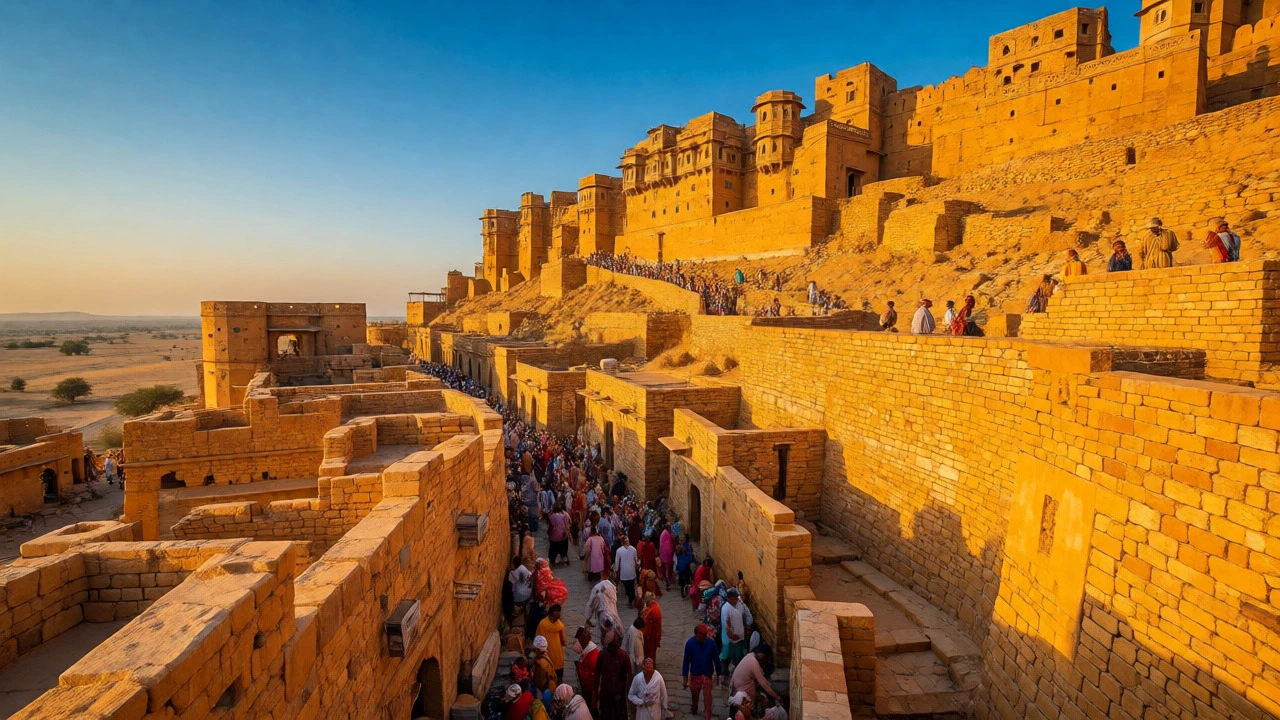
For pure architectural shock, go to Hawa Mahal in Jaipur-yes, we mentioned Jaipur already, but this specific palace facade with its 953 windows was designed so royal women could watch street festivals without being seen. Then head to Jaisalmer, the Golden City. Here, the entire town is built from yellow sandstone. The Jaisalmer Fort is unique because people still live inside it. Wander the narrow lanes, buy some local handicrafts, and take a camel safari into the Thar Desert for a night under the stars.
| Destination | Best For | Ideal Duration | Peak Season |
|---|---|---|---|
| Jaipur | Forts & Shopping | 2-3 Days | Oct-Mar |
| Udaipur | Romance & Lakes | 2 Days | Sep-Mar |
| Jodhpur | History & Views | 1-2 Days | Oct-Feb |
| Jaisalmer | Desert Experience | 2-3 Days | Nov-Feb |
The Mountain Escapes
When the plains get too hot or too crowded, you head north into the mountains. These aren't just pretty backdrops; they are distinct cultural zones with cooler climates and slower paces.
Shimla in Himachal Pradesh remains the classic colonial hill station. The Ridge, a large open plaza, is perfect for evening strolls. But don't stop there. Take the toy train to Kalka or head further to Manali for adventure sports like paragliding and rafting. Manali has become commercialized, sure, but the drive from Shimla to Manali through the pine forests is one of the most beautiful road trips in Asia.
Dharamshala and nearby McLeod Ganj offer a different vibe. As the home of the Dalai Lama, it attracts spiritual seekers and backpackers alike. The Tibetan Museum provides context, but the real draw is the cafe culture and hiking trails to Triund, which offers panoramic views of the Dhauladhar range without requiring mountaineering skills.
In Uttarakhand, Rishikesh is the yoga capital of the world. Yes, it’s busy. But waking up to the sound of Ganga Aarti at Triveni Ghat is a powerful experience. Try bungee jumping if you’re daring, or simply sit by the river and meditate. Nearby, Haridwar is one of the seven holiest cities in Hinduism, and the evening rituals here are intense and authentic.
For something wilder, consider Spiti Valley in Himachal Pradesh. Accessible only via high-altitude passes, Spiti is a cold desert with Buddhist monasteries clinging to cliffs. It’s remote, rugged, and incredibly peaceful. Key stops include Key Monastery and the fossil village of Langza.
Spiritual and Cultural Heartlands
North India is deeply religious, and visiting temples and shrines gives you insight into daily life beyond the tourist brochures.
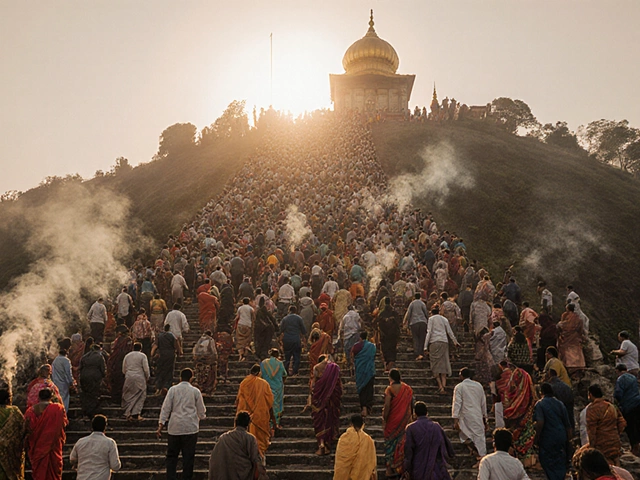
Varanasi is arguably the oldest living city in the world. The ghats along the Ganges are chaotic, smoky, and spiritually charged. Watching the cremation ceremonies at Manikarnika Ghat can be confronting, but it’s part of the cycle of life that Varanasi embraces openly. Take a sunrise boat ride to see the city wake up. It’s messy, loud, and utterly captivating.
Just outside Varanasi lies Sarnath, where Buddha gave his first sermon. The Dhamek Stupa is a solemn reminder of Buddhism’s origins. If you prefer Islamic heritage, Lucknow is the city of Nawabs. The Bara Imambara features a labyrinth (Bhool Bhulaiya) that is fun to navigate, and the food scene-especially the kebabs-is legendary.
Don’t miss Chandigarh, the modernist city designed by Le Corbusier. The Rock Garden, built entirely from recycled materials by Nek Chand, is a surreal masterpiece. It shows how creativity can thrive even in planned urban spaces.
Nature and Wildlife Sanctuaries
Not all tourists want temples and forts. Some want tigers and tea gardens.
Jim Corbett National Park in Uttarakhand is India’s oldest national park. It’s best known for tiger sightings, though leopards and elephants are also common. Booking a safari requires planning months in advance. The Bijrani zone is popular, but Dhikala offers deeper wilderness experiences.
In Punjab, Amritsar is home to the Golden Temple. The Harmandir Sahib glows gold in the sun, and the community kitchen (Langar) serves free meals to up to 100,000 people daily. It’s a humbling display of Sikh principles of equality and service. Stay overnight in Amritsar to fully absorb the atmosphere.
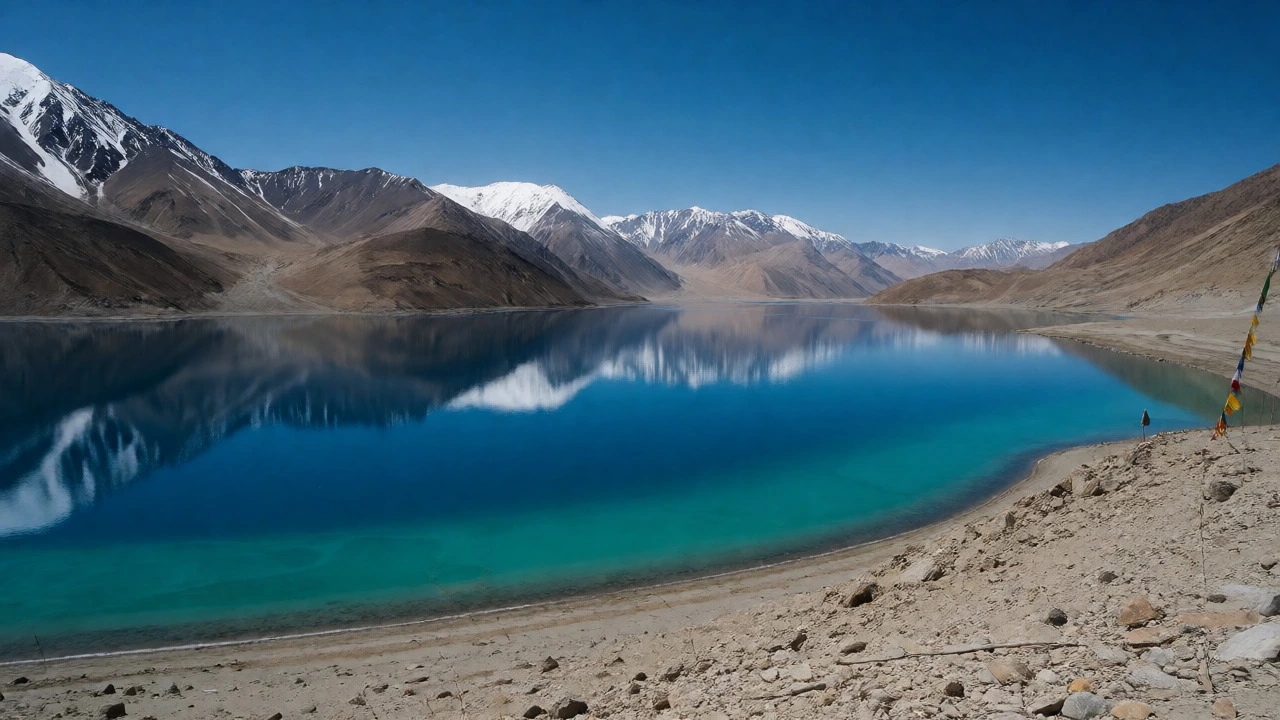
Further west, Ladakh has exploded in popularity. Leh is the gateway, but the real magic is in places like Pangong Lake, whose water changes color throughout the day, and Nubra Valley, where you can ride double-humped camels in the sand dunes. Note: Acclimatization is critical here due to high altitudes.
Hidden Gems Worth the Detour
If you’ve done the big ones, try these lesser-known spots.
- Bishkek Village: In Rajasthan, near Jaisalmer, this abandoned village offers a haunting look at rural life frozen in time.
- Kasol: In Himachal, this hippie-friendly village offers great trekking to Kheerganga and a relaxed vibe compared to Manali.
- Auli: A quiet ski resort in Uttarakhand, perfect for winter sports enthusiasts who want to avoid the crowds of Gulmarg.
- Dalhousie: A quaint British-era hill station in Himachal with fewer tourists than Shimla and lovely pine forests.
- Punjab Border Wagah: The Beating Retreat ceremony between India and Pakistan is a patriotic spectacle that’s surprisingly entertaining.
Practical Tips for Your Trip
Traveling in North India requires some prep. The weather varies wildly. Summers (April-June) are scorching in the plains but pleasant in the hills. Winters (December-February) bring freezing temperatures to the mountains and fog to Delhi and Agra, which can delay trains and flights. The sweet spot for most travelers is October to March.
Transportation options include domestic flights, trains, and private cars. Indian Railways is extensive but booking classes like AC Chair Car fill up fast. Use IRCTC for bookings. For flexibility, hiring a driver with a car is often cheaper than you think and saves hours of negotiation with auto-rickshaw drivers.
What is the best time to visit North India?
The ideal window is from October to March. During these months, the weather is cool and dry in the plains (Delhi, Agra, Jaipur), making sightseeing comfortable. If you plan to visit high-altitude areas like Ladakh or Spiti, June to September is the only viable time due to snow clearing the roads.
Is North India safe for solo female travelers?
Yes, generally speaking, major tourist hubs like Jaipur, Udaipur, and Rishikesh are quite safe. However, standard precautions apply: avoid isolated areas at night, dress modestly to respect local customs, and use reputable transport apps like Uber or Ola instead of hailing random cabs. Locals are often very protective and helpful towards women traveling alone.
How many days do I need for a comprehensive North India tour?
To cover the Golden Triangle (Delhi, Agra, Jaipur) comfortably, you need at least 7-10 days. Adding Rajasthan’s other cities (Jodhpur, Udaipur) extends this to 14 days. If you want to include the Himalayas (Manali, Shimla, or Ladakh), aim for 21 days minimum to account for travel times and acclimatization.
Do I need vaccinations before visiting North India?
Consult your doctor, but routine vaccines should be up to date. Hepatitis A and Typhoid shots are highly recommended due to potential food and water contamination issues. Malaria prophylaxis might be suggested for certain regions during monsoon season, though North India’s arid zones pose lower risk than tropical South India.
What is the budget expectation for traveling in North India?
You can travel on a shoestring ($25-$40/day) using hostels and local trains. Mid-range comfort ($60-$100/day) gets you private rooms in heritage hotels and private car transfers. Luxury travel ($150+/day) opens up palaces-turned-hotels and private guides. Food is cheap and delicious everywhere, costing $2-$5 per meal.

About Author

Popular Posts