Why Is Kedarnath Not in the Char Dham?
Char Dham Tour Planner
Understanding the Char Dham
The Char Dham refers to four sacred Hindu pilgrimage sites. There are two main versions:
Original Pan-Indian Char Dham
Established by Adi Shankaracharya in the 8th century. Includes:
- Puri (Jagannath)
- Dwarka (Krishna)
- Rameswaram (Shiva)
- Ayodhya (Rama)
Uttarakhand Char Dham
The modern pilgrimage circuit in the Himalayas. Includes:
- Yamunotri (source of Yamuna River)
- Gangotri (source of Ganges River)
- Kedarnath (Shiva Temple)
- Badrinath (Vishnu Temple)
Tour Options
Best Time to Visit
Temple opens in April and closes in November each year. Consider weather conditions:
Your Personalized Plan
Many pilgrims and travelers hear about the Char Dham - the four sacred Hindu sites in Uttarakhand - and assume Kedarnath is one of them. But then they notice something strange: Kedarnath isn’t listed in the official Char Dham circuit. If it’s one of the most important Shiva temples in India, why isn’t it included? The answer isn’t about importance, power, or devotion. It’s about history, geography, and how the pilgrimage evolved over centuries.
What Is the Char Dham?
The Char Dham, meaning "four abodes," refers to four holy shrines in the Indian Himalayas: Yamunotri, Gangotri, Kedarnath, and Badrinath. Wait - didn’t we just say Kedarnath isn’t in the Char Dham? That’s the confusion. It is.
Here’s the catch: Kedarnath is part of the Char Dham. It’s always been part of it. The misunderstanding comes from how people misremember or misstate the list. Some think the Char Dham includes only three sites - or they confuse it with the older Panch Kedar or the newer Chota Char Dham. But officially, the Char Dham pilgrimage in Uttarakhand includes all four: Yamunotri (source of the Yamuna River), Gangotri (source of the Ganges), Kedarnath (Shiva’s temple), and Badrinath (Vishnu’s temple).
So if Kedarnath is in the Char Dham, why do people ask this question? Because they’ve heard conflicting versions. Some tour operators, blogs, or even local guides mix up terms. Others confuse the Char Dham with the Chota Char Dham - a modern branding term that emerged in the 1990s to promote tourism. The Chota Char Dham is just another name for the same four sites. There’s no difference.
Where Did the Confusion Come From?
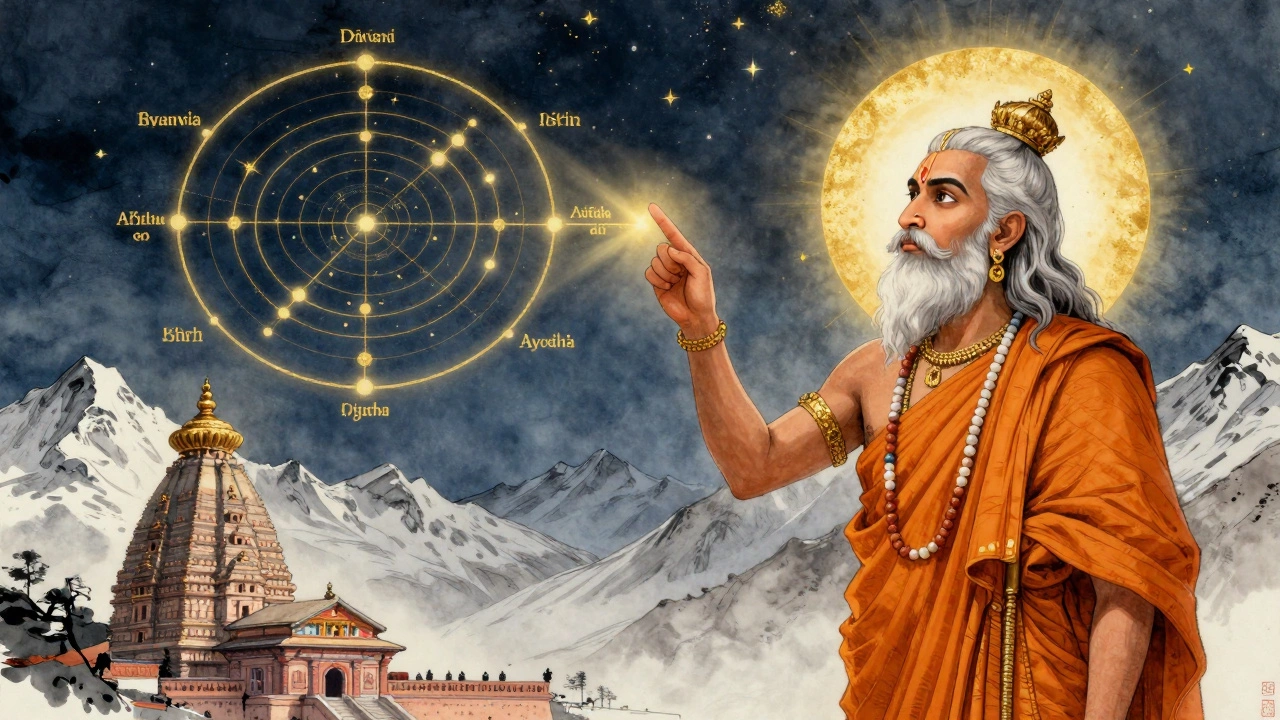
The confusion started with the word "Dham." In Hindu tradition, "Dham" means a sacred seat or abode. There are many Dhams across India: Puri (Jagannath), Dwarka (Krishna), Rameswaram (Shiva), and Ayodhya (Rama). These four form the original Char Dham, established by Adi Shankaracharya in the 8th century. That’s the ancient, pan-Indian Char Dham - not the Himalayan one.
When Shankaracharya traveled across India, he set up four mathas (monastic centers) in the four corners of the country. Each was linked to one of the original Char Dham sites. That’s why you’ll find many Hindu texts listing Puri, Dwarka, Rameswaram, and Badrinath as the four Dhams - and Kedarnath isn’t there.
But in Uttarakhand, the local pilgrimage tradition developed differently. In the 18th and 19th centuries, pilgrims began combining visits to Yamunotri, Gangotri, Kedarnath, and Badrinath into a single journey. This became known as the "Uttarakhand Char Dham." It’s a regional version, not the original. Over time, tourism boards, government campaigns, and travel websites started calling it "the Char Dham," assuming everyone knew the context.
So now you have two Char Dhams:
- The original (pan-Indian): Puri, Dwarka, Rameswaram, Ayodhya
- The Uttarakhand version: Yamunotri, Gangotri, Kedarnath, Badrinath
When someone says "Kedarnath isn’t in the Char Dham," they’re usually thinking of the original four. But in the context of North Indian pilgrimage, Kedarnath is not just in the Char Dham - it’s one of the most critical stops.
Why Is Kedarnath So Important?
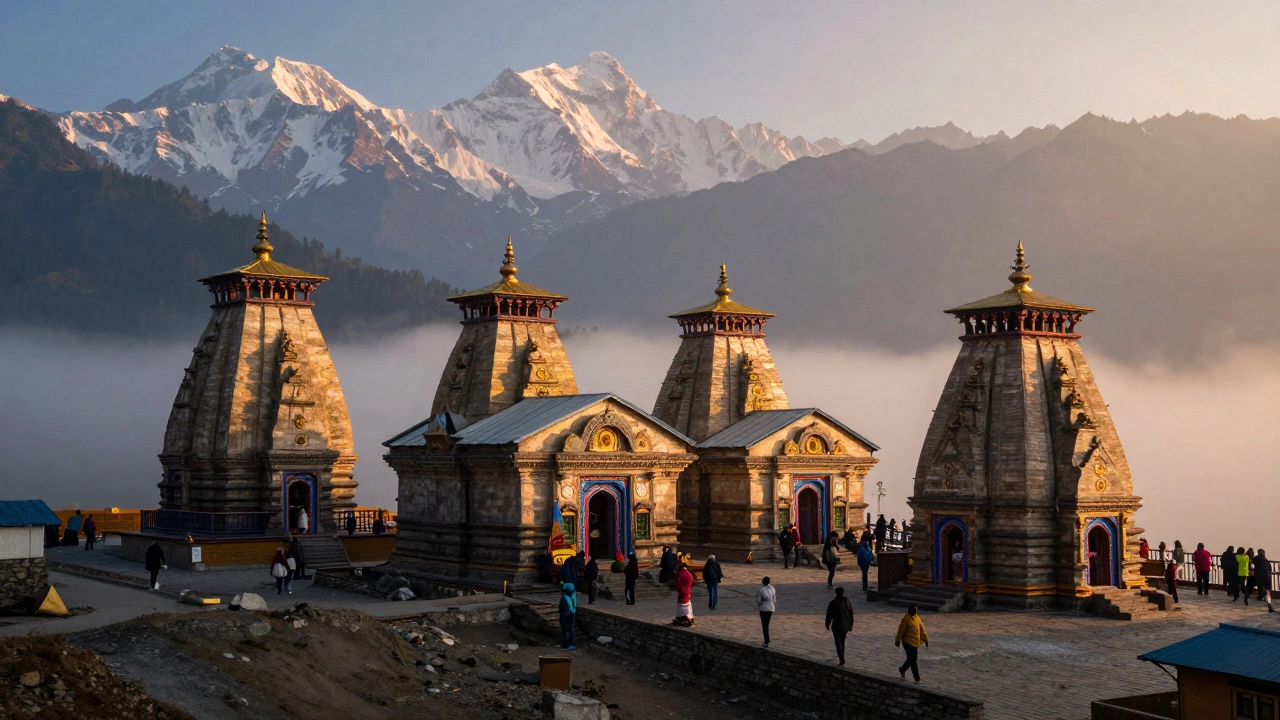
Kedarnath Temple sits at 3,583 meters above sea level, nestled in the Himalayas near the Mandakini River. It’s one of the 12 Jyotirlingas - the most sacred Shiva shrines in Hinduism. According to legend, after the Mahabharata war, the Pandavas sought forgiveness from Shiva for killing their kin. Shiva avoided them by turning into a bull and hiding underground. Only his hump remained visible - that’s the lingam worshipped at Kedarnath.
The temple is over 1,200 years old. Its stone structure has survived earthquakes, avalanches, and monsoons. In 2013, when catastrophic floods swept through Uttarakhand, the temple survived while nearby towns were wiped out. Pilgrims say it was protected by divine will. The temple remains open only from April to November due to heavy snowfall. In winter, the deity is moved to Ukhimath for worship.
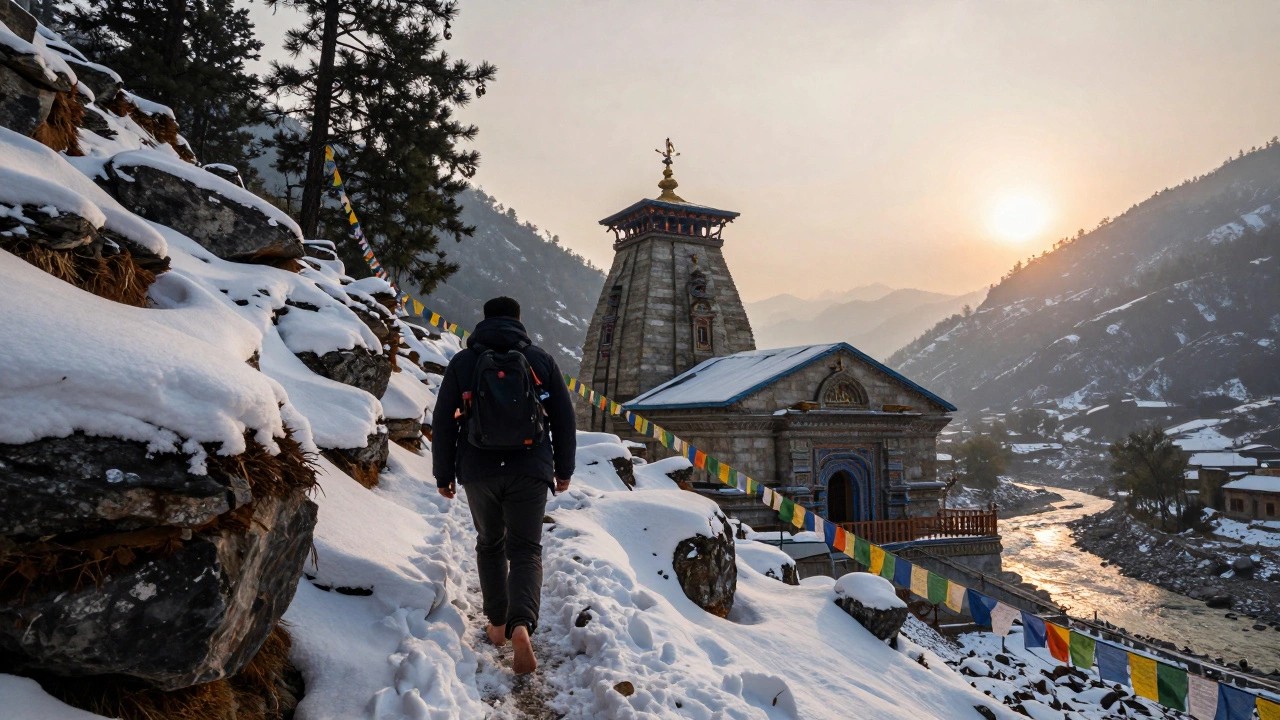
It’s not just a temple - it’s a symbol of endurance. Pilgrims walk 16 kilometers from Gaurikund to reach it. Many do it barefoot. The journey is seen as penance, devotion, and purification. More than 1.5 million people visit Kedarnath each year. That’s more than the combined footfall of the other three sites in the Uttarakhand Char Dham.
Why Do People Think It’s Missing?
Several factors fuel this myth:
- Language confusion: In Hindi, "Char Dham" often refers to the original four. In tourist brochures, it refers to the Himalayan four. No one clarifies the difference.
- Travel guides: Many blogs write "Kedarnath is the fourth Dham" without naming the other three. Readers assume the "fourth" means it’s extra.
- Historical shifts: Before 1950, the pilgrimage was less formalized. Some families visited only Badrinath and Kedarnath. Others added Gangotri. The current four-site circuit became standard only after the 1970s.
- Marketing: Some tour operators promote "3-Dham tours" to reduce travel time. They skip Yamunotri, calling it "less important." This creates the illusion that Kedarnath is being left out.
The truth is simple: Kedarnath has always been one of the four. If you take a government-approved Char Dham Yatra package from Haridwar or Rishikesh, Kedarnath is in it - no exceptions.
What About Other Sacred Sites?
Uttarakhand has many other holy places. Panch Kedar - five Shiva temples including Kedarnath, Tungnath, Rudranath, Madhyamaheshwar, and Kalpeshwar - is another pilgrimage route. Some pilgrims complete both Char Dham and Panch Kedar. But that doesn’t mean Kedarnath is outside the Char Dham. It’s the anchor of both.
Similarly, the Panch Prayag - five river confluences along the Alaknanda - are spiritually significant. But again, they’re separate from the Char Dham. The Char Dham is about four specific temples, not rivers or peaks.
The key is to understand context. If someone says "the Char Dham," ask: "Which one?" In South India, they mean Puri-Dwarka-Rameswaram-Ayodhya. In North India, they mean Yamunotri-Gangotri-Kedarnath-Badrinath. Both are valid. Both are ancient. Neither erases the other.
What Should You Do?
If you’re planning a pilgrimage, don’t get stuck on the name. The real question isn’t whether Kedarnath belongs - it’s whether you’re ready for the journey.
The Char Dham Yatra is physically demanding. The altitude, narrow roads, and weather make it risky for unprepared travelers. Many people try to rush it in five days. That’s not enough. A proper trip takes 10-12 days. You need time to acclimatize, rest, and worship properly.
Here’s what works:
- Start from Haridwar or Rishikesh
- Visit Yamunotri first (easiest altitude)
- Then Gangotri
- Then Kedarnath (hardest climb)
- End with Badrinath
Book your helicopter ride in advance if you can’t walk the Kedarnath trail. The government runs regulated services. Avoid unlicensed operators. Many have had accidents.
Don’t let confusion about names stop you. Kedarnath is not missing from the Char Dham. It’s the heart of it.
Is Kedarnath really part of the Char Dham?
Yes, Kedarnath is one of the four sites in the Uttarakhand Char Dham, along with Yamunotri, Gangotri, and Badrinath. The confusion comes from mixing it up with the original pan-Indian Char Dham (Puri, Dwarka, Rameswaram, Ayodhya), which is a different set of four sites.
Why do some people say Kedarnath isn’t in the Char Dham?
Some people confuse the original Char Dham with the Himalayan version. Others hear tour operators skip one site to shorten the trip, or read outdated blogs. In reality, Kedarnath has always been included in the official Uttarakhand Char Dham circuit since the 1970s.
Can I visit Kedarnath without doing the full Char Dham?
Absolutely. Many pilgrims visit Kedarnath alone, especially if they’re focused on Shiva worship. The temple is accessible via helicopter from Gaurikund, and you can complete the visit in one day if you’re short on time. But doing the full Char Dham is considered more spiritually complete.
When is the best time to visit Kedarnath?
The temple is open from late April to November, depending on snowfall. May and June are ideal - the weather is mild, the trails are clear, and the crowds are manageable. July to September brings monsoon rains and landslide risks. October is quieter, with cooler temperatures.
Is the Char Dham Yatra safe for older travelers?
It can be, but only with preparation. The altitude at Kedarnath is over 3,500 meters. People with heart or breathing conditions should consult a doctor. Many elderly pilgrims use helicopters to reach Kedarnath and Badrinath. Government-run yatra packages include medical aid posts along the route.
About Author

Popular Posts