What is Goa Famous For? Beyond the Beaches
Goan Cuisine Explorer
Discover what makes Goan cuisine unique. Select your preferred vibe or ingredient to find your next must-try dish.
You’ve probably seen the Instagram reels: golden sands, swaying palms, and cocktails that cost less than your morning coffee back home. But if you think Goa is just a party hub with pretty sunsets, you’re missing half the story. It’s a place where 450 years of Portuguese rule left an indelible mark on architecture, food, and soul.
People ask me all the time, "Is it worth going to Goa twice?" The answer is yes, but only if you look past the surface. This tiny state on India’s west coast packs more cultural density per square kilometer than most countries. From the sizzling aroma of Prawn Balchão in a nondescript shack to the silent grandeur of baroque churches, Goa offers a sensory overload that sticks with you long after the sand washes off your feet.
The Portuguese Legacy That Defines Goa
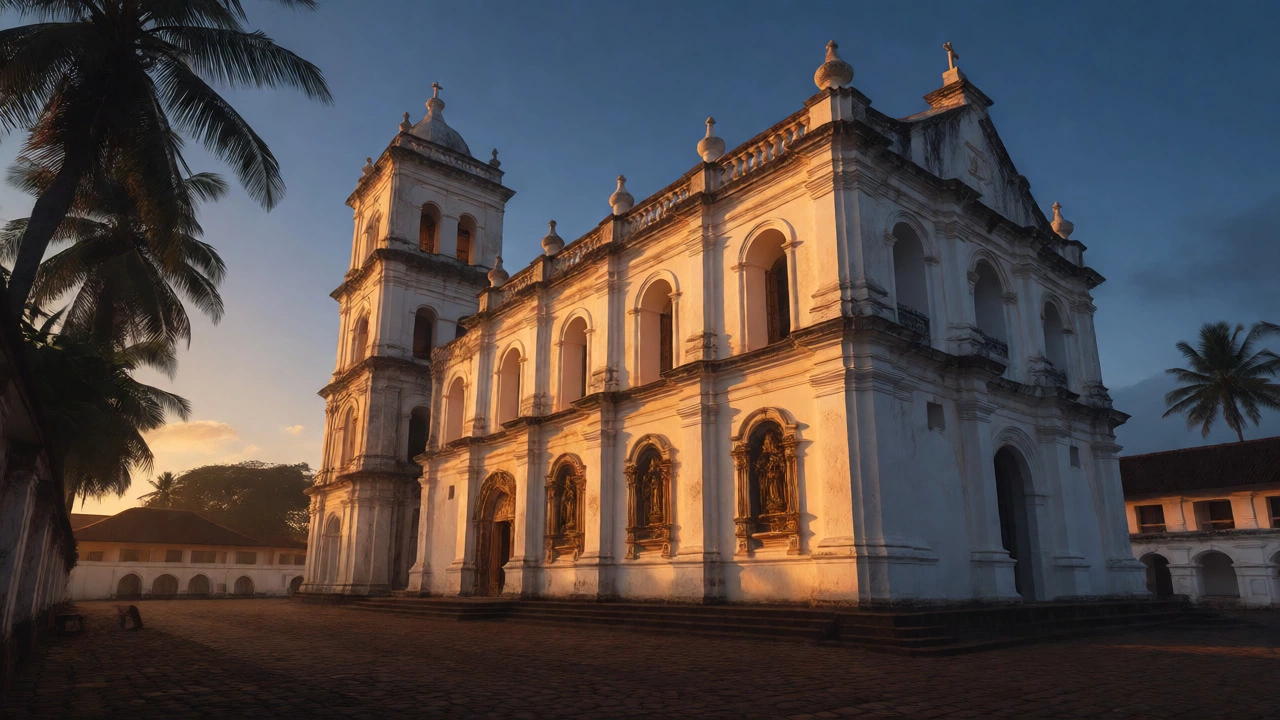
You can’t talk about what makes Goa famous without talking about its colonial past. While the rest of India was under British rule, Goa remained a Portuguese territory until 1961. This historical divergence created a unique cultural hybrid that you won’t find anywhere else in Asia.
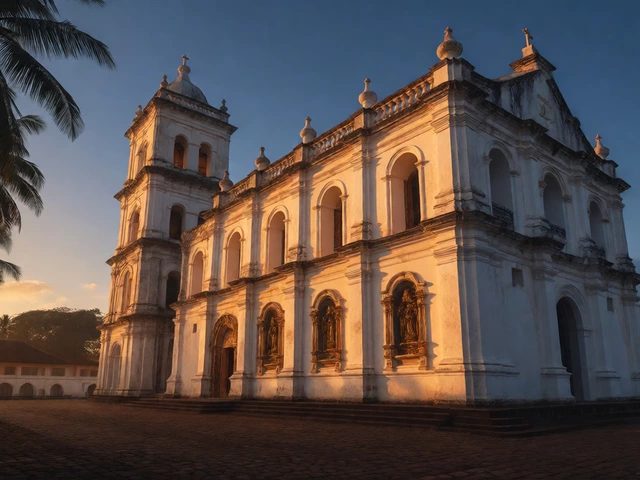
Walk through Old Goa, a UNESCO World Heritage Site, and you’ll see why. The Basilica of Bom Jesus isn’t just a church; it’s a repository of history holding the mortal remains of St. Francis Xavier. The architecture here is distinct-think laterite stone walls, white lime plaster, and ornate gold altars that clash beautifully with the tropical humidity outside.
But it’s not just about the big monuments. Look at the houses in villages like Fontainhas in Panjim. These are Indo-Portuguese homes with sloping red-tiled roofs, large windows, and vibrant facades painted in yellows, blues, and pinks. They aren’t museums; people live there. You’ll hear radio playing Konkani songs while laundry dries on balconies that have stood for centuries. This living heritage is what gives Goa its soul.
A Culinary Identity Built on Spice and Vinegar
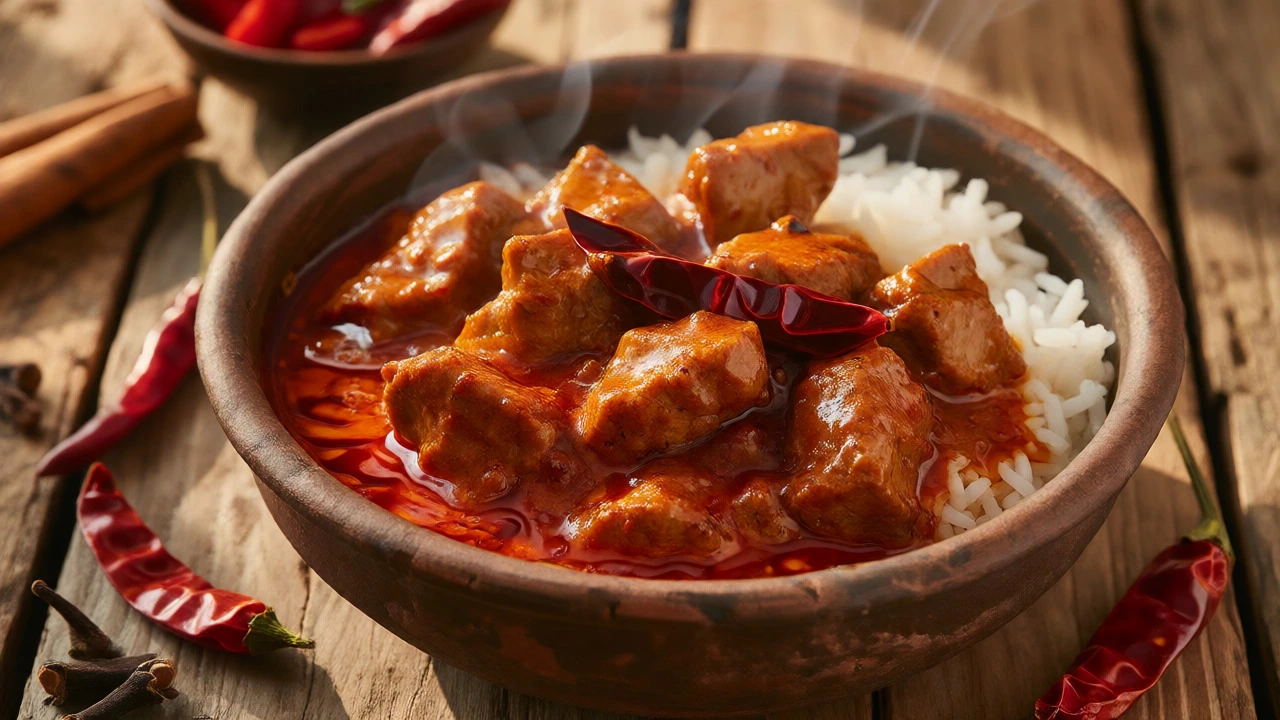
If you leave Goa without eating a proper meal, did you even go? Goan cuisine is arguably the state’s biggest claim to fame. Unlike the creamy gravies of North India or the rice-heavy staples of the South, Goan food relies heavily on coconut, vinegar, dried red chilies, and pork.
The undisputed king of this table is Vindaloo. But forget the spicy curry you get in London or New York. Authentic Goan Vindaloo (or Vindalho) comes from the Portuguese dish *carne de vinha d’alhos* (meat marinated in wine and garlic). Over centuries, local cooks swapped wine for palm vinegar and added Kashmiri chilies for color and heat. The result is a tangy, fiery, deeply savory pork curry that demands to be eaten with steaming white rice.
Then there’s the seafood. Being a coastal state, fresh catch is non-negotiable. Xacuti is another must-try-a complex curry made with roasted spices, coconut, and poppy seeds, usually served with chicken or lamb. And you cannot ignore Feni, the state’s protected geographical indication liquor. Made either from cashew apples or coconut sap, Feni has a pungent smell that divides opinions but unites locals in celebration. It’s potent, rustic, and utterly authentic.
| Dish Name | Main Ingredient | Cultural Origin | Flavor Profile |
|---|---|---|---|
| Vindaloo | Pork, Vinegar, Garlic | Portuguese-Indian Fusion | Tangy, Spicy, Savory |
| Bebinca | Egg Yolks, Coconut Milk | Portuguese Dessert | Sweet, Rich, Layered |
| Xacuti | Chicken/Mutton, Roasted Spices | Local Indian | Nutty, Aromatic, Mild Heat |
| Feni | Cashew Apples or Coconut Sap | Indigenous Distillation | Pungent, Potent, Earthy |
Two Coasts, Two Different Vibes
One of the biggest mistakes first-time visitors make is treating Goa as a single entity. It’s actually two distinct regions separated by the Mandovi River, each catering to different traveler types.
North Goa is where the energy lives. If you want parties, water sports, and bustling markets, this is your zone. Baga and Calangute are notorious for their nightlife and crowded beaches. It’s loud, chaotic, and fun. You’ll find shacks serving cold beer on the sand and DJs spinning tracks until sunrise. It’s not for everyone, but it’s undeniably iconic.
On the other side of the river lies South Goa. Think Palolem and Agonda. Here, the vibe shifts dramatically. The beaches are wider, cleaner, and quieter. You won’t find thumping bass; instead, you’ll hear the crash of waves and the rustle of casuarina trees. South Goa is perfect for honeymooners or anyone seeking solitude. The resorts here tend to be larger and more luxurious, focusing on wellness and relaxation rather than hedonism.
Wildlife and Nature Beyond the Sand
Most tourists stick to the coastline, but Goa’s interior holds secrets that nature lovers crave. The Western Ghats run parallel to the coast, creating lush biodiversity hotspots. Bhagwan Mahavir Wildlife Sanctuary is one of the largest in the state, home to leopards, bison, and over 200 bird species.
For something more accessible, visit Netravali Conservation Area. It’s a haven for butterflies and rare orchids. During the monsoon season (June to September), the landscape turns emerald green, and waterfalls like Dudhsagar come alive. Yes, Dudhsagar technically straddles the border with Karnataka, but it’s easily accessible from Goa and is often associated with Goan travel itineraries. Watching that massive cascade of white water plunge into the jungle is a reminder that Goa is more than just a beach resort.
Festivals That Light Up the Soul
Timing your trip around festivals can elevate your experience from good to unforgettable. Because of its Catholic majority, Christmas in Goa is spectacular. The streets of Panjim and Margao glow with lights, and midnight masses are attended by thousands. It’s a festive atmosphere that blends religious devotion with community joy.
But don’t overlook Hindu festivals. Shigmo is Goa’s version of Holi, celebrated with elaborate floats, folk dances, and drumming. It’s raw, energetic, and deeply traditional. Then there’s the Sunburn Festival in December, which draws electronic dance music fans from across the globe. It’s commercial, sure, but it showcases Goa’s ability to host world-class events.

The Art of Susegad
If there’s one word that defines the Goan mindset, it’s Susegad. Borrowed from the Portuguese word sossego (meaning peace or quietness), it describes a relaxed, laid-back attitude toward life. It’s not laziness; it’s a deliberate choice to prioritize comfort and enjoyment over hustle.
You’ll see this everywhere. Shops might open late. Buses might wait for passengers who are still finishing their tea. Traffic moves at a leisurely pace. As a visitor, adopting a bit of Susegad is crucial. Rushing around trying to tick off every checklist item will frustrate you. Instead, sit on a beach chair, watch the tide change, and let the day unfold. That acceptance of time is what makes Goa feel therapeutic.
Practical Tips for Your Visit
Before you book your flight, keep these realities in mind. Goa gets incredibly hot between March and May. If you hate sweating, aim for November to February when the weather is dry and pleasant. Avoid the peak summer months unless you plan to spend all day in an air-conditioned hotel.
Transportation is another key factor. Renting a scooter is the classic Goan experience, but it requires confidence. Roads can be narrow, and traffic rules are... suggestions. If you’re nervous, hire a taxi or use app-based cabs. Just remember that auto-rickshaws rarely use meters; always negotiate the fare before getting in.
Finally, respect the local culture. While bikinis are common on tourist beaches, covering up when visiting churches or walking through villages shows respect. Also, plastic bans are strictly enforced in many areas, so carry a reusable bag. Small efforts go a long way in keeping this paradise clean.
Is Goa safe for solo female travelers?
Yes, generally speaking, Goa is considered one of the safer states in India for solo female travelers. Locals are accustomed to tourists, and the infrastructure supports independent travel well. However, standard precautions apply: avoid isolated beaches at night, use reputable transport apps, and stay aware of your surroundings in crowded party areas.
When is the best time to visit Goa?
The ideal window is from November to February. During these months, the weather is cool and dry, making it perfect for beach activities and sightseeing. Prices are higher during this peak season, especially around Christmas and New Year. Monsoon season (June to September) offers lush greenery and lower prices but involves heavy rains and potential beach closures.
Do I need a visa to visit Goa?
Since Goa is part of India, international travelers need an Indian visa. Many nationalities are eligible for an e-Visa, which can be applied for online prior to arrival. Domestic travelers within India do not require a visa. Always check the latest government regulations as policies can change.
What is the currency used in Goa?
The official currency is the Indian Rupee (INR). While major hotels and upscale restaurants accept credit cards, smaller shacks, markets, and auto-rickshaws prefer cash. ATMs are widely available in towns like Panjim, Mapusa, and near popular beaches, but it’s wise to carry small denominations for daily expenses.
Is alcohol cheap in Goa?
Yes, compared to other Indian states, alcohol taxes in Goa are significantly lower. Beer, wine, and spirits are much cheaper here. Local Feni is particularly affordable. However, prices in tourist-heavy beach shacks may be marked up compared to local liquor stores or supermarkets.
About Author

Popular Posts

What is Goa Famous For? Beyond the Beaches