Best Time to Visit Goa: Month-by-Month Guide for 2026
Goa Trip Planner
Select what matters most to you, and we'll recommend the perfect month for your trip.
You booked flights. You packed your swimwear. But did you check the calendar? Visiting Goa is less about picking a week and more about understanding its three distinct personalities. One month it’s a party capital with $5 cocktails; the next, it’s a misty, green retreat where the sea turns rough and dangerous. Picking the wrong dates can mean spending half your trip indoors watching rain hit the window or paying triple for a hotel room during peak season.
Most travelers assume winter is always best. It’s not. If you hate crowds and humidity, November might be too warm. If you want water sports, December seas might be too choppy depending on your skill level. This guide breaks down exactly when to go based on what you actually want to do, not just what looks good on Instagram.
The Short Answer: When Should You Go?
| Season | Months | Weather | Crowds | Best For |
|---|---|---|---|---|
| Peak Winter | Dec - Feb | Dry, 24°C-32°C | Very High | Partying, Beaches, Events |
| Shoulder Summer | Mar - May | Hot, Humid, 30°C-35°C+ | Moderate | Budget Travel, Water Sports |
| Monsoon | Jun - Sep | Rainy, Lush, Stormy | Low | Nature, Ayurveda, Solitude |
| Pre-Winter | Oct - Nov | Clearing, Pleasant | Low to Med | Value, Photography, Hiking |
Winter (December to February): The Party Peak
If you’re chasing energy, this is it. North Goa transforms into a global playground. The weather is perfect-dry air, gentle breezes, and temperatures hovering between 24°C and 32°C. No sweat, no sticky skin, just clear skies.
But here’s the catch: prices skyrocket. A budget guesthouse in Anjuna that costs ₹1,500 in October jumps to ₹8,000+ by late December. Why? Because of two massive events. First, Christmas and New Year bring international tourists who treat Goa like their backyard. Second, the Sunburn Festival and other EDM events draw thousands of clubbers.
- Pros: Ideal beach weather, vibrant nightlife, all shacks open, water sports fully operational.
- Cons: Traffic jams are real (especially between Calangute and Baga), hotels book out months in advance, noise levels are high.
Pro tip: If you must go in January, aim for the second half. The post-New Year crash means fewer tourists, lower prices, and still-perfect weather. Avoid the first week of January unless you love chaos.
Summer (March to May): Hot, Cheap, and Quiet
Let’s be honest: March to May is hot. We’re talking 35°C+ with high humidity. The sun hits hard around noon. Many people skip this period, thinking it’s unbearable. They’re wrong-if you adjust your schedule.
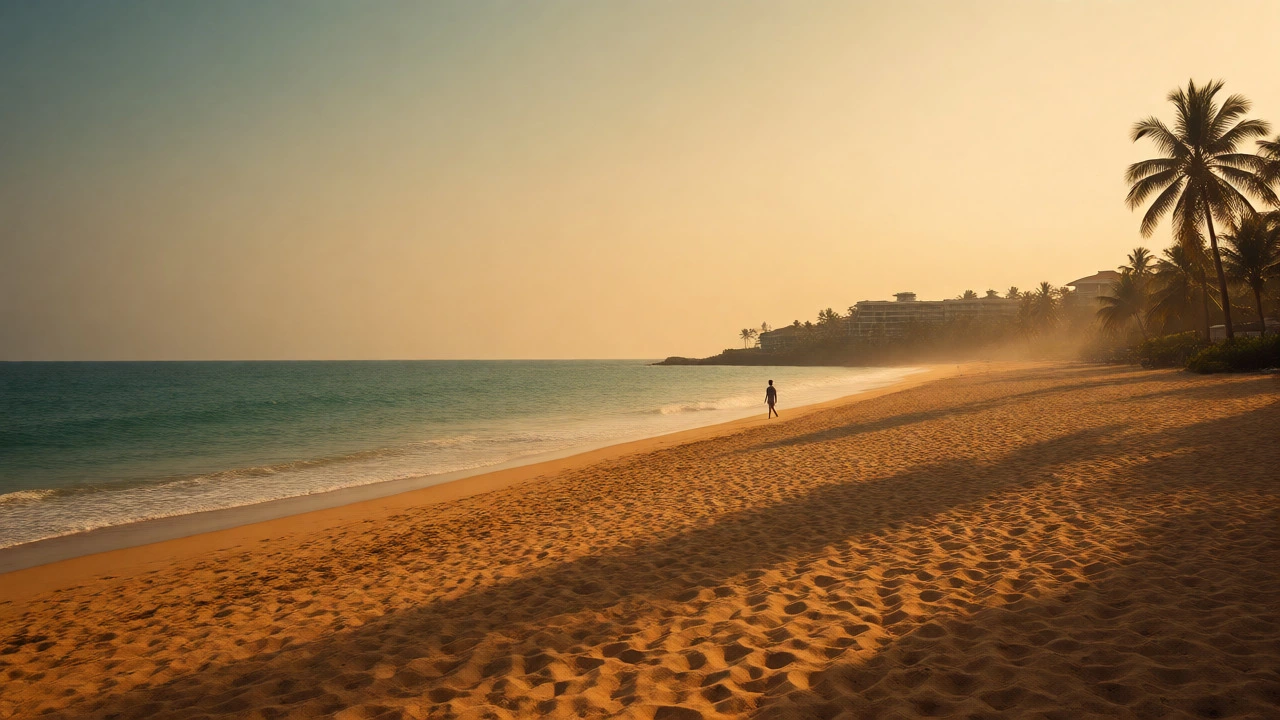
This is the sweet spot for budget travelers. Hotel rates drop by 40-60%. You can stay in a luxury resort in South Goa for the price of a mid-range hotel in winter. The beaches are empty. You’ll have Palolem or Agonda almost to yourself in the early mornings.
How do you handle the heat? Shift your day. Wake up at 6 AM for a sunrise swim. Do indoor activities (museums, spa visits, naps) from 11 AM to 4 PM. Head out again after 5 PM when the temperature drops and the light turns golden. Water sports operators often offer discounts because they need business. Try scuba diving at Grand Island-the visibility is excellent, and you won’t wait in line.
Monsoon (June to September): The Green Secret
Here’s where most advice gets lazy. “Don’t go in monsoon,” they say. But if you’ve never seen Goa in June, you haven’t seen Goa. The landscape explodes in green. Rice paddies fill the fields. Rivers swell. The air smells wet and earthy.
Yes, it rains. Often heavily. Yes, the sea is rough. Swimming is usually banned due to strong currents and rip tides. Most beach shacks close. Many hotels shut down for maintenance.
So why go? Three reasons:
- Ayurveda: Monsoon is considered the best time for Ayurvedic treatments in India. The pores are open, making absorption better. Resorts in Assagao and Siolim offer specialized packages.
- Solitude: You’ll likely be the only tourist at major forts like Chapora or Reis Magos.
- Waterfalls: Dudhsagar Falls is at its peak power. It’s a thundering wall of white water that’s worth the drive alone.
Warning: Check ferry schedules. Boat trips to islands often cancel. Rent a car instead of a bike-roads get slippery, and puddles hide potholes.
Shoulder Seasons (October & November): The Hidden Gems
These two months are arguably the best value-for-money periods. By October, the heavy rains stop. The sky clears. The vegetation stays lush but isn’t drowning. Temperatures drop back to comfortable 28°C-30°C levels.
Why don’t more people know this? Marketing. Tourists are conditioned to think “winter = good.” But October and November offer 90% of winter’s benefits with 30% of the cost and zero traffic jams. Shacks start reopening in late October. By November, everything is running smoothly.
Photographers love this time. The light is softer than in December. Clouds add drama to shots without blocking the sun entirely. If you’re planning a wedding or honeymoon, November beats December any day for ambiance and budget.

North Goa vs. South Goa: Does Timing Matter?
Not really for weather-it’s the same across the state. But your experience differs wildly based on location and timing.
| Feature | North Goa | South Goa |
|---|---|---|
| Peak Season Impact | Extreme crowding, traffic gridlock | Quiet, even in Dec-Feb |
| Best Time to Visit | Nov-Mar (if you like parties) | Year-round (except Jun-Aug closures) |
| Vibe | Hippie markets, clubs, hostels | Luxury resorts, quiet beaches |
| Monsoon Experience | Many shops close, muddy roads | Resorts stay open, lush gardens |
If you’re visiting in December and want peace, skip North Goa entirely. Stay in Colva, Benaulim, or Majorda. You’ll still get great food and beaches without the frenzy. Conversely, if you go in July, South Goa is safer and cleaner, as many northern areas suffer from poor drainage and garbage accumulation during heavy rains.
Practical Tips for Your Trip
No matter when you go, keep these rules in mind:
- Book Early for Winter: Flights and hotels spike in August/September for December bookings. Set alerts.
- Check Ferry Schedules: In monsoon, ferries across the Mandovi River may suspend operations. Have backup plans.
- Carry Cash: While UPI works everywhere, remote beaches or monsoon-closed areas may have spotty connectivity.
- Respect Local Customs: Even in tourist hubs, wearing bikinis off-beach can draw stares. Cover up in towns.
Ultimately, there’s no single “best” time. There’s only the best time for *you*. Want parties? Go in January. Want silence and savings? Go in April. Want nature and romance? Go in November. Match your goals to the season, and you’ll have an unforgettable trip.
Is it safe to swim in Goa during monsoon?
Generally, no. During June to September, the sea has strong currents and rip tides. Most beaches display red flags prohibiting swimming. Always obey local warnings and lifeguard instructions.
Which month is cheapest for visiting Goa?
May and June typically offer the lowest hotel rates. However, June marks the start of the monsoon, so many facilities close. May is hot but offers the best balance of low prices and operational services.
Can I do water sports in Goa year-round?
No. Water sports like parasailing and jet skiing operate mainly from October to May. They are suspended during the monsoon (June-September) due to rough seas and safety concerns.
Is Goa crowded in November?
November sees increasing crowds as the season begins, but it is significantly less crowded than December and January. Prices are also moderate compared to peak winter.
What should I pack for a monsoon trip to Goa?
Pack quick-dry clothes, waterproof shoes or sandals, a sturdy umbrella, insect repellent, and a waterproof bag for electronics. The humidity is high, so breathable fabrics are essential.


About Author

Popular Posts