
Is Train Travel Good for Seniors? The Ultimate Guide to Luxury Rail Journeys
Luxury Train Suitability Checker
Train Profile Configuration
Select the features available on the train you are considering. Based on the article's guidelines for senior-friendly travel, we will calculate its suitability score.
Suitability Result:
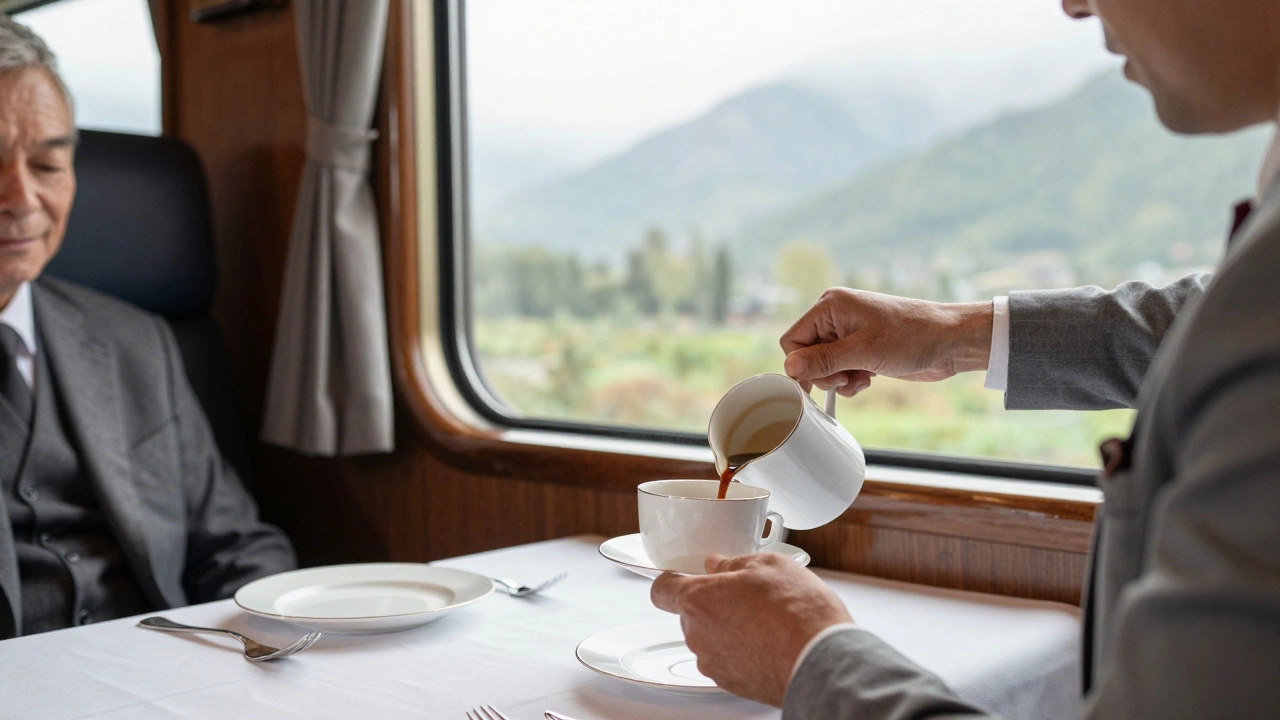
Imagine gliding past golden savannas or misty mountains while a butler pours your morning coffee. Now imagine doing that without hauling heavy suitcases up three flights of stairs or navigating confusing airport security lines. For many travelers over 60, the dream of adventure is often paused by the physical toll of modern transit. But what if the journey itself could be the most relaxing part of the trip?
The short answer is yes: train travel is exceptionally good for seniors, provided you choose the right kind of train. We aren't talking about crowded commuter rails with hard plastic seats. We are talking about luxury rail journeys-slow, spacious, and designed with comfort as the priority. In 2026, the resurgence of premium rail tourism has made it one of the most accessible ways for older adults to explore the world safely and stylishly.
Why Trains Beat Planes for Older Travelers
Air travel has become increasingly stressful. You have to wake up at 4 AM, sprint through terminals, deal with cramped legroom, and sit still for hours in pressurized cabins that dry out your skin and joints. For seniors managing arthritis, mobility issues, or simply a lower tolerance for chaos, this is exhausting before the vacation even begins.
Trains offer a different rhythm. They move slower, which means less jet lag and fewer motion sickness episodes. More importantly, they prioritize space. On a luxury train like India’s Voyager by Belmond, formerly known as the Palace on Wheels, you don’t just have a seat; you have a private cabin. You can walk around the carriages whenever you want. There are no liquid restrictions on water bottles, and you can stretch your legs during long scenic stretches.
This shift from "getting there" to "being there" reduces cortisol levels significantly. Instead of fighting crowds, you’re sipping wine in a dining car while the landscape rolls by. It turns transit into leisure.
Key Features That Make Luxury Trains Senior-Friendly
Not all trains are created equal. To determine if a specific journey is suitable for you or an aging parent, look for these critical features:
- Private En-Suite Cabins: This is non-negotiable for comfort. You need a door you can lock, a bed you can sleep in, and a bathroom attached to your room so you aren’t walking down dark corridors at night. Modern luxury trains feature spacious bathrooms with grab bars and walk-in showers.
- Onboard Medical Support: Reputable operators now include a medic or nurse on board. For example, some high-end African safari trains carry a qualified medical professional who can handle minor ailments, stitch cuts, or stabilize patients until help arrives. Check if the operator provides this service.
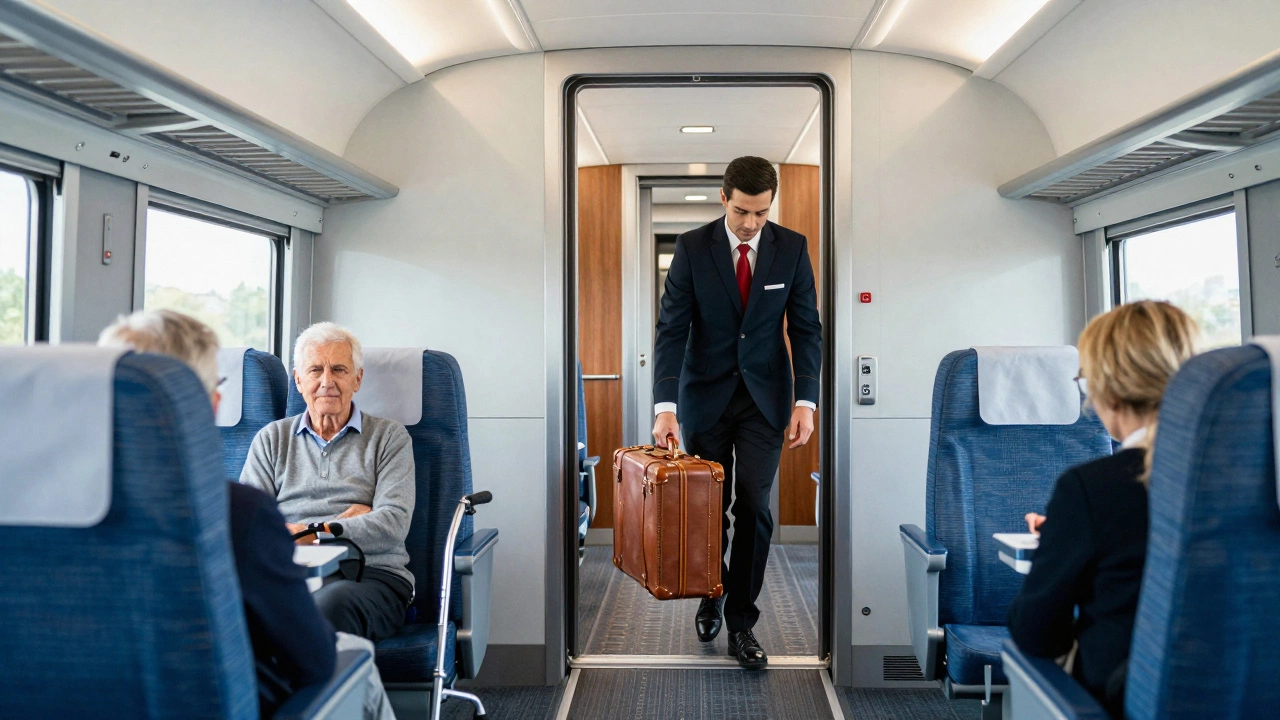
- Minimal Luggage Handling: One of the biggest fears for seniors is moving luggage. Luxury trains handle this entirely. You hand your bags to porters at the station, and they appear in your cabin. You never lift more than a small day bag.
- Accessible Dining: Look for trains with elevators (lifts) connecting the sleeper cars to the dining and lounge cars. While not all vintage-style trains have them, newer builds like the Royal Scotsman in Scotland ensure full accessibility for wheelchairs and walkers.
Top Destinations for Senior Rail Travelers
If you’re looking for inspiration, here are three regions where luxury rail shines for older travelers:
| Route / Region | Highlight Experience | Accessibility Level | Best Time to Go |
|---|---|---|---|
| India (Palace on Wheels) | Rajasthan forts, wildlife safaris, cultural immersion | High (Porter service, en-suite cabins) | October to March (Cool weather) |
| South Africa (Rovos Rail) | Safari views, Cape Town city tours, vineyard visits | Medium-High (Some steps on older coaches) | April to September (Dry season) |
| Scotland (Royal Scotsman) | Highland castles, whisky distilleries, gentle walks | Very High (Modern lifts, wheelchair accessible) | May to September (Green landscapes) |
In India, the Palace on Wheels offers a structured itinerary that minimizes physical exertion. Excursions are usually conducted via air-conditioned coaches directly to the site entrance. In South Africa, Rovos Rail is famous for its brass-and-wood interiors and includes game drives where you stay seated in comfortable vehicles. Scotland’s Royal Scotsman is perhaps the most physically accessible option globally, catering specifically to those with limited mobility.
Health and Safety Considerations
Even with luxury amenities, travel requires preparation. Here is how to stay safe:
Medication Management: Keep all prescription medications in your carry-on day bag, not in checked luggage. Train delays happen. If your main suitcase is delayed, you still need your meds. Label everything clearly. Inform the onboard staff upon arrival if you have severe allergies or require refrigeration for insulin; most luxury trains have small fridges in cabins or a central medical fridge.
Mobility Aids: Bring your walker or cane. Do not assume the destination will provide one. Measure the width of your wheelchair against the train’s door specifications if you are using a power chair. Some vintage trains have narrow doors (around 70cm wide). Standard manual wheelchairs fit, but large power chairs might not. Call ahead.
Hydration and Movement: Air conditioning on trains can be dry. Drink water constantly. Walk around the carriage every two hours to keep blood flowing, especially if you have circulation issues. The open windows on some classic trains also allow fresh air, which helps reduce stuffiness.
Cost vs. Value: Is It Worth the Investment?
Luxury train journeys are expensive. A week on the Palace on Wheels can cost upwards of $10,000 USD per person. However, when you break it down, it’s often comparable to a first-class international flight plus five-star hotels and guided tours.
You are paying for convenience. You aren’t booking separate transfers, hotels, or meals. Everything is included. For seniors, this simplifies decision fatigue. You don’t have to worry about finding a restaurant or negotiating taxi fares. The value lies in the seamless experience. Plus, many operators offer early-bird discounts or last-minute deals, so timing your booking can save thousands.
How to Book the Right Journey
Don’t just buy a ticket online. Use a specialized travel agent who focuses on luxury rail. Ask them these specific questions:
- "Are there any steep stairs between the sleeping car and the dining car?"
- "What is the average age of other passengers?" (This helps gauge the pace of excursions.)
- "Is there a doctor on board, or is there a hospital within 30 minutes of each stop?"
- "Can I request a cabin near the elevator or center of the train for less motion?"
Booking directly through reputable operators like Belmond, Rovos Rail, or Great Western Railway ensures you get accurate information about accessibility. Avoid third-party discount sites that may not understand the nuances of senior needs.
Final Thoughts on Slow Travel
Train travel reconnects you with the scenery. It allows for conversation, relaxation, and observation. For seniors, it removes the barriers that make traditional tourism difficult. It’s not just about reaching a destination; it’s about enjoying the time in between. Whether you’re watching the sun set over the Rajasthan desert or cruising through the Scottish Highlands, the train becomes a home on wheels. It’s safe, it’s luxurious, and it’s designed for you to relax.
Are luxury trains safe for elderly travelers alone?
Yes, luxury trains are generally very safe for solo senior travelers. Staff-to-passenger ratios are high, meaning there are always attendants available to assist. Cabins have secure locks, and the controlled environment of the train limits exposure to street crime. Additionally, the social nature of dining cars encourages interaction with other passengers, reducing feelings of isolation.
Can I bring my own oxygen concentrator on a luxury train?
Most modern luxury trains allow portable oxygen concentrators (POCs). However, you must inform the operator in advance. They need to ensure your cabin has adequate ventilation and that the device is battery-operated or compatible with their power supply. Do not rely on the train providing oxygen tanks unless explicitly stated in their medical policy.
What happens if I get sick during the journey?
Reputable luxury trains have emergency protocols. Many carry a medic on board. If serious medical attention is needed, the train will stop at the nearest major town with a hospital. Your travel insurance should cover medical evacuation. Always purchase comprehensive travel insurance that covers pre-existing conditions before booking.
Do I need to tip the staff on luxury trains?
Tipping is customary on most luxury trains. Budget approximately $10-$20 USD per day per passenger for the cabin attendant and dining staff. Some operators include gratuities in the final bill, so check your invoice. Tipping is appreciated for the personalized service, such as unpacking your bags and pressing your clothes.
Are there age restrictions for luxury train travel?
There are rarely upper age limits. Operators welcome seniors. However, some itineraries involve physical activities like hiking or safaris. If you have significant mobility limitations, choose routes labeled as "accessible" or "leisurely." Always disclose any health concerns when booking so the operator can advise if the itinerary is suitable.



About Author

Popular Posts



What is a mini vacation? A guide to short breaks