Where Do Most Indian Tourists Go? Top Beach Destinations in 2025
Beach Crowd Level Estimator
Calculate expected crowd levels at popular Indian beach destinations based on season and location. Based on data from the Goa Tourism Board and Central Marine Fisheries Research Institute.
Every year, over 120 million Indian travelers head for the coast. Not just for a quick dip in the ocean, but for sun-soaked escapes, family reunions, and long weekends that feel like a lifetime. If you’ve ever wondered where most Indian tourists actually go when they want sand between their toes, the answer isn’t a mystery-it’s written in the crowds at Goa’s shores, the traffic jams on the NH66, and the sold-out beach huts in Kerala.
Goa Still Rules the Beach Game
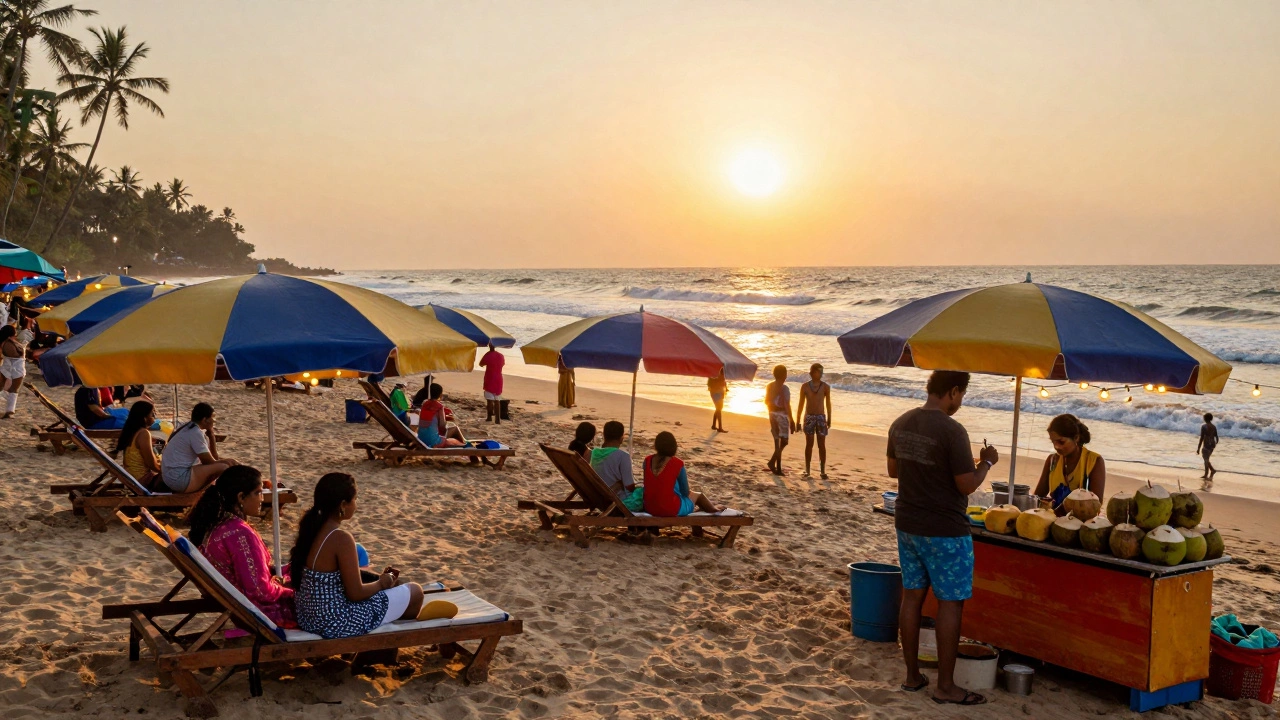
Goa isn’t just popular-it’s the default choice. Nearly 40% of all Indian beach travelers pick Goa in a given year. That’s more than the next three destinations combined. Why? It’s the mix. North Goa has the party vibe with Baga and Calangute, where music blasts until dawn and shacks serve fresh prawn curry under string lights. South Goa is quieter, with Palolem and Agonda offering hammocks between palm trees and yoga sessions at sunrise. The infrastructure is built for tourists: cheap flights from Delhi, Mumbai, and Bangalore, English-speaking vendors, and ATMs on every corner. Even families with kids know exactly where to go: Anjuna for flea markets, Candolim for calm waters, and Vagator for cliffside views.
In 2025, Goa’s beach occupancy rates hit 92% during peak season (November to February). Hotels charge 30% more than off-season, but they still fill up. A study by the Goa Tourism Board found that 7 out of 10 visitors are from Maharashtra, Uttar Pradesh, and Karnataka. The pattern is clear: people don’t travel far for beaches-they travel to what’s easy, familiar, and reliable.
Kerala’s Backwaters and Beaches Are Growing Fast
If Goa is the old favorite, Kerala is the rising star. The state’s coastline-from Kovalam to Marari to Varkala-has seen a 22% jump in domestic tourist arrivals since 2022. What’s different? It’s not just the beach. It’s the whole package. In Kovalam, you can wake up to Ayurvedic massages, eat coconut rice by the sea, and watch fishermen haul in their catch on traditional catamarans. Varkala’s cliffs give you a view you won’t find in Goa-red laterite rock dropping straight into the Arabian Sea.
More middle-class families are choosing Kerala because it feels less commercialized. There are fewer loud bars, more quiet resorts, and a stronger focus on wellness. Many travelers combine beach time with a backwater houseboat stay in Alleppey. It’s a two-in-one experience: sunbathing by day, floating through coconut groves by night. The state government has invested in clean beaches, better waste management, and tourist-friendly signage-all of which show in the reviews. On TripAdvisor, Kerala’s top beaches now average 4.7 out of 5 stars from Indian travelers.
Andhra Pradesh and Odisha Are Quiet Contenders
While everyone talks about Goa and Kerala, two eastern coasts are quietly pulling in crowds. Puri in Odisha draws over 3 million domestic tourists every year-not just for the beach, but for the Jagannath Temple. The beach here is wide, golden, and less crowded than most in the south. It’s the place where families come for religious trips and stay for the sunset.
Meanwhile, Visakhapatnam (Vizag) in Andhra Pradesh is becoming a weekend escape for Hyderabad and Bengaluru crowds. Rama Krishna Beach and Rushikonda offer clean sand, decent water quality, and affordable stays. The city’s new promenade, with its cafes and bike rentals, makes it feel more like a coastal town than a tourist trap. Local government data shows a 35% rise in weekend bookings from Telangana since 2023. People are realizing you don’t need to fly to Goa to get a beach fix.
The South Indian Coast Has the Best Water Clarity
When it comes to clear water and coral reefs, nothing beats the southern tip of India. The beaches of Tamil Nadu-like Mahabalipuram and Kanyakumari-are favorites among travelers who care about snorkeling and marine life. The water here is consistently clearer than in Goa or Kerala, thanks to lower river silt runoff. In 2024, a marine survey by the Central Marine Fisheries Research Institute found that Mahabalipuram’s nearshore reefs had the highest fish diversity of any Indian beach.
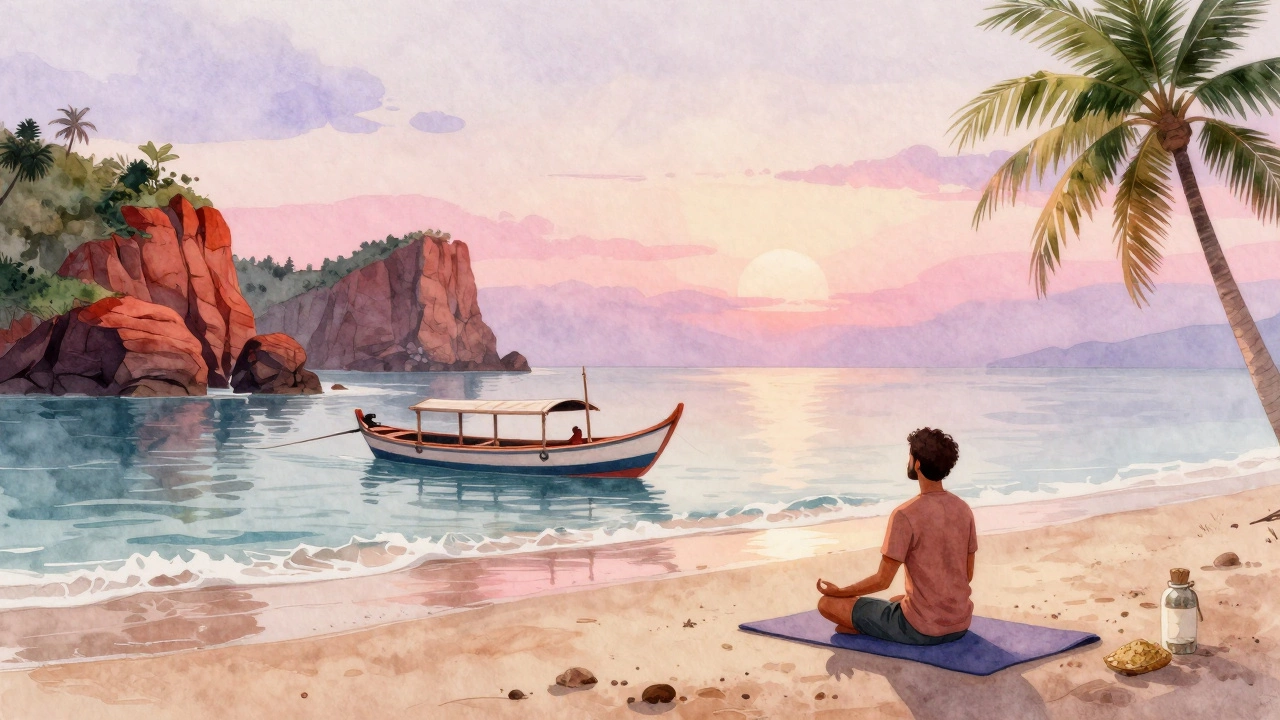
Kanyakumari, where the Bay of Bengal, the Arabian Sea, and the Indian Ocean meet, is a spiritual and scenic hotspot. Tourists come for the sunrise over the sea, the Vivekananda Rock Memorial, and the quiet, rocky shoreline. It’s not a party destination, but it’s perfect for those who want to sit, reflect, and watch the waves roll in.
Why These Places Win Over Others
Not all beaches are created equal. India has over 7,500 kilometers of coastline, yet only a handful of spots get the bulk of the traffic. Here’s why:
- Accessibility: Goa, Kerala, and Vizag have direct flights or 6-hour train rides from major cities.
- Affordability: You can find a decent beachside room for under ₹2,500 a night in most of these places during off-season.
- Safety: These beaches have lifeguards, clean toilets, and organized parking-something many lesser-known beaches still lack.
- Reputation: Social media plays a big role. If your Instagram feed is full of Goa sunsets, you’re going to Goa.
Beaches in Gujarat, Maharashtra’s Konkan coast, or even the Andaman Islands get far fewer visitors-not because they’re worse, but because they’re harder to reach, more expensive, or less marketed. Andaman, for example, requires a flight and a permit. Most Indian tourists want convenience over adventure.
What’s Changing in 2025
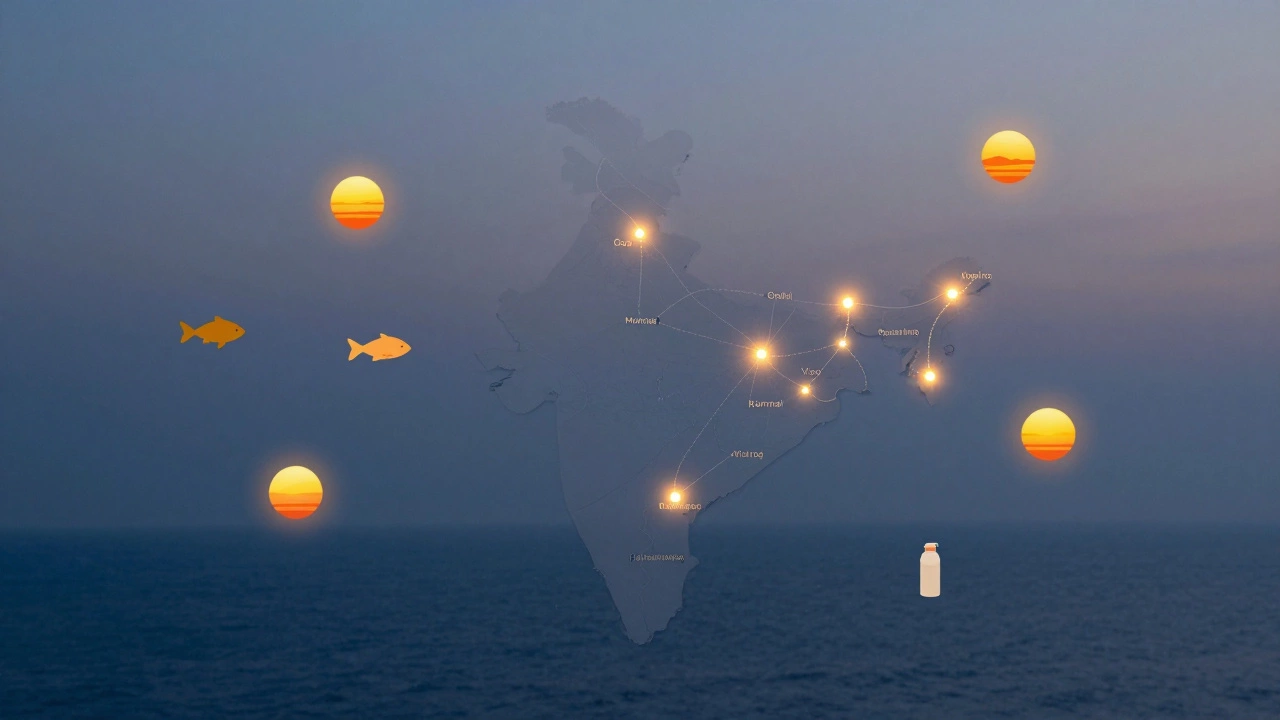
There’s a quiet shift happening. More Indian tourists are choosing off-season trips. Instead of rushing to Goa in December, families are booking January or March-when prices drop by half and crowds thin out. Resorts are responding with off-season packages: yoga retreats, cooking classes, and beach clean-up tours.
Also, younger travelers are skipping the big names. A 2025 survey by TravelTriangle found that 28% of Indians under 30 now prefer lesser-known beaches like Gokarna (Karnataka), Tarkarli (Maharashtra), or even the beaches of Puducherry. They want quieter spots, better photos, and fewer vendors chasing them.
Still, the top five remain unchanged: Goa, Kerala, Puri, Vizag, and Mahabalipuram. These are the places where Indian tourists go when they want to feel like they’ve escaped-without leaving the country.
What to Pack for an Indian Beach Trip in 2025
- UV-protective rash guard (sunburn is real, even on cloudy days)
- Reusable water bottle (plastic bans are enforced in Goa and Kerala)
- Light cotton clothes (humidity hits hard)
- Waterproof phone case (yes, someone always drops theirs)
- Flip-flops and a beach towel (most places don’t rent them)
- Small first-aid kit (sunscreen, antiseptic, and painkillers)
Don’t forget cash. Many beach shacks still don’t take cards. And if you’re going to Goa, bring a light jacket for evenings-sea breeze gets chilly after sunset.
Which Indian beach is the most crowded?
Calangute Beach in Goa is consistently the most crowded, especially during December and January. On weekends, it can see over 20,000 visitors in a single day. If you want space, head to South Goa beaches like Palolem or Agonda.
Are Indian beaches safe for swimming?
Most popular beaches like Goa, Kerala, and Vizag have lifeguards and flagged swimming zones. Always check for red flags or signs warning of strong currents. Avoid swimming near river mouths or after heavy rain-water quality drops quickly.
What’s the best time to visit Indian beaches?
November to February is peak season-cool, dry, and perfect for sunbathing. If you want lower prices and fewer people, go in March or October. Avoid monsoon months (June-September) unless you’re into storm-watching.
Can I visit beaches in India without a visa?
Yes. All beaches in India are open to domestic tourists without any visa. Foreign tourists need a valid Indian visa, but beach access doesn’t require special permits-except for Andaman & Nicobar Islands, where a Protected Area Permit is needed.
Which beach has the cleanest water in India?
According to the Central Pollution Control Board’s 2024 report, Tarkarli in Maharashtra and Mahabalipuram in Tamil Nadu had the highest water quality ratings among major Indian beaches. Both scored above 90% in microbial safety tests.
If you’re planning your next beach trip, start with what’s easy. Go where the locals go, where the infrastructure works, and where the water doesn’t look like soup. You don’t need to find a hidden gem to have a great beach day. Sometimes, the most popular spot is popular for a reason.


About Author

Popular Posts


What is a mini vacation? A guide to short breaks