What Sport Are Indians Best At? Cricket Dominance and Rising Adventure Trends
Discover Your Indian Sport
Select the option that best describes you to find your ideal sporting match.
The Team Strategist
I love team dynamics, long-term strategy, and high-pressure moments.
The Physical Warrior
I value raw strength, discipline, tradition, and physical endurance.
The Nature Explorer
I crave adrenaline, breathtaking views, and challenging natural terrain.
Your Perfect Match
Ask any person on the street in Mumbai, Delhi, or a small village in Bihar what sport Indians are best at, and you will get one answer. It is not just a preference; it is a cultural fact. Cricket is the undisputed king of Indian sports. But if you look beyond the stadium lights and the roar of eighty thousand fans, the story gets more interesting. While cricket defines the national identity, other sports are carving out their own space. More importantly, for travelers looking to experience the energy of this country, the landscape offers world-class adventure sports that rival destinations in Europe and South America.
The Undisputed King: Why Cricket Is the Answer
If we are talking about sheer dominance, medal counts, and global recognition, cricket is the only correct answer. The Board of Control for Cricket in India (BCCI) generates revenue that dwarfs most other sports federations combined. When the national team plays, television ratings break records. Brands spend billions on sponsorship deals. This isn't just popularity; it is an economic engine.
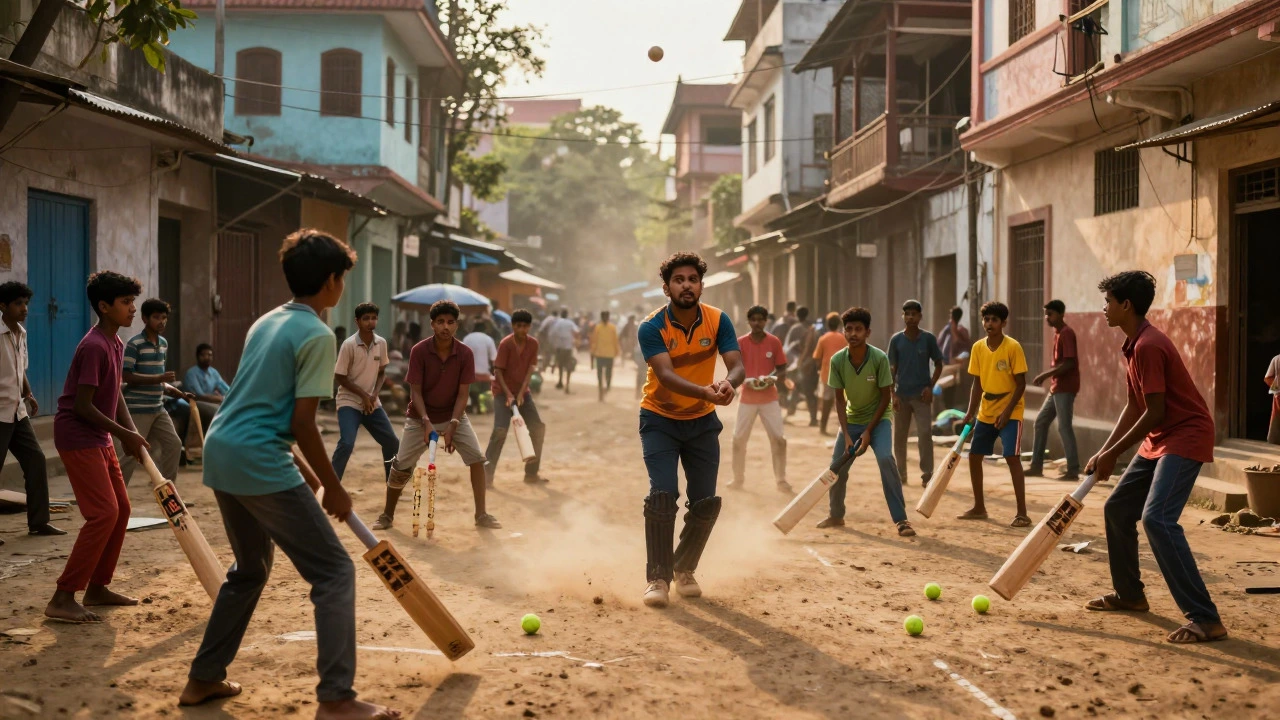
Why do Indians excel here? It comes down to infrastructure and obsession. Every neighborhood has a makeshift pitch. Kids play with tennis balls and taped bats until they are picked up for local leagues. The talent pool is massive. Players like Virat Kohli, MS Dhoni, and Rohit Sharma are not just athletes; they are national icons. Their success creates a feedback loop. Youngsters see a path to fame and fortune, so they train harder. The result is a consistent production of world-class players who dominate international tournaments.
However, relying solely on cricket ignores the rapid changes happening in the sporting ecosystem. The rise of the Indian Premier League (IPL) has professionalized the sport, bringing in advanced analytics, sports science, and global coaching standards. This professionalism is now bleeding into other areas of Indian athletics.
Beyond Cricket: Kabaddi and Wrestling
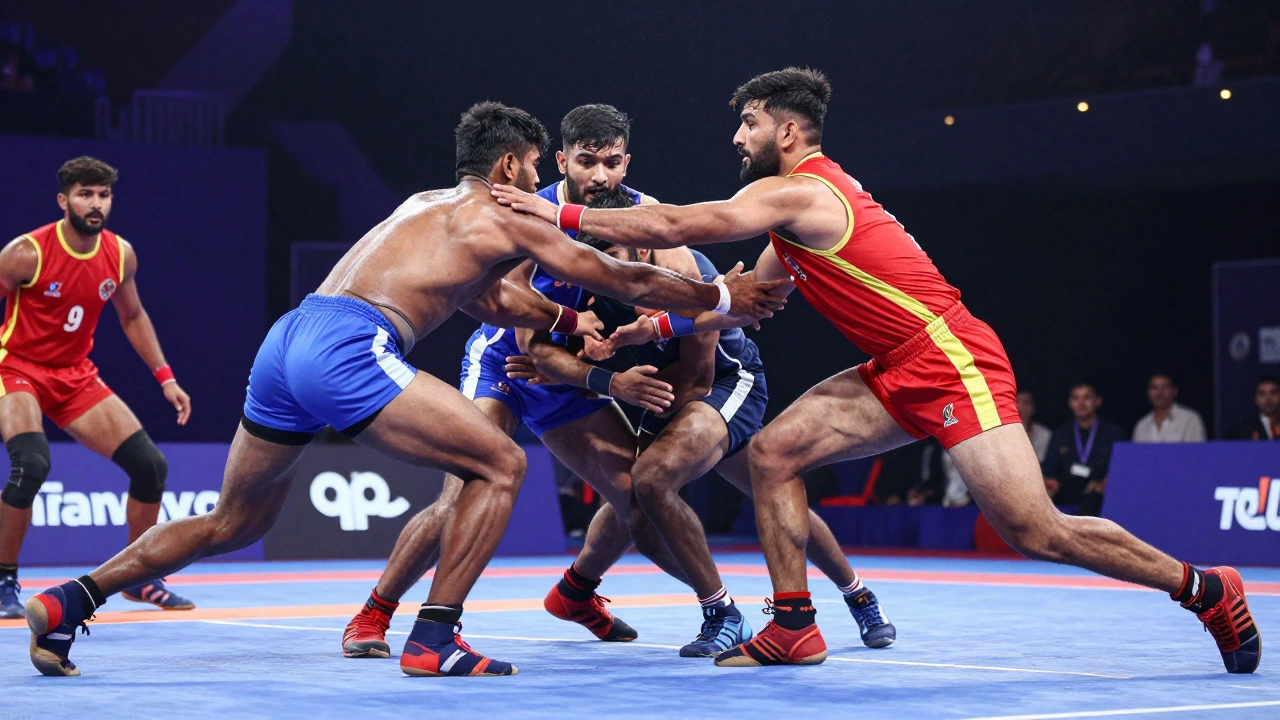
While cricket holds the crown, two traditional sports deserve mention when discussing what Indians are naturally good at. Kabaddi is a contact team sport that originated in ancient India. It requires stamina, agility, and tactical thinking. The Pro Kabaddi League has transformed this rural pastime into a high-octane spectator event. Indian teams consistently win international championships because the physical attributes required-low center of gravity, explosive speed-are common among the population.
Then there is Wrestling. Historically known as Pehlwani, wrestling has deep roots in Indian culture. For decades, India produced Olympic medalists in this discipline. While recent years have seen some stagnation, the foundational strength remains. Many villages still have traditional akharas (training grounds) where young men train from dawn. This grassroots dedication ensures that India remains a competitive force in weightlifting and wrestling on the global stage.
| Sport | Global Standing | Key Strength | Accessibility |
|---|---|---|---|
| Cricket | Dominant | Talent depth & funding | Universal |
| Kabaddi | Leading | Athleticism & tradition | Rural & urban leagues |
| Wrestling | Competitive | Strength & discipline | Traditional akharas |
| Badminton | Rising | Speed & agility | Growing clubs |
The Rise of Adventure Sports in India
Here is where the narrative shifts for the modern traveler and the aspiring athlete. The question "What sport are Indians best at?" is slowly expanding to include extreme sports. India's geography is a gift for adventure tourism. From the Himalayas to the coastal waters of Goa, the terrain supports activities that were once considered niche.
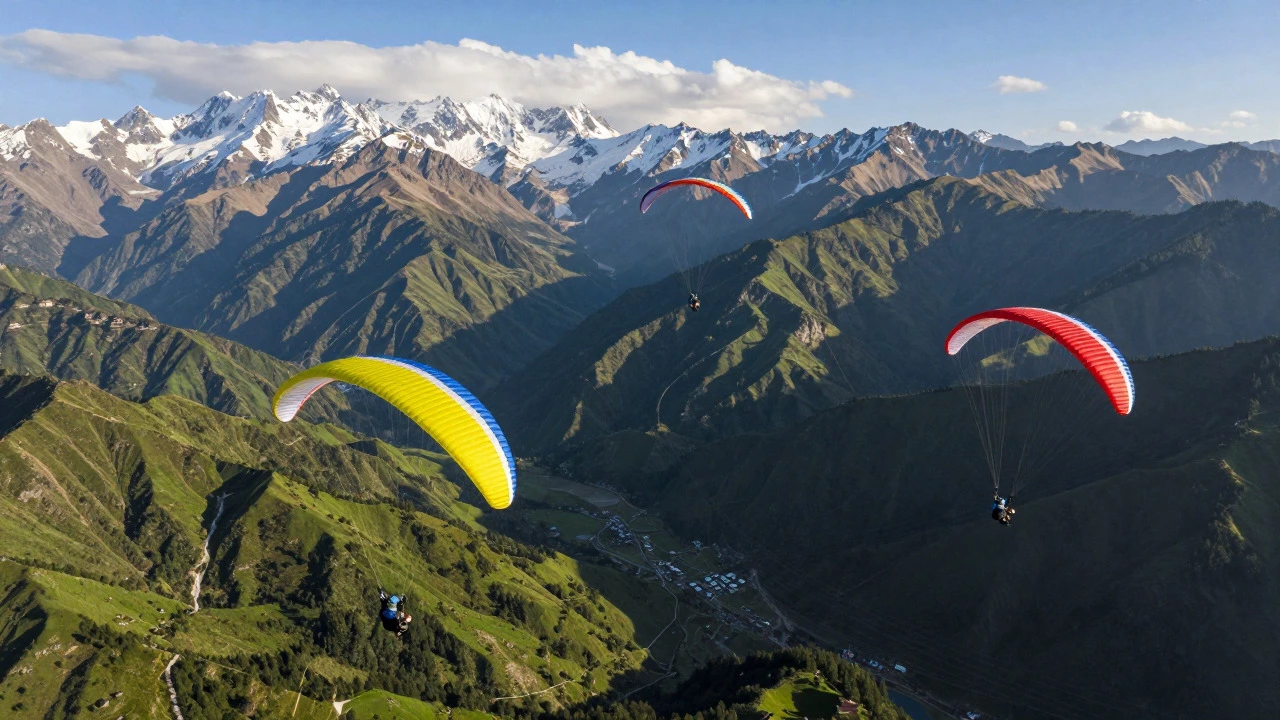
Consider paragliding. Bir Billing in Himachal Pradesh is recognized by the World Paragliding Hall of Fame as one of the top five sites globally. Indian pilots are winning international competitions. The wind conditions here are perfect for cross-country flying. It is no longer just a tourist activity; it is a serious sport where Indians are gaining technical expertise and confidence.
Similarly, rock climbing and mountaineering are seeing a surge. The Western Ghats and the Himalayas offer challenging routes. Indian climbers have scaled peaks like Mount Everest and K2. The domestic scene is growing, with gyms in major cities offering bouldering and lead climbing. This shift indicates a change in mindset. Indians are not just consuming sports; they are mastering them in diverse environments.
Water Sports: A Coastal Advantage
India has a coastline stretching over 7,500 kilometers. This vast expanse is ideal for water-based adventures. Kayaking, surfing, and scuba diving are becoming popular both as recreational activities and competitive sports.
Goa and Kerala are hubs for these activities. In recent years, Indian surfers have competed in international events. The waves off the coast of Goa provide consistent breaks suitable for training. Scuba diving centers in the Andaman Islands certify thousands of divers annually. Some of these enthusiasts move into professional roles, guiding tourists or competing in underwater photography and freediving contests. The natural advantage of having warm, clear waters year-round gives Indian athletes a home-field edge in training.
Infrastructure Challenges and Opportunities
To understand why cricket dominates, you must look at the lack of infrastructure for other sports. Building a cricket ground is relatively cheap compared to building a swimming pool, an ice rink, or a velodrome. Most public schools focus on cricket and athletics. If you want to play football professionally, you often need private academy support. This barrier limits the talent pool for non-cricket sports.
However, things are changing. The government's Khelo India initiative aims to build sports complexes across the country. Private investments are flowing into football academies and badminton courts. As infrastructure improves, we will likely see more Indians excelling in sports like tennis, golf, and motorsports. The talent is there; the systems are catching up.
Traveler's Guide: Experiencing Indian Sports Culture
If you are visiting India, you can experience this sporting passion firsthand. You don't need to be an athlete to enjoy the atmosphere. Here is how to engage with the local sports culture:
- Watch a Live Match: Try to catch an IPL game in cities like Mumbai, Chennai, or Kolkata. The energy is electric. Even if you don't understand the rules, the crowd's reaction is infectious.
- Trek the Himalayas: Join a guided trek in Ladakh or Sikkim. You will meet local guides who are expert mountaineers. They share stories of expeditions and teach you basic survival skills.
- Try Paragliding: Book a tandem flight in Bir Billing. It is safe, regulated, and offers breathtaking views of the Dhauladhar range.
- Visit a Local Ground: Go to a neighborhood ground in the evening. You might see kids playing cricket with a tennis ball. Ask to join in. It is a great way to connect with locals.
- Explore Water Sports: Head to Gokarna or Varkala for surfing lessons. The instructors are friendly and eager to share their knowledge of the waves.
The Future of Indian Athletics
The definition of what Indians are "best at" is evolving. Cricket will remain the giant, but it is no longer the only player. The success of athletes like Neeraj Chopra in javelin throw has inspired a new generation. He won gold at the Tokyo Olympics, proving that Indians can compete and win in track and field.
This shift is crucial. It shows that excellence is not limited to one sport. As more resources flow into diverse disciplines, the gap between India and global powerhouses in athletics, swimming, and gymnastics will narrow. For travelers, this means a richer experience. You will encounter more people passionate about running, cycling, and yoga than ever before.
Yoga itself is worth mentioning. While often seen as a wellness practice, competitive yoga is emerging. India hosts international yoga festivals, attracting participants from around the world. This blend of tradition and modern athleticism reflects the broader trend in Indian sports.
Conclusion: A Multifaceted Sporting Nation
So, what sport are Indians best at? The short answer is cricket. It is deeply embedded in the social fabric, economy, and daily life. But the complete answer is more nuanced. Indians are also highly skilled in kabaddi, wrestling, and increasingly, adventure sports like paragliding and mountaineering.
The country's geographical diversity allows for a wide range of athletic pursuits. From the snow-capped peaks of the north to the sunny beaches of the south, every region offers unique opportunities for sports and recreation. As infrastructure improves and awareness grows, expect to see more Indian faces on podiums worldwide, not just in cricket stadiums.
For visitors, this diversity is an invitation. Engage with the local sports culture. Watch a match, try a new activity, or simply talk to the people who live and breathe these games. You will find that the passion for sports in India is universal, regardless of the specific game being played.
Is cricket the only sport Indians watch?
No, while cricket is the most popular, football (soccer) has a huge following in states like West Bengal, Goa, and Kerala. Kabaddi and basketball are also gaining significant viewership due to professional leagues.
Where is the best place for adventure sports in India?
Himachal Pradesh is top for paragliding and trekking. Goa and Kerala are excellent for water sports like surfing and kayaking. Rajasthan offers desert safaris and camel riding.
Are adventure sports safe for beginners in India?
Yes, major destinations like Bir Billing and Goa have certified operators who follow safety protocols. Always choose reputable companies with experienced instructors.
Why is cricket so dominant in India?
Cricket became popular during British colonial rule and remained after independence. It requires minimal equipment to start, making it accessible. The financial rewards from professional leagues like the IPL have further fueled its growth.
Can foreigners participate in local sports events in India?
Many adventure sports operators welcome foreign tourists for paid experiences. For organized amateur tournaments, check with local clubs. Some international marathons and triathlons actively encourage foreign participation.
What is the role of yoga in Indian sports?
Yoga is used by many Indian athletes for flexibility, mental focus, and recovery. It is also practiced competitively in international yoga festivals, blending physical prowess with spiritual tradition.
About Author

Popular Posts
What is Goa Famous For? Beyond the Beaches