What Is the Best Way to Travel in South India?
South India Travel Cost Estimator
Plan Your South India Journey
Estimate costs based on the article's recommendations for trains, road trips, boats, and flights
South India isn’t just a destination-it’s a rhythm. The scent of cardamom in a Chennai street corner, the clatter of temple bells in Mysore, the quiet glide of a backwater houseboat in Kerala. But getting around here isn’t like hopping on a subway in Tokyo or catching a bus in London. The best way to travel in South India isn’t one single method. It’s a mix of pace, patience, and picking the right tool for each stretch.
Start with the trains
If you want to see South India without burning through cash or nerves, trains are your best friend. The Southern Railway network is one of the most reliable in India, connecting cities like Chennai, Bengaluru, Coimbatore, Mysore, Thiruvananthapuram, and Kochi with surprising comfort. Book a Second AC (2AC) ticket-it’s not luxury, but it’s clean, air-conditioned, and way more private than a sleeper class.
Take the Mysuru Express from Bengaluru to Mysore. It leaves early, arrives by lunch, and you’re sipping filter coffee in a palace courtyard by 2 p.m. Or hop on the Kerala Sampark Kranti from Bengaluru to Thiruvananthapuram. It cuts through the Western Ghats, and if you sit on the right side, you’ll see waterfalls you didn’t even know existed.
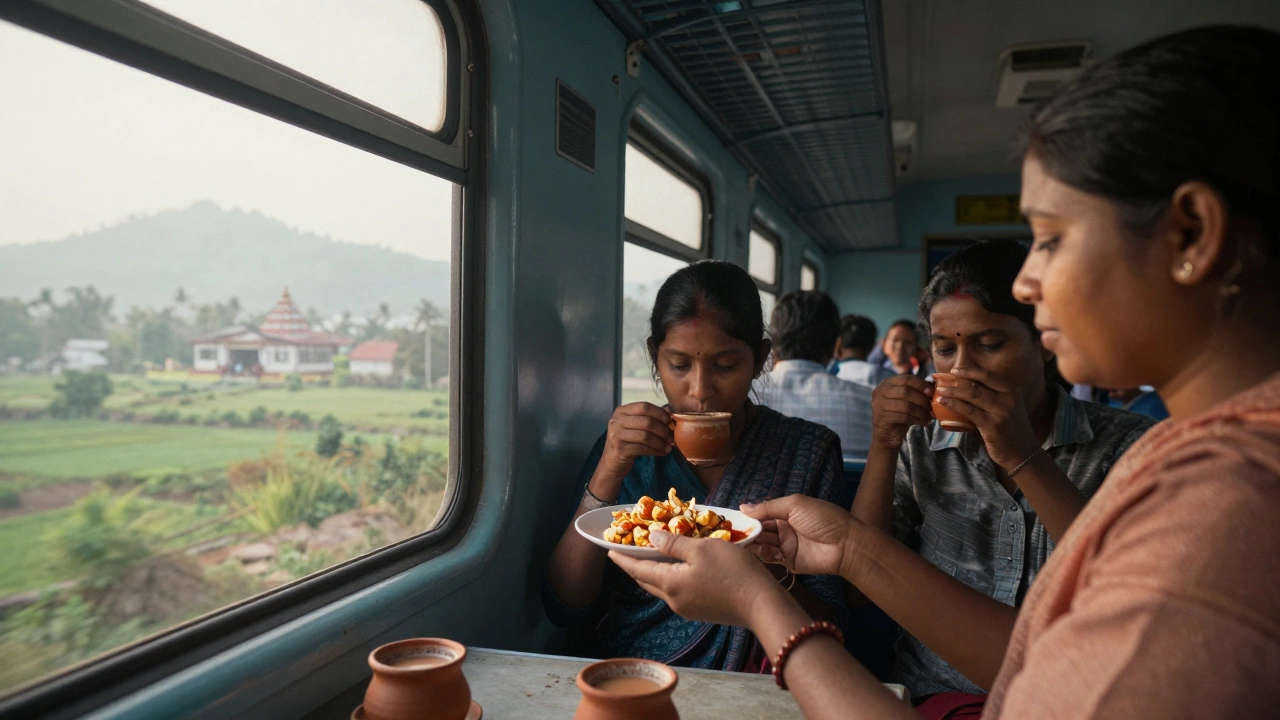
Trains here aren’t just transport-they’re social spaces. You’ll share chai with a retired teacher from Cochin, swap stories with a spice trader from Palakkad, and maybe even get invited to a family wedding in Kottayam. That’s the kind of connection you don’t get on a bus.
Road trips work-but only if you plan them right
South India’s highways are getting better. The Bengaluru-Mysore stretch is smooth. The Coimbatore-Kochi road through the Nilgiris is scenic. But outside these main routes, roads can be narrow, crowded, and unpredictable. Don’t rent a car and drive yourself unless you’ve done this before.
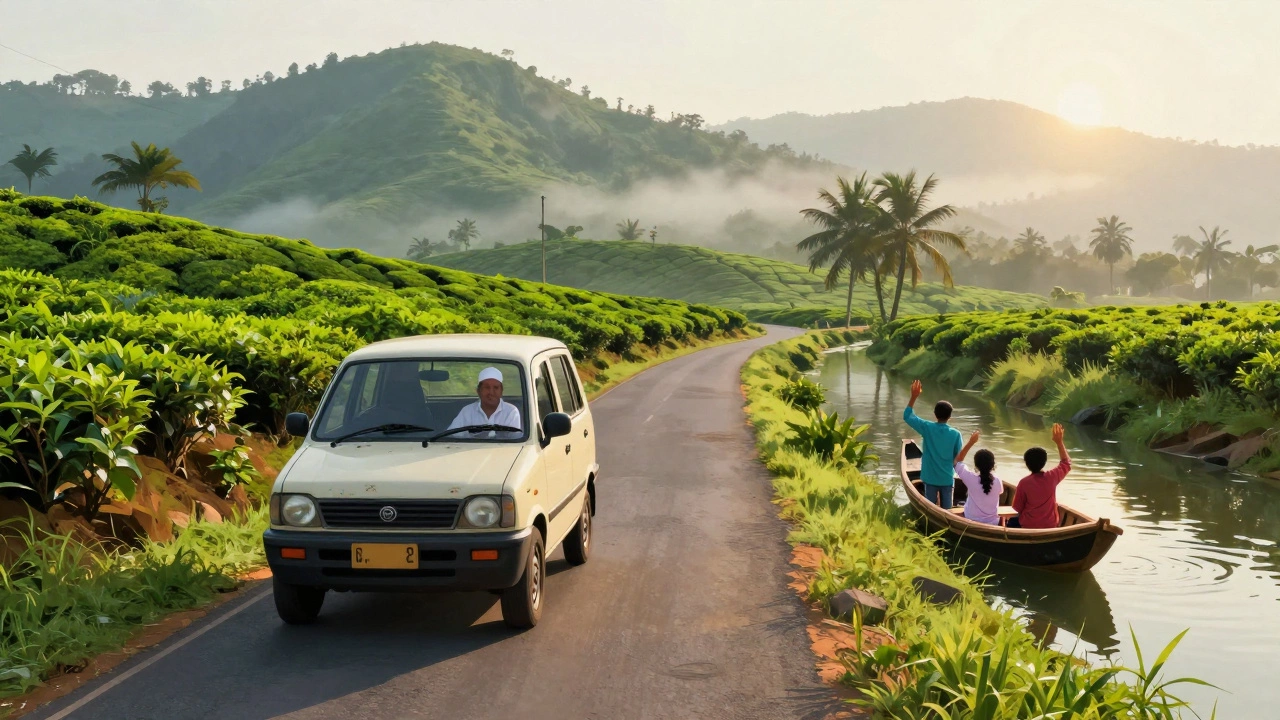
Instead, hire a driver with a car. Most hotels can arrange this for ₹1,200-₹1,800 per day (including fuel and driver’s meals). You get air conditioning, a local who knows where to stop for the best masala dosa, and someone who won’t panic when a cow blocks the road. In Kerala, drivers often know hidden beaches and temple festivals you won’t find on Google Maps.
Plan your route around one region at a time. Don’t try to do Chennai, Pondicherry, Mysore, and Kochi in five days. That’s a recipe for exhaustion. Pick one corridor: say, the Tamil Nadu temple circuit (Madurai, Rameswaram, Kumbakonam) or the Kerala backwaters (Alleppey, Kumarakom, Kollam). Drive slowly. Stop often. Let the journey breathe.
Boats aren’t just for tourists-they’re life
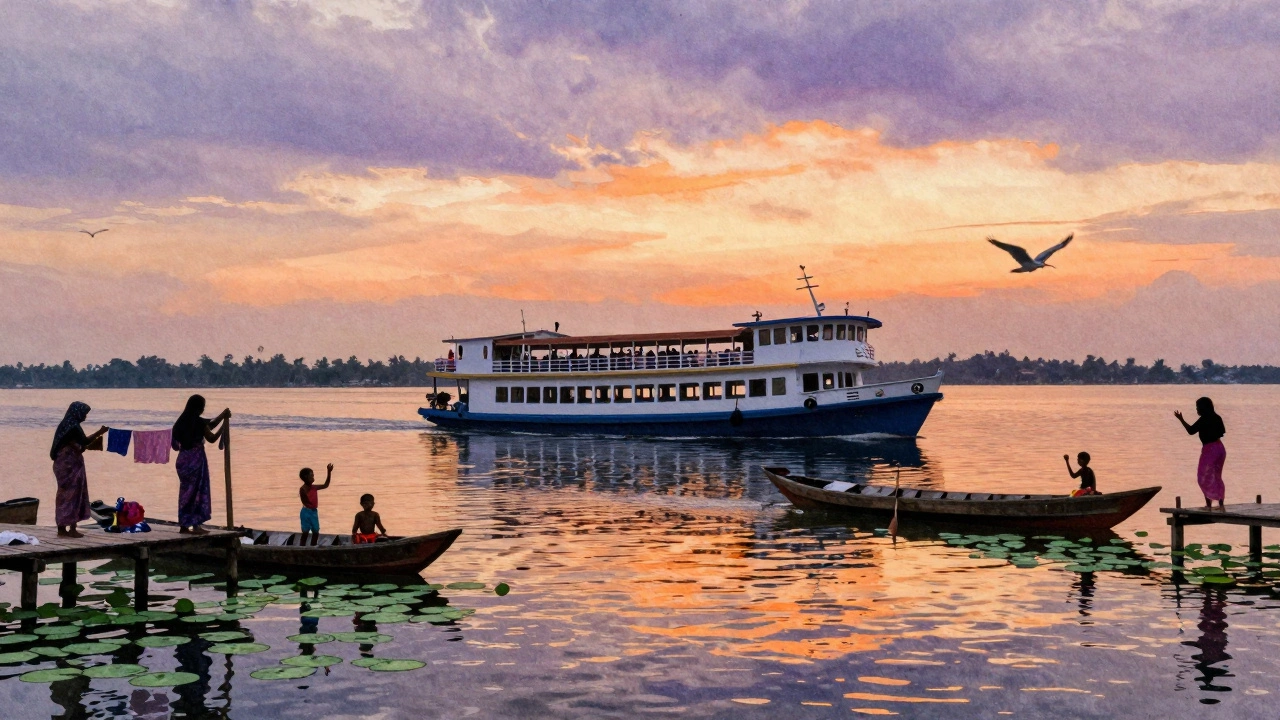
In Kerala’s backwaters, boats aren’t a tourist gimmick. They’re how people get to school, sell vegetables, and visit neighbors. A private houseboat for a night costs ₹4,000-₹8,000, depending on size and season. But you don’t need to spend that much. For ₹800, you can hop on a public ferry from Alappuzha to Kumarakom and watch the world float by: women washing clothes on wooden docks, kids waving from bamboo boats, herons gliding over lily pads.
These aren’t fancy cruises. They’re slow, simple, and real. You’ll see how life moves here-on water, not on roads. If you’re staying in Alleppey, book a half-day public ferry ride. It’s the cheapest, most authentic way to experience the backwaters.
Local buses? Yes, but be ready
If you’re on a budget and don’t mind a little chaos, state-run buses are unbeatable. Kerala’s KSRTC and Tamil Nadu’s TNSTC run clean, air-conditioned buses between major towns. They’re cheaper than trains, and they go places trains don’t-like the hill station of Yercaud or the temple town of Srirangam.
But here’s the catch: schedules are flexible. A bus marked for 10 a.m. might leave at 11:30. Seats fill fast. Carry water, snacks, and patience. Don’t expect Wi-Fi or charging ports. But you will get a front-row seat to daily life: a grandmother selling fried plantains at a roadside stop, a group of students singing movie songs, the smell of coconut oil and turmeric clinging to the air.
Domestic flights? Only for long jumps
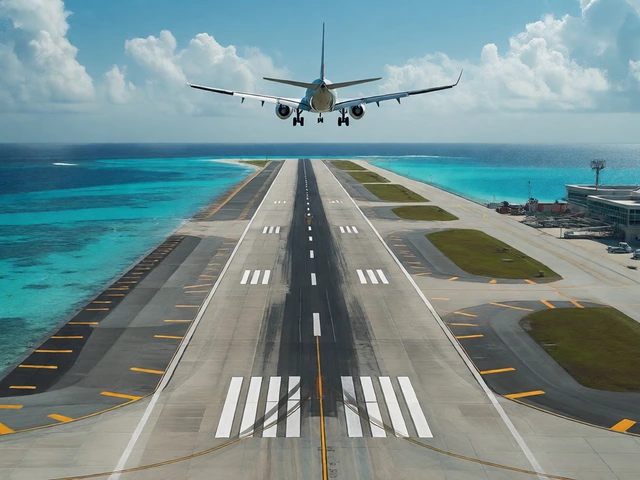
Flights between Bengaluru, Kochi, and Chennai are frequent and cheap-sometimes as low as ₹2,500 one-way. But unless you’re skipping from the southern tip of Kerala to Tamil Nadu’s east coast, flying doesn’t save time. The airport is 45 minutes from Bengaluru city. Kochi’s airport is an hour from the backwaters. Add check-in, delays, and transfers, and you’re not saving much.
Use flights only if you’re short on time. Like if you’ve got two days in Munnar and need to get to Pondicherry fast. Otherwise, stick to the ground. The views from the road are better anyway.
What to avoid
Don’t rely on ride-hailing apps like Ola or Uber for long distances. They’re great for short hops in cities, but for a 200-km trip, they’re expensive and unreliable. Drivers often cancel if the destination is far.
Don’t rent a scooter unless you’ve ridden in India before. The traffic is a dance of chaos-motorcycles weaving between buses, cows crossing without warning, trucks with no lights. It’s thrilling for some. Dangerous for others.
And don’t try to do everything. South India isn’t a checklist. It’s a feeling. You can’t rush the taste of a fresh jackfruit or the silence of a temple courtyard at dawn. Slow down. Let the rhythm find you.
Sample 7-day itinerary: The Kerala & Tamil Nadu Loop
- Day 1-2: Arrive in Kochi. Stay in Fort Kochi. Take a walking tour, see the Chinese fishing nets, catch a Kathakali performance.
- Day 3: Take a morning train to Alleppey (2 hours). Check into a homestay. Ride a public ferry through the backwaters.
- Day 4: Hire a driver for the day. Drive to Munnar (3.5 hours). Walk through tea estates, visit a spice garden.
- Day 5: Drive to Thekkady (3 hours). Take an evening boat ride in Periyar Wildlife Sanctuary.
- Day 6: Train to Madurai (7 hours). Check into a heritage guesthouse near the Meenakshi Temple.
- Day 7: Explore the temple at dawn. Catch the afternoon train back to Chennai or Bengaluru.
This route mixes trains, local drivers, and boats. It costs under ₹15,000 per person (excluding flights). And it gives you the real South India-not the Instagram version.
Final tip: Travel like a local
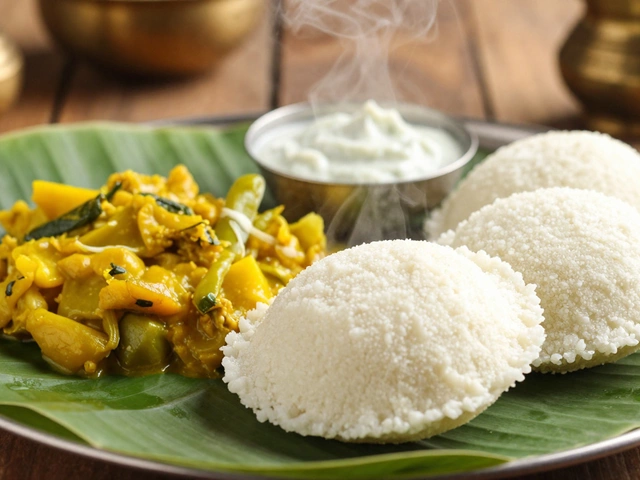
The best way to travel in South India isn’t about the vehicle you choose. It’s about how you move through it. Sit on the floor of the train and eat your snack with your hands. Ask the bus conductor where the best idli is. Say thank you in Tamil or Malayalam-even if it’s just “Nandri” or “Nanban.”
People here notice. And when they do, they’ll point you to a hidden temple, invite you to a festival, or hand you a ripe mango with a smile. That’s the real reward. Not the view from a luxury resort. But the moment someone you just met becomes your guide.
Is it safe to travel in South India alone?
Yes, South India is one of the safest regions in India for solo travelers, especially for women. Cities like Mysore, Coimbatore, and Kochi have low crime rates and are very welcoming. Stick to well-traveled routes, avoid isolated areas at night, and dress modestly in rural or religious zones. Most locals are helpful and will go out of their way to guide you.
What’s the best time of year to travel in South India?
October to March is ideal. The weather is dry and cool, especially in the hills and coastal areas. Avoid June to August-the monsoon hits hard in Kerala and Karnataka. July can be beautiful in Munnar, but roads get slippery. December is peak season, so book trains and homestays early.
Can I use my credit card everywhere in South India?
No. While big hotels, restaurants, and train bookings accept cards, most small shops, street vendors, temple donations, and local buses only take cash. Always carry ₹2,000-₹5,000 in small bills. ATMs are common in cities, but they can run out in villages. Withdraw money in towns, not remote areas.
Do I need to learn any local languages?
Not fluently, but learning a few phrases helps. In Tamil Nadu, “Vanakkam” (hello) and “Nandri” (thank you) go a long way. In Kerala, “Snehithane” (friend) and “Nanban” (thank you) are warmly received. Most people speak basic English, but a little effort builds instant trust.
What should I pack for South India travel?
Light cotton clothes, a light jacket for hills, a reusable water bottle, a small towel, sunscreen, and a basic first-aid kit. Bring a power bank-outlets are rare on buses and trains. Avoid heavy luggage. Most guesthouses have laundry. And leave room for spices-you’ll want to bring back cardamom, black pepper, and turmeric.

About Author