Jodhpur: The Blue City of India - A Complete Travel Guide
Jodhpur Adventure & Season Planner
Select your preferred travel month and adventure style to get personalized recommendations for visiting the Blue City.
Your Personalized Jodhpur Itinerary
Recommended Activities
Essential Packing Tips
Where to Stay & Eat
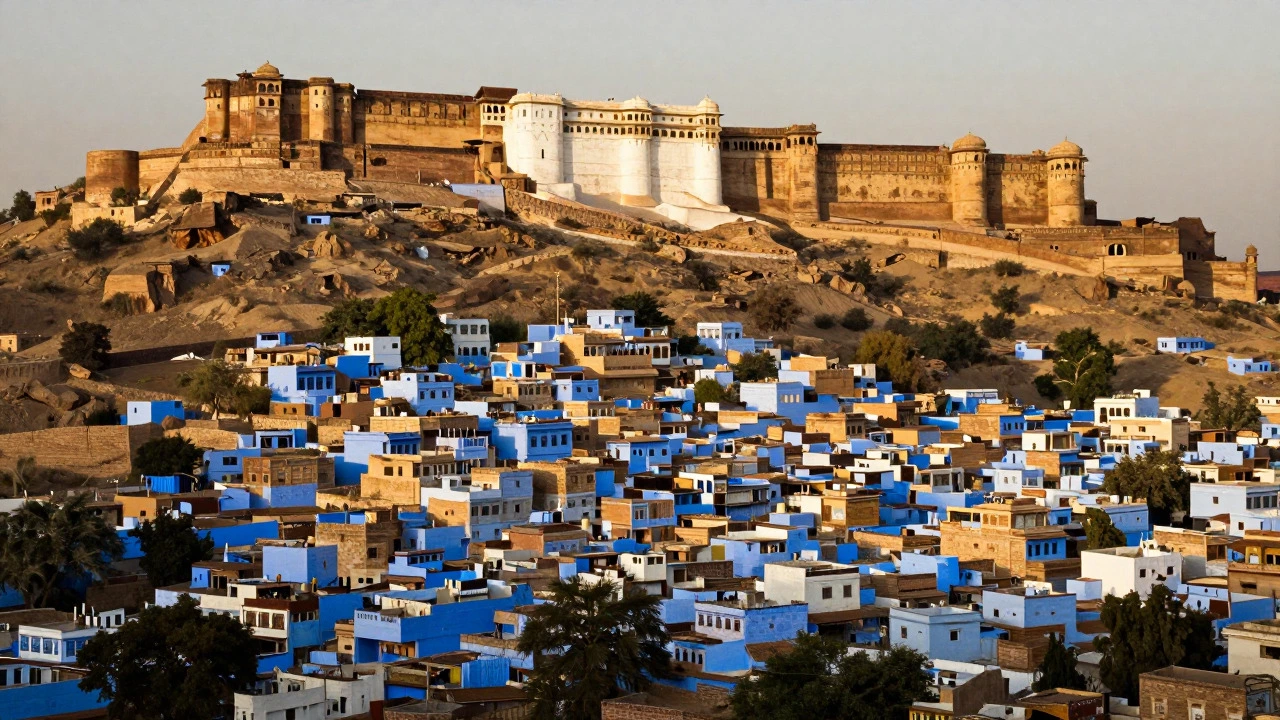
You’ve probably seen the photos. Endless rows of houses painted in a striking, dusty blue, climbing up the side of a massive hill, with a fortress looming above them. It looks like something out of a fantasy novel, not a real place you can visit. But it is real. And if you are planning a trip to India, specifically one that mixes culture with a bit of adventure, this city should be at the top of your list.
The city known as the Blue City of India is Jodhpur. Located in the state of Rajasthan, it is one of the few places on earth where urban architecture creates such a vivid visual identity. But why is it blue? Is it just for aesthetics, or is there a deeper reason behind the paint?
Why Are the Houses in Jodhpur Painted Blue?
There isn’t just one answer to this question. Like many traditions in India, the origins of the blue color blend practical science, social hierarchy, and religious belief into a single custom.
The Brahmin Connection: Historically, the blue color was associated with the Brahmin caste (priests and scholars). According to legend, the sage Vashishtha guided Maharaja Man Singh to build Jodhpur. To honor him, the Brahmins living in the area began painting their homes blue. Over time, other residents followed suit, creating the sea of blue we see today.
However, there is also a very practical reason. Jodhpur sits in the Thar Desert. Summer temperatures regularly soar above 45°C (113°F). The specific type of lime wash used to create the blue pigment acts as a natural insect repellent. More importantly, the light color reflects heat rather than absorbing it, keeping the interiors of the narrow-walled houses significantly cooler than unpainted structures.
So, when you walk through the old city, you are looking at a tradition that started with respect for a spiritual guide but evolved into a survival mechanism against the desert heat.
Mehrangarh Fort: The Crown Jewel
You cannot talk about Jodhpur without talking about Mehrangarh Fort. This isn't just a museum; it’s a massive military structure built from white sandstone. Constructed in 1459 by Rao Jodha, the fort stands 150 meters high on a cliff overlooking the city.
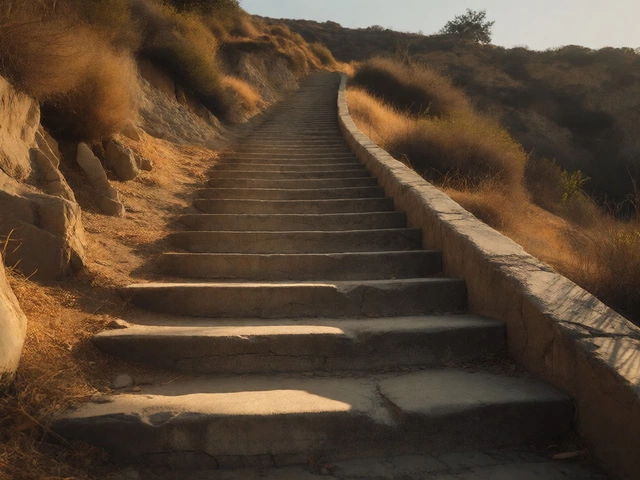
Walking up to the fort is an experience in itself. The entrance gate is incredibly narrow-just wide enough for a horse and rider-to make it difficult for invaders to charge through. Once inside, you find yourself in a complex of palaces, temples, and gardens.
The view from the top is breathtaking. You look down onto the blue rooftops of the old city, which seem to stretch endlessly until they meet the arid landscape of the desert. The fort houses an excellent museum with intricate carriages, weapons, and textiles that belonged to the royal family. It gives you a tangible sense of the power and wealth that once flowed through this region.
Exploring the Old City: A Sensory Adventure
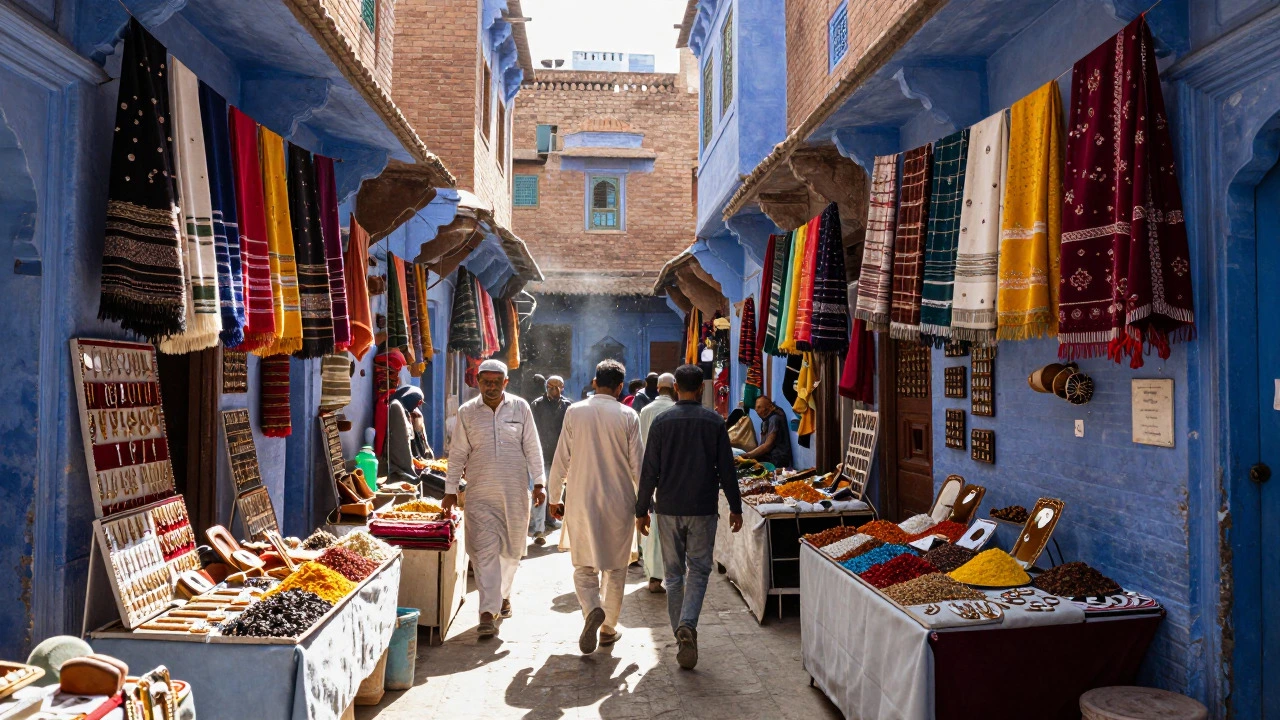
Leaving the fort, you descend into the labyrinthine streets of the old city. This is where the "adventure" part of your trip comes in. Navigating these narrow alleys requires curiosity and a willingness to get lost.
- Sardar Market: This is the heart of local commerce. Here, you will find everything from fresh spices and dried fruits to traditional Rajasthani jewelry and colorful fabrics. It is chaotic, loud, and absolutely essential for understanding daily life in Jodhpur.
- Umaid Bhawan Palace: While the old city is medieval, this palace is Art Deco. Built in the 1940s, it now serves partly as a luxury hotel and partly as a museum. It offers a stark contrast to the ancient stone of Mehrangarh.
- Jaswan Thara: For a quieter perspective, head to this small temple perched on a rocky outcrop near the fort. It offers a panoramic view of the city that rivals the fort itself but without the crowds.
Adventure Sports Near Jodhpur
Since this article falls under the context of adventure sports in India, it is worth noting that Jodhpur is more than just sightseeing. The surrounding desert landscape offers unique opportunities for thrill-seekers.
| Activity | Location | Difficulty Level | Best Time to Go |
|---|---|---|---|
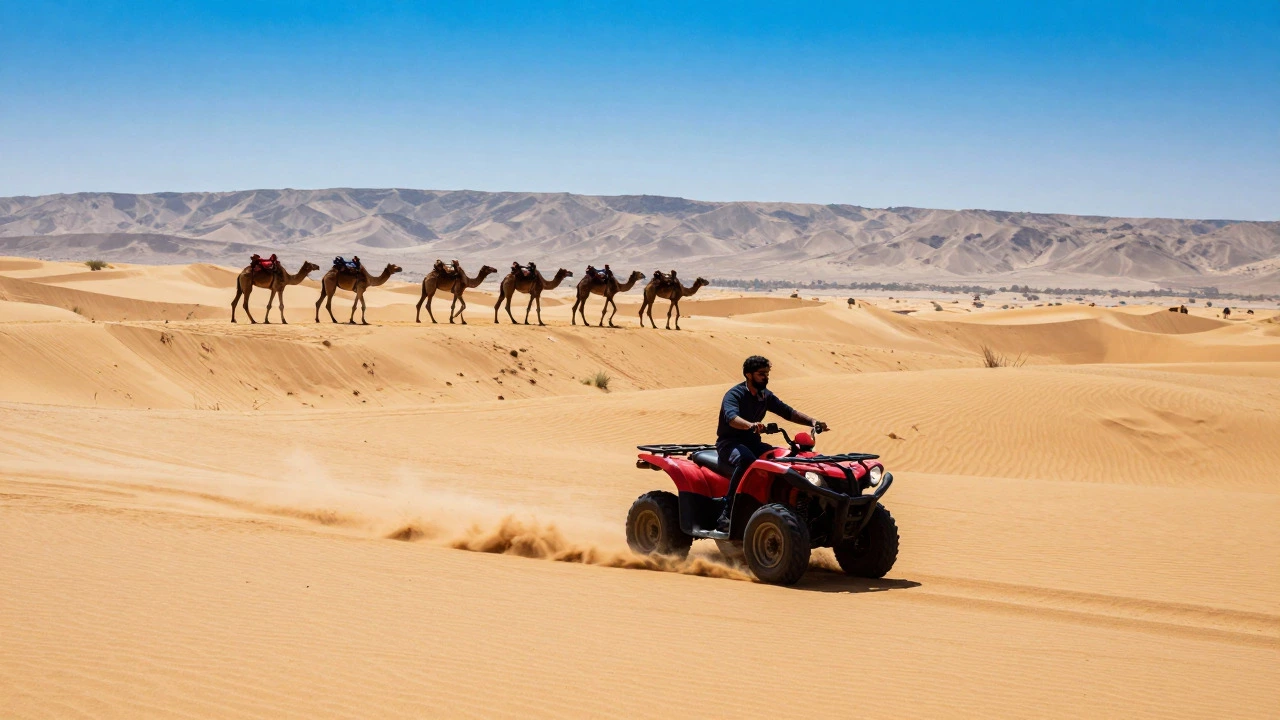
| Camel Safari | Sam Sand Dunes (nearby) | Easy | October - March |
| Quad Biking | Desert outskirts | Moderate | Year-round (avoid peak summer) |
| Paragliding | Montgomery Pass | Moderate to Hard | Post-monsoon (Sept-Nov) |
| Trekking | Aravalli Hills | Moderate | Winter months |
The Aravalli Hills, which run through Rajasthan, offer some of the oldest mountain ranges in the world. Trekking here provides a rugged, raw experience that contrasts sharply with the polished palaces of the city. If you prefer speed, quad biking in the sandy dunes nearby allows you to cover large distances while experiencing the harsh beauty of the Thar Desert.
When to Visit Jodhpur
Timing is critical in desert tourism. Jodhpur has three distinct seasons, and choosing the wrong one can ruin your trip.
- Summer (April to June): Avoid this if possible. Temperatures exceed 45°C. The heat is intense, making outdoor exploration exhausting and sometimes dangerous.
- Monsoon (July to September): The rains bring relief from the heat and turn the landscape green. However, humidity is high, and some trekking routes may become slippery or inaccessible.
- Winter (October to March): This is the ideal time. Days are warm and sunny, perfect for exploring the fort and markets. Nights are cool, requiring a light jacket. Most adventure activities operate at full capacity during this period.
Practical Tips for Your Visit
To make the most of your time in the Blue City, keep these practical details in mind:
- Dress Code: Cotton clothing is best due to the climate. When visiting temples or the Umaid Bhawan Palace, modest dress is appreciated. Covering shoulders and knees shows respect for local customs.
- Hydration: Carry water at all times. Even in winter, the air is dry, and dehydration can set in quickly if you are walking around the fort or trekking.
- Negotiation: In Sardar Market, prices are rarely fixed. Bargaining is expected. Start at about half the quoted price and negotiate respectfully. It’s part of the cultural experience.
- Photography: While the blue houses are great for photos, always ask permission before photographing locals, especially women. Some areas within the old city are private residences, not public attractions.
Getting There and Around
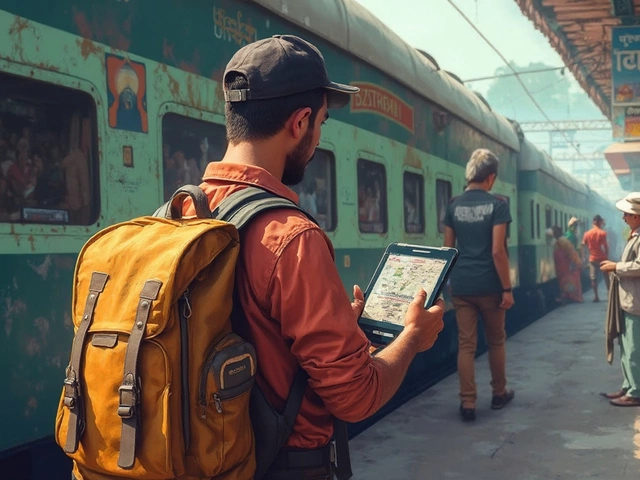
Jodhpur is well-connected. It has its own airport with regular flights from major Indian cities like Delhi, Mumbai, and Bangalore. The railway station is also a major hub, offering direct trains from across the country.
Within the city, auto-rickshaws are the primary mode of transport. They are affordable but you must agree on the fare before getting in, as meters are rarely used. For a more immersive experience, simply walk. The old city is compact, and wandering through the blue streets is the best way to discover hidden courtyards and street food stalls.
Is Jodhpur safe for solo travelers?
Yes, Jodhpur is generally considered safe for solo travelers, including women. The locals are hospitable and accustomed to tourists. However, standard precautions apply: avoid walking alone in isolated areas at night, keep valuables secure in crowded markets, and dress modestly to minimize unwanted attention.
How many days do I need to explore Jodhpur?
A minimum of two to three days is recommended. One day is sufficient for Mehrangarh Fort and the old city walk. An additional day allows for visiting the Umaid Bhawan Palace, shopping in Sardar Market, and perhaps a short excursion to the nearby desert or hills for adventure activities.
What is the best food to try in Jodhpur?
Jodhpur is famous for its spicy and flavorful cuisine. Must-try dishes include Mirchi Bada (chili fritters), Dal Baati Churma (a combination of lentils, wheat balls, and sweet crumbled wheat), and Ker Sangri (a tangy dish made from desert beans). Street food in Sardar Market is particularly renowned.
Can I visit Mehrangarh Fort at night?
Generally, the fort is open during daylight hours only, typically from 8:00 AM to 5:00 PM. However, during special festivals like the Marwar Festival or Mewar Festival, the fort may host evening events with sound and light shows. Check the current schedule before planning a night visit.
Is Jodhpur wheelchair accessible?
Accessibility is limited in the old city due to narrow, uneven streets and steps. However, Mehrangarh Fort has installed ramps and lifts to improve access for visitors with mobility issues. The Umaid Bhawan Palace is also largely accessible. Planning ahead is essential for those with specific needs.
About Author

Popular Posts