Does India Have Tropical Beaches? The Ultimate Guide to India's Coastlines
India Beach Destination Planner
- Best For:
- Ocean Body:
- Pro Tip:
You might picture India as a land of ancient temples, bustling markets, and high-altitude mountains. But if you think the coastline is just an afterthought, you are missing half the story. Does India have tropical beaches? Absolutely. In fact, it has some of the most diverse coastal ecosystems on the planet. From the party-heavy shores of the west coast to the pristine, untouched sands of the union territories in the east, the Indian coastline stretches over 7,500 kilometers.
The answer isn't just a simple 'yes.' It is a question of *where* and *when*. India sits right across the equator's northern belt, meaning its southern states and island territories offer true tropical climates year-round. However, the experience changes drastically depending on which side of the peninsula you stand on. To help you find your perfect slice of paradise, let's break down the geography, the seasons, and the specific destinations that define India's tropical allure.
Understanding India's Coastal Geography
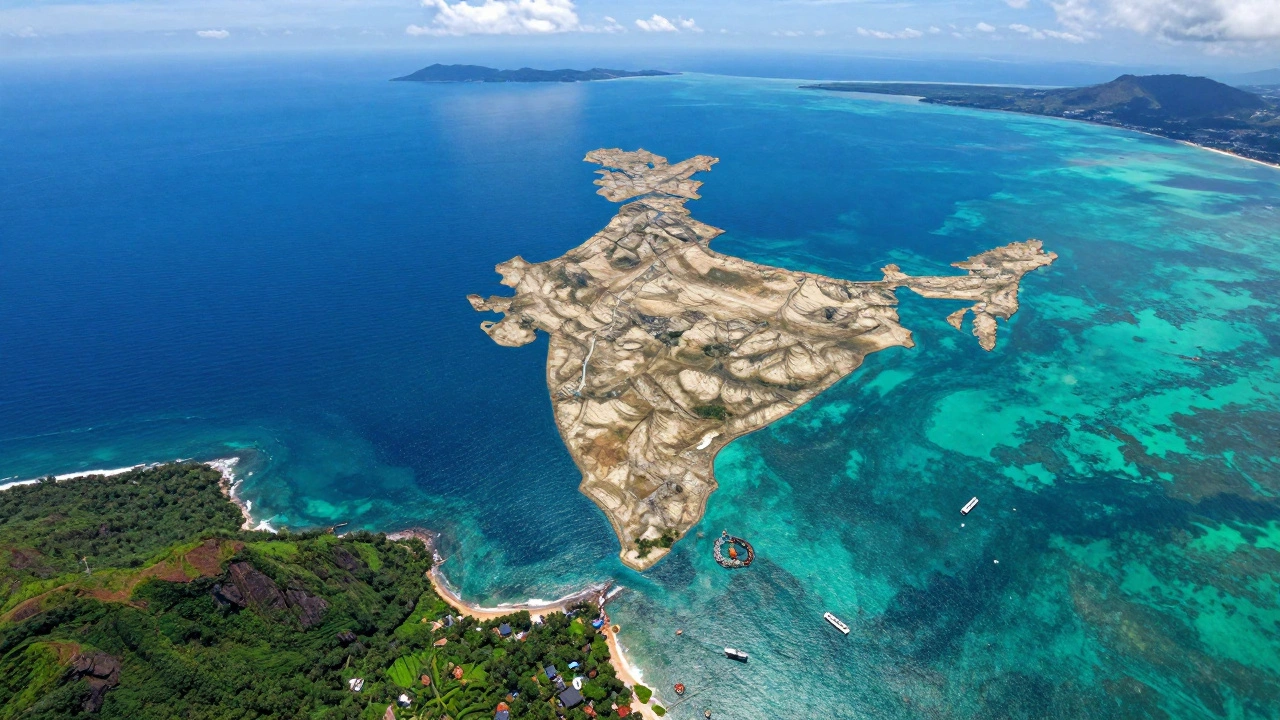
To understand why India's beaches vary so much, you need to look at the map. The country is shaped like a diamond pointing south into the Indian Ocean. This creates two distinct coasts with different weather patterns and vibes.
On the western side, you have the Arabian Sea coast. This side includes states like Gujarat, Maharashtra, Goa, Karnataka, and Kerala. The waters here tend to be clearer and calmer for longer periods because the Arabian Sea is less prone to massive cyclones compared to the Bay of Bengal. This makes the west coast, particularly Goa and Kerala, accessible for swimming and water sports during the winter months (November to February).
On the eastern side, you have the Bay of Bengal coast. This includes Odisha, Andhra Pradesh, Tamil Nadu, and the island territories of the Andaman and Nicobar Islands. The Bay of Bengal is warmer and more volatile. While the mainland east coast can get rough in the monsoon season, the islands further out in the bay offer some of the most dramatic and untouched tropical scenery in Asia.
| Region | Ocean Body | Best Time to Visit | Vibe |
|---|---|---|---|
| West Coast (Goa/Kerala) | Arabian Sea | Nov - Feb | Social, Cultural, Lively |
| East Coast (Andaman) | Bay of Bengal | Oct - May | Pristine, Adventure, Secluded |
| Lakshadweep | Arabian Sea | Oct - May | Exclusive, Eco-Tourism, Calm |
Goa: The Party Capital with Hidden Gems
When people ask about tropical beaches in India, they usually mean Goa first. It is the most famous beach destination in the country for a reason. But Goa is not just one thing. It is divided into North Goa and South Goa, and the difference is night and day.
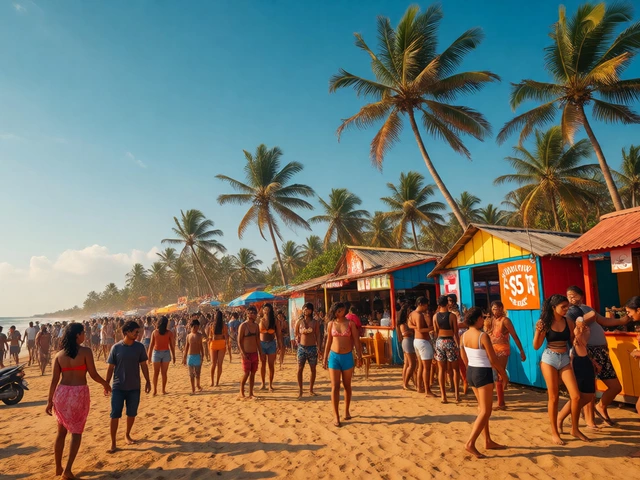
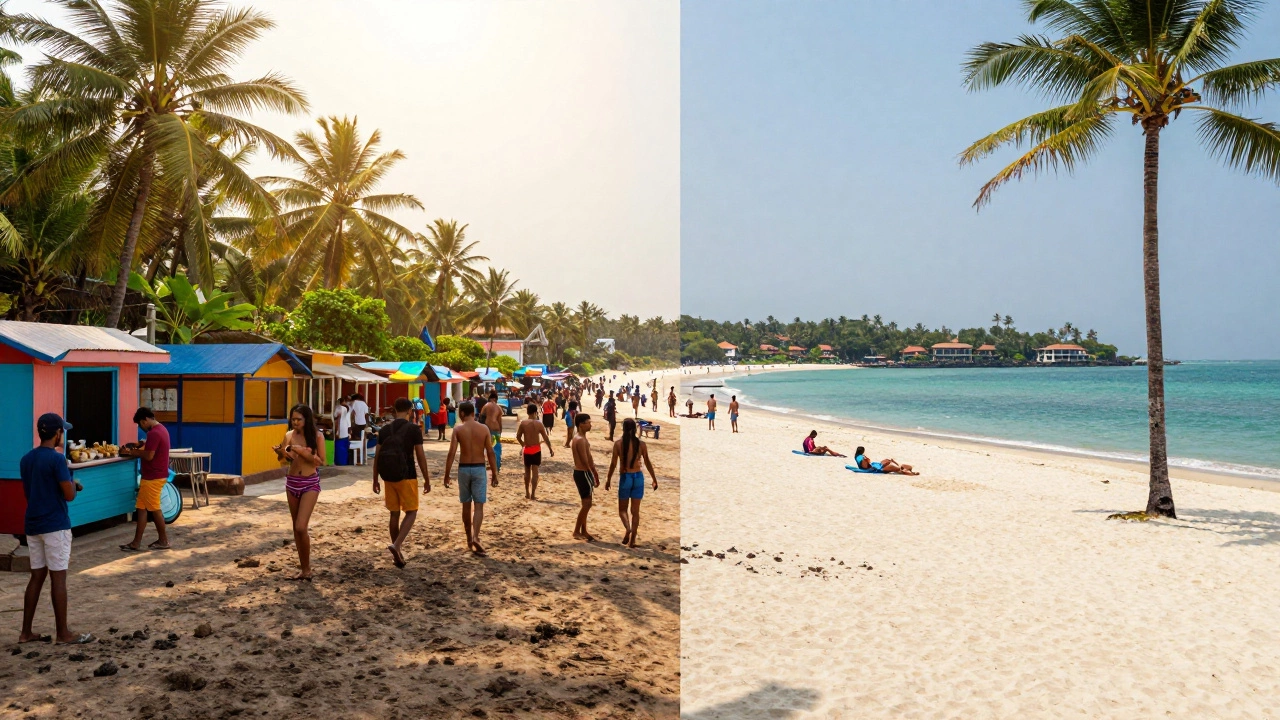
North Goa is where the energy lives. Places like Baga, Calangute, and Anjuna are packed with shacks serving fresh fish curry, loud music, and crowds of young travelers. If you want to swim, you have to be careful; the currents here can be strong, and lifeguards are often busy managing the sheer volume of people. The sand is darker, almost black in places, due to the mineral content from the Western Ghats rivers.
Head south, and the vibe shifts completely. South Goa offers white sands and calm turquoise waters. Palolem Beach is often cited as the best swimming spot in Goa. Colva and Agonda are quieter, lined with palm trees and luxury resorts. Here, you can actually relax without fighting for space on a towel. The water temperature stays around 28°C (82°F) year-round, making it genuinely tropical.
Kerala: Where the River Meets the Sea
If Goa is about parties, Kerala is about peace. Known as "God's Own Country," this state on the southwest coast offers a unique blend of beach and backwater experiences. The capital city, Thiruvananthapuram, sits on the coast, but the real magic happens in towns like Varkala and Kovalam.
Varkala stands out because it is built on cliffs. You walk down steep steps to reach the sandy shore below, offering panoramic views of the Arabian Sea. The sand here is reddish-brown, rich in iron oxide, which gives it a warm glow under the sun. Unlike the wide, flat expanses of Goa, Varkala feels more intimate and rugged.
Kovalam, nearby, is crescent-shaped and very developed. It’s great for beginners who want easy access to amenities. But the true tropical experience in Kerala comes when you combine the beach with the backwaters. Imagine staying on a houseboat in Alleppey by day, watching coconut palms sway, and then driving down to the sea by evening. That contrast between fresh water lagoons and saltwater ocean is unique to this region.
The Andaman and Nicobar Islands: Pristine Paradise
If you want beaches that rival the Maldives or Fiji, you need to go to the Andaman and Nicobar Islands. These islands are located deep in the Bay of Bengal, far from the mainland. They are a volcanic archipelago, which means the geology is different-think coral reefs, limestone caves, and crystal-clear water.
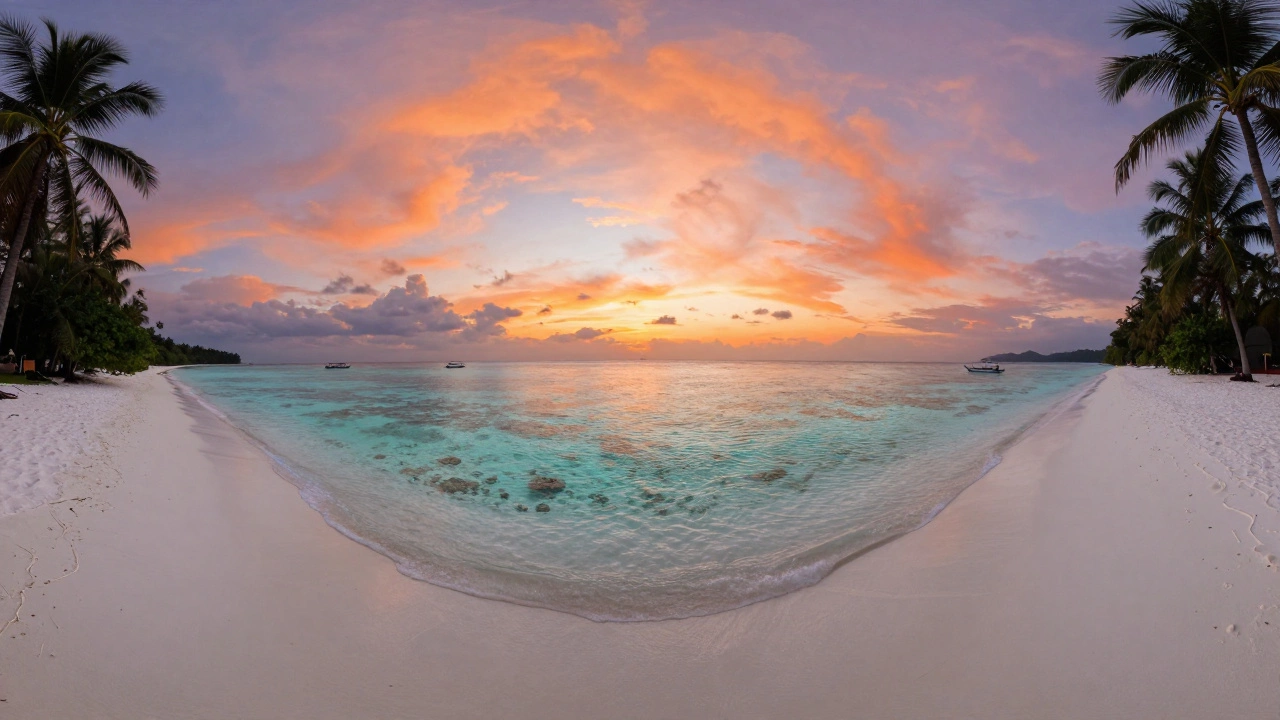
Havelock Island, now officially called Swaraj Dweep, is home to Radhanagar Beach. Many travel magazines have ranked this as one of the best beaches in Asia. The sand is pure white, the water is shallow and transparent, and the sunset is spectacular. Because it is an island group, the biodiversity is immense. You can snorkel over coral gardens teeming with colorful fish just meters from the shore.
Nicobar Islands, further south, are even more restricted and wild. Access is limited to protect the indigenous tribes and the fragile ecosystem. For the average traveler, Havelock and Neil Island (Raavi Dweep) offer the perfect balance of adventure and relaxation. The water here is warmer than the mainland, and the humidity is higher, giving it that intense tropical feel.
Lakshadweep: The Exclusive Escape
Fewer tourists know about Lakshadweep, a group of tiny islands off the coast of Kerala in the Arabian Sea. Unlike the Andamans, which are easily accessible by ferry, getting to Lakshadweep requires a permit for foreign nationals and strict booking processes for everyone else. This exclusivity keeps the islands uncrowded.
Bangaram Island is a sandbar that emerges only during low tide, creating a surreal landscape where you can lie on dry sand surrounded by waist-deep water. The coral reefs here are among the healthiest in the world. Because tourism is tightly regulated to protect the environment, there are no large hotels on the main islands. Instead, you stay in eco-resorts or houseboats. It is quiet, serene, and visually stunning. If you hate crowds and love marine life, this is your top choice.
Timing Your Visit: The Monsoon Factor
Here is the tricky part about tropical beaches in India: the monsoon. India has two monsoon seasons, and they hit different coasts at different times. Getting this wrong can ruin your trip.
- June to September: The Southwest Monsoon hits the West Coast (Goa, Kerala). Rain is heavy, seas are rough, and many boat services stop. However, the East Coast (Andaman) is generally dry and pleasant during these months. If you want a beach holiday in summer, go to the Andamans.
- October to November: The monsoon retreats from the West Coast. The landscapes are green, and the water is clearing up. This is a great shoulder season to visit Goa and Kerala before the peak crowds arrive.
- December to February: This is peak season for the entire West Coast and the Andamans. Weather is dry, sunny, and cool enough to be comfortable. Prices are highest, and beaches are busiest.
- March to May: Summer heats up. Temperatures can soar above 35°C (95°F). While still sunny, it can be uncomfortably hot for daytime activities. Early morning and late afternoon are the best times to be on the beach.
Practical Tips for Beach Travelers
Traveling to India's beaches requires a bit of preparation. Here is what you need to know to make your trip smooth.
Swimming Safety: Not all Indian beaches are safe for swimming. Always look for red flags indicating dangerous currents. In Goa, the north coast has stronger waves than the south. In the Andamans, always follow the guide's instructions when snorkeling. Jellyfish stings are rare but possible, so wear protective clothing if advised.
Clothing and Culture: While beachwear is acceptable on designated tourist beaches like those in Goa and the Andamans, modesty is appreciated elsewhere. When leaving the beach area, cover up. In Kerala and smaller fishing villages, wearing shorts and tank tops in public spaces outside the resort or beach zone can attract unwanted attention. Carry a light scarf or sarong.
Food and Hygiene: Beach shacks are a highlight of Indian coastal travel. Try the local specialties: fried prawns in Goa, banana leaf meals in Kerala, and smoked fish in the Andamans. Stick to bottled water and avoid ice cubes unless you are sure they are made from filtered water. Street food is delicious but carry hand sanitizer.
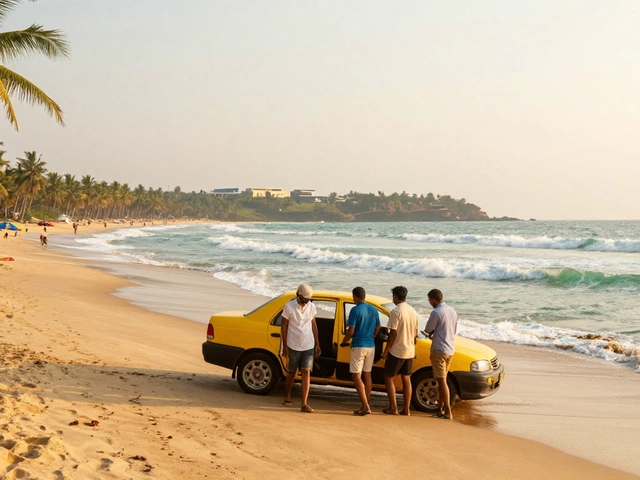
Transportation: In Goa, renting a scooter is common but risky if you are not an experienced rider. Traffic can be chaotic. In the Andamans, ferries connect the islands, and schedules can change due to weather. Book tickets well in advance, especially during December and January.
Conclusion: Finding Your Perfect Beach
So, does India have tropical beaches? Yes, and it has them in abundance. Whether you want the vibrant nightlife of Goa, the spiritual calm of Kerala, the adventurous clarity of the Andamans, or the exclusive serenity of Lakshadweep, there is a shoreline waiting for you. The key is matching your expectations with the right location and timing. Plan carefully, respect the local culture, and you will find that India's coastlines offer a depth of experience that goes far beyond just sand and sun.
Are Indian beaches safe for swimming?
Many Indian beaches are safe, but you must check conditions daily. Look for green flags and lifeguard presence. Avoid swimming at night or during monsoon season. In Goa, South Goa beaches like Palolem are safer for swimming than North Goa beaches like Baga. In the Andamans, always swim within designated zones marked by guides.
What is the best time to visit Indian beaches?
The best time depends on the region. For Goa and Kerala, visit between November and February. For the Andaman and Nicobar Islands, October to May is ideal. Avoid the monsoon months (June-September) for the West Coast, as seas are rough and rain is heavy.
Do I need a visa for the Andaman Islands?
Indian citizens do not need a separate permit for the Andamans. Foreign nationals need an e-Visa for India, which covers the Andaman Islands. However, certain protected areas within the islands require additional permits from the Forest Department, which tour operators usually arrange.
Is Lakshadweep open to all tourists?
Lakshadweep is open to Indian tourists with prior registration. Foreign nationals require a special permit from the Government of India, which can take time to process. Due to environmental protections, tourism numbers are strictly limited, so booking accommodation and transport months in advance is essential.
Can I wear bikinis on Indian beaches?
Yes, swimwear is acceptable on major tourist beaches in Goa, Kerala (like Kovalam), and the Andaman Islands. However, it is considered disrespectful to wear revealing clothing away from the beach area. When visiting local markets, temples, or residential areas, dress modestly with shoulders and knees covered.

About Author

Popular Posts