What Is the Most Famous Culture in India? A Real Look at Its Living Traditions
When people ask what the most famous culture in India is, they’re usually thinking of something grand-temple carvings, colorful festivals, or Bollywood dances. But India doesn’t have one single culture. It has dozens, each as deep and distinct as the languages spoken across its states. If you’re looking for the most famous, you’re really asking which one draws the most tourists, the most attention, the most photos. And the answer isn’t a place-it’s a blend.
North India’s Cultural Dominance
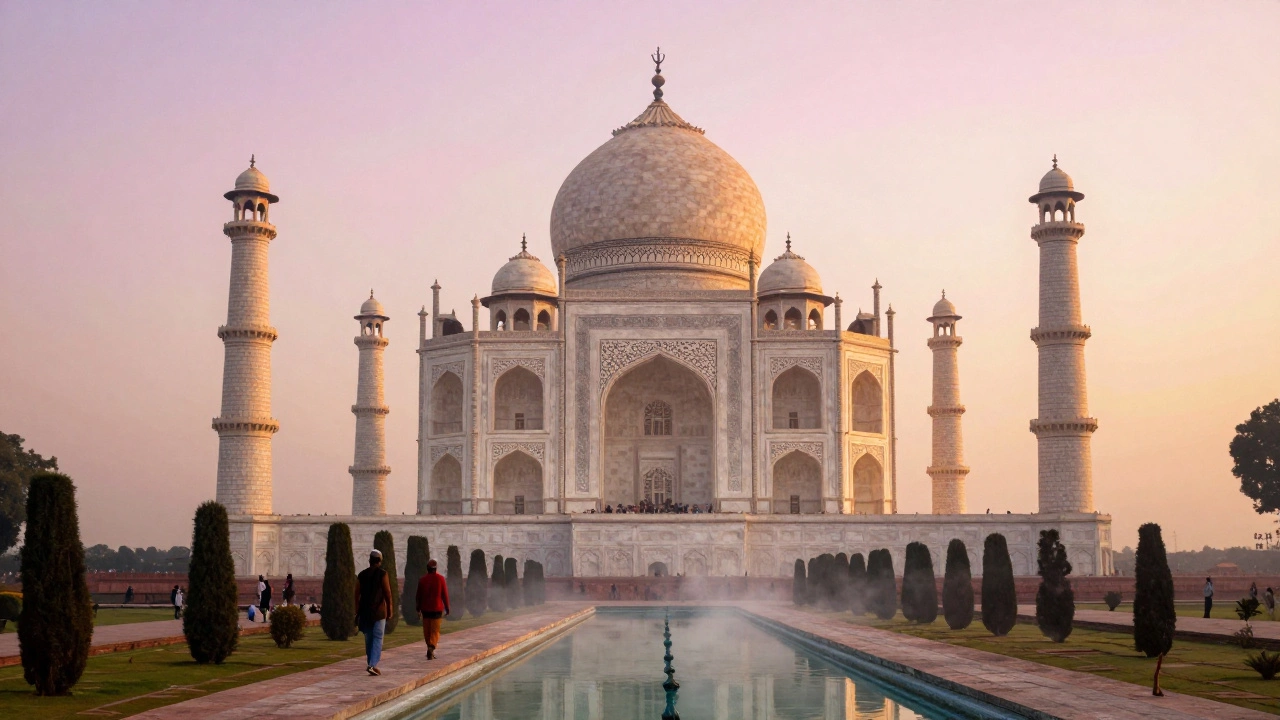
The culture most people recognize as "Indian" comes from North India. It’s the one you see in travel brochures: the Taj Mahal glowing at sunrise, the bustling streets of Jaipur, the spiritual smoke of Varanasi’s ghats. This region shaped how the world sees India. Mughal architecture, Hindustani classical music, Punjabi bhangra, and the elaborate rituals of Diwali all originated or became globally known here.
Delhi, Agra, and Jaipur form the Golden Triangle-the most visited cultural circuit in the country. Tourists come here not just to see monuments, but to experience the layers of history: Persian-inspired gardens, Rajput palaces, and the living traditions of street food like butter chicken and kebabs. These aren’t museum pieces. They’re daily life.
North India’s culture is loud, colorful, and deeply religious. Temples in Varanasi stay open 24 hours. Pilgrims bathe in the Ganges at dawn. Wedding processions fill the roads with music and dancing. It’s this intensity that makes it the most famous.
But Is It the Most Representative?
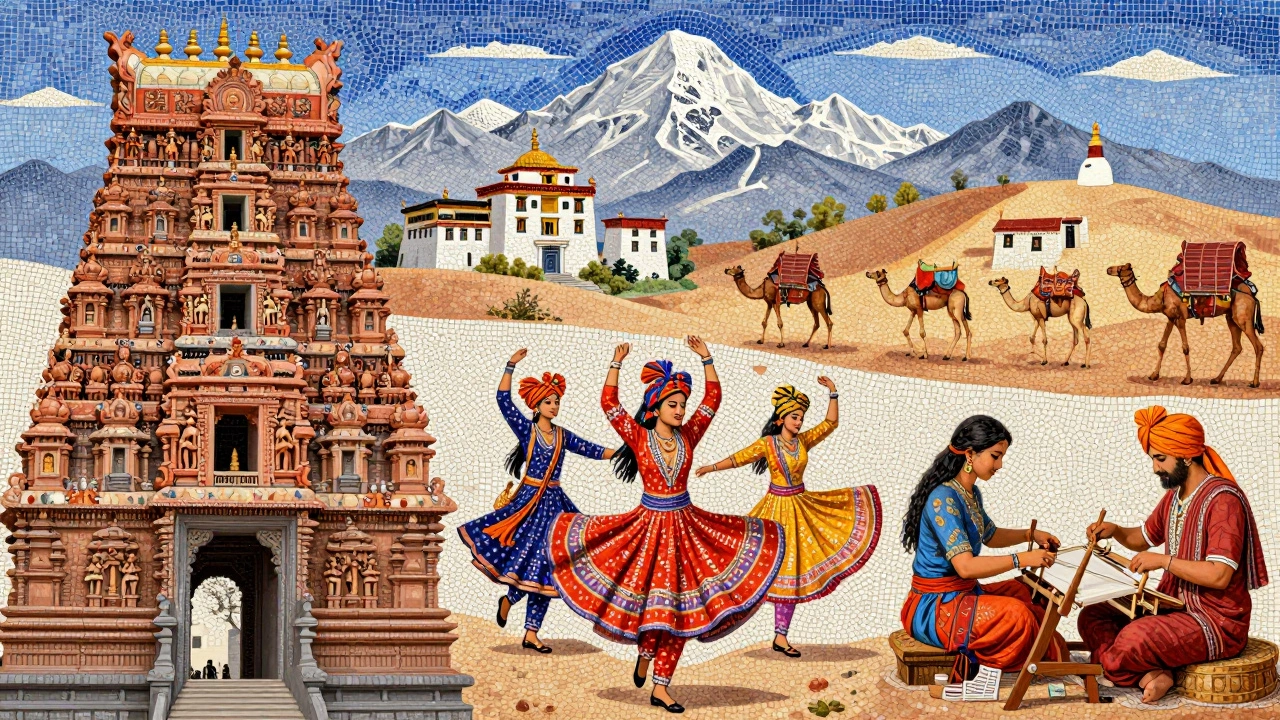
Just because North India is the most famous doesn’t mean it’s the most typical. India’s 28 states each have their own languages, foods, dress, and festivals. In Tamil Nadu, temple festivals last for weeks, with deities carried on towering chariots. In Kerala, they perform Kathakali, a dance-drama with elaborate makeup that tells ancient epics. In Assam, silk weaving is a centuries-old craft passed from mother to daughter.
South India’s culture is older in many ways. The temples of Mahabalipuram date back to the 7th century. The Dravidian architecture-tall gopurams covered in clay statues-is unlike anything in the north. And while North India celebrates Diwali, South India marks it as Naraka Chaturdashi, with oil baths at dawn and fireworks at sunrise.
Western India, like Gujarat, has its own rhythm. The Rann of Kutch hosts one of the largest folk festivals in Asia, with camel races, embroidery markets, and Sufi music under the stars. Rajasthan’s desert communities still live in mud houses and wear turbans that signal their caste and clan.
India’s culture isn’t one thing. It’s 1.4 billion people, 22 officially recognized languages, and over 2,000 ethnic groups. To call one culture "the most famous" is like saying the most famous ocean is the Pacific because it’s the biggest. It’s true-but it ignores the depth of the Indian Ocean, the Atlantic, the Arctic.
Why Tourists Fixate on North India
There’s a practical reason North India dominates cultural tourism. It’s easier to get to. Delhi has the most international flights. The roads between Agra, Jaipur, and Delhi are well-maintained. Hotels and guides are abundant. It’s the most tourist-friendly corridor.
Also, the Mughal and British colonial history left behind monuments that fit Western ideas of "ancient" and "exotic." The Taj Mahal was built by a Muslim emperor for his wife-a love story that sells. The Red Fort, with its marble halls and gardens, looks like something from a fairy tale. These places are photogenic, easy to explain, and emotionally resonant.
South India’s culture is just as rich, but less marketed. You won’t find Kathakali dancers in most overseas travel ads. You won’t hear about Pongal on CNN. But if you go to Madurai in January, you’ll see 500,000 people gather for the Meenakshi Temple festival. The temple towers are covered in 33,000 sculptures. No one else on earth does this.
The Real Heart of Indian Culture: Daily Rituals
What makes Indian culture unforgettable isn’t the monuments. It’s the rituals you don’t see in guidebooks.
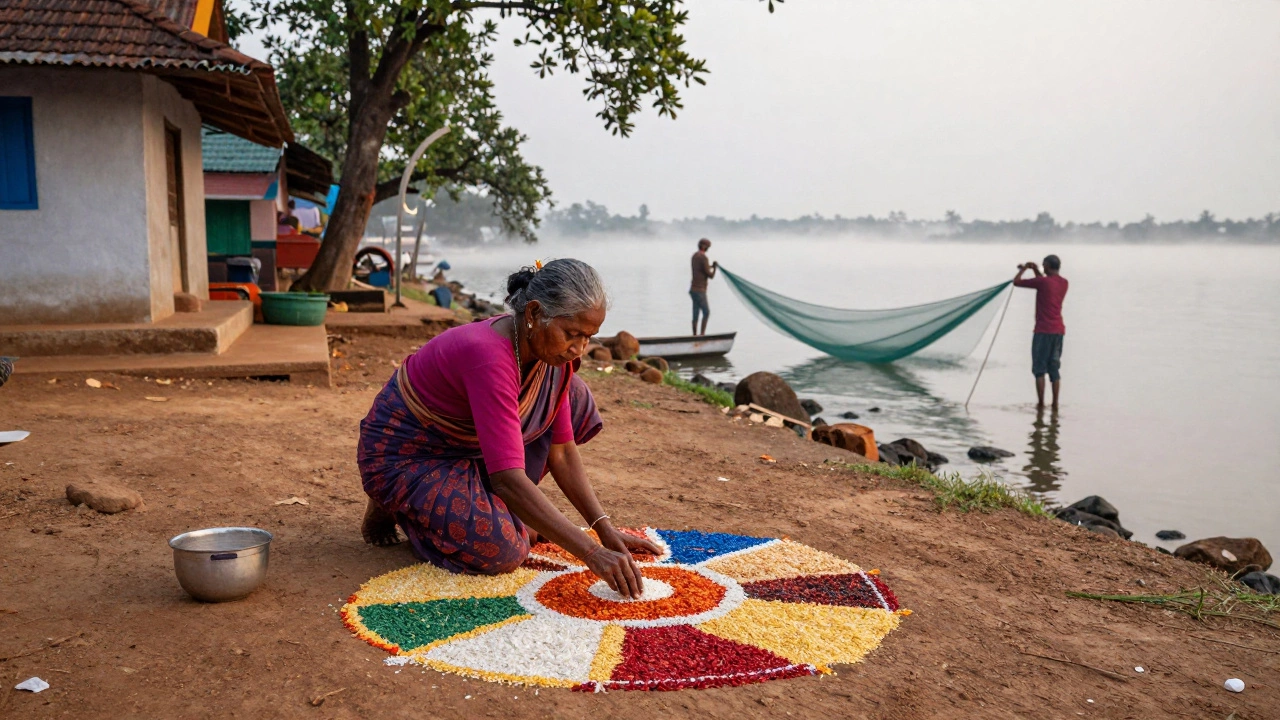
Every morning in Varanasi, women bring clay pots to the river to fill with holy water. In Bengal, families make intricate kolam patterns with colored rice outside their doors. In Odisha, fishermen still pray to the sea before setting out. In rural Punjab, elders recite poetry from Guru Nanak at sunrise.
These aren’t performances for tourists. They’re quiet, personal, and passed down for generations. You won’t find them on Instagram unless you wander off the beaten path. But they’re the real soul of India.
Ask a local what makes their culture special, and they’ll tell you about their grandmother’s cooking, the song their village sings during harvest, or the way they light lamps for ancestors. Not the Taj Mahal.
What You Miss If You Only See the Famous Parts
Most tourists stick to the Golden Triangle and leave thinking they’ve seen India. They haven’t. They’ve seen one layer.
North India’s culture is vibrant, yes-but it’s also the most influenced by outside empires. The Mughals, the British, the Persians-all left marks. South India, by contrast, preserved its Dravidian roots with less foreign interference. Northeast India, with its tribal communities, still lives in ways unchanged for millennia.
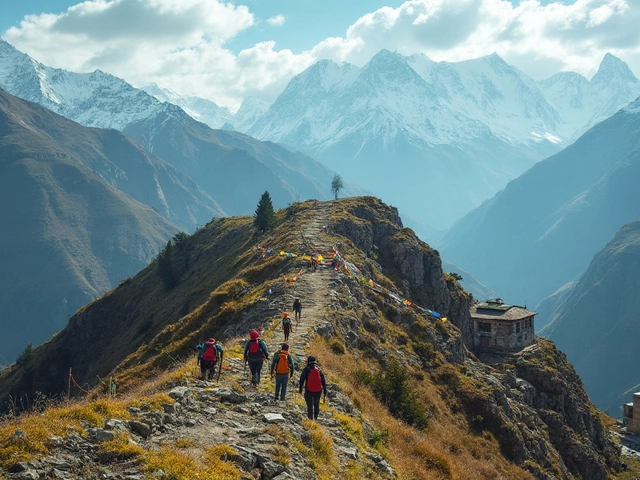
Go to Arunachal Pradesh, and you’ll meet the Apatani people who practice wet rice farming on terraced hillsides-same method since 1000 AD. Visit Ladakh, and you’ll find Buddhist monks chanting in monasteries carved into cliffs. These aren’t tourist attractions. They’re survival.
When you only see the famous culture, you miss the fact that India’s strength lies in its diversity. No single tradition defines it. That’s what makes it powerful.
How to Experience More Than the Famous Culture
If you want to go beyond the postcard version of India, here’s how:
- Visit during a regional festival, not Diwali or Holi. Try Onam in Kerala (September), Bihu in Assam (April), or Pongal in Tamil Nadu (January).
- Stay in a homestay outside major cities. In Kerala, you can sleep in a restored colonial house with a family that cooks using recipes from the 1800s.
- Learn a local craft. Take a weaving class in Kanchipuram, pottery in Khurja, or block printing in Jaipur.
- Travel by train between states. The journey between Chennai and Kolkata passes through villages where life hasn’t changed in decades.
- Ask locals what their grandparents did differently. You’ll hear stories about lost rituals, forgotten songs, and hidden temples.
India’s culture isn’t a museum. It’s a living, breathing, changing thing. The most famous parts are just the surface.
The Real Answer
There is no single most famous culture in India. But if you’re asking which one draws the most visitors, the answer is North India’s blend of Mughal grandeur, Hindu devotion, and Punjabi energy. It’s the one you’ll see on TV, in movies, and on your feed.
But if you’re asking which culture is the most authentic, the most diverse, the most deeply rooted-that’s everywhere. And if you want to understand India, you have to look beyond the Taj Mahal. Go to a village temple in Odisha. Sit with a weaver in Banaras. Taste a dish your guide’s mother made with ingredients from her childhood.
That’s when you’ll understand why India’s culture isn’t famous for being one thing. It’s famous because it refuses to be just one thing at all.
Is North Indian culture the only real Indian culture?
No. North Indian culture is the most visible to tourists, but it’s just one part of India’s vast cultural landscape. South India, the Northeast, and Western India each have unique languages, rituals, foods, and art forms that have existed for centuries-often with little outside influence. India has over 2,000 ethnic groups, and each contributes to the whole.
Why is the Taj Mahal so central to India’s cultural image?
The Taj Mahal is a symbol of love, built by a Muslim emperor for his wife, and it combines Persian, Islamic, and Indian architectural styles. Its symmetry, white marble, and romantic backstory make it visually striking and emotionally powerful. Western media and tourism campaigns have promoted it as the face of India, even though it’s just one monument among thousands.
What’s the difference between North and South Indian culture?
North India has strong Mughal and Persian influences, with languages like Hindi and Urdu, and food centered on wheat, dairy, and tandoor cooking. South India is rooted in Dravidian traditions, with languages like Tamil, Telugu, and Malayalam, and food based on rice, lentils, and coconut. Their classical dance forms-Kathak vs. Bharatanatyam-and temple architecture are also completely different.
Are festivals like Diwali the same across India?
No. Diwali is celebrated differently in every region. In North India, it marks Lord Rama’s return. In West Bengal, it’s the goddess Kali’s night. In South India, it’s called Naraka Chaturdashi and celebrates Krishna’s victory over a demon-people take oil baths before sunrise. The rituals, foods, and timing vary widely.
Can you experience authentic Indian culture without visiting temples or palaces?
Absolutely. The most authentic experiences happen in homes and villages. Eating a meal cooked by a local family, learning to weave from a grandmother, joining a village harvest song, or watching a street play in a small town-all these are deeper than any monument. Culture lives in daily habits, not just grand displays.
About Author