How Many Days Do You Need for North East India? The Perfect Itinerary Guide
North East India Trip Planner
Recommended Duration
EstimatedDays Recommended
Best States to Visit:
Key Activities:
Most travelers assume that visiting the North East India is a region comprising eight states known for its diverse culture, biodiversity, and Himalayan landscapes requires a month-long expedition. They picture endless border crossings, bureaucratic hurdles, and weeks of trekking through dense jungles. But here is the truth: you can experience the absolute best of this region in just 10 to 14 days if you plan smartly.
The question isn't really "how many days are sufficient" in a vacuum. It depends entirely on whether you want a quick taste of the hills or a deep dive into the tribal cultures and pristine nature. A weekend trip from Kolkata might get you to Darjeeling, but it won't give you the soul of the Northeast. On the other hand, trying to cover all eight states in two weeks will leave you exhausted in transit rather than enjoying the destination. Let's break down exactly how much time you need based on what you actually want to see.
The Minimum Viable Trip: 5 to 7 Days
If you are short on leave or just want to test the waters, five to seven days is your minimum. However, you cannot try to do everything. You must pick one hub. Trying to jump between states in this timeframe is a recipe for stress. Air connectivity in the Northeast is improving, but flights are frequent only from Guwahati (GAU) and Bagdogra (IXB).
Option A: The Sikkim & Darjeeling Loop (5 Days)
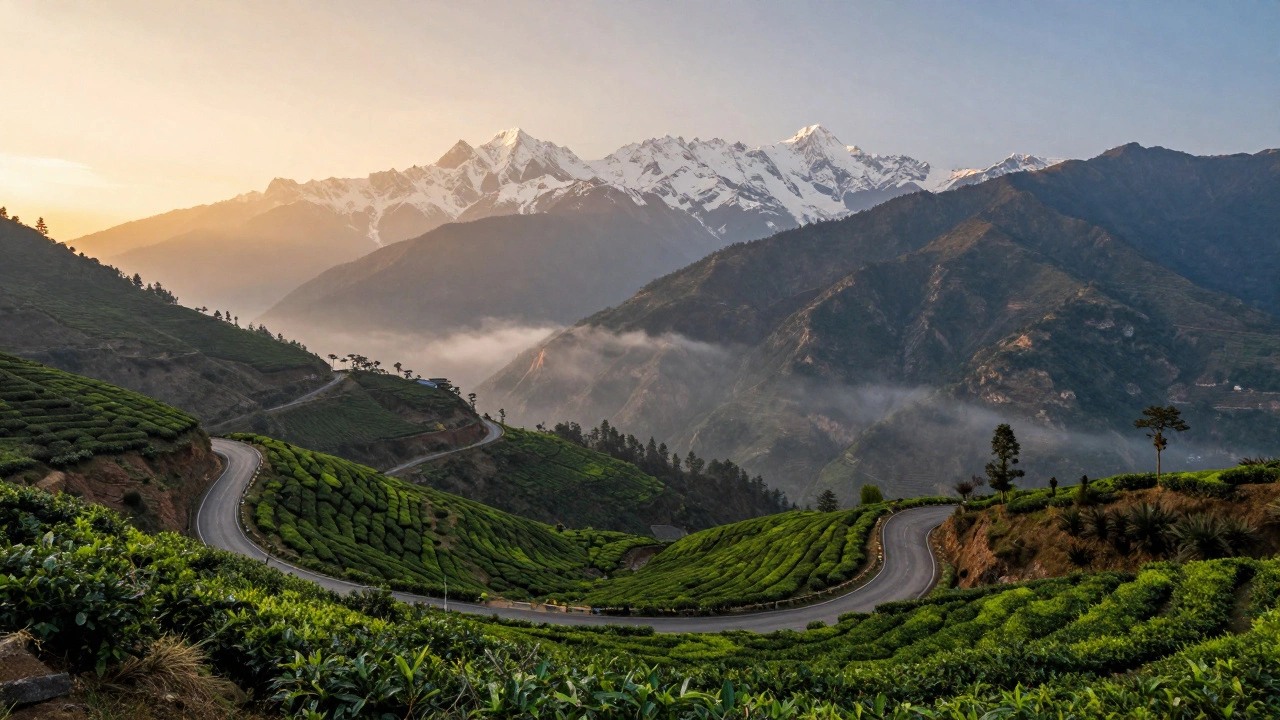
This is the most accessible entry point. You fly into Bagdogra or drive from Kolkata. Spend three days in Sikkim is an Indian state located in the eastern Himalayas, known for its mountains, monasteries, and tea gardens. Visit Gangtok, explore the Tsomgo Lake, and hike to Nathula Pass if open. Then, take a day to cross into West Bengal for a classic toy train ride in Darjeeling. This route is well-trodden, has great infrastructure, and offers stunning mountain views without requiring complex permits.
Option B: The Shillong Quick Hit (6 Days)
Fly directly to Shillong (SHI). Spend four days exploring Meghalaya is a state in northeastern India known as the 'Abode of Clouds' for its high rainfall and lush greenery. See the Living Root Bridges of Mawlynnong, visit the caves of Mawsmai, and enjoy the nightlife in Shillong. Fly back via Guwahati. This is perfect for nature lovers who want waterfalls and misty hills without the political complexity of crossing international borders.
The Sweet Spot: 10 to 14 Days
This is where the magic happens. Ten to fourteen days allows you to combine two distinct regions comfortably. You stop rushing and start experiencing. I recommend pairing a hill station with a cultural hub. The logistics become smoother because you can use Guwahati as a central transit node.
Itinerary Idea: Meghalaya + Assam (12 Days)
Start in Guwahati. Drive up to Shillong (3 hours). Spend four days in Meghalaya covering Cherrapunji and Mawlynnong. Then, head south to Assam is a state in northeastern India famous for its tea plantations, Kaziranga National Park, and Brahmaputra River. Spend three days in Kaziranga National Park for tiger and rhino safaris. End with two days in Majuli, the world's largest river island, to see Satras (monasteries) and local life. This mix gives you mountains, wildlife, and unique riverine culture.
Itinerary Idea: Arunachal Pradesh + Sikkim (14 Days)
This is for the adventurous. Fly to Guwahati, then drive to Tawang in Arunachal Pradesh is the easternmost state of India, bordering China, Bhutan, and Myanmar, known for its Buddhist monasteries and rugged terrain. Note that foreign nationals require an Restricted Area Permit (RAP), which takes time to process. Spend five days in Tawang visiting the massive monastery and the border area. Then, fly out of Tezu or drive back to Guwahati and connect to Sikkim for four more days. This is intense but rewarding.

The Deep Dive: 21+ Days
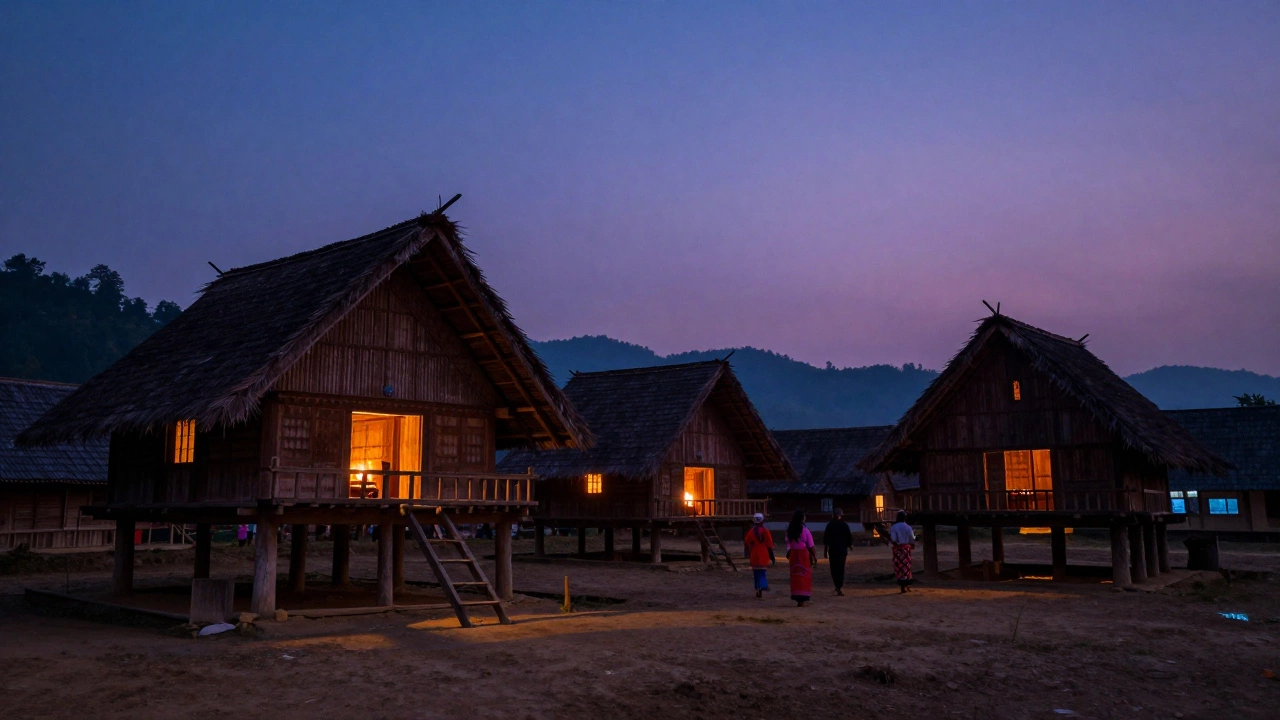
If you have three weeks or more, you can attempt a broader circuit. This pace allows for slow travel. You can visit Nagaland during the Hornbill Festival (December), explore the bamboo bridges of Mizoram, and spend time in Manipur's Loktak Lake. At this stage, you are not just sightseeing; you are immersing yourself. You'll find yourself staying longer in villages, talking to locals, and perhaps even learning a few phrases in Meitei or Khasi.
| Interest | Best States | Ideal Days | Key Activity |
|---|---|---|---|
| Trekking & Mountains | Sikkim, Arunachal Pradesh | 10-14 | Hiking to Nathula, Tawang Monastery |
| Wildlife & Nature | Assam, Meghalaya | 10-12 | Kaziranga Safari, Living Root Bridges |
| Culture & Festivals | Nagaland, Mizoram, Manipur | 14-21 | Hornbill Festival, Tribal Homestays |
| Quick Getaway | Darjeeling, Shillong | 5-7 | Toy Train Ride, Market Walks |
Logistics That Eat Your Time
When calculating your days, never forget the hidden time costs. Travel in the Northeast is slower than in Delhi or Mumbai. Roads are winding, weather-dependent, and sometimes prone to landslides during the monsoon (June to September). A drive that Google Maps says takes 4 hours might take 6.
Air travel is crucial. Direct flights from Delhi or Kolkata to Guwahati, Agartala, Imphal, and Silchar are available. However, connecting flights within the Northeast are limited. You often have to backtrack to Guwahati to catch a flight to another state. This backtracking can eat up a full day. Always build in buffer days. If you plan to drive from Shillong to Guwahati, don't schedule an early morning flight out of Guwahati the same day unless you want to risk missing it.
Permits are another factor. Indian citizens need Inner Line Permits (ILP) for Arunachal Pradesh, Nagaland, Mizoram, and parts of Manipur. Foreign nationals need RAPs for Arunachal Pradesh. These can be obtained online now, but processing times vary. Apply at least 15 days before your trip. Don't leave it to the last minute.
Seasonal Considerations
The time of year drastically affects how many days you need. October to March is the peak season. The weather is clear, roads are dry, and festivals are happening. You can move faster and see more. April to June is hot in the plains but pleasant in the hills. July to September brings heavy rains. Landslides are common, especially in Sikkim and Arunachal Pradesh. During the monsoon, add 20% more time to your itinerary for delays. Some roads may be closed, forcing you to wait or reroute.
If you visit in December, aim for Nagaland for the Hornbill Festival. This alone is worth a 7-day trip. If you go in February, Sikkim's Magnolia Bloom Festival is a highlight. Aligning your days with these events maximizes your experience.
Budget vs. Luxury Impact
Your budget also dictates pace. Budget travelers relying on shared jeeps and buses will move slower. There are fewer direct connections, and you might wait for a bus to fill up. Luxury travelers can hire private cars with drivers, which saves significant time. A private car can get you from Guwahati to Shillong in 3 hours instead of waiting for a shared cab. If you are on a tight budget, extend your trip by 2-3 days to accommodate slower transport.
Can I visit North East India in just 3 days?
Yes, but only if you limit yourself to one location like Darjeeling or Shillong. Flying in and out of the same airport and staying put allows for a quick weekend getaway. Trying to see multiple states in 3 days is impossible due to travel times.
Is 10 days enough for Arunachal Pradesh?
Ten days is sufficient for a focused trip to Tawang and Bomdila. However, if you want to explore Ziro Valley and Itanagar as well, you should plan for 14 days. Road conditions and permit processing can add unexpected delays.
What is the best time to visit North East India?
The best time is from October to March when the weather is cool and dry. This period offers clear views of the Himalayas and comfortable trekking conditions. Avoid the monsoon season (July-August) if you are concerned about landslides and road closures.
Do I need special permits for North East India?
Indian citizens need Inner Line Permits (ILP) for Arunachal Pradesh, Nagaland, Mizoram, and parts of Manipur. Foreign nationals require Restricted Area Permits (RAP) for Arunachal Pradesh. These can be applied for online well in advance of your trip.
How do I get around in North East India?
Private taxis and shared jeeps are the most common modes of transport between cities. Within towns, auto-rickshaws and app-based cabs work in larger hubs like Guwahati and Shillong. Domestic flights connect major cities, but internal air travel is limited. Road travel is scenic but slow.


About Author

Popular Posts