Hiking vs Trekking: Key Differences, Gear, and Best Spots in India
Hiking vs Trekking: Which Adventure Suits You?
You’ve seen the photos. You’ve heard the stories. Now you’re standing at a crossroads, wondering if you should lace up for a casual **hiking** trip or commit to a rugged trekking expedition. The terms get thrown around interchangeably by marketers and influencers alike, but if you’ve ever tried to hike without proper boots or trekked with only a daypack, you know they are not the same thing.
Understanding the difference isn’t just about semantics; it’s about safety, preparation, and choosing the right adventure for your fitness level. Whether you are looking for a quick weekend escape near Sydney or planning an ambitious journey through the Himalayas, knowing where one ends and the other begins will save you from unnecessary fatigue-or worse, getting stranded.
The Core Difference: Duration and Intensity
At its simplest, hiking is a day activity. It’s something you do, enjoy, and return home from before nightfall. Think of it as a long walk in nature, often on established trails, where the primary goal is enjoyment and light exercise. You might carry water, a snack, and a camera, but you aren’t sleeping out.
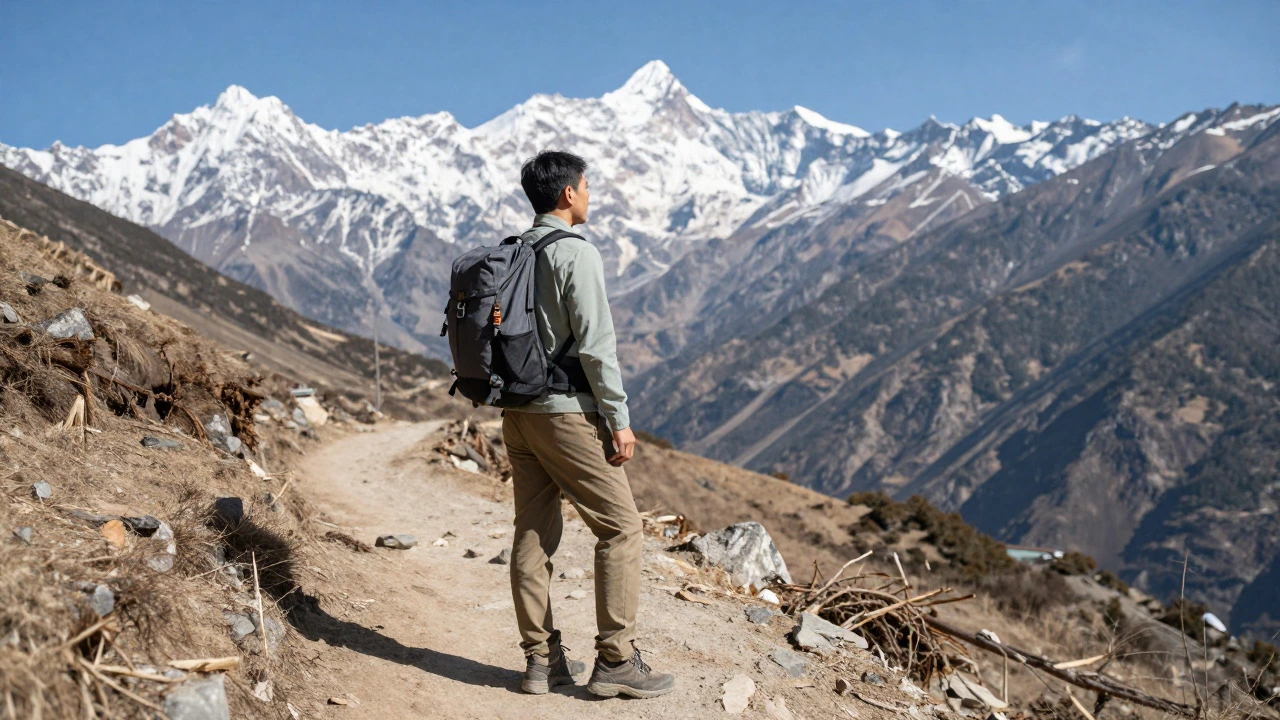
Trekking, on the other hand, is an endurance sport disguised as travel. It involves multi-day journeys, often into remote areas where infrastructure is non-existent. When you trek, you are carrying everything you need to survive for days-tent, sleeping bag, food, and cooking gear. The terrain is usually more challenging, involving steep ascents, rocky paths, and significant changes in altitude.
Is trekking harder than hiking?
Generally, yes. Trekking requires higher physical endurance because it lasts multiple days and often involves heavier loads and more difficult terrain. Hiking is typically a single-day activity on easier trails.
Gear Up: What’s in Your Pack?
Your equipment defines the experience. For a standard hike, you can get away with sturdy sneakers or trail runners, a comfortable t-shirt, and a small backpack. If the weather looks good, you might even skip the rain jacket. The focus is on mobility and comfort for a few hours.
Trekking demands a different approach. You need reliable hiking boots with ankle support, moisture-wicking base layers, and a robust 60-liter backpack capable of holding 15-20 kilograms of gear. In colder regions like the Indian Himalayas, you’ll also need thermal wear, gloves, and a high-quality sleeping bag rated for sub-zero temperatures. The weight you carry directly impacts your energy levels, so every item must earn its place in your pack.
- Hiking Essentials: Daypack, water bottle, sunscreen, map, first-aid kit, snacks.
- Trekking Essentials: Sleeping bag, tent, stove, fuel, multi-day food supply, repair kit, comprehensive first-aid kit, navigation tools (GPS/compass).
Fitness Levels and Physical Demands
If you lead a sedentary lifestyle, a moderate hike is a great starting point. Most hiking trails are accessible to beginners with minimal preparation. A brisk walk around your local park or a short trail in Blue Mountains National Park can help you build the initial stamina needed for longer excursions.
Trekking requires consistent cardiovascular training and leg strength. Because you are walking for 6-8 hours a day over several consecutive days, your body needs to adapt to repetitive stress. Incorporate stair climbing, lunges, and weighted walks into your routine months before your trip. Altitude adds another layer of complexity; your heart works harder to pump oxygenated blood, which can lead to Acute Mountain Sickness (AMS) if you ascend too quickly.
Popular Trekking Places in India
India offers some of the most diverse trekking landscapes in the world, from snow-capped peaks to lush monsoon forests. Here are three iconic destinations that illustrate the range of experiences available:
| Trek Name | Location | Difficulty | Duration | Best Time |
|---|---|---|---|---|
| Kedarkantha | Uttarakhand | Moderate | 4-5 Days | Dec-Feb (Snow) |
| Hampta Pass | Himachal Pradesh | Moderate | 5-6 Days | Jun-Sep |
| Roopkund Lake | Uttarakhand | Hard | 7-8 Days | Apr-Jun, Sep-Nov |
Kedarkantha is perfect for beginners transitioning from hiking to trekking. The trail is well-marked, and the reward is a stunning view of the Zanskar range covered in snow during winter. Hampta Pass offers a unique contrast between dense deodar forests and barren alpine meadows, making it visually spectacular. For those seeking a challenge, Roopkund Lake takes you above 14,000 feet, where the air is thin and the mystery of ancient skeletal remains adds an eerie allure.
Safety and Preparation Tips
Regardless of whether you choose hiking or trekking, preparation is key. Always check weather forecasts before heading out. In mountainous regions like India, weather can change rapidly, turning a sunny morning into a blizzard by afternoon. Carry extra layers and waterproof gear.
Hydration is critical, especially at high altitudes. Dehydration mimics altitude sickness, so drink water consistently throughout the day. Avoid caffeine and alcohol, as they can exacerbate dehydration and sleep disturbances. Finally, never trek alone if you are new to the activity. Joining a guided group ensures you have experienced leaders who can navigate tricky terrain and handle emergencies.
Environmental Responsibility
As more people flock to these natural wonders, preserving them becomes crucial. Follow the Leave No Trace principles. Pack out all your trash, including biodegradable waste like fruit peels, which take longer to decompose in cold climates. Stick to marked trails to prevent soil erosion and protect fragile plant life. Respect local cultures and communities by asking permission before taking photos and supporting local economies by hiring local guides and staying in homestays.
Choosing the Right Adventure for You
So, which one should you pick? If you have limited time, want low commitment, and prefer not to sleep outdoors, stick to hiking. It’s a fantastic way to connect with nature without the logistical headache. However, if you crave immersion, want to test your limits, and don’t mind camping under the stars, trekking offers a deeper, more transformative experience.
Start small. Build your fitness. Learn the skills. Then, when you’re ready, pack your bags for the mountains. Whether it’s a local trail or the majestic peaks of India, the journey itself is the reward.
Can I go trekking in India without prior experience?
Yes, many beginner-friendly treks like Kedarkantha or Triund offer guided groups that handle logistics and provide support. These are ideal for first-timers looking to transition from hiking to trekking.
What is the best time to visit India for trekking?
The best times are spring (April-June) and autumn (September-November). Winter (December-February) is suitable for snow treks in the Himalayas, while summer is risky due to monsoon rains causing landslides.
Do I need special permits for trekking in India?
Some popular treks require permits from forest departments or military authorities, especially in border areas like Ladakh or Spiti Valley. Guided tours usually handle these arrangements for you.
How much does a trekking tour in India cost?
Costs vary widely. Budget group treks can range from $100-$300 USD, while luxury treks with private guides and better accommodations can exceed $1,000 USD. Prices include transport, accommodation, meals, and guide fees.
Is altitude sickness a real concern?
Yes, above 8,000 feet, altitude sickness is a risk. Symptoms include headache, nausea, and dizziness. Ascend slowly, stay hydrated, and descend immediately if symptoms worsen. Medications like Diamox can help but consult a doctor first.
About Author